Source Heavy Truck Air Conditioning Filter for Construction, Mining, Transport
Find 30 Heavy Truck Air Conditioning Filter options from verified Chinese suppliers. Compare specifications, prices, and lead times for cabin, oil, and air filters used in construction equipment and industrial applications; compare the available evidence and request quotations based on your requirements.
Key considerations
Products List




Comprehensive Sourcing Guide
Heavy Truck Air Conditioning Filter Sourcing Guide
Procuring heavy truck air conditioning filters requires a nuanced understanding of industrial filtration standards and vehicle-specific operational demands. Buyers must distinguish between cabin air filters, which protect occupants, and engine air filters, which safeguard mechanical components. The market offers a diverse range of products, including panel filters, HEPA-grade media, and pre-filters, each serving distinct filtration roles. Understanding these classifications is the first step in aligning procurement with specific fleet maintenance goals.
Sourcing decisions should be guided by observed listing signals that reflect current market availability and supplier capabilities. Data indicates a wide price range from $0.50 to $580 USD, suggesting significant variation in material quality, filtration efficiency, and brand positioning. Minimum order quantities typically span from 1 to 1000 units, allowing for both sample testing and bulk procurement. Buyers should leverage these signals to identify suppliers who can accommodate their specific volume requirements without compromising on essential filtration performance.
Product Scope and Observed Listing Signals
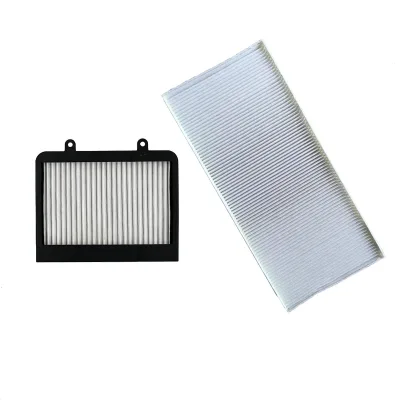
The product scope for heavy truck filtration extends beyond simple cabin air conditioning, encompassing oil, fuel, and general air filters. Listings frequently highlight customization options, allowing buyers to specify dimensions and media types tailored to their fleet’s unique needs. Common structural formats include panel filters and filter element assemblies, with materials ranging from paper cores to specialized PE membranes. These variations indicate a mature supply chain capable of supporting diverse heavy-duty applications, from construction equipment to off-road vehicles.
Observed listing attributes reveal a strong emphasis on OEM compatibility and cross-reference availability. Many suppliers offer products labeled as OEM quality, with specific cross-reference numbers like PA4640fn and As7989 to facilitate easy identification. Packaging methods vary from neutral packaging to standard export cartons, reflecting different logistical preferences. Buyers should verify that the listed product model, such as CA-843 or HA41395, matches their vehicle’s requirements, ensuring seamless integration and optimal performance in demanding operating environments.
Technical Specifications to Verify
Verifying technical specifications is critical to ensuring filter compatibility and performance. Buyers must confirm the exact dimensions, such as the observed standard of 71.5/66*25/20H121 mm, to prevent installation issues. The filtration grade, whether HEPA, medium, or pre-filter, dictates the level of particle capture and must align with the truck’s operational environment. Additionally, the mechanical principle, often adsorption for air filters, influences how contaminants are trapped, affecting both filter lifespan and airflow efficiency.
Structural integrity and connector types are equally important verification points. The presence or absence of a clapboard can impact the filter’s rigidity and sealing capability. Buyers should also check for specific features like flat connectors or bulk-type activated carbon filters, which may be necessary for odor control or enhanced filtration. Confirming the product model, such as DZ9M259190123 or 37c1270, ensures that the filter meets the original equipment manufacturer’s specifications, maintaining warranty validity and system reliability.
Compliance and Safety Documentation
Compliance with safety and quality standards is non-negotiable in heavy truck procurement. Buyers should request documentation that verifies the filter meets relevant industry standards, such as the observed prod_standard references. While specific certification names may not always be listed, the claim of 100% professional testing suggests a commitment to quality assurance. Buyers must ensure that suppliers can provide test reports or certificates of conformity that demonstrate compliance with environmental and safety regulations.
Safety documentation also includes information on material composition and potential hazards. Filters containing activated carbon or specific synthetic media may require handling instructions or disposal guidelines. Buyers should verify that the supplier provides clear information on the filter’s material, such as paper cores or PE membranes, to ensure compatibility with existing disposal or recycling programs. This diligence helps mitigate risks associated with improper handling or non-compliant materials, protecting both the fleet operator and the end-user.
Cost Drivers and Commercial Terms
Cost drivers in heavy truck filter procurement include material quality, filtration efficiency, and customization requirements. Higher-grade materials, such as HEPA filters or specialized paper cores, typically command higher prices. Customization options, including specific dimensions or packaging, can also influence cost. Buyers should analyze the price range of $0.50 to $580 USD to understand the value proposition of different suppliers, balancing cost against performance and longevity.
Commercial terms, such as payment methods and delivery times, significantly impact procurement strategy. The observed payment term of T/T with 30% upfront indicates a common industry practice that buyers must accommodate. Delivery times ranging from 25 to 35 days require careful inventory planning to avoid stockouts. Buyers should negotiate terms that align with their cash flow and operational needs, ensuring that cost savings do not come at the expense of supply chain reliability or flexibility.
Supplier Qualification and Quality Control
Supplier qualification is essential for ensuring consistent quality and reliable supply. Buyers should verify the supplier’s origin, with many listings indicating production in Hebei, China, a known hub for automotive parts. Assessing the supplier’s quality control processes, including claims of OEM quality and professional testing, is crucial. Buyers should request evidence of these processes, such as quality management system certifications or detailed inspection reports, to validate the supplier’s capabilities.
Quality control extends to the packaging and handling of the filters. The observed packaging methods, from neutral packaging to export cartons, should protect the filters from damage during transit. Buyers should verify that the supplier uses appropriate packaging to maintain filter integrity, especially for sensitive components like HEPA media. Additionally, confirming the supplier’s ability to provide consistent product models and cross-references ensures that replacements are readily available, minimizing downtime for heavy truck fleets.
Long-Term Procurement Checks
Long-term procurement success depends on continuous monitoring of supplier performance and product quality. Buyers should establish key performance indicators, such as delivery accuracy, defect rates, and responsiveness to issues. Regular audits of the supplier’s quality control processes and production facilities can help identify potential risks early. Maintaining open communication with suppliers ensures that any changes in product specifications or standards are promptly communicated and addressed.
Evaluating the long-term value of the filters is also critical. Buyers should track the lifespan and performance of the filters in real-world conditions, comparing them against initial claims. This data can inform future purchasing decisions, helping to identify suppliers who consistently deliver high-quality products. By focusing on long-term relationships and performance metrics, buyers can optimize their procurement strategy, ensuring reliable filtration and cost-effective fleet maintenance over time.
FAQs
What materials are used in heavy truck air conditioning filters?
These filters typically use paper cores and paper materials for filtration. Some models include activated carbon for bulk type applications. The structure often features panel designs or filter elements. This ensures effective removal of contaminants while maintaining airflow for the vehicle cabin environment.
Which specifications are available for heavy truck air conditioning filters?
Available specifications include standard sizes like 71.5/66*25/20H121 mm and customizable options. Models such as CA-843 and HA41395 are common. Some units meet OE size standards. Buyers can select from various cross-references like PA4640fn to ensure compatibility with specific heavy-duty truck systems.
Can heavy truck air conditioning filters be customized for specific needs?
Yes, customization is available for many Heavy Truck Air Conditioning Filter models. Manufacturers offer flexible options to meet unique requirements. This includes adapting to specific usage environments like off-road or construction equipment. Customizable standards allow buyers to tailor the product to their exact operational demands.
How are heavy truck air conditioning filters packaged for shipment?
Packaging options include boxed units, PE membrane with corrugated paper, and export cartons. Some items use neutral packaging to protect the product during transit. Standard boxes and export cartons are common for heavy-duty filters. This ensures the filters arrive safely without damage to the paper core or filtration grade.
What is the lead time for heavy truck air conditioning filters?
The typical delivery time ranges from 25 to 35 days for these filters. This timeline applies to standard orders from suppliers in Hebei, China. Buyers should account for this duration when planning procurement. The lead time may vary slightly depending on specific model availability and order volume requirements.
Which filtration grades are offered for heavy truck air conditioning filters?
Offered filtration grades include HEPA filters, medium filters, and pre-filters. These grades ensure high efficiency in removing particulates from the air. The choice depends on the specific application needs of the heavy truck. Paper materials are commonly used to achieve these filtration standards effectively.
What quality standards apply to heavy truck air conditioning filters?
Products often undergo 100% professional testing to ensure quality. Many items meet OEM quality standards and are designed for heavy-duty applications. The filters are built to withstand demanding usage environments. This rigorous testing ensures reliability and performance for critical truck systems requiring consistent air filtration.