Source Heavy Truck Rotation Sensor Bracket for Fleet Maintenance
Find and compare 30 Heavy Truck Rotation Sensor Bracket options from verified Chinese manufacturers. Evaluate materials like metal and carbon, OEM availability, and packaging standards to select the right component for your fleet maintenance needs.
Key considerations
Products List

Heavy Duty Truck Spare Parts 21754792 ABS Sensor Bracket for Volvo Renault Trucks
$7.00 - $10.00
MOQ: 10 Pieces


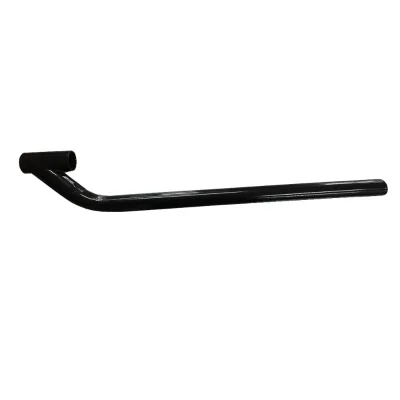

Heavy Duty German-Style Axle Suspension Bracket for Trucks and Trailers
$130.00 - $150.00
MOQ: 1 Pieces


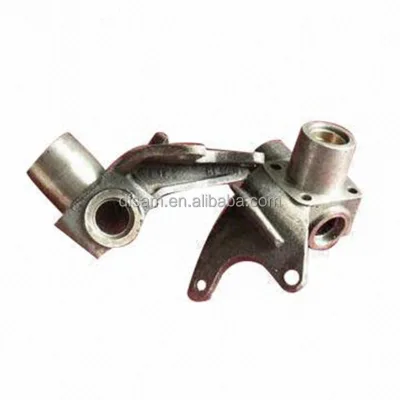
Premium Factory Heavy-Duty Height 3 Axle Suspension Bracket for Truck Trailer
$400.00 - $1200.00
MOQ: 20 Sets






Comprehensive Sourcing Guide
Heavy Truck Rotation Sensor Bracket Sourcing Guide
Sourcing heavy truck rotation sensor brackets requires a disciplined approach to technical verification and supplier qualification, as these components serve as critical interfaces between vehicle dynamics and electronic control systems. The bracket’s primary function is to maintain precise sensor alignment under extreme vibration, torque, and environmental stress, ensuring that data regarding wheel speed, steering angle, or axle rotation remains accurate for ABS, traction control, and stability systems. Buyers must recognize that while the component appears mechanically simple, its failure can compromise entire vehicle safety architectures, making material integrity and dimensional tolerance non-negotiable priorities during the procurement process.
The current market landscape for these brackets is characterized by a wide variance in manufacturing origins, primarily concentrated in China, with key production hubs in Jinan and Ningbo. Listings indicate a broad spectrum of customization capabilities, including OEM support and adaptation to original samples, which suggests that buyers are not limited to off-the-shelf solutions but can engage suppliers for tailored engineering. However, this flexibility introduces complexity in quality assurance, as the "neutral" or "customized" packaging and varying standard definitions require rigorous pre-shipment inspections to ensure that the delivered parts match the specific engineering drawings and performance expectations of the heavy truck platform.
Product Scope and Observed Listing Signals
The observed product listings reveal a diverse range of materials and configurations, with metal, carbon, and stainless steel being the most frequently cited substrates for these brackets. This variation in material selection directly correlates with the specific mounting requirements and environmental exposure of different truck models, ranging from standard steel variants for general chassis applications to carbon or stainless steel options for corrosion-resistant or weight-sensitive installations. Buyers should note that the presence of "carbon" material attributes in some listings may indicate composite reinforcements or specific alloy compositions, necessitating clear definition in the purchase order to avoid material substitution disputes.
Listing signals also highlight significant variability in packaging and shipping standards, with options ranging from neutral boxes and custom packaging to wooden crates and container loads. This diversity in packing methods, such as "2pcs/1box" or palletized arrangements, reflects the logistical needs of different order volumes and destination markets, but it also underscores the importance of verifying protective measures against transit damage. Furthermore, the mention of specific models like "21754792" and "Yg9731540201" alongside generic descriptors suggests that buyers must cross-reference these identifiers with their vehicle’s original equipment manufacturer (OEM) part numbers to ensure compatibility, as generic listings may not always align with specific heavy truck series.
Technical Specifications to Verify
Dimensional accuracy and mounting interface compatibility are the most critical technical specifications to verify before placing an order, as rotation sensor brackets must align perfectly with both the vehicle chassis and the sensor housing. Buyers should request detailed engineering drawings or CAD files from the supplier to confirm hole patterns, bolt sizes, and overall geometry, ensuring that the bracket fits the designated position, whether front or rear, without requiring modification. The observed attribute of "Position: Front" and "Position: Rear" in listings indicates that these brackets are not universal and must be matched to the specific axle or steering assembly of the target truck model.
Material properties and surface treatment are equally vital, as the bracket must withstand the high loads and abrasive conditions typical of heavy-duty transport. Verification should include confirmation of the exact alloy grade, tensile strength, and any protective coatings such as galvanization or powder coating to prevent rust and corrosion. The presence of "Stainless Steel" and "Carbon" material attributes in the data suggests that suppliers offer different grades for different environments, and buyers must specify the required corrosion resistance level based on the truck’s operational region, whether it involves coastal salt exposure or inland dust and mud.
Compliance and Safety Documentation
While specific certification statuses vary among suppliers, the presence of ISO-related attributes in the listings indicates that many manufacturers adhere to international quality management standards. Buyers should verify that the supplier holds valid ISO 9001 certification and, where applicable, industry-specific standards such as IATF 16949, which are crucial for automotive component manufacturing. The mention of "ISO/TS" and "OHSAS" in some listings suggests a broader commitment to quality and safety protocols, but buyers must request current, valid certificates and confirm that the production facility is audited regularly to maintain these standards.
Documentation regarding material traceability and batch testing is essential for ensuring that the brackets meet the required mechanical and chemical specifications. Buyers should insist on material test reports (MTRs) that detail the chemical composition and mechanical properties of the metal used, ensuring it matches the agreed-upon grade. Additionally, requests for first-article inspection reports (FAIR) or production part approval process (PPAP) documentation can provide confidence that the manufacturing process is stable and capable of producing consistent, high-quality brackets that meet the original sample or drawing specifications.
Cost Drivers and Commercial Terms
The cost of heavy truck rotation sensor brackets is influenced by several factors, including the raw material price, manufacturing complexity, and order volume. The observed price range of $0.2 to $1200 USD reflects the disparity between simple, mass-produced steel brackets and complex, custom-engineered components made from premium materials like stainless steel or carbon composites. Buyers should understand that lower prices may correlate with standard materials and minimal customization, while higher prices often include advanced surface treatments, tighter tolerances, and comprehensive quality control processes.
Commercial terms and transaction methods also play a significant role in the total cost of ownership, with options such as FOB, CIF, CFR, and EXW available from suppliers. The choice of Incoterm affects not only the shipping cost but also the allocation of risk and responsibility during transit. Buyers should carefully evaluate these terms in conjunction with the minimum order quantity (MOQ), which ranges from 1 to 1000 units, to determine the most cost-effective procurement strategy. For large fleets, negotiating volume discounts and long-term supply agreements can help mitigate price volatility and ensure consistent supply of critical components.
Supplier Qualification and Quality Control
Supplier qualification should begin with a thorough assessment of their manufacturing capabilities and quality control systems. Buyers should verify that the supplier has the necessary equipment for precision machining, such as CNC centers, and that they have a robust inspection process in place, including in-process checks and final random inspections. The mention of "OEM: Yes" and "Customization: Available" suggests that many suppliers are capable of handling custom orders, but buyers must ensure that the supplier has the engineering support to interpret drawings and resolve technical queries promptly.
Quality control procedures should include specific checks for dimensional accuracy, surface finish, and material integrity. Buyers should define clear acceptance criteria in the purchase order, including allowable tolerances and defect rates, and request that the supplier perform these checks before shipment. The option for "Neutral" or "Customized Box" packing allows for branding or specific labeling requirements, but it also requires that the packaging protects the brackets from damage during transit, as any deformation can render the bracket unusable. Implementing a pre-shipment inspection by a third-party agency can provide an additional layer of assurance.
Long-Term Procurement Checks
Establishing a long-term relationship with a reliable supplier requires ongoing monitoring of performance metrics and continuous improvement initiatives. Buyers should track key performance indicators such as on-time delivery rates, defect rates, and responsiveness to quality issues. Regular audits of the supplier’s facility and quality management system can help identify potential risks early and ensure that the supplier maintains their standards over time. The ability of the supplier to adapt to changes in vehicle models or regulatory requirements is also a critical factor in long-term viability.
Feedback loops and collaborative engineering should be encouraged to drive continuous improvement in product quality and cost efficiency. Buyers should share field performance data and failure analysis reports with the supplier to help them refine their designs and manufacturing processes. The availability of "24 Hours Online" warranty support suggests that some suppliers offer responsive after-sales service, which is valuable for resolving issues quickly. By maintaining open communication and a focus on mutual benefit, buyers can secure a stable supply of high-quality rotation sensor brackets that support the reliability and safety of their heavy truck fleets.
FAQs
What materials are used for heavy truck rotation sensor brackets?
Heavy truck rotation sensor brackets are available in metal, carbon, and stainless steel materials. These options provide durability for various truck applications. Buyers can select based on specific load requirements and environmental conditions.
Can I get custom packaging for heavy truck rotation sensor brackets?
Yes, customization is available for packaging including neutral boxes, customized boxes, containers, and wooden boxes. Suppliers offer packing solutions like boxes, cartons, or pallets as per customer requirements. This ensures safe transport and brand alignment.
Which certifications do Heavy Truck Rotation Sensor Bracket manufacturers hold?
Manufacturers often hold ISO, ISO/TS, OHSAS, GSV, GMP, and BSCI certifications. These standards ensure quality management and safety compliance. Buyers should verify specific certification documents before placing large orders.
How is the production process handled for heavy truck rotation sensor brackets?
The production process involves ceramic techniques and follows original samples or drawings. Products are manufactured in China with origins in Jinan and Ningbo. This ensures adherence to specific design standards and quality control.
What is the minimum order quantity for heavy truck rotation sensor brackets?
The minimum order quantity ranges from 1 to 1000 units depending on the supplier. Buyers can negotiate based on their specific needs and budget constraints. Flexible MOQs allow for both small trials and bulk procurement.
Which truck makes are compatible with heavy truck rotation sensor brackets?
These brackets fit Mazda, Volvo, Lexus, Peugeot, Audi, Roewe, Geely, Cadillac, Chevrolet, Chery, Ford, Nissan, Jeep, Toyota, Honda, Hyundai, BMW, Benz, WuLing, and Volkswagen. Compatibility covers a wide range of global vehicle brands.
Can the Heavy Truck Rotation Sensor Bracket be customized for specific needs?
Yes, OEM and customization services are available for specifications and designs. Buyers can request changes based on original samples or custom drawings. This flexibility supports unique engineering requirements for different truck models.