Find Heavy Truck Stepper Panel for Freightliner, Sinotruk, and Excavator
Source 30 verified listings for Heavy Truck Stepper Panel compatible with Freightliner and Sinotruk HOWO trucks. Buyers can compare specifications, certifications, and customization options for models like WG1664230047 and Monitor panels.
Key considerations
Products List


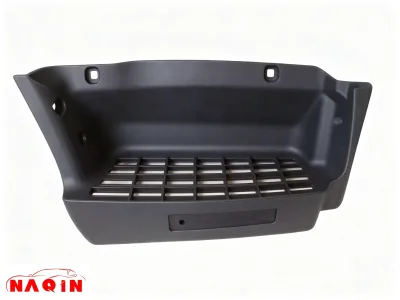


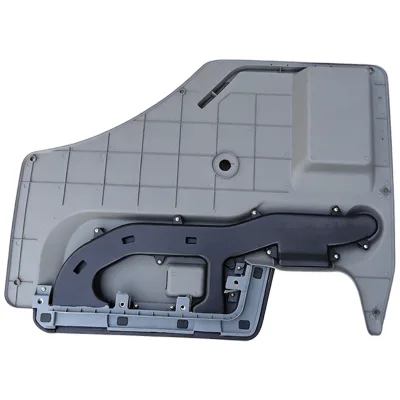
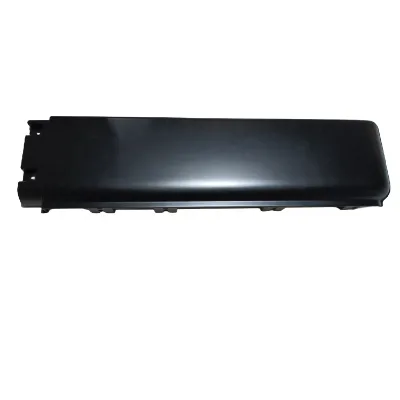

Truck Panel Cabin Heater Switches Panel Airflow Panel 81619906068 for Man Tga
$49.00 - $129.00
MOQ: 10 Pieces
Comprehensive Sourcing Guide
Strategic Sourcing Guide for Heavy Truck Stepper Panels
The procurement of heavy truck stepper panels represents a critical intersection of electrical reliability and mechanical durability in the commercial vehicle sector. For buyers specializing in fleet maintenance, aftermarket distribution, or original equipment manufacturing (OEM) supply chains, understanding the specific attributes of these components is essential. The market offers a diverse array of options, ranging from standard replacement units to highly customized assemblies. This guide synthesizes observed product data and industry standards to provide a disciplined framework for sourcing heavy truck stepper panels, ensuring that procurement decisions are grounded in verifiable facts rather than speculative claims.
Technical Specifications and Component Identification
When evaluating heavy truck stepper panels, the primary objective is to match the component's technical architecture to the specific vehicle platform. The data indicates a strong correlation between specific part numbers and their intended applications. For instance, the model designation WG1664230047 is explicitly linked to the Stepper Panel category, suggesting a standardized interface for specific truck chassis. Similarly, the model WG1664230048 and WG1664231101 appear as distinct variants, likely representing different functional configurations or compatibility with different truck generations.
The physical and electrical specifications are equally vital. The observed product data highlights an operating temperature range of -40℃ to +85℃, a critical specification for heavy-duty applications where vehicles operate in extreme environments ranging from arctic conditions to desert heat. The housing material is frequently cited as high-strength ABS plastic, which offers a balance of impact resistance and electrical insulation properties. Furthermore, the structural integrity of the panel is often reinforced by a load-bearing body design, ensuring that the component can withstand the vibrations inherent to heavy truck operations without structural failure.
Buyers must also scrutinize the mounting and installation mechanics. The preferred installation method for these panels is typically bolt-on, utilizing fixed brackets to secure the unit to the vehicle's frame or dashboard. This method ensures a rigid connection that minimizes the risk of loosening due to road vibrations. The placement of the panel is another key variable; while some units are designed for front placement, others are configured for left-side mounting, depending on the ergonomic layout of the specific truck cab. Understanding these spatial constraints is necessary to avoid compatibility issues during the retrofitting or assembly process.
Compliance, Certification, and Safety Standards
In the B2B heavy truck sector, compliance with international standards is not merely a formality but a prerequisite for market access and liability protection. The supply chain for stepper panels often includes certifications such as CE and ISO9001:2000, which indicate adherence to specific quality management systems and safety directives. These certifications serve as a baseline verification that the manufacturing process meets recognized global benchmarks.
Beyond general quality certifications, specific material standards play a significant role in the safety and environmental compliance of the product. For components involving plastic housing or composite materials, buyers should verify adherence to formaldehyde emission standards, with some products claiming an "Excellent Grade" rating. This is particularly relevant for indoor or enclosed cab environments where air quality impacts driver health. Additionally, the bonding strength of the materials used in the panel construction is categorized, with some specifications noting a Bonding Strength of Ⅲ(Nc). This metric is crucial for ensuring that the internal components remain secure under high-stress conditions.
The application of these panels extends beyond simple electrical connections; they are integral to the vehicle's overall safety architecture. Whether used in Sinotruk HOWO Heavy Duty Trucks or other heavy machinery like excavators, the panel must function reliably under the specific electrical loads of the vehicle. Buyers should verify that the product's standard designation aligns with the regulatory requirements of the target market, particularly in regions with strict environmental or safety regulations.
Cost Drivers and Pricing Dynamics
The pricing structure for heavy truck stepper panels is influenced by a complex matrix of factors, including material costs, customization levels, and production volume. The observed market data reveals a wide price range, spanning from $0 to $20,000 USD. This broad spectrum reflects the diversity of the product line, which includes everything from simple replacement panels to fully integrated, custom-engineered systems.
Several key drivers influence the final cost. First, the level of customization available significantly impacts pricing. Products offering custom styles or specific color options, such as white or black finishes, often command a premium over standard off-the-shelf units. The painting process, which provides a protective and aesthetic finish, is another cost factor. Second, the complexity of the installation method plays a role; panels requiring specialized fixed brackets or complex bolt-on configurations may incur higher manufacturing and logistics costs.
Minimum Order Quantity (MOQ) is another critical cost driver. The observed MOQ range spans from 1 to 300 units, indicating that suppliers cater to both small-scale repair shops and large-scale fleet operators. Higher volumes typically result in lower unit costs, but the initial investment required to meet the MOQ can be a barrier for smaller buyers. Additionally, the origin of the product, such as Jinan, Shandong, China, influences logistics costs. Buyers must factor in shipping, tariffs, and lead times when calculating the total cost of ownership. The packaging method, whether carton, box, pallet, or nude packing, also affects the overall cost, as specialized packaging is required to protect the panel during transit.
Typical Applications and Vehicle Compatibility
The versatility of heavy truck stepper panels is evident in their application across various vehicle types and industries. The data confirms compatibility with major heavy truck brands, including Freightliner and Sinotruk HOWO Heavy Duty Trucks. This broad compatibility suggests that these panels are designed to meet the rigorous demands of long-haul transportation, where reliability is paramount.
Beyond standard trucks, the application scope extends to heavy machinery such as excavators. This cross-industry applicability highlights the robust design of the stepper panels, which must function in environments subject to intense vibration, dust, and varying electrical loads. The "Use" attribute, which includes both trucks and trailers, further underscores the component's adaptability. Whether installed in the cab for driver interface or in the trailer for auxiliary systems, the panel must maintain its structural and electrical integrity.
The specific model numbers, such as DZ15221242516 and AZ9925930017, indicate a high degree of specificity in the product line. These models likely correspond to unique electrical architectures or mounting requirements for specific truck generations. Buyers must carefully cross-reference these model numbers with their vehicle's service manuals to ensure a perfect fit. The "Main Market" data, pointing to Southeast Asia, suggests that these products are optimized for the climatic and regulatory conditions prevalent in that region, though they are often designed for global export.
Supplier Evaluation and Sourcing Strategy
Selecting the right supplier for heavy truck stepper panels requires a rigorous evaluation process that goes beyond price comparison. Buyers should prioritize suppliers who can demonstrate a consistent track record of quality and reliability. The presence of certifications like CE and ISO9001:2000 is a strong indicator of a supplier's commitment to quality management. However, buyers should verify the validity of these certifications and ensure they are current.
The supplier's location is another critical factor. The data indicates a concentration of suppliers in Jinan, Shandong, China, a region known for its heavy truck manufacturing ecosystem. Sourcing from this region can offer logistical advantages, such as shorter lead times and lower shipping costs, provided the buyer can navigate the local supply chain effectively. However, buyers must also consider the supplier's ability to handle international logistics, including customs clearance and freight forwarding.
Customization capabilities are a key differentiator among suppliers. The availability of customization options, including specific colors, styles, and packing requirements, allows buyers to tailor the product to their specific needs. Suppliers who offer flexible production lines and responsive customer service are better positioned to meet the demands of the B2B market. Additionally, the after-sales service provided by the supplier is crucial. The observed data mentions a warranty period of three months after loading or one year, depending on the product. Buyers should clarify these terms and ensure that the supplier has a clear process for handling defects or returns.
Quality Control and Long-Term Procurement Considerations
Maintaining high quality standards throughout the procurement lifecycle is essential for minimizing downtime and ensuring fleet safety. Quality control measures should begin at the supplier level, with a focus on verifying the material composition, such as the use of high-strength ABS plastic and the bonding strength of the internal components. Buyers should request test reports or quality assurance documentation to validate these claims.
The condition of the product is another critical quality metric. The data specifies that the products are "New," which is a standard expectation for replacement parts. However, buyers should inspect the packaging to ensure that the panels are protected from damage during transit. The use of pallets, cartons, or brand-specific packing can significantly reduce the risk of transit damage.
Long-term procurement considerations involve building a sustainable relationship with suppliers. This includes establishing clear communication channels, agreeing on consistent quality standards, and planning for future demand. The warranty period, whether three months or one year, should be factored into the total cost of ownership. Buyers should also consider the availability of spare parts and the supplier's ability to provide technical support in the event of installation issues.
| Feature | Observation | Verification Requirement |
|---|---|---|
| Operating Temp | -40℃ ~ +85℃ | Verify thermal testing reports |
| Material | High-strength ABS | Check material safety data sheets |
| Certification | CE, ISO9001:2000 | Validate certificate authenticity |
| Warranty | 3 Months / 1 Year | Clarify terms in contract |
| Origin | Jinan, Shandong, China | Confirm logistics capabilities |
| Installation | Bolt-on with Brackets | Verify bracket compatibility |
Conclusion
Sourcing heavy truck stepper panels requires a meticulous approach that balances technical specifications, compliance requirements, and cost considerations. By focusing on verified data points such as model numbers, operating temperatures, and certification status, buyers can make informed decisions that enhance fleet reliability and safety. The diverse range of applications, from Freightliner trucks to excavators, underscores the importance of selecting the right component for the specific vehicle platform. Ultimately, a disciplined sourcing strategy that prioritizes quality, customization, and supplier reliability will yield the best long-term results for B2B procurement in the heavy truck industry.
FAQs
What installation method is used for heavy truck stepper panels?
The heavy truck stepper panels use a bolt-on installation method with fixed brackets. This ensures a rigid connection to the vehicle frame or dashboard to minimize loosening from road vibrations during operation.
Which certifications do these heavy truck stepper panels hold?
These heavy truck stepper panels hold CE and ISO9001:2000 certifications. These standards indicate adherence to specific quality management systems and safety directives required for commercial vehicle components in international markets.
How does the operating temperature range affect heavy truck stepper panels?
The heavy truck stepper panels operate reliably between -40℃ and +85℃. This wide range ensures the component functions correctly in extreme environments ranging from arctic conditions to desert heat without structural failure.
Can heavy truck stepper panels be customized for specific needs?
Yes, heavy truck stepper panels offer available customization options for style and color. Buyers can request specific finishes like white or black to match their fleet requirements or aesthetic preferences.
What is the warranty period for heavy truck stepper panels?
The warranty period for heavy truck stepper panels is typically three months after loading. Some specific units may offer a one-year warranty, so buyers should verify the exact terms with the supplier.
Which materials are used to construct heavy truck stepper panels?
Heavy truck stepper panels are constructed using high-strength ABS plastic housing and fiberglass components. These materials provide a balance of impact resistance, electrical insulation, and structural integrity for heavy-duty applications.
Where are heavy truck stepper panels manufactured?
Heavy truck stepper panels are manufactured in Jinan, Shandong, China. This region is a known hub for heavy truck manufacturing, offering logistical advantages for sourcing these specific commercial vehicle components.