Source Heavy Truck Steering Knuckle for Commercial, Mining, and Logistics
Compare 30 verified listings for Heavy Truck Steering Knuckle components from Chinese manufacturers. Buyers can evaluate specifications, customization options, and pricing for commercial, mining, and logistics applications. Explore steel forging, investment casting, and various surface treatments available from multiple suppliers.
Key considerations
Products List


Custom Steel Forging Steering Knuckle for Passenger and Commercial Vehicles
$2.00 - $10.00
MOQ: 1000 Pieces


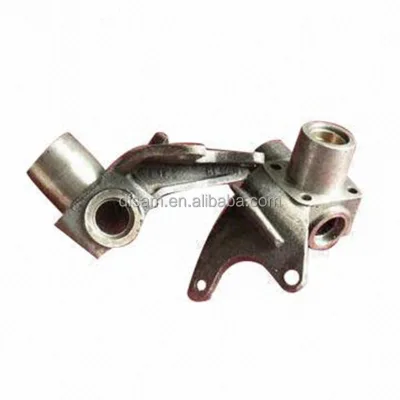
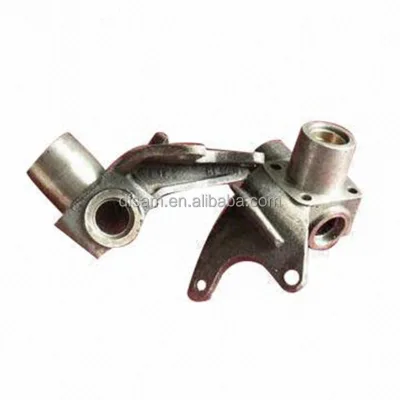


Comprehensive Sourcing Guide
Heavy Truck Steering Knuckle Sourcing Guide
Product Scope and Observed Listing Signals
The Heavy Truck Steering Knuckle serves as a critical structural component that connects the wheel assembly to the suspension and steering systems, bearing significant dynamic loads during operation. Market listings indicate a diverse range of related automotive parts, including steering gears, shafts, and rigging wire rope clips, suggesting that many suppliers offer comprehensive chassis component portfolios. Buyers should distinguish between the primary steering knuckle and auxiliary hardware to ensure accurate specification matching for their specific vehicle models.
Observed product attributes reveal that manufacturers provide both standard and nonstandard configurations, with customization being a widely available service. Listings frequently highlight OEM and ODM support, indicating that suppliers are equipped to produce parts based on specific engineering drawings or reverse-engineered samples. The presence of various model numbers, such as DSC047731 and DSC047881, suggests a broad inventory of compatible parts for different truck makes, requiring careful verification of fitment before procurement.
Technical Specifications to Verify
Material selection is paramount for steering knuckles, with steel and stainless steel being the most commonly cited options in current market data. Buyers must verify the specific steel grade and heat treatment processes, such as hot close die forging, which are often employed to enhance tensile strength and fatigue resistance. The surface finish should be clean and free of burrs, with treatments applied as requested to meet corrosion resistance requirements for harsh operating environments.
Dimensional accuracy and casting tolerances are critical for proper wheel alignment and bearing life. Some listings reference investment casting with tolerances ranging from CT8 to CT12, adhering to GB/T 6414 standards, which provides a baseline for quality expectations. However, buyers should confirm whether the specific knuckle design requires higher precision machining for mounting points and kingpin bores, as these interfaces directly impact steering responsiveness and safety.
Compliance and Safety Documentation
Certification status is a key indicator of manufacturing capability, with DIN, ISO, and GB standards frequently mentioned in supplier profiles. Buyers should request valid certificates to ensure that the production facility adheres to recognized quality management systems and material testing protocols. It is essential to verify that the certifications are current and specifically cover the manufacturing processes used for the steering knuckle, such as forging or casting.
Standard specifications vary between standard and nonstandard products, requiring clear communication of regulatory requirements for the target market. While some listings mention standard specifications, others emphasize customization, which may imply adherence to customer-specific standards rather than universal norms. Buyers must ensure that the supplied documentation aligns with local vehicle safety regulations, particularly regarding structural integrity and crashworthiness standards applicable to heavy trucks.
Cost Drivers and Commercial Terms
Pricing for heavy truck steering knuckles varies significantly based on material costs, manufacturing complexity, and order volume. Observed price ranges in the market span from low-cost auxiliary components to higher-value structural parts, reflecting the diversity of offerings. Buyers should anticipate that customized knuckles with specific material grades or complex surface treatments will command a premium over standard off-the-shelf items.
Minimum order quantities (MOQ) typically range from 1 to 1,000 units, with some suppliers setting specific thresholds like 100 pieces for certain models. Packaging methods, including export standard packing, plywood boxes, and wooden cases, also influence logistics costs and must be factored into the total landed cost. Buyers should negotiate clear terms regarding packaging standards to prevent damage during transit, especially for heavy and fragile cast or forged components.
Supplier Qualification and Quality Control
Supplier location and nature are important factors in assessing reliability, with manufacturers and exporters based in regions like Ningbo, Jiangsu, and Zhejiang being prominent sources. Buyers should verify the company’s nature to ensure they are dealing with a direct manufacturer rather than a trading company, which can affect communication efficiency and quality control oversight. Direct engagement with the production facility often allows for better customization support and faster resolution of technical issues.
Quality control processes should include rigorous inspection of surface finishes, dimensional accuracy, and material composition. Suppliers often offer surface finishes according to buyer requirements, indicating flexibility in meeting specific quality expectations. Buyers should implement incoming quality control checks, including visual inspections for burrs and dimensional verification using calibrated tools, to ensure that the received parts meet the agreed-upon specifications before assembly.
Long-Term Procurement Checks
Sustainable sourcing requires regular audits of supplier performance and product consistency over time. Buyers should monitor key performance indicators such as defect rates, delivery times, and responsiveness to quality issues to ensure long-term reliability. Establishing a feedback loop with the supplier can help identify potential improvements in manufacturing processes or material sourcing that may benefit future orders.
Adaptability to changing market conditions and vehicle models is essential for long-term procurement success. As truck designs evolve, suppliers must be capable of updating their tooling and processes to meet new requirements. Buyers should maintain open communication channels to discuss future needs, ensuring that the supplier remains aligned with their strategic sourcing goals and can provide continuous support for ongoing projects.
FAQs
What materials are used for heavy truck steering knuckles?
Heavy truck steering knuckles are primarily manufactured using steel and stainless steel materials. These materials ensure high durability and resistance to corrosion under heavy loads. The products are available in new condition with standard or customized specifications to meet diverse industrial requirements.
Can I get customized steering knuckle assemblies?
Yes, customized steering knuckle assemblies are available with OEM and ODM support. Manufacturers offer customization for size, surface finish, and specific product models. Buyers can request tailored solutions including specific packing methods like plywood boxes or wooden cases to suit their logistics needs.
Which certifications do heavy truck steering knuckles hold?
Heavy truck steering knuckles often hold certifications such as DIN, ISO, and GB standards. These certifications ensure the products meet rigorous quality and safety requirements. Buyers can verify these standards when sourcing from manufacturers located in regions like Ningbo or Jiangsu in China.
How is the surface finish of steering knuckles treated?
The surface finish of steering knuckles is treated according to specific buyer requests or standard requirements. Processes include hot close die forging and investment casting to achieve clean surfaces with no burrs. This ensures the components are ready for immediate installation and operation in heavy truck systems.
What is the minimum order quantity for these parts?
The minimum order quantity for these parts typically ranges from 1 to 1000 pieces depending on the supplier. Some specific models may require a minimum of 100 pieces. Buyers should check individual product listings for exact MOQ values to plan their procurement strategy effectively.
Where are heavy truck steering knuckles manufactured?
Heavy truck steering knuckles are manufactured in various locations across China, including Ningbo, Jiangsu, and Zhejiang. These regions host manufacturers and exporters capable of producing high-quality components. The origin is clearly stated as China for most listed products in the supply chain.
What packing methods are used for shipping?
Packing methods for shipping include export standard packing, plywood boxes, wooden cases, and pallets. These options are selected based on buyer requirements to ensure safe transport. The packaging is designed to protect the steering knuckles during international logistics and handling processes.