Source Heavy Weight Gondola Rack for Shop Supermarket Drug Store
Compare 30 Heavy Weight Gondola Rack options from Jiangsu suppliers. These steel racks feature powder coating, double-sided designs, and capacities up to 500kg for use in shops, supermarkets, and drug stores.
Key considerations
Products List


Asian Style Size Customized Cheap High Load Capacity Durable Gondola Shelf
$80.00 - $120.00
MOQ: 20 Pieces


Multifunctional Storage Rack Metal Supermarket Store Display Gondola Rack Double Sided Shelf
$12.50 - $125.00
MOQ: 100 Pieces




Comprehensive Sourcing Guide
Heavy Weight Gondola Rack Sourcing Guide
Sourcing heavy weight gondola shelving requires a disciplined approach to verifying structural integrity, load capacity, and surface durability. These systems are engineered for high-density retail environments where stability and longevity are paramount. Buyers must distinguish between standard retail fixtures and industrial-grade storage solutions, ensuring that the selected rack meets the specific weight distribution requirements of their inventory. The following guide outlines the critical verification steps for procurement professionals evaluating these assets.
The market offers a variety of configurations, including double-sided units and backplane styles, which influence both floor space utilization and visual merchandising capabilities. Understanding the interplay between shelf style, accessory integration, and overall structural design is essential for creating a cohesive store layout. This guide focuses on the technical and commercial due diligence necessary to secure reliable supply chains for these robust storage systems.
Product Scope and Observed Listing Signals
The observed product landscape indicates a strong presence of steel-based gondola racks originating primarily from Jiangsu, China. Listings frequently highlight models such as HBE-SR-10, HBE-SR-01, and YD-006, suggesting a standardized yet customizable product line. The material composition is consistently identified as steel, often treated with powder coating to enhance corrosion resistance and aesthetic appeal. Buyers should note that while the core material is uniform, the specific model numbers may correspond to different dimensional profiles or load-bearing capabilities.
Commercial signals reveal a wide range in observed pricing, spanning from $0.50 to $8,000 USD, which likely reflects the difference between individual components and complete shelving units. Minimum Order Quantities (MOQ) vary significantly, with observed ranges from 1 to 1,000 pieces, indicating flexibility for both small-scale retailers and large chain expansions. The presence of customization options, including color and size adjustments, suggests that suppliers are equipped to handle bespoke requirements, though this may impact lead times and unit costs.
Technical Specifications to Verify
Load capacity is the most critical technical parameter for heavy weight gondola racks. Observed data points to capacities ranging from an average of 200kg to 500kg per unit, with some specifications noting a layer capacity of 50-150kg. Buyers must verify the exact load rating for each shelf level, as uneven weight distribution can compromise structural stability. It is essential to confirm whether the stated capacity applies to the entire rack structure or to individual shelves, and to ensure that the static load limits align with the intended inventory density.
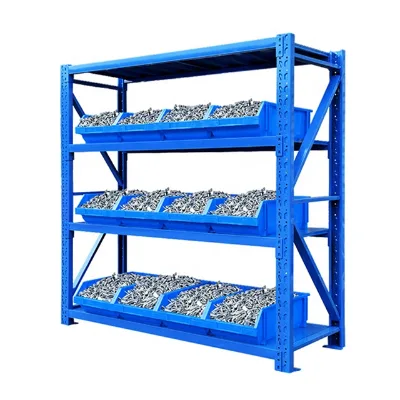
The structural design typically features a fixed rotary mechanism and a backplane style, which contributes to the overall rigidity of the unit. Heights are observed to range from 0 to 5 meters, allowing for vertical space optimization in high-ceiling retail environments. Accessories such as drawers, showcases, hooks, and wire baskets are commonly available, enabling modular customization. Buyers should verify the compatibility of these accessories with the specific rack model to ensure seamless integration and operational efficiency.
Surface treatment is another vital technical aspect, with powder coating being the standard finish observed in the market. This process not only improves the visual appeal but also protects the steel substrate from wear and tear in high-traffic areas. The quality of the powder coating can vary, so buyers should request samples or detailed specifications regarding coating thickness and adhesion standards. Additionally, the condition of the products is consistently listed as new, but buyers should inspect for any signs of manufacturing defects or surface imperfections upon delivery.
Compliance and Safety Documentation
Certification status is a key indicator of manufacturing quality and regulatory compliance. Observed listings mention certifications such as CE, ISO9001:2008, and SGS, which suggest adherence to international quality management and safety standards. Buyers should verify the validity and scope of these certifications, ensuring that they cover the specific product models being procured. It is also important to confirm whether the certifications are current and issued by recognized accreditation bodies, as outdated or invalid certificates may pose compliance risks.
Safety documentation should include detailed load testing reports and structural integrity assessments. Buyers must ensure that the racks have undergone rigorous testing to validate their load-bearing claims, particularly for heavy weight applications. Documentation should also cover fire safety ratings and material safety data sheets, especially if the racks are intended for use in environments with strict regulatory requirements. Verifying these documents helps mitigate liability and ensures that the installed shelving meets local building and safety codes.
Cost Drivers and Commercial Terms
Pricing for heavy weight gondola racks is influenced by several factors, including material thickness, coating quality, and customization requirements. The observed price range of $0.50 to $8,000 USD reflects the diversity of products available, from individual components to fully assembled units. Buyers should request detailed quotations that break down costs by component, such as uprights, shelves, and accessories, to facilitate accurate budgeting and comparison. Understanding the cost drivers helps in negotiating better terms and identifying potential areas for cost optimization.
Delivery lead times are observed to be within 15-20 days, which is a critical consideration for project planning and inventory management. Buyers should confirm the lead time for customized orders, as additional processing may extend the delivery schedule. Packaging methods, such as export cartons and bubble bag wraps, are designed to protect the products during transit, but buyers should verify the packaging standards to minimize the risk of damage. Clear commercial terms regarding shipping, insurance, and payment methods are essential to avoid disputes and ensure smooth transaction execution.
Supplier Qualification and Quality Control
Supplier qualification involves assessing the manufacturer’s production capabilities, quality control processes, and track record. Buyers should verify the supplier’s location, with Jiangsu Suzhou being a common origin, and evaluate their capacity to meet large order volumes. Requesting references or case studies from previous clients can provide insights into the supplier’s reliability and service quality. Additionally, buyers should inquire about the supplier’s ability to provide after-sales support, including warranty terms and technical assistance.
Quality control measures should be clearly defined and enforced throughout the production process. Buyers should request inspection reports or arrange for third-party inspections before shipment to ensure that the products meet the specified standards. Key quality indicators include dimensional accuracy, surface finish quality, and structural integrity. Establishing a robust quality control protocol helps in maintaining consistency across large orders and reduces the risk of receiving defective or non-compliant products.
Long-Term Procurement Checks
Long-term procurement success depends on establishing a sustainable supply chain that can adapt to changing market demands and operational needs. Buyers should regularly review supplier performance metrics, including delivery punctuality, product quality, and responsiveness to issues. Building a strong relationship with the supplier can lead to better pricing, priority production, and improved service levels. Continuous communication and feedback loops are essential for identifying areas for improvement and fostering a collaborative partnership.
Future-proofing the procurement strategy involves staying informed about industry trends and technological advancements in shelving systems. Buyers should evaluate the scalability of the current supplier’s offerings and their ability to support future expansions or modifications. Regular audits of the installed shelving can help identify maintenance needs and potential safety hazards, ensuring that the investment remains secure and effective over time. By prioritizing long-term value and reliability, buyers can optimize their retail infrastructure and enhance overall operational efficiency.
FAQs
What customization options are available for heavy weight gondola racks?
Customization is available for heavy weight gondola racks, allowing buyers to specify dimensions and colors. Products offer backplane style with double-sided shelving and can include accessories like drawers or wire baskets. The finish typically features good quality powder coating for durability in various retail environments.
Which certifications do Heavy Weight Gondola Rack manufacturers hold?
Manufacturers often hold CE and ISO9001:2008 certifications for heavy weight gondola racks. Some products also meet SGS standards to ensure quality and safety. These certifications verify that the steel structures meet international requirements for commercial use in shops and supermarkets.
How much weight can Heavy Weight Gondola Rack shelves support?
Heavy Weight Gondola Rack shelves can support an average capacity of 500kg per unit or 50-150kg per layer. Specific models may vary, with some rated for 200kg average capacity. The structure is designed as a rack to handle significant loads in drug stores and convenience stores.
Can I order heavy weight gondola racks with specific lead times?
Yes, delivery for heavy weight gondola racks is typically within 15-20 days after order confirmation. Buyers can request specific production schedules, though standard lead times apply. Packaging usually involves export cartons and bubble bag wraps to ensure safe transport from Jiangsu, China.
What is the minimum order quantity for heavy weight gondola racks?
The minimum order quantity for heavy weight gondola racks is 20 pieces for standard orders. Some suppliers may accept lower quantities, but 20 pieces is the common baseline. This applies to integrated gondola shelving units with customizable layers and colors.
Where are Heavy Weight Gondola Rack factories located?
Heavy Weight Gondola Rack factories are primarily located in Jiangsu, China, including Suzhou. Products originate from this region and are shipped globally. The location ensures access to steel materials and established manufacturing processes for powder coating and assembly.
What surface treatment is used on heavy weight gondola racks?
Heavy weight gondola racks use powder coating as the primary surface treatment for protection and aesthetics. This finish provides good quality durability against wear and tear in retail settings. The steel structure is treated to resist corrosion while maintaining a professional appearance.