Source Heavyweight Cotton Hoodie for fitness, home wear, and casual style
Explore 30 listings for Heavyweight Cotton Hoodie options featuring cotton or polyester blends, available in black with custom logos and embroidery. Buyers can compare sizes, weights, and packing details from suppliers in China and Henan.
Key considerations
Products List


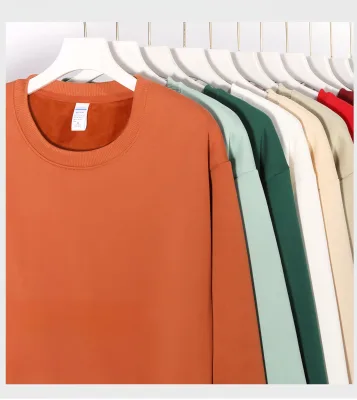


Autumn Casual Style 100% Cotton Heavyweight Oversized Custom Logo Print Hoodie
$5.00 - $13.00
MOQ: 100 Pieces


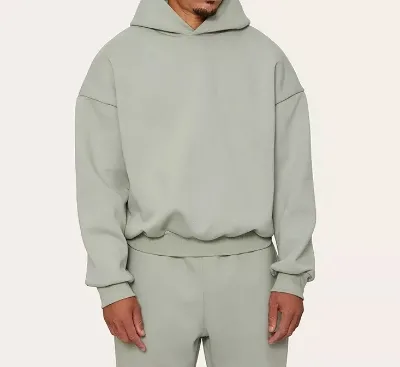


OEM Oversize Logo Custom Streetwear Heavyweight Oversized Hoodie for Men
$4.00 - $8.00
MOQ: 100 Pieces


Custom High Quality Men's Casual Sweatshirt Long Sleeve Cotton Hoodies Pullover
$9.90 - $10.90
MOQ: 100 Pieces
Comprehensive Sourcing Guide
Strategic Sourcing Guide for Heavyweight Cotton Hoodies
Understanding the Technical Specifications of Heavyweight Hoodies
When sourcing heavyweight cotton hoodies, buyers must first establish a clear understanding of the technical specifications that define this category. The core attribute of a heavyweight hoodie is its fabric weight, which directly influences durability, warmth, and the garment's structural drape. Based on available market data, specific product listings indicate fabric weights reaching 420 grams per piece. This weight class is significantly heavier than standard streetwear hoodies, which often range between 280 and 350 grams. The high gram weight suggests a dense knit construction, likely utilizing a cotton or cotton-polyester blend to maintain shape and resist pilling over time.
Material composition is the second critical technical factor. While the ideal for a "cotton" hoodie is 100% cotton, the supply chain frequently offers blends such as Polyester/Cotton to enhance performance characteristics. The observed data confirms the presence of 100% cotton options alongside blends, with some specifications explicitly listing 100% polyester as an alternative standard. For a heavyweight application, a high cotton content is generally preferred for breathability and softness, while a polyester component can improve resistance to shrinkage and increase the garment's longevity. Buyers should verify the exact percentage of cotton in the blend, as this impacts the hand feel and the ability of the fabric to absorb dyes during custom printing processes.
The construction details further define the quality of the hoodie. Key specifications include the sleeve length, which is typically long sleeve for this category, and the hood type, which is often fixed rather than detachable. The fit type is another variable; market observations show a trend toward oversized fits, which aligns with current sport and casual fashion trends. The collar style is consistently hooded, and pocket types are predominantly side pockets, offering functional utility. Additionally, the product models identified in the supply base, such as UHNC20220120-33 and ES2025-HD7, suggest that manufacturers maintain distinct SKUs for different weight classes and design iterations. Understanding these specific model numbers helps in tracking inventory and ensuring consistency across large orders.
Compliance, Certification, and Material Standards
Navigating the compliance landscape for heavyweight cotton hoodies requires a careful examination of material standards and potential certifications. While the supply data lists specific product standards such as "0.5kg/piece" or "35455" (likely referring to packaging dimensions), these are operational metrics rather than regulatory certifications. Buyers must be vigilant about distinguishing between internal product standards and external compliance requirements. For instance, the observed data mentions "GOTS" in a low-confidence background context; however, without explicit confirmation from a specific supplier, this cannot be asserted as a universal standard for all heavyweight cotton hoodies.
When evaluating suppliers, the primary focus should be on verifying the origin of the cotton and the manufacturing processes. The supply chain data indicates origins in Shanghai and Henan, China. These regions have varying capabilities regarding environmental compliance and labor standards. Buyers should request documentation regarding the sourcing of raw materials, specifically looking for evidence of sustainable farming practices if the brand claims eco-friendly attributes. The "Feature" attribute in the data includes "Sustainable," which implies that some suppliers may offer organic or recycled cotton options, but this must be validated through third-party testing or certification documents provided by the vendor.
Furthermore, the "Standard" attribute in the product data includes entries like "customized," indicating that many manufacturers are flexible in meeting specific buyer requirements. This flexibility extends to compliance, where a buyer can request adherence to specific international safety standards, such as those regarding chemical restrictions (e.g., REACH in Europe or CPSIA in the US). Since the data does not provide specific test results or certification statuses for the listed products, buyers must treat the "Sustainable" and "Anti-Pilling" claims as observations that require verification. It is essential to include clauses in the purchase agreement that mandate compliance with relevant safety and environmental regulations, ensuring that the heavyweight cotton used does not contain harmful substances.
Cost Drivers and Pricing Dynamics
The pricing of heavyweight cotton hoodies is influenced by a complex interplay of material costs, production complexity, and order volume. The observed price range in the market spans from $2.88 to $35.00 USD. This wide variance is not merely a reflection of brand markup but is driven by several tangible factors. The most significant driver is the fabric weight. A 420-gram hoodie requires significantly more raw material than a standard 300-gram garment, directly increasing the cost of goods sold. Additionally, the material blend plays a role; 100% cotton is often more expensive than cotton-polyester blends due to the higher cost of raw cotton fibers and the lack of synthetic cost offsets.
Production techniques also contribute substantially to the final price. The data lists various technical methods including "Embroidered," "Printed," "Washed," "3D Embroidery," and "Dip Dye." Each of these processes adds labor and time to the production cycle. For example, 3D embroidery and dip-dyeing are more complex and resource-intensive than standard screen printing or heat-transfer printing. The choice of printing method, such as Discharge Printing or Puff Printing, can also alter the cost structure. Discharge printing, which removes the fabric dye to create a design, requires specific chemical treatments and precise temperature control, often commanding a higher price point than basic silk screen printing.
Order volume is another critical cost driver. The observed Minimum Order Quantity (MOQ) ranges from 2 to 1000 units. Smaller orders, particularly those near the lower end of the MOQ spectrum, often incur higher per-unit costs due to the fixed costs of setup, pattern making, and machine calibration. Conversely, larger orders benefit from economies of scale, where the cost per unit decreases as the volume increases. The "Customization" attribute is available across the supply base, but customization inherently adds to the cost. Custom logos, labels, and specific packaging requirements (such as paper cartons or OPP bags) require additional setup and handling. Buyers must balance the desire for customization with the budget constraints, understanding that higher customization levels will push the price toward the upper end of the observed range.
Typical Applications and Market Segmentation
Heavyweight cotton hoodies serve a diverse range of applications, driven by their durability and comfort. The primary market segment identified in the data is "Sport" and "Fitness," where the garment's ability to retain heat and withstand rigorous movement is valued. The "Suitable for: Fitness" attribute highlights the utility of these hoodies in active environments. The heavyweight fabric provides a protective layer against cold weather during outdoor training or acts as a warm-up garment before intense physical activity. The "Anti-Pilling" feature mentioned in the product data is particularly relevant here, as fitness apparel undergoes frequent washing and friction, requiring a fabric that maintains its appearance over time.
Beyond fitness, the "Home" and "Casual" segments represent significant application areas. The "Suitable for: Home" attribute suggests that these hoodies are designed for loungewear, offering a cozy and relaxed fit. The "Style: Sport" and "Style: Causal" classifications indicate versatility, allowing the garment to transition from a workout session to casual daily wear. The "Oversized" fit type observed in the data aligns with current fashion trends that prioritize comfort and a relaxed silhouette. This makes the heavyweight hoodie a staple in streetwear collections, where the heavy fabric provides a structured look that holds its shape well.
The "Season" attribute, listing both "Spring / Autumn" and "Winter," further defines the application scope. The heavyweight nature of the fabric makes it ideal for colder months, providing essential insulation. However, the "Breathable" feature noted in the data suggests that these hoodies are also suitable for transitional seasons, preventing overheating during moderate activity. The "Pattern Type: Custom Logo Labels Hoodies" indicates a strong application in branded merchandise and team uniforms. Organizations looking to create cohesive apparel for sports teams, corporate events, or promotional campaigns often select heavyweight hoodies for their premium feel and durability. The "Supply Type: Oem Service" confirms that these products are widely used for private labeling, allowing brands to create unique identities through custom designs and packaging.
Supplier Evaluation and Selection Criteria
Selecting the right supplier for heavyweight cotton hoodies requires a rigorous evaluation process that goes beyond price comparisons. The supply data indicates multiple product models and origins, including Shanghai and Henan, suggesting a fragmented supplier base with varying capabilities. Buyers should prioritize suppliers who demonstrate transparency in their production processes and material sourcing. The presence of "Oem Service" and "Customization" capabilities is a positive indicator, but buyers must verify the depth of these services. Can the supplier handle complex technical requirements like 3D embroidery or dip-dyeing, or are they limited to basic printing?
The "Lead Time" is another critical factor in supplier evaluation. While the data mentions "7 days sample order lead time: Support," this does not necessarily reflect the production lead time for bulk orders. Buyers should request detailed timelines for sample development, bulk production, and shipping. A supplier that can provide a sample within a week may have efficient prototyping capabilities, but the bulk production timeline must be realistic to ensure timely delivery. The "Payment: Tt" (Telegraphic Transfer) term is standard, but buyers should negotiate terms that protect their interests, such as partial payments upon sample approval and before shipment.
Quality consistency is paramount when sourcing heavyweight garments. The "Feature" attribute includes "Sustainable" and "Anti-Pilling," but these claims must be backed by evidence. Buyers should request fabric swatches and test reports to verify the claimed properties. The "Product Name: Hoodies" and "Type: Hoody" are generic, so buyers must ensure the supplier understands the specific weight and construction requirements. Evaluating the supplier's capacity to handle the "prod_packing" requirements, such as "Paper Carton" or "1piece/OPP," is also essential. Consistent packaging is crucial for brand presentation and logistics efficiency. Finally, the "Brand Name: boders" listed in the data serves as an example of a brand that may be sourcing these products; buyers should look for suppliers with experience working with similar brands to ensure they understand the quality expectations of the market.
Quality Control and Long-Term Procurement Considerations
Implementing a robust quality control (QC) strategy is essential for maintaining the integrity of heavyweight cotton hoodies. Given the high fabric weight and complex construction, QC should focus on multiple stages of the production process. Pre-production QC involves verifying the fabric weight, ensuring it meets the specified 420 grams or other agreed-upon standards. Buyers should also check the material composition to confirm the cotton-to-polyester ratio. During production, in-line inspections should monitor stitching quality, particularly around the hood, pockets, and cuffs, which are high-stress areas. The "Fixed" hood type and "Side" pockets must be securely attached to prevent seam failure.
Post-production QC is equally important. This stage should include a thorough inspection of the finished garments for defects such as pilling, uneven dyeing, or printing errors. The "Anti-Pilling" feature should be tested through abrasion tests to ensure the fabric maintains its surface integrity. Additionally, the "Washed" and "Dip Dye" finishes require specific checks to ensure colorfastness and shrinkage control. The "Single package size: XX cm" data point highlights the need for precise packaging dimensions to optimize shipping costs and prevent damage during transit. Buyers should establish clear acceptance criteria for defect rates and ensure the supplier has a system in place for handling non-conforming goods.
Long-term procurement considerations involve building a sustainable supply chain relationship. The "Supply Type: Oem Service" indicates that many suppliers are open to long-term partnerships. Buyers should focus on suppliers who demonstrate flexibility in adapting to changing market trends, such as the shift toward "Sustainable" materials. The "Customization" attribute suggests that the supply chain is capable of evolving with the buyer's brand needs. Establishing a clear communication channel and regular review meetings can help identify areas for improvement and ensure that the supplier remains aligned with the buyer's quality and compliance standards. Furthermore, considering the "prod_origin" in China, buyers should be aware of potential logistical challenges and plan for buffer stock to mitigate risks associated with supply chain disruptions. By prioritizing quality, transparency, and adaptability, buyers can secure a reliable source for heavyweight cotton hoodies that meets their specific market demands.
FAQs
What fabric weight defines a Heavyweight Cotton Hoodie?
Heavyweight cotton hoodies typically feature a fabric weight of 420 grams per piece. This density offers superior warmth and durability compared to standard garments, making them ideal for winter or active fitness use.
Can buyers customize logos on these hoodies?
Yes, customization is available for logos using print or embroidery methods. Suppliers support various techniques including silk screen, digital, and puff printing to meet specific brand requirements for labels and designs.
Which minimum order quantities are common for these items?
Minimum order quantities range from 2 to 1000 units depending on the supplier. Lower MOQs allow for smaller test batches, while larger volumes often secure better pricing and production efficiency for bulk orders.
How long does it take to receive a sample order?
Sample orders can be supported with a lead time of 7 days. This rapid turnaround allows buyers to verify fabric quality and fit before committing to larger production runs for the global market.
What are the typical production locations for these hoodies?
Production originates primarily from Shanghai and Henan in China. These regions host manufacturers capable of handling diverse styles, including oversized fits and specific seasonal requirements for spring, autumn, and winter.
Which payment terms are standard for these purchases?
Telegraphic Transfer (TT) is the standard payment method for these transactions. Buyers should confirm specific terms with suppliers, as customization and packaging requirements may influence the final payment schedule and conditions.