Source Heavyweight Cotton Print T-Shirt for Brand, Retail, and Sports
Find 30 options for Heavyweight Cotton Print T-Shirt featuring round necks, short sleeves, and breathable cotton or organic blends. Compare customization, printing methods, and MOQs for promotional, retail, and sports wear applications.
Key considerations
Products List


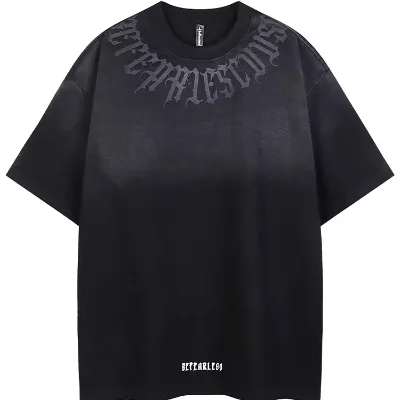


Luxury Custom Cotton Plain Heavyweight Men's T-Shirt Blank Printing T Shirt
$2.50 - $3.50
MOQ: 30 Pieces


Comprehensive Sourcing Guide
Heavyweight Cotton Print T-Shirt Sourcing Guide
Sourcing heavyweight cotton print t-shirts requires a nuanced understanding of fabric weight, print durability, and supply chain transparency. Buyers in the fashion, promotional, and sports sectors often seek these garments for their structural integrity and premium feel, which distinguishes them from standard lightweight alternatives. The decision to source heavyweight options typically hinges on the need for garments that hold their shape after repeated washing, offer better opacity for light-colored fabrics, and provide a superior canvas for complex graphic applications. This guide outlines the critical verification steps, technical parameters, and commercial considerations necessary to secure high-quality inventory while mitigating common procurement risks.
The procurement landscape for these items is diverse, ranging from basic promotional blanks to high-fashion streetwear pieces. Buyers must navigate a wide array of material compositions, printing techniques, and customization options available from global manufacturers. While the core product remains a t-shirt, the specific requirements for collar construction, sleeve length, and fabric blend can vary significantly between suppliers. Understanding these variations is essential for aligning product specifications with end-user expectations, whether the target audience is children, adults, or specific gender demographics. This guide provides a structured approach to evaluating suppliers and products based on observable market signals and industry best practices.
Product Scope and Observed Listing Signals
The current market for heavyweight cotton t-shirts exhibits a broad range of price points and minimum order quantities, reflecting the diversity of manufacturing capabilities and target markets. Observed listing data indicates a price range from approximately $0.99 to $20.00 USD, with minimum order quantities (MOQs) varying from as low as 2 pieces for sampling or small-batch customization up to 1,000 pieces for bulk production runs. This wide variance suggests that buyers can access both low-cost promotional items and higher-end fashion pieces, depending on their volume requirements and quality expectations. It is crucial to correlate price with material composition and print complexity, as heavier fabrics and multi-step printing processes naturally command higher unit costs.
Product attributes observed in the market highlight significant customization potential, including mixed or single color options, various collar styles such as round necks, and sleeve configurations like short sleeves. Many suppliers offer printed patterns, including character designs, plain finishes, or tie-dyed effects, catering to diverse aesthetic preferences. The availability of customization services, such as logo placement on the front and various print methods including off-set printing, embroidery, and digital printing, allows brands to create unique merchandise. Additionally, the gender and age group specifications often span from men’s wear to adult and children’s categories, indicating that manufacturers are equipped to handle varied sizing and fit requirements.
Technical Specifications to Verify
Fabric composition is the most critical technical specification to verify, as it directly impacts the garment’s durability, comfort, and drape. While many listings specify 100% cotton, buyers should confirm whether the cotton is organic or conventional, as this affects both cost and sustainability credentials. Some suppliers offer blends, such as 92.2% cotton and 7.8% spandex, which provide added stretch and recovery, beneficial for sports wear or active casual use. The fabric weight, often implied by the term "heavyweight," should be explicitly defined in grams per square meter (GSM) to ensure consistency. Buyers must also verify the knitting technique, as knitted fabrics offer different stretch and recovery properties compared to woven alternatives, influencing the final fit and feel of the t-shirt.
Print and embroidery specifications require careful attention to detail to ensure longevity and visual appeal. The choice of print method, whether off-set, digital, or embroidery, should align with the design complexity and desired texture. For instance, digital printing is suitable for intricate, multi-color designs, while embroidery offers a premium, textured look for logos. Buyers should verify the print method compatibility with the fabric type, as some prints may crack or fade on certain cotton blends. Additionally, the placement of logos, typically on the front, and the availability of custom logo services should be confirmed. The standard size and packing specifications, such as one piece per OPP bag or polybag plus carton, also impact logistics and retail readiness.
Compliance and Safety Documentation
Compliance with international safety and environmental standards is essential for selling heavyweight cotton t-shirts in regulated markets. Buyers should request documentation verifying that the cotton used meets relevant organic standards, such as GOTS, if sustainability is a key brand value. Although specific certification status may vary by supplier, verifying the origin of the cotton and the processing facilities is crucial. Suppliers from regions like Fuzhou, Fujian, or Guangdong in China may have different compliance frameworks, so buyers must ensure that the final product meets the import regulations of the destination country, including restrictions on harmful substances like azo dyes or formaldehyde.
Labor and ethical compliance are equally important considerations in modern procurement. Buyers should inquire about the supplier’s adherence to labor laws, including fair wages, working hours, and safe working conditions. While specific audit reports may not be publicly listed, requesting evidence of compliance with international labor standards can help mitigate reputational risks. Additionally, product safety testing for flammability and colorfastness should be conducted, especially for children’s wear. Buyers must ensure that all printed materials and dyes used are non-toxic and safe for skin contact, particularly for garments intended for sensitive skin or young children.
Cost Drivers and Commercial Terms
Several factors influence the final cost of heavyweight cotton print t-shirts, including fabric weight, print complexity, and order volume. Heavier fabrics require more raw material and energy to produce, leading to higher base costs. Similarly, complex print designs involving multiple colors or embroidery add to the production time and cost. Buyers should negotiate pricing based on clear specifications, ensuring that all costs, including printing, packaging, and shipping, are included in the quote. The observed MOQ range of 2 to 1,000 pieces allows for flexibility, but larger orders typically benefit from economies of scale, reducing the unit price.
Commercial terms such as payment methods, lead times, and shipping arrangements also impact the overall procurement cost. Suppliers may offer different packing options, such as polybag plus carton, which can affect shipping efficiency and costs. Buyers should clarify the shipping terms, whether by sea or air, and how these choices affect delivery timelines and expenses. Additionally, understanding the supplier’s return and defect policies is crucial for managing risk. Clear communication regarding these terms helps avoid unexpected costs and ensures a smooth transaction process, allowing buyers to budget accurately for their inventory needs.
Supplier Qualification and Quality Control
Evaluating supplier qualifications is a critical step in ensuring the reliability and quality of heavyweight cotton print t-shirts. Buyers should verify the supplier’s production capacity, experience, and track record in manufacturing similar products. Suppliers from established manufacturing hubs like China, particularly in regions known for textile production, may offer consistent quality and competitive pricing. However, buyers must conduct due diligence to assess the supplier’s ability to meet specific quality standards and delivery schedules. Requesting samples before placing bulk orders is essential to evaluate fabric quality, print durability, and overall craftsmanship.
Quality control measures should be integrated into the procurement process to minimize defects and ensure consistency. Buyers should establish clear quality criteria, including acceptable tolerances for color variation, print alignment, and stitching quality. Implementing pre-shipment inspections can help identify and rectify issues before goods are dispatched. Additionally, maintaining open communication with the supplier regarding any changes in specifications or requirements is vital. By prioritizing supplier qualification and rigorous quality control, buyers can build a reliable supply chain that delivers high-quality products consistently.
Long-Term Procurement Checks
Building a long-term relationship with suppliers requires ongoing monitoring and evaluation of performance metrics. Buyers should regularly assess supplier reliability, including on-time delivery rates, product quality consistency, and responsiveness to issues. Establishing key performance indicators (KPIs) can help track these metrics and identify areas for improvement. Regular feedback loops with suppliers can foster continuous improvement and strengthen the partnership. Additionally, staying informed about market trends and technological advancements in textile manufacturing can help buyers make informed decisions about future sourcing strategies.
Sustainability and ethical sourcing should remain a priority in long-term procurement strategies. Buyers should periodically review their suppliers’ compliance with environmental and labor standards, ensuring alignment with their brand values. Exploring opportunities for sustainable materials, such as organic cotton or recycled fibers, can enhance brand reputation and meet growing consumer demand for eco-friendly products. By maintaining a proactive approach to supplier management and sustainability, buyers can secure a resilient supply chain that supports their business growth and ethical commitments.
FAQs
What materials are used for these t-shirts?
The products are made from cotton, including options of 100% organic cotton and blends with spandex. These materials ensure breathability and comfort for summer wear. The knitted technics provide durability while maintaining a soft texture suitable for casual and sports usage.
Can I customize the logo and pattern?
Yes, customization is available for logos and patterns. You can choose from off-set print, embroidery, or digital printing methods. The logo can be customized and placed on the front. Patterns include printed designs, plain styles, or character types to suit your brand needs.
What are the packaging and standard specifications?
Packaging varies by supplier, with options including one piece per OPP bag or polybag plus carton. Standard sizes are available, and some products follow specific dimensions like 35*45*5. The length is typically regular, and the collar style is usually a round neck or O-neck for comfort.
Who is the target audience for these shirts?
These t-shirts are designed for both adult and children age groups. They are suitable for men and can be used for casual, brand, fashion, or sports purposes. The breathable fabric makes them ideal for summer seasons, supporting promotional, advertising, retail, or own brand applications.
Where are these products manufactured?
The products originate from China, with specific origins noted in Fuzhou, Fujian, and Guangdong. This location supports the supply chain for various models like MIC130097 and SPT-CT-021. Buyers can expect standard manufacturing practices aligned with these regional production hubs.
What features do these t-shirts offer?
Key features include breathability, moisture absorption, and compression options. Some items are designed for promotional or advertising use, offering a common fabric feature. The short sleeve and normal sleeve shape provide versatility, while tie-dyed or plain finishes add aesthetic variety for different market segments.