Source Heidelberg Offset Paper Divider for Printing, Binding, and Storage
Find 30 available items for the Heidelberg Offset Paper Divider used in printing presses, document binding, and file storage. Buyers can compare specifications like weight, model numbers, and customization options across multiple listings.
Key considerations
Products List




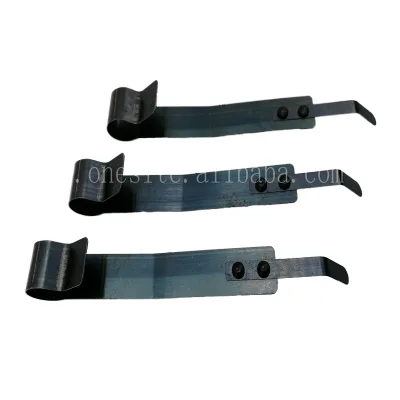
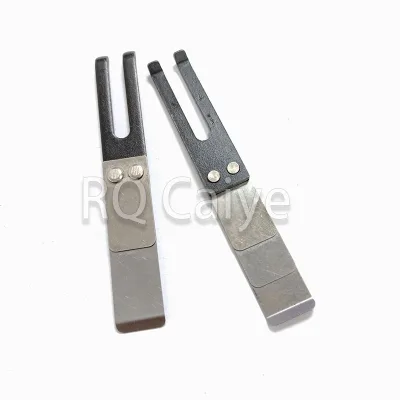
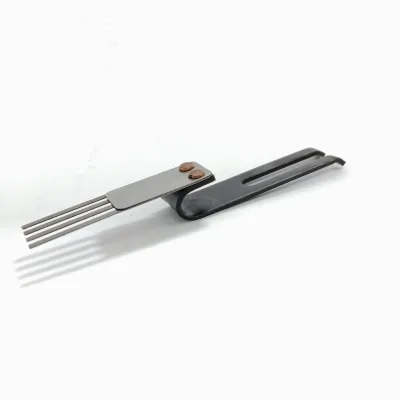
Comprehensive Sourcing Guide
Strategic Sourcing Guide for Heidelberg Offset Paper Dividers
The procurement of specialized components for offset printing machinery requires a rigorous approach that balances technical precision with supply chain reliability. When sourcing items specifically identified as paper dividers or related Heidelberg offset machine accessories, buyers must navigate a landscape where component compatibility is paramount. The market offers a variety of parts, ranging from mechanical stoppers and rollers to electronic flow switches and organizational aids. This guide outlines the essential factors for evaluating suppliers and products, ensuring that the acquired components meet the operational demands of high-speed offset printing environments.
Technical Specifications and Component Identification
The first step in a disciplined sourcing process is the precise identification of technical specifications. In the context of Heidelberg offset presses, components are not generic; they are engineered to fit specific machine models and operational parameters. Data indicates that a primary category of interest is the "Paper Stopper," which is explicitly designed for use with Heidelberg printers. The technical profile for this component includes a specific model designation, such as MV. 052.121, and a standardized weight of 5 kg when packaged. This weight specification is critical for logistics planning and inventory management, as it distinguishes the component from lighter auxiliary parts.
Beyond the paper stopper, the ecosystem of Heidelberg machine parts includes rollers and belts, each with distinct weight and model characteristics. For instance, rollers are observed with a packaged weight of 10 kg, while belts are significantly lighter at 2 kg. The model designation for these items often aligns with the machine's internal nomenclature, such as "roller" or "Belt" in generic listings, though specific part numbers are essential for verification. Furthermore, disassembly parts, such as those with the model F2.010.241, weigh 3 kg and are integral to maintenance procedures.
When evaluating paper dividers or similar organizational components for the press, buyers must verify the "Product Name" and "Machine" compatibility. The data confirms that specific items are labeled for "Heidelberg" machines, while others, such as flow switches, may be designated for different manufacturers like Kba. A flow switch, for example, carries the model number 065080029 and weighs 2 kg. The distinction between machine brands is a non-negotiable verification point; a component designed for a Kba press will not function correctly in a Heidelberg system.
Compliance, Certification, and Standard Verification
Compliance in the printing industry is often tied to the physical standards of the components and the operational safety of the machinery. While general industry standards like ISO 12647 are referenced in broader printing contexts, specific product compliance relies on the manufacturer's adherence to defined standards. For the components observed in the market, the "prod_standard" attribute provides a direct link to the product's physical specifications. For example, the paper stopper adheres to a standard of 5 kg, the roller to 10 kg, and the belt to 2 kg. These weight standards serve as a proxy for material density and construction quality.
Buyers must verify that the supplier can provide documentation confirming that the delivered goods match these stated standards. The absence of a specific certification mark in the provided data does not imply non-compliance, but it does necessitate a request for proof of conformity from the supplier. The "prod_standard" of 5 kg for the paper stopper, for instance, implies a specific material composition and structural integrity required to withstand the mechanical forces of a Heidelberg press.
Additionally, the "Customization" attribute is available for certain products, suggesting that suppliers may offer tailored solutions. However, any customization must still adhere to the core technical specifications of the machine. If a buyer requests a customized paper divider, the resulting product must maintain the weight, dimensions, and material properties required for the specific Heidelberg model. The verification of these standards is a critical step in the procurement workflow to prevent operational failures.
Cost Drivers and Pricing Dynamics
The pricing of Heidelberg offset machine parts is influenced by several factors, including the complexity of the component, the weight of the packaged item, and the level of customization required. The observed price range in the market spans from $0.05 to $2500 USD, reflecting the vast difference between small consumables and heavy, precision-engineered machinery parts. A paper stopper, weighing 5 kg, likely falls within a mid-to-high range of this spectrum due to the materials and precision machining involved.
Weight is a significant cost driver. The data shows a clear correlation between the packaged weight of the product and its complexity. The roller, at 10 kg, represents a heavier, more substantial component compared to the 2 kg belt. This weight difference often translates to higher material costs and increased shipping expenses. Buyers should anticipate that heavier components will incur higher logistics costs, which should be factored into the total cost of ownership.
Furthermore, the "MOQ" (Minimum Order Quantity) is a critical variable in cost management. The observed MOQ range is 1 to 5000 units. For specialized parts like the paper stopper or specific rollers, the MOQ may be higher to justify the production run. Conversely, for items like belts or generic organizational tools, the MOQ might be lower. Buyers must balance the unit price against the MOQ to determine the most economical purchasing strategy. High-volume orders may yield lower unit costs, but the upfront capital requirement increases.
Typical Applications and Operational Context
Understanding the application of these components is essential for ensuring they meet the specific needs of the printing facility. The "Paper Stopper" is designed for use in Heidelberg printers, serving a critical function in paper handling and alignment. Its role is to ensure that paper sheets are correctly positioned before the printing process begins, preventing misfeeds and ensuring print quality. The "Flow Switch," with its specific model number 065080029, is likely used in fluid management systems within the press, such as ink or dampening solution circulation, and is compatible with Kba machines, highlighting the need for precise machine matching.
Other components, such as the "Color Card" and "Legal Pad," serve different functions. The color card, with the model "Heidelberg," is likely used for color calibration or reference, while the legal pad, with the model LYBN111, is a stationery item used for note-taking or record-keeping in the printing environment. The "Color Card" is specified with a weight of 3 kg and a standard of 3 kg, indicating a substantial physical presence. The "Legal Pad" features a PP cover material and is designed for use as a gift, promotion, or school item, suggesting a dual use for both operational and marketing purposes.
The "Disassembly Parts" with model F2.010.241 are essential for maintenance and repair activities. These parts allow technicians to safely dismantle and reassemble machine components, ensuring that the press can be serviced without damage. The weight of 3 kg for these parts suggests they are substantial enough to require careful handling during maintenance procedures.
Supplier Evaluation and Selection Criteria
Selecting the right supplier is a multifaceted process that goes beyond simply finding the lowest price. Buyers should evaluate suppliers based on their ability to provide accurate technical specifications, adherence to standards, and reliability in delivery. The "Customization" attribute indicates that some suppliers offer tailored solutions, which can be a significant advantage for facilities with unique requirements. However, buyers must verify that the customization does not compromise the integrity of the component.
The "prod_packing" attribute, such as "Paper Box with Good Situation," provides insight into the supplier's attention to detail. Proper packaging is crucial for protecting components during transit, especially for heavy items like the 10 kg roller. A supplier that consistently uses high-quality packaging demonstrates a commitment to product integrity. Similarly, the "prod_origin" of China suggests a specific manufacturing base, which may influence lead times and shipping costs.
Buyers should also consider the "Sample" availability. A supplier that offers a 7-day sample turnaround time demonstrates efficiency and responsiveness. This capability allows buyers to test the product before committing to a larger order, reducing the risk of purchasing incompatible or substandard components. The "MOQ" of 300 sets for certain items, such as the legal pad, indicates that suppliers may have different thresholds for different product lines.
Quality Control and Inspection Protocols
Quality control is a non-negotiable aspect of sourcing industrial components. Buyers must implement rigorous inspection protocols to ensure that the delivered products meet the specified standards. The "Weight" attribute, such as 5 kg for the paper stopper, serves as a primary verification point. Any deviation from the stated weight could indicate a manufacturing defect or a substitution of materials.
The "prod_standard" of 5 kg for the paper stopper and 10 kg for the roller should be verified through physical inspection upon receipt. Additionally, the "Model" number, such as MV. 052.121 for the paper stopper, must be cross-referenced with the machine's requirements to ensure compatibility. The "Feature" attribute, such as "Waterproof" for the legal pad, should also be tested to confirm that the product meets the claimed specifications.
For electronic components like the flow switch, electrical testing may be required to ensure functionality. The "Inside Pages Printed: Blank" attribute for the color card suggests that the product is ready for immediate use without additional processing, but the quality of the print and the durability of the PP cover material should be assessed.
Long-Term Procurement Considerations
Sourcing for Heidelberg offset presses is not a one-time transaction but a long-term relationship that requires strategic planning. Buyers should consider the lifecycle of the components and the availability of replacement parts. The "Customization" attribute suggests that suppliers may be able to provide ongoing support for unique requirements, which is valuable for maintaining operational continuity.
The "Sample" availability and the "MOQ" range provide flexibility for buyers to adjust their purchasing strategies based on demand fluctuations. For high-volume operations, securing a reliable supply chain with a consistent MOQ is essential. For smaller operations, the ability to order in smaller quantities, such as the 1-unit MOQ observed, allows for more agile procurement.
Finally, buyers should monitor the "prod_origin" and "prod_packing" to ensure that the supply chain remains stable and that the products continue to meet quality standards. The "Location" of China as the origin suggests a specific manufacturing ecosystem, and buyers should be aware of potential geopolitical or logistical factors that could impact supply. By maintaining a proactive approach to supplier evaluation and quality control, buyers can ensure the long-term success of their printing operations.
FAQs
What is the model number for the Heidelberg paper stopper?
The model number for the paper stopper is MV. 052.121. This specific component is designed for Heidelberg printers and weighs 5 kg with the package.
Can the paper stopper be customized for specific needs?
Yes, customization is available for this product. Buyers should verify that any custom modifications maintain the required 5 kg standard and compatibility with the Heidelberg machine.
How much does the roller component weigh when packaged?
The roller component weighs 10 kg with the package. This heavier weight distinguishes it from lighter parts like belts and requires careful logistics planning.
Which machine brand is the flow switch compatible with?
The flow switch is compatible with Kba machines, not Heidelberg. It carries the model number 065080029 and has a packaged weight of 2 kg.
What is the minimum order quantity for the legal pad?
The minimum order quantity for the legal pad is 300 sets. This item features a PP cover and is suitable for gifts, promotions, or school use.
How are the products packaged for shipment?
Products are packaged in paper boxes with good situation protection. The legal pad specifically uses an OPP bag for each set to ensure safe transport.
What is the sample lead time for the legal pad?
The sample lead time is 7 days for the legal pad. This allows buyers to verify the waterproof feature and A4 size before placing larger orders.