Source Heidelberg Main Cabinet Feeder Cable for RF, Coaxial, and Communication
Find and compare Heidelberg Main Cabinet Feeder Cable options from 30 verified listings. Evaluate specifications such as conductor material, insulation, and certifications to select the right cable for coaxial, RF, and local communication applications.
Key considerations
Products List


$100.00 - $200.00
MOQ: 20 km




$40000.00 - $150000.00
MOQ: 1 Pieces


Comprehensive Sourcing Guide
Heidelberg Main Cabinet Feeder Cable Sourcing Guide
Sourcing replacement or upgrade feeder cables for Heidelberg printing presses requires a precise understanding of the distinction between industrial automation components and general-purpose electrical wiring. While the term "feeder cable" in the broader industrial market often refers to coaxial or RF transmission lines used in telecommunications, the specific requirement for a Heidelberg main cabinet implies a high-duty-cycle signal or power cable designed for the mechanical stresses of paper feeding mechanisms. Buyers must navigate a marketplace where generic industrial cable listings may overlap with specialized press components, necessitating a rigorous verification process to ensure compatibility with the press’s specific model year and cabinet architecture. The procurement strategy must prioritize mechanical durability, signal integrity, and precise dimensional fitment over generic electrical ratings, as these cables operate in high-vibration environments where standard insulation may fail prematurely.
The following guide provides a structured approach to evaluating suppliers, verifying technical specifications, and ensuring long-term operational reliability. It draws upon observed market data for feeder cables, including coaxial and specialized industrial variants, to inform general procurement principles. However, buyers must recognize that the specific "Heidelberg Main Cabinet Feeder Cable" is a niche component. The guidance below emphasizes the verification steps necessary to bridge the gap between generic cable specifications and the exacting requirements of high-speed offset printing machinery. Successful sourcing depends on aligning the supplier’s manufacturing capabilities with the press manufacturer’s engineering tolerances, ensuring that every component from the conductor to the jacket meets the operational demands of the printing line.
Product Scope and Observed Listing Signals
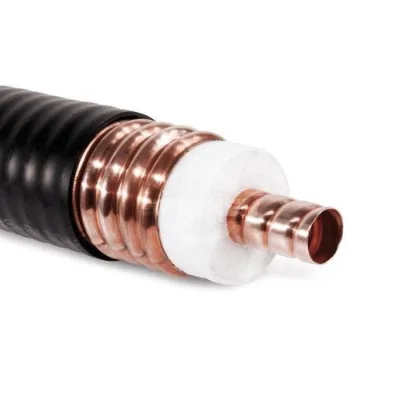
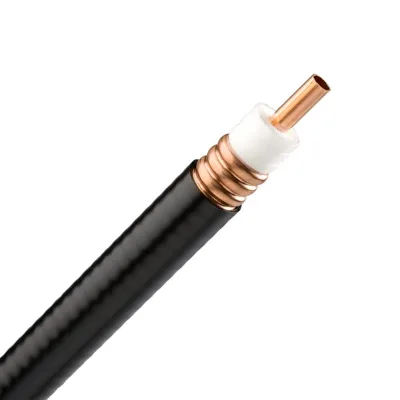
The industrial cable market presents a wide array of products labeled as "feeder cables," ranging from 1/2" to 1-5/8" coaxial RF cables to specialized aluminum and copper conductors. Observed listings indicate a significant variation in application, with some products designated for local communication, RF transmission, or even yarn feeding, while others are marketed as general-purpose industrial components. For a Heidelberg press application, the relevant scope likely involves high-flexibility, shielded cables capable of withstanding repeated bending cycles and mechanical tension. Buyers should scrutinize product names and model numbers closely; generic terms like "Feeder Cable" may refer to telecommunications infrastructure rather than press automation, requiring careful cross-referencing with the press’s technical manual to avoid procurement errors.
Market signals suggest that suppliers often offer customization services, including OEM/ODM capabilities, which can be advantageous for sourcing non-standard or legacy press components. The observed presence of products with specific inner and outer conductor diameters, such as 4.80mm inner conductors or 13.80mm outer conductors, highlights the importance of dimensional accuracy. Additionally, the variety of jacket materials, including Polyethylene (PE) and Foamed PE, indicates that environmental resistance and electrical properties vary significantly between products. Buyers must determine whether their specific press application requires the low-loss characteristics of RF-grade coaxial cables or the mechanical robustness of heavy-duty power feeder cables, as the wrong selection can lead to signal degradation or mechanical failure in the main cabinet.
Technical Specifications to Verify
Dimensional accuracy is the primary technical constraint when sourcing feeder cables for printing presses. The inner conductor diameter, outer conductor diameter, and overall jacket thickness must match the original equipment manufacturer (OEM) specifications to ensure proper fitment within the press’s cable carriers and connectors. Observed data for similar industrial feeder cables shows inner conductors ranging from 4.80mm to 9.45mm and outer conductors up to 25.00mm, underscoring the need for precise measurement. Buyers should request detailed cross-sectional diagrams or physical samples to verify that the conductor material, whether bare copper or aluminum, and the insulation thickness align with the press’s electrical and mechanical requirements. Mismatches in these dimensions can cause installation difficulties, poor electrical contact, or premature wear due to friction against moving parts.
Mechanical performance characteristics, particularly bending radius and tensile strength, are critical for cables subjected to continuous motion in the main cabinet. Products designed for high-flex applications often specify parameters such as single bending radius and repeated bending cycles, with some industrial cables rated for 120mm single bends and 250 cycles of repeated bending. The maximum pulling strength, observed in some listings at 1450N, provides a benchmark for installation safety, ensuring the cable can withstand the tension of routing through complex cabinet pathways without damage. Buyers must verify that the selected cable’s jacket material, such as Polyethylene or specialized compounds, offers sufficient abrasion resistance and flexibility to endure the dynamic stresses of the printing process. Additionally, the weight per kilometer, which can range from 240kg/km to 380kg/km, influences the load on cable carriers and must be considered in the overall system design.
Compliance and Safety Documentation
Regulatory compliance is a non-negotiable aspect of sourcing industrial components, particularly those used in machinery that interacts with human operators and sensitive electronic systems. Certifications such as RoHS, CE, and ISO 9001 are commonly observed in the feeder cable market, indicating adherence to environmental standards, European safety directives, and quality management systems. For a Heidelberg press, which is often deployed in global markets, ensuring that the feeder cable meets CE marking requirements is essential for legal operation and safety compliance. Buyers should request valid certification documents from suppliers to verify that the materials used in the conductor, insulation, and jacket are free from restricted substances and meet the necessary electrical safety standards.
Quality assurance documentation, including ISO 9001:2015 certification, provides assurance that the supplier follows consistent manufacturing processes, which is crucial for maintaining the reliability of critical press components. While some listings mention SGS or other quality certifications, buyers should prioritize suppliers who can provide detailed test reports for electrical performance, such as impedance and attenuation, if the cable is used for signal transmission. For power or control cables, verification of flame retardancy and temperature ratings is equally important. Buyers must ensure that the supplier’s quality management system covers the entire production process, from raw material sourcing to final packaging, to minimize the risk of defects that could lead to unplanned downtime in the printing facility.
Cost Drivers and Commercial Terms
The cost of feeder cables is influenced by several factors, including the type of conductor material, the complexity of the insulation structure, and the volume of the order. Observed price ranges in the industrial cable market span from $0.10 to $300,000, reflecting the vast difference between simple wire assemblies and complex, high-specification coaxial systems. For Heidelberg press components, the cost is likely driven by the precision of the manufacturing process and the specific material grades required for durability and performance. Buyers should expect higher unit costs for customized or OEM-specified cables compared to generic off-the-shelf alternatives, but this investment is justified by the reduced risk of failure and the extended service life of the component.
Commercial terms, including Minimum Order Quantity (MOQ) and delivery times, play a significant role in the procurement strategy. MOQs in the observed market range from 1 to 5,000 units, allowing for flexibility in ordering small quantities for repairs or larger batches for inventory management. Delivery times can vary, with some suppliers offering rapid turnaround times of 3 days for standard items, while custom orders may require longer lead times. Buyers should negotiate clear payment terms, such as TT (Telegraphic Transfer), and establish expectations for packaging, which may include wood spools or cartons to protect the cable during transit. Understanding these commercial variables helps in planning inventory levels and minimizing the financial impact of supply chain disruptions.
Supplier Qualification and Quality Control
Evaluating supplier qualifications is essential to ensure that the feeder cable meets the rigorous demands of Heidelberg printing presses. Buyers should prioritize suppliers with a proven track record in manufacturing industrial or specialized cables, as evidenced by their certifications and product portfolios. The presence of OEM/ODM services indicates that the supplier has the engineering capability to produce custom solutions, which may be necessary for legacy or unique press models. Buyers should request references or case studies from similar industrial applications to verify the supplier’s ability to deliver consistent quality and technical support. Additionally, verifying the supplier’s origin, such as manufacturing in Zhejiang, China, can provide insights into their supply chain efficiency and cost structure.
Quality control processes should be a key criterion in supplier selection. Buyers should inquire about the supplier’s testing procedures for electrical performance, mechanical durability, and material composition. A robust quality control system includes incoming material inspection, in-process monitoring, and final product testing to ensure that every cable meets the specified standards. Buyers may also consider conducting their own incoming quality inspections upon receipt of the goods, checking for dimensional accuracy, visual defects, and packaging integrity. Establishing a clear communication channel with the supplier for technical queries and issue resolution is also vital, as it facilitates quick responses to any problems that may arise during installation or operation.
Long-Term Procurement Checks
Establishing a long-term procurement strategy for feeder cables involves regular performance monitoring and supplier relationship management. Buyers should track the service life of the installed cables, noting any issues related to wear, signal degradation, or mechanical failure. This data can be used to evaluate the quality of the current supplier and identify opportunities for improvement or alternative sourcing. Regular audits of the supplier’s quality management system and production capabilities can help ensure that they continue to meet the evolving needs of the printing operation. Maintaining a buffer stock of critical cables can also mitigate the risk of production delays due to supply chain disruptions.
Continuous engagement with the supplier for technical updates and product improvements is beneficial for staying ahead of potential obsolescence issues. As printing technology evolves, suppliers may introduce new materials or designs that offer enhanced performance or durability. Buyers should participate in these discussions to assess the relevance of new products to their specific press models. Additionally, reviewing commercial terms periodically can help identify opportunities for cost savings or improved service levels. By maintaining a proactive approach to procurement, buyers can ensure the reliable operation of their Heidelberg presses and minimize the total cost of ownership over the long term.
FAQs
What certifications are available for feeder cables?
Feeder cables typically carry RoHS, ISO, and CE certifications to ensure compliance with international standards. Quality certifications often include ISO 9001 and SGS verification. These documents confirm material safety and manufacturing quality. Buyers should request specific certificates to verify that the products meet their regional regulatory requirements and industry standards for communication infrastructure.
Can these cables be customized for specific projects?
Yes, customization is available for feeder cables to meet unique project requirements. Manufacturers often offer OEM and ODM services to tailor specifications. This includes adjusting conductor types, jacket materials, or packaging formats. Buyers can specify dimensions or performance needs to ensure the final product integrates seamlessly into their existing communication systems or infrastructure networks.
What is the typical lead time for delivery?
The standard delivery time for these feeder cables is approximately three days. This rapid turnaround supports urgent procurement needs for communication infrastructure projects. However, lead times may vary based on order volume and customization requirements. Buyers should confirm specific schedules with suppliers to ensure timely arrival at their destination for installation and deployment.
What materials are used in the cable construction?
The inner conductor is typically made of bare copper wire, while the outer conductor may use aluminum. The jacket and sheath are often constructed from polyethylene or foamed PE for durability. These materials provide excellent electrical performance and environmental resistance. The combination ensures reliable signal transmission for coaxial and RF cable applications in various communication settings.
What packaging options are provided for shipping?
Feeder cables are commonly packed on wood spools, with lengths such as 500 meters per spool. Some variants may use carton packaging for smaller quantities or specific handling needs. This packaging protects the cable during transit and storage. Buyers should verify packaging details to ensure compatibility with their logistics infrastructure and unloading capabilities at the destination site.
Where are these feeder cables manufactured?
These feeder cables are manufactured in Zhejiang, China, a major hub for cable production. This region offers established supply chains and manufacturing expertise. Buyers can source directly from factories in this location to benefit from competitive pricing and efficient logistics. The origin ensures access to a wide range of specifications and customization options for global procurement needs.