Source Heli Forklift Control Panel for Electric, Diesel, and Warehouse Use
Explore 30 listings for the Heli Forklift Control Panel, including direction switches and controllers for electric and diesel models. Compare specifications such as voltage, weight, and packaging to find suitable parts for Heli forklift maintenance and repair; compare the available evidence and request quotations based on your requirements.
Key considerations
Products List


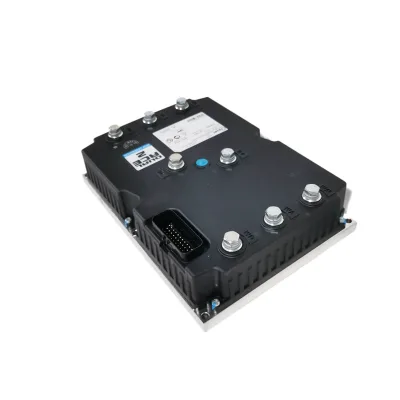
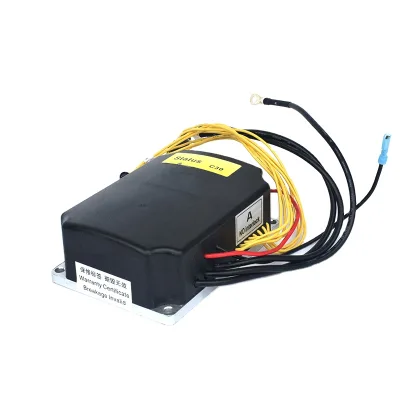
Genuine Forklift Control System Part Controller Curtis Controller for Heli Hangcha
$195.00 - $220.00
MOQ: 10 Pieces






Comprehensive Sourcing Guide
Heli Forklift Control Panel Sourcing Guide
Sourcing a Heli Forklift Control Panel requires careful attention to specific model compatibility and electrical ratings, as the market offers diverse components ranging from simple direction switches to complex controllers. Buyers must verify that the listed product matches the exact forklift series, such as the 1-1.5t Heli models, to ensure seamless integration with existing hydraulic and electrical systems. The observed listings indicate a wide variance in specifications, including 24V systems with 250A ratings and 48V controllers with 420A capacities, necessitating precise matching before purchase.
Procurement decisions should also account for the physical condition and packaging standards of the components to prevent transit damage. While some suppliers offer genuine OEM parts with robust carton packaging and foam inserts, others may list items in nude packing or simple boxes, which affects the risk profile during international shipping. Buyers need to confirm whether the item is a new, original part or an aftermarket equivalent, as this distinction directly impacts the operational reliability and expected lifespan of the forklift control system.
Product Scope and Observed Listing Signals
The product scope for Heli forklift control panels encompasses a variety of critical electrical components, including direction switches, lift-top codes, and full controller units designed for specific voltage and current loads. Listings frequently highlight applications for electric forklifts, with specific model numbers like Fxk-II-06q and AC-1 24/250A indicating distinct functional roles within the machine's architecture. These signals help buyers distinguish between minor replacement parts and major system upgrades, ensuring the selected component addresses the specific failure point or upgrade requirement.
Observations of listing attributes reveal significant variation in customization options and delivery timelines, which can influence the urgency of the procurement process. Some suppliers offer customized solutions with delivery times as short as one to three days, while others provide standard items with lead times extending up to fifteen days. Buyers must evaluate whether the immediate availability of a non-customized part outweighs the potential benefits of a tailored solution, considering that the standard delivery window typically ranges from zero to fifteen days depending on the specific supplier's logistics capabilities.
Technical Specifications to Verify
Technical verification begins with confirming the electrical parameters, specifically the voltage and current ratings, which are critical for the safe operation of the forklift's control system. The market data shows specific configurations such as 24V/250A and 48V/420A, which must align perfectly with the forklift's battery and motor specifications to prevent electrical failures or component burnout. Buyers should cross-reference the listed model numbers, such as H2b 48V/420A, against the machine's manual to ensure the control panel can handle the required load without overheating or malfunctioning.
Physical dimensions and weight are equally important factors that affect installation and compatibility within the confined spaces of a forklift cabin. Listings indicate weights ranging from 0.3kg for smaller switches to 3.5kg for heavier controller units, with standard dimensions like 230*285MM provided for certain models. Procurement teams must verify that the physical footprint and mounting points of the new control panel match the existing chassis design, as discrepancies in size or weight distribution can lead to installation difficulties or compromised structural integrity during operation.
Compliance and Safety Documentation
Compliance and safety documentation are essential for ensuring that the control panel meets international safety standards and regulatory requirements for industrial equipment. While some listings explicitly mention ISO and CE certifications, buyers must treat these as observations rather than guaranteed attributes for every unit, requiring direct verification of the specific batch or model. The presence of certifications like ISO: CE suggests adherence to quality management and safety protocols, but the absence of such documentation in a listing should trigger a request for proof before finalizing the order.
Safety verification also extends to the condition and origin of the components, which can impact liability and operational safety in a warehouse environment. Products are often listed as new, original, or genuine, with origins ranging from China to Italy, indicating different manufacturing standards and quality control processes. Buyers should request detailed condition reports and origin certificates to confirm that the control panel has not been refurbished or altered in ways that could compromise its safety performance, ensuring it meets the rigorous demands of heavy-duty forklift operations.
Cost Drivers and Commercial Terms
Cost drivers for Heli forklift control panels are heavily influenced by the complexity of the component, the authenticity of the part, and the specific customization requirements. Genuine OEM parts and complex controllers with high current ratings typically command higher prices, ranging from one to six thousand USD, while simpler switches or standard replacements may fall at the lower end of this spectrum. Buyers must analyze the total cost of ownership, considering that a cheaper, non-genuine part might lead to higher maintenance costs or premature failure, ultimately increasing the overall expense.
Commercial terms, including minimum order quantities and delivery schedules, play a crucial role in the financial planning of the procurement process. The observed MOQ ranges from one piece to ten pieces, offering flexibility for small-scale repairs or larger fleet upgrades, while delivery times vary from immediate one-day dispatch to two-week standard shipping. Procurement managers should negotiate terms that align with their inventory strategy, balancing the need for rapid replacement against the cost benefits of bulk ordering, while ensuring that the transportation method, such as air delivery or LCL, fits within the project budget.
Supplier Qualification and Quality Control
Supplier qualification requires a rigorous assessment of the vendor's ability to provide consistent quality and reliable support for specialized forklift components. Buyers should prioritize suppliers who explicitly state their quality standards, such as offering genuine or OEM parts, and who provide clear warranty periods, such as the 180 days observed in some listings. Establishing a relationship with a supplier that demonstrates a track record of delivering authentic parts is essential for maintaining the operational integrity of the forklift fleet and minimizing downtime due to component failure.
Quality control measures must be integrated into the procurement workflow to ensure that the received control panels meet the specified technical and physical requirements. This includes verifying the packaging integrity, such as strong boxes with foam inserts, to prevent damage during transit, and conducting incoming inspections to confirm the model numbers and electrical ratings match the order. Buyers should implement a checklist that covers physical inspection, documentation review, and functional testing where possible, ensuring that every component received is fit for immediate installation and operation.
Long-Term Procurement Checks
Long-term procurement checks involve establishing a systematic approach to monitor the performance and reliability of the control panels over their operational lifespan. Buyers should track failure rates and maintenance costs associated with specific models and suppliers to identify patterns that may indicate quality issues or compatibility problems. This data-driven approach allows for the refinement of sourcing strategies, ensuring that future purchases are based on proven performance rather than initial marketing claims or short-term availability.
Sustainability and supply chain resilience are also critical considerations for long-term procurement planning, particularly given the global nature of the forklift parts market. Buyers should assess the supplier's ability to maintain consistent stock levels and provide timely replacements, especially for critical components like controllers that can halt operations if unavailable. Developing a diversified supplier base and maintaining clear communication channels ensures that the organization can adapt to market fluctuations and maintain a steady supply of high-quality control panels for its fleet.
FAQs
What is the standard delivery time for Heli Forklift Control Panel parts?
The standard delivery time ranges from 0 to 15 days for most orders. Some specific components, such as direction switches, may have a faster turnaround of 1 to 3 days. This rapid processing ensures minimal downtime for your forklift operations. Buyers should confirm exact lead times with suppliers based on stock availability and shipping method selected for urgent requirements.
Can I customize Heli Forklift Control Panel components for specific models?
Yes, customization is available for many Heli Forklift Control Panel parts. Suppliers offer both customized and non-customized options to fit various forklift models. You can specify unique requirements to ensure compatibility with your existing equipment. This flexibility allows for precise integration of control systems, enhancing operational efficiency and safety for specialized industrial applications and diverse fleet configurations.
What certifications are typically provided for Heli Forklift Control Panel products?
Products often come with ISO and CE certifications to ensure quality and safety standards. These credentials verify that the control panels meet international regulatory requirements for industrial machinery. Buyers can rely on these certifications for compliance in global markets. Always verify specific certification documents with the supplier to ensure they match your local regulatory needs and operational safety protocols.
What is the minimum order quantity for Heli Forklift Control Panel parts?
The minimum order quantity typically starts at 1 piece for most items. This low MOQ allows buyers to purchase single units for repairs or replacements without committing to large volumes. It provides flexibility for small-scale maintenance needs. Suppliers generally accommodate these small orders efficiently, ensuring that even minor component replacements are accessible and cost-effective for various business sizes.
How are Heli Forklift Control Panel parts packaged for shipping?
Parts are packaged using carton boxes, strong boxes with foam inside, or nude packing depending on the item. This varied packaging ensures protection during transit via air delivery, LCL, or FCL. Secure packaging prevents damage to sensitive electronic components like controllers and switches. Buyers should request specific packaging details to ensure safe arrival and proper handling of their orders.
What voltage specifications are common for Heli Forklift Control Panel components?
Common voltage specifications include 24V and 48V for various electric forklift models. Current ratings often range from 250A to 420A depending on the specific controller or switch. These electrical parameters must match your forklift's system requirements for proper functionality. Always verify the voltage and current specs against your equipment manual to ensure compatibility and safe operation of the control panel.