Source Hemp Cotton Blend Fabric for Apparel, Quilting, Upholstery
Compare 30 listings of Hemp Cotton Blend Fabric suitable for apparel, quilting, and upholstery. Buyers can review specifications like GSM, weave type, and MOQ to find the right material for garment or home textile projects.
Key considerations
Products List


Hot Selling Woven Plain Dyed Linen Cotton Blend Fabric Fabric for Cloth
$3.70 - $3.90
MOQ: 1000 Meters

Wholesale Cotton Linen Blend Fabric Woven for Clothing Use Cotton Linen Fabric
$1.35 - $1.45
MOQ: 1000 Meters


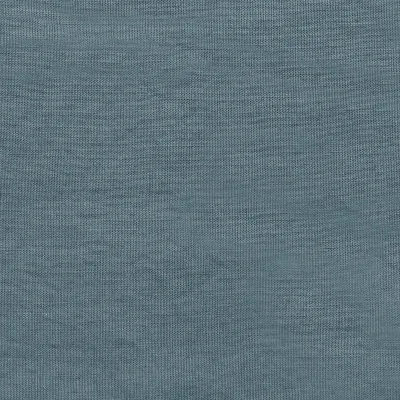


Multicolor High Quality Dyed 45%Cotton 55%Linen Blended Shirting Fabric
$0.75 - $1.65
MOQ: 3000 Meters
Comprehensive Sourcing Guide
Strategic Sourcing Guide for Hemp Cotton Blend Fabric Procurement
Navigating the global market for Hemp Cotton Blend Fabric requires a disciplined approach that balances the unique sustainability benefits of natural fibers with the structural reliability of cotton. For procurement professionals, the core challenge lies in distinguishing between generic fabric descriptions and verified product specifications that align with specific manufacturing needs. The available market data indicates a diverse range of offerings, from knitted jersey styles suitable for apparel to heavy-duty woven structures designed for upholstery and industrial applications. This guide outlines the critical technical, compliance, and operational factors buyers must evaluate to secure a reliable supply chain for hemp cotton blend materials.
Technical Specifications and Fabric Construction
The technical definition of a hemp cotton blend is not monolithic; it varies significantly based on the intended end-use and the specific weaving or knitting techniques employed. In the current market, buyers encounter distinct product categories defined by their construction method. One prevalent category utilizes knitted or jersey technics, often associated with apparel and t-shirt applications. These fabrics typically feature a solid or plain pattern and are constructed from materials that include cotton and hemp fibers. The flexibility of knitted structures makes them ideal for garments requiring stretch and comfort, though the specific blend ratio is often a variable that must be confirmed with the supplier.
Conversely, a significant portion of the market offers woven fabrics, which are essential for applications ranging from quilting and upholstery to heavy-duty garment construction. Woven hemp cotton blends often adhere to specific standard specifications regarding yarn count and weave density. For instance, observed market standards include configurations such as CVC 55/45 blends with a 45x45 yarn count and a plain weave structure, or T/C (Twill Cotton) blends with ratios like 65/35 or 80/20. These woven variants frequently feature twill patterns, which provide enhanced durability and a distinct texture compared to plain weaves.
When evaluating technical specifications, buyers must scrutinize the weight and width parameters, as these directly impact the fabric's drape, opacity, and suitability for different projects. The observed weight range for these fabrics spans from 18 to 150 GSM, indicating a vast spectrum of potential applications. Lighter weights around 18-20 GSM are suitable for summer apparel, while heavier weights approaching 150 GSM are appropriate for upholstery or industrial uses. Width is another critical dimension, with standard offerings typically falling between 58 and 60 inches. Buyers should verify that the width matches their cutting patterns to minimize waste. Furthermore, the yarn type, such as carded yarn, influences the fabric's surface texture and softness, which is a key consideration for high-end apparel versus rugged industrial goods.
Compliance, Certification, and Material Verification
In the realm of sustainable textiles, compliance and certification are paramount, yet they require careful verification against actual product data. While background knowledge often references certifications like GOTS (Global Organic Textile Standard) or Oeko-Tex, these should not be assumed as standard features of every hemp cotton blend listed in a catalog. The presence of hemp and cotton in a fabric does not automatically guarantee organic status or the absence of harmful substances. Procurement teams must treat certification claims as assertions that require independent validation rather than inherent product attributes.
Buyers should explicitly request proof of certification from suppliers before finalizing orders. If a supplier claims their hemp cotton blend is GOTS certified, the buyer must verify the certificate number and the scope of the certification to ensure it covers the specific production batch. Similarly, for Oeko-Tex standards, which focus on the absence of harmful substances, verification is necessary to ensure the fabric meets safety requirements for direct skin contact, particularly for apparel and home textile applications. Without explicit documentation, the material should be treated as conventional cotton and hemp, which may contain residual pesticides or chemical treatments from the processing stage.
Additionally, the "Made to Order" or "Supply Type" status of a product often implies a customized production run. In such cases, compliance checks become even more critical because the chemical treatments and dyeing processes may vary from batch to batch. Buyers should ensure that the supplier's quality management system includes regular testing for compliance with relevant international standards, regardless of whether the product is marketed as organic or conventional. The absence of a specific certification claim in a product listing should not be interpreted as a negative; rather, it signals a need for the buyer to define their own compliance requirements and request third-party testing reports.
Cost Drivers and Pricing Dynamics
Understanding the cost structure of Hemp Cotton Blend Fabric is essential for budgeting and negotiating effective procurement strategies. The price of these fabrics is influenced by several variables, including the fiber blend ratio, the complexity of the weave, the weight of the material, and the scale of the order. The observed market data suggests a price range of 0 to 15 USD, but this wide variance likely reflects differences in quality, weight, and order volume rather than a uniform pricing structure.
One of the primary cost drivers is the raw material composition. Hemp fibers are generally more expensive to process than conventional cotton due to the labor-intensive nature of extracting the fibers and the lower yield per acre. Consequently, a higher percentage of hemp in the blend typically increases the base cost of the fabric. The weight of the fabric also plays a significant role; heavier fabrics require more raw material per square meter, directly impacting the unit price. Buyers should expect that premium, high-density woven fabrics in the 100-150 GSM range will command higher prices than lightweight knitted jersey fabrics.
Order volume is another critical factor. The market data indicates a broad MOQ (Minimum Order Quantity) range, from as low as 1 unit to as high as 10,000 units or meters. Suppliers often offer tiered pricing structures where the unit cost decreases as the order volume increases. For buyers with smaller requirements, the "Small Orders: Accepted" attribute is a valuable feature, though it may come with a higher per-unit cost. Conversely, large-scale buyers can leverage their volume to negotiate better rates and potentially secure custom specifications. The "Supply Type" being "Made to Order" also implies that production costs are tied to the specific customization required, which can add to the overall expense compared to buying from existing stock.
Typical Applications and End-Use Suitability
Hemp cotton blend fabrics are versatile materials that serve a wide array of industries, from fashion and home decor to industrial manufacturing. The specific application depends heavily on the fabric's construction, weight, and finish. In the apparel sector, knitted or jersey-style hemp cotton blends are ideal for t-shirts and casual wear. The combination of hemp's durability and cotton's softness creates a fabric that is breathable, moisture-wicking, and comfortable against the skin. These fabrics are often used for solid or plain patterns, allowing for versatile dyeing and printing options.
For home textile applications, such as quilting and upholstery, woven hemp cotton blends are the preferred choice. The woven structure provides the necessary strength and stability to withstand the stresses of furniture use and frequent washing. The observed weight range of 20-150 GSM allows for a spectrum of home textile products, from lightweight curtains to heavy-duty upholstery covers. The "Abrasion-Resistant" feature noted in some product listings is particularly valuable for upholstery, ensuring the fabric maintains its integrity over time.
Industrial applications also utilize these blends, particularly where durability and sustainability are key. The robust nature of hemp fibers makes them suitable for industrial textiles that require resistance to wear and tear. The "Usage" attributes in the market data explicitly mention "Industrial, Home Textile, Garment," confirming the broad applicability of these materials. Buyers should match the fabric's technical specifications, such as weave type and weight, to the specific demands of their end product to ensure optimal performance.
Supplier Evaluation and Operational Considerations
Selecting the right supplier for Hemp Cotton Blend Fabric involves more than just comparing prices; it requires a thorough evaluation of the supplier's capabilities, reliability, and flexibility. The market data highlights several key operational attributes that buyers should assess. The "Origin" of the fabric is predominantly China, with specific regions like Shandong noted as production hubs. While this provides insight into the supply chain geography, buyers should verify the specific factory location and its capacity to meet their volume and quality requirements.
The "MOQ" (Minimum Order Quantity) is a critical operational constraint. The observed range of 1 to 10,000 units suggests that suppliers cater to both small startups and large enterprises. Buyers must align their order volume with the supplier's MOQ to avoid unnecessary costs or order rejections. The "Delivery Time" is another vital metric, with observed lead times ranging up to 25 days. For time-sensitive projects, buyers should confirm the current lead time and discuss potential expedited options. The "Sample" availability, such as free samples in 2 yards, is a valuable tool for quality verification before committing to a large order.
Furthermore, the "Customization" and "OEM" (Original Equipment Manufacturer) capabilities of the supplier are essential for brands seeking unique products. The data confirms that customization is available and OEM services are offered, allowing buyers to specify colors, patterns, and blends. However, buyers should clarify the extent of these customizations and any associated costs or lead time extensions. The "Product Packing" method, typically in rolls, should also be confirmed to ensure it meets the buyer's logistics and storage requirements.
Quality Control and Long-Term Procurement Strategy
Establishing a robust quality control (QC) protocol is fundamental to mitigating risks in Hemp Cotton Blend Fabric procurement. Given the natural variability of hemp and cotton fibers, consistent quality can be challenging to maintain. Buyers should implement a multi-stage QC process that includes pre-production sample approval, in-line inspection during manufacturing, and final random inspection before shipment. The "Feature" of being "Abrasion-Resistant" or having specific "Standard" specifications should be verified through independent testing rather than relying solely on supplier claims.
Long-term procurement strategies should focus on building strong relationships with suppliers who demonstrate consistency and transparency. The "Made to Order" nature of many products means that communication and collaboration are key to achieving the desired results. Buyers should maintain open lines of communication regarding production schedules, quality issues, and supply chain disruptions. Regular audits of the supplier's facilities and processes can help ensure ongoing compliance with quality and ethical standards.
Additionally, buyers should consider the environmental impact of their procurement decisions. While hemp is a sustainable crop, the processing and dyeing stages can have significant environmental footprints. Buyers should inquire about the supplier's environmental practices and seek partners who prioritize sustainable manufacturing methods. By combining rigorous quality control with a strategic approach to supplier relationships, buyers can secure a reliable supply of high-quality Hemp Cotton Blend Fabric that meets their specific needs and supports their sustainability goals.
FAQs
What materials are used in hemp cotton blend fabrics?
These fabrics are made from cotton and hemp fibers, sometimes blended with polyester. Some listings specify CVC or T/C ratios like 55/45 or 65/35. The yarn type is often carded, and the fabric weight ranges from 18 to 150 GSM depending on the intended use.
Can I order small quantities of Hemp Cotton Blend Fabric?
Yes, small orders are accepted by many suppliers, with Minimum Order Quantities starting as low as 1 unit. However, specific woven items may require larger volumes, such as 2000 meters or 5000 meters. Buyers should verify the exact MOQ for the specific model number they select.
Which production techniques are available for these fabrics?
Both knitted and woven techniques are available for hemp cotton blend fabrics. Knitted styles often feature jersey technics suitable for t-shirts, while woven options include plain and twill patterns. The choice depends on whether the fabric is intended for apparel or heavy-duty upholstery.
How long does it take to receive Hemp Cotton Blend Fabric?
The typical delivery time is within 25 days for most orders. This lead time applies to made-to-order items and may vary based on customization requirements. Buyers should confirm the specific schedule with the supplier before placing a large order to ensure timely arrival.
What is the standard width of Hemp Cotton Blend Fabric rolls?
The standard width for these fabric rolls typically falls between 58 and 60 inches. Some specific models are listed with widths of 58 or 59 inches. This dimension is crucial for planning cutting patterns and minimizing waste during garment or home textile production.
Are customization and OEM services available for these fabrics?
Yes, customization and OEM services are available for hemp cotton blend fabrics. Buyers can request specific colors, patterns, and blend ratios. The supply type is often made to order, allowing for tailored production runs that meet specific design and branding requirements.
Where are hemp cotton blend fabrics primarily manufactured?
These fabrics are primarily manufactured in China, with specific production hubs noted in regions like Shandong. The origin is consistently listed as China for the available product models. Buyers should verify the specific factory location if regional compliance or logistics are a priority.