Source Hemstitch White Linen Cocktail Napkins for Hotels, Weddings, Restaurants
Compare 30 listings for Hemstitch White Linen Cocktail Napkins from verified suppliers. Buyers can evaluate customization options, material quality, and pricing to find the best fit for hotel, wedding, and restaurant events; compare the available evidence and request quotations based on your requirements.
Key considerations
Products List


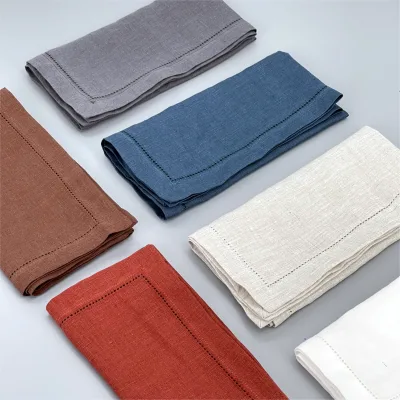
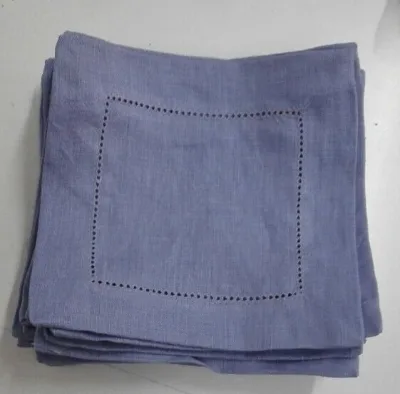
Cotton Napkins Cocktail Napkins Checkered Blue Tablecloth Cloth Napkins
$0.70 - $0.80
MOQ: 5000 Pieces


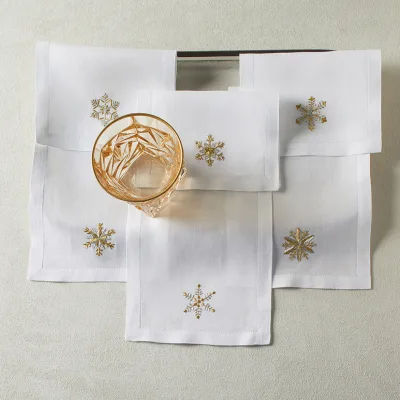
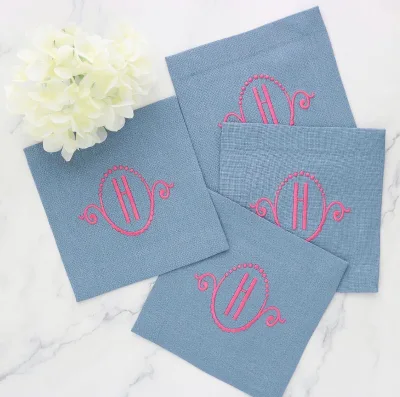
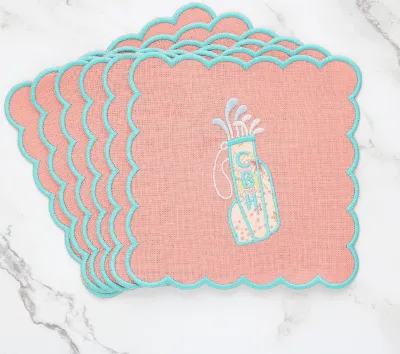
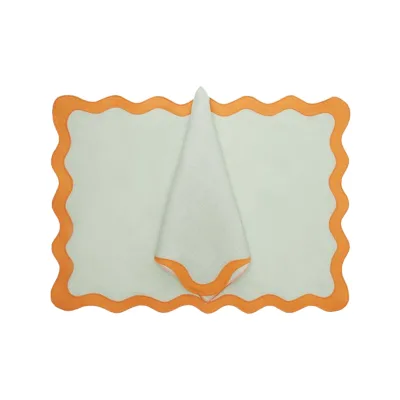






Comprehensive Sourcing Guide
Hemstitch White Linen Cocktail Napkins Sourcing Guide
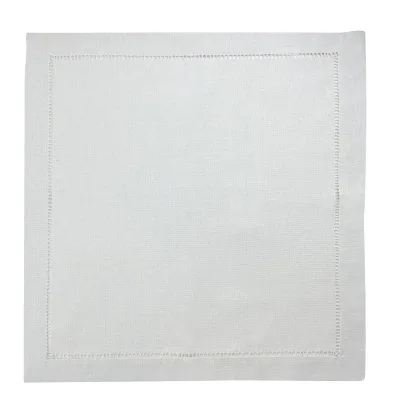
Sourcing high-quality Hemstitch White Linen Cocktail Napkins requires a nuanced understanding of textile craftsmanship and commercial logistics. Buyers must distinguish between genuine linen blends and synthetic imitations that mimic the drape and texture of natural fibers. The hemstitch technique, which involves pulling threads to create an openwork design, demands precise manufacturing control to prevent fraying and maintain structural integrity during repeated use. This decorative element elevates the napkin from a utilitarian item to a premium tableware accessory, suitable for upscale hospitality environments and formal events.
Procurement teams should prioritize suppliers who demonstrate expertise in both fabric selection and finishing techniques. The visual appeal of white linen relies heavily on the consistency of the weave and the cleanliness of the hemstitch edges. Buyers need to verify that the supplier uses high-grade linen or linen-cotton blends that offer the necessary durability for commercial laundering cycles. Understanding the balance between aesthetic detail and functional resilience is critical for selecting products that meet both brand standards and operational requirements in high-traffic settings.
Product Scope and Observed Listing Signals
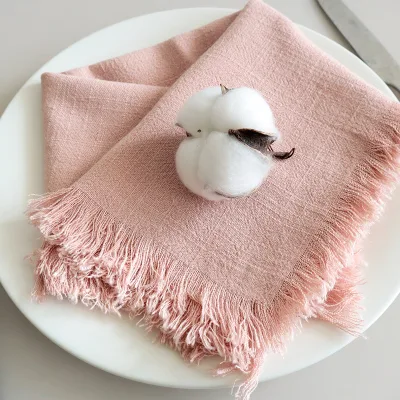
Market listings for these napkins often highlight specific material compositions and decorative features that signal quality. Observed data indicates a wide range of prices and minimum order quantities, reflecting the diversity of manufacturing capabilities. Buyers should note that some listings specify cotton or linen materials, while others emphasize printed or embroidered techniques. The presence of terms like "European style" or "simple modern" suggests a focus on aesthetic versatility, allowing these napkins to fit various interior design themes. It is essential to cross-reference these marketing terms with actual product samples to ensure the described style matches the physical item.
The observed minimum order quantities vary significantly, ranging from small batches for testing to large volumes for full-scale deployment. This variance allows buyers to scale their procurement strategy based on immediate needs and budget constraints. Listings often mention customization options for size, gram weight, and packaging, which are crucial for branding and logistical efficiency. Buyers must carefully review these customization parameters to ensure they align with their specific operational needs, such as hotel housekeeping standards or event catering requirements. Verifying the actual customization capabilities with the supplier is necessary to avoid discrepancies between quoted specifications and delivered goods.
Technical Specifications to Verify
Technical verification begins with confirming the fabric composition and weight, which directly impact the napkin’s feel and durability. Buyers should request detailed specifications regarding the GSM (grams per square meter) to ensure the fabric is substantial enough for cocktail service yet lightweight enough for easy handling. The hemstitch pattern must be examined for consistency, with no loose threads or irregular gaps that could compromise the aesthetic. Additionally, the colorfastness of the white fabric is critical, as it must withstand repeated washing without yellowing or fading. Suppliers should provide data on shrinkage rates to ensure the napkins maintain their dimensions after laundering.
The construction of the hemstitch itself requires close inspection to ensure it is secure and does not unravel during use. Buyers should verify whether the hemstitch is machine-made or hand-finished, as this affects both the cost and the precision of the design. The edge finishing, whether hemmed or raw, should be consistent and neat to prevent fraying. It is also important to check the packaging details, as proper protection during transit is essential to prevent creasing or damage to the delicate hemstitch areas. Confirming these technical details through sample evaluation is a non-negotiable step in the sourcing process.
Compliance and Safety Documentation
Compliance with safety and environmental standards is paramount, especially for products used in food service environments. Buyers must ensure that the linen napkins meet relevant textile safety regulations, such as OEKO-TEX standards, which certify that the fabric is free from harmful substances. This certification is particularly important for white napkins that may be treated with bleaches or dyes during manufacturing. Suppliers should provide up-to-date test reports that confirm the absence of hazardous chemicals, ensuring the safety of both staff and guests. Verifying these certifications helps mitigate liability and aligns with corporate sustainability goals.
In addition to chemical safety, buyers should inquire about the environmental impact of the production process. Sustainable sourcing of linen and eco-friendly manufacturing practices are increasingly valued by consumers and hospitality brands. Suppliers who can demonstrate responsible water usage and waste management during production offer a competitive advantage. Buyers should also check for any specific regional compliance requirements, such as REACH in Europe or CPSIA in the United States, depending on the target market. Ensuring full compliance with these standards protects the brand’s reputation and ensures smooth customs clearance.
Cost Drivers and Commercial Terms
Several factors influence the final cost of Hemstitch White Linen Cocktail Napkins, including material quality, labor intensity, and order volume. The hemstitch technique is labor-intensive, whether machine or hand-finished, which significantly impacts the unit price. Buyers should analyze the cost breakdown to understand how much is attributed to fabric, labor, and finishing. Higher GSM fabrics and premium linen blends will naturally cost more, but they offer better durability and a superior hand feel. Understanding these cost drivers allows buyers to make informed decisions about where to invest for the best value.
Commercial terms, such as payment conditions and shipping arrangements, also play a crucial role in the total cost of ownership. Buyers should negotiate favorable payment terms that align with their cash flow, such as partial payments upfront and the balance upon shipment. Incoterms should be clearly defined to determine who bears the risk and cost of transportation. Additionally, buyers should consider the cost of customization, such as logo embroidery or specific packaging, which may incur additional fees. Transparent communication about these terms helps avoid unexpected costs and ensures a smooth procurement process.
Supplier Qualification and Quality Control
Selecting a reliable supplier involves rigorous qualification and ongoing quality control measures. Buyers should assess the supplier’s production capacity, technical expertise, and track record in manufacturing high-quality textile products. Visiting the factory or conducting third-party audits can provide valuable insights into their operational standards and quality management systems. Suppliers with established quality control processes, including in-line inspections and final random inspections, are more likely to deliver consistent products. Building a strong relationship with a qualified supplier ensures long-term reliability and reduces the risk of supply chain disruptions.
Quality control should extend beyond the initial order to include regular monitoring of production batches. Buyers should implement a sampling plan to check for defects in the hemstitch, fabric consistency, and color accuracy. Clear acceptance criteria should be established and communicated to the supplier to ensure alignment on quality expectations. Feedback loops should be maintained to address any issues promptly and prevent recurrence. By prioritizing supplier qualification and robust quality control, buyers can secure a steady supply of premium napkins that meet their brand standards.
Long-Term Procurement Checks
Long-term procurement success depends on continuous evaluation and adaptation of sourcing strategies. Buyers should regularly review supplier performance metrics, such as on-time delivery rates, defect rates, and responsiveness to issues. These metrics provide objective data to assess the supplier’s reliability and identify areas for improvement. Regular communication with the supplier helps maintain a collaborative relationship and addresses any emerging challenges proactively. Staying informed about market trends and technological advancements in textile manufacturing can also provide opportunities for cost savings and product innovation.
As market demands evolve, buyers should remain flexible in their sourcing approach, considering alternative suppliers or materials if necessary. Diversifying the supplier base can mitigate risks associated with single-source dependencies. Buyers should also monitor regulatory changes and sustainability trends that may impact sourcing decisions. By maintaining a proactive and adaptive approach, buyers can ensure that their procurement of Hemstitch White Linen Cocktail Napkins remains efficient, cost-effective, and aligned with their long-term business objectives. Continuous improvement in sourcing practices is key to sustaining competitive advantage in the hospitality and event sectors.
FAQs
What materials are used for these cocktail napkins?
These napkins are available in cotton and linen materials. The linen options feature a weave technic and are designed for hotel and home use. Buyers can request customized gram weights to meet specific durability needs for their events.
Can I customize the size and weight of the napkins?
Yes, customization is available for size and gram weight according to your requirement. The product model allows for specific dimensions and weights ranging from 180GSM to 220GSM. This flexibility ensures the napkins fit your specific table settings perfectly.
How are the napkins cleaned and maintained?
The napkins support multiple cleaning methods including water wash, machine wash, hand wash, and dry clean. Some options are also wipeable or reusable for long-term use. This versatility makes them suitable for repeated use in hotels, restaurants, and home environments.
What is the minimum order quantity for these items?
The standard minimum order quantity is 1000 pieces for most configurations. However, observed listings show a broader range starting from 2 pieces up to 100,000 pieces depending on the specific supplier and product model selected. Buyers should verify the exact MOQ with the vendor.
Which features make these napkins suitable for outdoor events?
These napkins feature stain-resistant, heat-resistant, and fade-resistant properties ideal for outdoor use. They are also designed to be eco-friendly and anti-slip. The durable construction supports usage in weddings, parties, and outdoor gatherings without compromising on quality or appearance.
What packaging options are available for bulk orders?
Standard export packing is used, often with 1 piece per bag and 100 pieces per carton. Some models utilize a 1000 pieces per carton configuration. The packaging is designed to protect the napkins during shipping while maintaining their pristine condition for the end customer.
Are these napkins suitable for hotel and restaurant use?
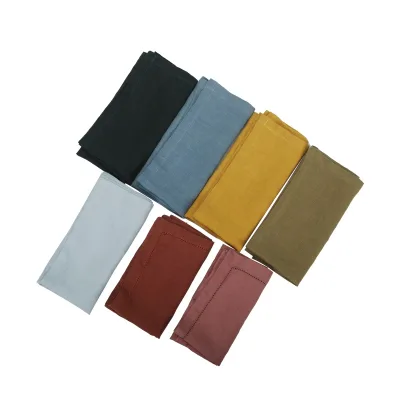
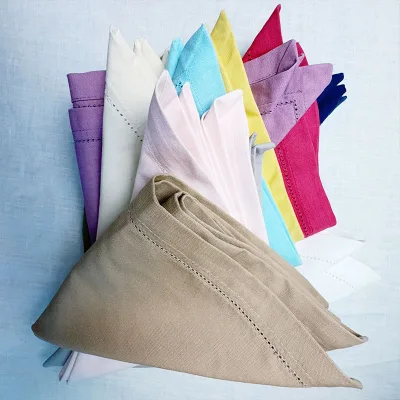
Yes, the napkins are explicitly designed for hotel, restaurant, and office applications. They feature a simple modern or European style and are available in white or colorful options. Their tear-resistant and durable nature makes them practical for high-volume commercial dining environments.