Source Hermetic Grain Storage Bags for Corn, Feed, and Seeds
Compare 30 listings of Hermetic Grain Storage Bags designed for corn, feed, and seeds. These options feature blow molding processes, recyclable materials, and customizable dimensions for effective storage solutions.
Key considerations
Products List


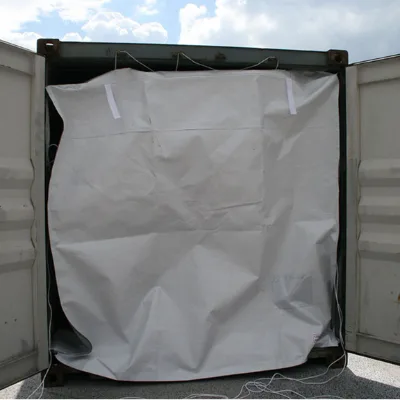
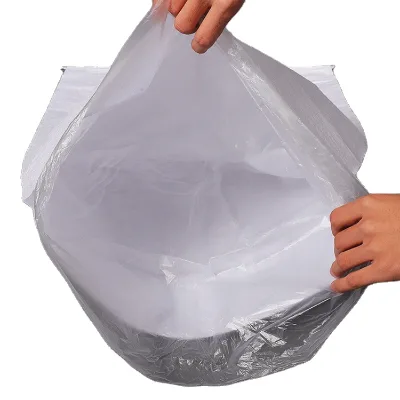
Hermetic Grain Storage Bags AG Bagging Silage Lona Silo Bag 9FT 10FT 12FT
$0.50 - $2.50
MOQ: 100 Pieces






Comprehensive Sourcing Guide
Strategic Sourcing Guide for Hermetic Grain Storage Bags
Procuring Hermetic Grain Storage Bags requires a precise understanding of material science, manufacturing capabilities, and supply chain logistics. These bags, often referred to as silage bags or grain storage bags, are engineered to create an oxygen-free environment that preserves agricultural commodities. The following guide synthesizes available product attributes and industry standards to assist buyers in evaluating potential suppliers and defining technical requirements without relying on unverified claims.
Understanding Material Composition and Structural Integrity
The foundation of effective hermetic storage lies in the polymer matrix and the extrusion process used to create the bag. Based on observed product data, the primary raw material is Low-Density Polyethylene (LDPE), a variant of Polyethylene (PE) known for its flexibility and durability. The manufacturing process is consistently identified as Blow Molding, a technique that produces a seamless tube which is then sealed at the ends. This method is critical for ensuring the structural continuity required to maintain hermetic conditions.
A key differentiator in high-performance bags is the layer structure. The supplied data indicates a "5 Layers Co-Extrusion" structure. In the context of hermetic storage, this multi-layer design is not merely a marketing term but a functional necessity. The co-extrusion process typically combines layers with different properties: an outer layer for UV resistance and mechanical strength, and inner layers specifically formulated to act as oxygen and moisture barriers. While specific chemical compositions of each layer are not listed in the provided facts, the presence of a 5-layer structure suggests a sophisticated approach to barrier performance compared to single-layer alternatives.
Buyers must verify that the "Soft" hardness attribute aligns with the intended application. A soft material allows the bag to conform tightly to the grain mass, eliminating air pockets that could lead to spoilage. The transparency is listed as "Opaque," which is a standard requirement for hermetic bags to block light, preventing photosynthesis in any remaining microorganisms and protecting the grain from heat buildup. The material is also noted as "Recyclable," an attribute that should be verified against local waste management regulations and sustainability goals.
Technical Specifications and Dimensional Variability
The physical dimensions of hermetic bags vary significantly based on the storage volume and the type of grain or feed being stored. The observed product data reveals a wide spectrum of specifications, indicating that suppliers offer highly customized solutions rather than a one-size-fits-all product.
| Specification Category | Observed Ranges and Options | Procurement Consideration |
|---|---|---|
| Thickness | 8mil, 9mil, 10mil, 200mic, 230mic, 240mic, 250mic | Thicker gauges (10mil/250mic) offer higher puncture resistance but may reduce flexibility. |
| Width / Diameter | 8FT to 12FT, 2.4m to 3.6m | Must match the diameter of the silage bag or the width of the storage floor. |
| Length | 30m to 500FT (approx. 150m), 60m to 150m | Length determines storage capacity; longer bags require heavier machinery for filling. |
| Standard Sizes | 9ft200ft9mil, 8′, 9′, 10′, 12′ | Standard sizes may reduce lead times and unit costs compared to custom cuts. |
The data shows thickness options ranging from 8mil to 10mil, with metric equivalents listed up to 250mic. This variation allows buyers to select a gauge based on the sharpness of the grain (e.g., corn kernels can be abrasive) and the expected storage duration. For long-term storage of heavy loads like corn or feed, the thicker options (10mil/250mic) are generally preferred to prevent micro-tears.
Width and diameter specifications are equally critical. The observed range spans from 8 feet to 12 feet (approximately 2.4 meters to 3.6 meters). The "Diameter" specification often refers to the inflated tube size, while "Width" may refer to the flat width before inflation. Buyers must ensure that the selected width matches their filling equipment. The length specifications are equally diverse, ranging from 30 meters to 500 feet. This flexibility allows for the creation of storage silos of varying capacities, from small-scale farm storage to large industrial silos.
Compliance, Certification, and Quality Assurance
When sourcing agricultural packaging, compliance with international quality management systems is a primary indicator of supplier reliability. The provided facts explicitly mention "ISO9001:2015" certification. This standard signifies that the supplier has a documented quality management system in place to ensure consistent product quality and process control. While the data also lists "ISO14000" and "reach" in low-confidence sections, buyers should prioritize the ISO9001:2015 verification as it directly relates to manufacturing consistency.
Beyond general quality management, specific product standards are observed. The "prod_standard" field lists "9mil/10mil" and "8′, 9′, 10′, 12′," which serve as internal or industry benchmarks for the product's physical attributes. Buyers should request test reports that validate these standards against actual measurements, as nominal thickness can differ from actual thickness due to manufacturing tolerances.
The "Making Process" is listed as both "Blow Molding" and "Plastic Packaging Bags," reinforcing the manufacturing method. To ensure the hermetic seal is effective, buyers should inquire about the sealing process used at the ends of the bags. While not explicitly detailed in the facts, the "5 Layers Co-Extrusion" structure implies that the sealing process must be capable of fusing these multiple layers without compromising the barrier properties.
Cost Drivers and Economic Factors
The cost of Hermetic Grain Storage Bags is influenced by several variables, including raw material prices, dimensional specifications, and order volume. The observed price range in the market data spans from $0.03 to $3800 USD. This vast range reflects the difference between a single sample unit and a full pallet of large-diameter, long-length bags.
The Minimum Order Quantity (MOQ) is another significant cost driver. The data indicates an MOQ range of 1 to 20,000 units, with specific observations of 10 to 20 pieces and 10 bags. For buyers with smaller storage needs, suppliers offering low MOQs (e.g., 10 bags) are essential to avoid excessive inventory costs. Conversely, large-scale agricultural operations can leverage economies of scale by ordering in bulk, potentially reducing the unit cost significantly.
Lead times also impact the total cost of ownership. The observed delivery times range from 15 to 30 days. Longer lead times may require buyers to maintain higher safety stock levels, increasing working capital requirements. The "Fumigated Pallets with Box" and "Carton" packaging options suggest that logistics costs will vary based on the density of the packaging. Buyers should calculate the total landed cost, including freight, by considering the packaging efficiency and the dimensions of the pallets.
Supplier Evaluation and Operational Capabilities
Selecting the right supplier involves more than just comparing price lists. Buyers must evaluate the supplier's ability to meet specific customization needs. The data confirms that "Customization" is available, including "Customized Logo," "Customized Color" (Black/White, Black/Green), and "Customized Thickness." This flexibility is crucial for branding and specific agricultural requirements.
The "OEM" (Original Equipment Manufacturer) status is listed as "Ok," indicating that suppliers are willing to produce goods under the buyer's brand. This is a vital capability for distributors and large agricultural cooperatives. Additionally, the "Sample" attribute is noted as "Free," which allows buyers to physically test the product's hermetic properties, flexibility, and sealing integrity before committing to a large order.
Geographic origin is another factor. The product origin is listed as "Shandong" and "China." While this provides a general location, buyers should verify the specific factory address to assess proximity to ports and logistics infrastructure. The "prod_packing" details, such as "One Piece for One Carton" or "Polybag & Carton," should be reviewed to ensure they meet the buyer's shipping and storage requirements.
Typical Applications and Usage Scenarios
The primary application for these bags is "Grain Storage," specifically for "Corn, Feed, Seeds," and "Storage of animal feed and grain." The "Shape" is identified as "Plastic Bags" and "Silage Bags," confirming their use in agricultural contexts. The "Use" attribute explicitly mentions "Storage for Corn, Feed, Seeds," highlighting the versatility of the product across different types of agricultural commodities.
The hermetic nature of these bags makes them suitable for long-term storage where traditional methods might fail due to pest infestation or mold growth. The "Recyclable" feature adds an environmental benefit, appealing to buyers with sustainability mandates. The "Black/White" and "Black/Green" color options are not merely aesthetic; they serve functional purposes. Black bags are often preferred for light-sensitive applications, while white or green bags may be used for specific visual identification or temperature management.
Long-Term Procurement and Quality Control Strategies
Sourcing hermetic bags is a long-term commitment that requires a robust quality control strategy. Buyers should establish a protocol for verifying the "5 Layers Co-Extrusion" structure through cross-sectional analysis. This ensures that the barrier layers are intact and that the co-extrusion process has been executed correctly.
Regular audits of the supplier's ISO9001:2015 certification are necessary to ensure ongoing compliance. Buyers should also request batch-specific test results for oxygen transmission rate (OTR) and water vapor transmission rate (WVTR) to confirm the hermetic performance. Given the "Soft" hardness and "Opaque" transparency, visual inspection of the bags for defects, such as pinholes or uneven thickness, should be a standard part of the incoming quality control process.
Finally, buyers should maintain a relationship with suppliers that offers "Free" samples and "Customized Logo" capabilities. This ensures that the supply chain remains flexible enough to adapt to changing agricultural needs or branding requirements. By focusing on the verified attributes of material, structure, and certification, buyers can secure a reliable supply of Hermetic Grain Storage Bags that protect their agricultural assets effectively.
FAQs
What material is used for Hermetic Grain Storage Bags?
These bags are made from Low-Density Polyethylene (LDPE), a variant of Polyethylene known for flexibility. The structure features five layers co-extruded to ensure durability and barrier performance against oxygen and moisture.
Which thickness options are available for these storage bags?
Available thickness ranges from 8mil to 10mil, with metric equivalents up to 250mic. Thicker gauges like 10mil offer higher puncture resistance suitable for abrasive grains like corn or long-term feed storage.
Can suppliers provide customized logos and colors for these bags?
Yes, suppliers accept customized logos and offer color options such as black, white, or green. Customization extends to thickness and dimensions to meet specific agricultural requirements and branding needs.
What is the typical lead time for delivery of these bags?
The delivery time typically ranges from 15 to 30 days depending on order volume. Buyers should account for this lead time when planning storage cycles to ensure timely availability of the product.
How do the dimensions of these bags vary for different needs?
Widths range from 8 feet to 12 feet, while lengths can extend up to 500 feet. These dimensions allow for flexible storage capacities tailored to small farms or large industrial silos.
Is ISO9001:2015 certification available for these manufacturers?
Yes, the products are certified under ISO9001:2015, indicating a documented quality management system. This certification ensures consistent manufacturing processes and reliable product quality for agricultural storage applications.
What are the minimum order quantities for purchasing these bags?
Minimum order quantities vary from 10 bags to 20,000 units depending on the supplier. Lower MOQs are available for testing samples, while bulk orders benefit from economies of scale.
Are free samples available for testing hermetic bag quality?
Free samples are available for buyers to verify product quality before placing large orders. This allows assessment of the soft texture, opacity, and sealing integrity required for effective grain preservation.