Source Forging Pipe Fitting Flange for Oil Gas and Power Plants
Compare 30 verified suppliers of Forging Pipe Fitting Flange made from carbon steel and aluminum alloy. Buyers can evaluate customization options, sealing surfaces, and delivery times for machinery parts and industrial applications; compare the available evidence and request quotations based on your requirements.
Key considerations
Products List


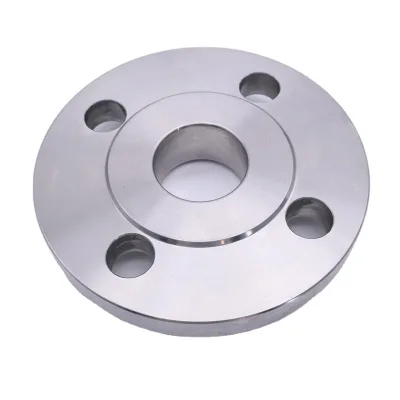


Customized Flange Forging with Carbon Steel/Alloy Steel/Stainless Steel
$1.00 - $200.00
MOQ: 500 Pieces

Stainless Steel Threaded Flange Pipe Fittings Class Forged Fitting Pipe Flange
$43.00 - $45.00
MOQ: 100 Pieces


Customized Flange Dimensions Stainless Steel Flange Fitting Pipe Forged Ring
$1.00 - $1000.00
MOQ: 1 Pieces


Comprehensive Sourcing Guide
Forging Pipe Fitting Flange Sourcing Guide
Procuring forged pipe fitting flanges requires a disciplined approach to material selection and manufacturing verification, as these components serve as critical pressure-containing joints in industrial piping systems. Buyers must prioritize suppliers who explicitly confirm the forging process, as this method ensures superior grain structure and mechanical integrity compared to cast alternatives. The observed market data indicates that carbon steel and aluminum alloy are the primary materials available, with specific aluminum grades such as 5083 and 6061 being common options for corrosion-resistant applications. Understanding the distinction between these material classes is essential for matching the flange to the operational environment, whether it involves high-pressure steam, corrosive chemicals, or structural machinery parts.
The sourcing landscape reveals a wide variance in customization capabilities and standard compliance, necessitating careful review of supplier declarations. Many manufacturers offer OEM services and accept custom drawings, allowing for tailored solutions that meet specific project requirements. However, buyers must verify that the supplier’s claimed standards, such as ANSI, DIN, or GOST, align with the engineering specifications of the end-use application. The presence of multiple standard references in listings suggests flexibility, but it also introduces the risk of misinterpretation if not explicitly confirmed in the purchase order. Establishing clear communication regarding these technical parameters early in the sourcing process prevents costly mismatches and ensures that the delivered components meet the necessary performance criteria for safety and reliability.
Product Scope and Observed Listing Signals
The current market for forged flanges presents a diverse array of product types, including welding flanges and threaded connection flanges, each suited to different installation methodologies. Listings frequently highlight round structures and flanged connections, indicating a focus on standard geometric forms that facilitate easy integration into existing piping networks. The observed price range of 0.1 to 1000 USD reflects significant variation based on size, material grade, and order volume, with minimum order quantities spanning from 1 to 10,000 units. This broad spectrum allows both small-scale maintenance projects and large-scale industrial deployments to find suitable suppliers, though buyers should be cautious of unusually low prices that may indicate compromised quality or non-forged manufacturing methods.
Packaging and logistics details observed in listings provide insight into supplier professionalism and handling capabilities. Common packaging methods include plywood cases, wooden boxes, and pallets, which are designed to protect the flanges from damage during transit. Some suppliers also mention brandrith packaging or carton loads onto crates, suggesting varied approaches to securing the goods for international shipping. The origin of these products is predominantly China, with specific loading ports like Tianjin mentioned, which can influence lead times and freight costs. Buyers should evaluate these logistical details alongside product specifications to ensure that the supplier can deliver the required quantity within the necessary timeframe while maintaining the integrity of the forged components.
Technical Specifications to Verify
Verifying the precise technical specifications of forged flanges is paramount to ensuring compatibility and performance in the final assembly. Buyers must confirm the sealing surface types, such as Raised Face (RF), Flat Face (FF), or Ring Joint (RJ), as these determine the gasket selection and bolt load requirements for the joint. The observed data indicates that sealing surfaces can be customized to order, which offers flexibility but requires explicit confirmation in the technical drawings. Additionally, the connection type, whether welding or threaded, must be strictly aligned with the piping design to prevent leaks or structural failures under pressure. Misalignment in these fundamental attributes can lead to significant installation delays and operational hazards.
Dimensional accuracy and tolerance levels are critical factors that distinguish high-quality forged flanges from substandard products. Suppliers often claim specific tolerances, such as +/-0.2mm for forging, which should be verified against relevant industry standards like ANSI or DIN. The model numbers observed, including FLGMG, DH, and OEM, serve as internal identifiers but do not replace the need for detailed dimensional drawings. Buyers should request certified mill test reports or material certificates to confirm that the carbon steel or aluminum alloy meets the specified chemical and mechanical properties. Ensuring that the manufacturing process adheres to these tight tolerances is essential for maintaining the structural integrity of the piping system under varying thermal and pressure conditions.
Compliance and Safety Documentation
Compliance with international standards and certifications is a non-negotiable aspect of sourcing forged pipe fitting flanges for industrial applications. The observed listings mention standards such as TUV, ISO 9001:2015, and various national standards like GOST, GB, and JIS, indicating a global market presence. Buyers must verify that the supplier holds valid certifications for the specific standards required by their project, as generic claims may not apply to the actual production batch. The presence of ISO 9001 certification suggests a structured quality management system, but it does not guarantee that every individual flange meets the rigorous demands of high-pressure service. Therefore, buyers should request evidence of third-party testing or inspection reports that validate compliance with the agreed-upon standards.
Safety documentation, including material traceability and pressure testing records, provides an additional layer of assurance for critical infrastructure projects. While specific test results are not detailed in the observed data, buyers should insist on documentation that proves the flanges have undergone necessary quality checks. This includes verification of the forging process, surface treatment like polishing, and any non-destructive testing performed on the final product. The ability to trace the material back to its original source is particularly important for carbon steel and aluminum alloys, as it ensures consistency in performance and durability. By demanding comprehensive safety documentation, buyers can mitigate risks associated with material failure and ensure that the flanges meet the highest safety standards for their intended application.
Cost Drivers and Commercial Terms
Understanding the cost drivers associated with forged flanges helps buyers negotiate better commercial terms and avoid unexpected expenses. The primary factors influencing price include the material cost of carbon steel or aluminum alloy, the complexity of the forging process, and the volume of the order. The observed minimum order quantities ranging from 1 to 10,000 units suggest that economies of scale play a significant role in pricing, with larger orders likely benefiting from lower per-unit costs. Additionally, customization options such as specific sealing surfaces or non-standard dimensions can increase production time and cost, so buyers should clearly define their requirements to obtain accurate quotes.
Commercial terms, including delivery time and payment conditions, are equally important in the sourcing decision. The observed delivery time of 20 days provides a baseline for planning, but buyers should confirm whether this applies to standard or customized products. Packaging costs, whether for plywood cases or pallets, may also be included in the final price or charged separately, so clarity on these details is essential. Buyers should also consider the impact of the loading port, such as Tianjin, on freight costs and insurance. By negotiating clear terms regarding lead times, packaging, and payment schedules, buyers can ensure a smooth procurement process and avoid disruptions in their supply chain.
Supplier Qualification and Quality Control
Supplier qualification is a critical step in ensuring the reliability and consistency of forged pipe fitting flanges. Buyers should assess the supplier’s manufacturing capabilities, including their experience with forging techniques and their ability to handle various materials like carbon steel and aluminum alloy. The observed data indicates that many suppliers are manufacturers who accept custom samples and drawings, which suggests a degree of flexibility and technical expertise. However, buyers must verify these claims through site audits or third-party inspections to ensure that the supplier’s facilities meet the required quality standards. This due diligence helps identify suppliers who can consistently produce high-quality flanges that meet the specified technical requirements.
Quality control processes, including in-process inspections and final product testing, are essential for maintaining product integrity. Buyers should inquire about the supplier’s quality control protocols, such as the use of statistical process control and non-destructive testing methods. The observed mention of polishing as a surface treatment indicates attention to detail, but buyers should also verify that other critical aspects, such as dimensional accuracy and material composition, are rigorously controlled. Establishing a clear quality agreement with the supplier, including acceptance criteria and rejection procedures, ensures that any deviations from the specified standards are addressed promptly. This proactive approach to quality control minimizes the risk of receiving defective products and ensures that the flanges perform reliably in service.
Long-Term Procurement Checks
Establishing long-term procurement checks is vital for maintaining the quality and reliability of forged pipe fitting flanges over time. Buyers should implement regular performance reviews of their suppliers, assessing factors such as delivery consistency, product quality, and responsiveness to issues. The observed customization capabilities and standard compliance suggest that suppliers can adapt to changing project requirements, but buyers must monitor these adaptations to ensure they do not compromise quality. By maintaining open communication and conducting periodic audits, buyers can identify potential issues early and work with suppliers to resolve them before they impact production. This ongoing engagement fosters a collaborative relationship that benefits both parties and ensures a stable supply of high-quality flanges.
Continuous improvement and feedback loops are essential for optimizing the procurement process and enhancing product performance. Buyers should collect data on the performance of the flanges in service, including any failures or maintenance issues, and share this information with their suppliers. This feedback can help suppliers refine their manufacturing processes and improve product design, leading to better performance and longer service life. Additionally, buyers should stay informed about changes in industry standards and regulations, ensuring that their procurement practices remain compliant with the latest requirements. By adopting a proactive and data-driven approach to long-term procurement, buyers can secure a reliable supply of forged flanges that meet their evolving needs and contribute to the overall success of their projects.
FAQs
What materials are used for these flanges?
Carbon steel and aluminum alloy are the primary materials used for these flanges. Specific aluminum grades include 5A03, 5A05, 5083, 6061, and 6082. These materials are selected for their durability and suitability in machinery parts applications, ensuring reliable performance under various industrial conditions and stress levels.
Can I get custom designs for these flanges?
Yes, customization is available for these flanges. The manufacturer accepts customized samples or drawings to meet specific requirements. This service allows buyers to tailor the product to their exact engineering needs, ensuring the final component fits perfectly within their assembly or piping system without compromising structural integrity.
What standards do these flanges comply with?
These flanges comply with multiple international standards including GOST, GB, DIN, ANSI, BSW, and JIS. The production adheres to ISO 9001:2015 certification and TUV standards. This flexibility ensures that the products meet diverse regulatory requirements across different global markets and specific industry applications for piping systems.
What is the typical delivery time for orders?
The typical delivery time for orders is 20 days. This lead time applies to standard production runs and customized orders alike. Buyers should plan their procurement schedules accordingly to ensure timely installation. Expedited options may be available depending on current factory capacity and specific order complexity.
How are these flanges packaged for shipping?
These flanges are packaged in plywood cases, wooden boxes, or on pallets. Some shipments may use brandrith packaging or cartons loaded onto crates. This robust packaging protects the flanges from damage during transit, ensuring they arrive in pristine condition ready for immediate installation in industrial piping systems.
What manufacturing process is used for these flanges?
These flanges are manufactured using a forging process. The molding technics involve pressure casting, and the processing object is metal. This method ensures high density and strength in the final product, making it suitable for demanding applications in machinery parts and high-pressure piping environments.