Source High Absorbent Cotton Nosebleed Stopper for Dental, Gynaecology, Ophthalmology
Find and compare 30 listings for High Absorbent Cotton Nosebleed Stopper suitable for dental, gynaecology, and ophthalmology applications. Buyers can evaluate specifications like size, material, and customization options from verified Chinese manufacturers.
Key considerations
Products List










Comprehensive Sourcing Guide
Strategic Sourcing Guide for High Absorbent Cotton Nosebleed Stoppers
Procuring high absorbent cotton nosebleed stoppers requires a disciplined approach that balances medical efficacy with supply chain reliability. In the B2B market, buyers must navigate a complex landscape where product attributes vary significantly between suppliers. The core objective is to identify vendors who can deliver sterile, hypoallergenic, and highly absorbent cotton products that meet specific regulatory standards for medical and first-aid applications. This guide outlines the critical factors for evaluating suppliers, analyzing product specifications, and ensuring compliance without relying on unverified marketing claims.
Technical Specifications and Material Composition
The foundation of a reliable nosebleed stopper lies in its material composition and physical dimensions. When sourcing high absorbent cotton products, the primary material must be verified as pure cotton or cotton wool. The supplied data indicates that effective products often utilize "Cotton Wool" or "Pure Cotton" as the base material, ensuring the necessary porosity for rapid blood absorption. Buyers should explicitly verify that the material is not a synthetic blend unless the specific application requires it, as pure cotton offers superior wicking properties for hemostasis.
Physical specifications are equally critical. The dimensions of the stopper directly impact its efficacy in nasal cavities. Observed specifications in the market include sizes such as 1038mm, 0.83.8cm, 1.03.8cm, and 1.23.8cm. These variations suggest that a one-size-fits-all approach is insufficient; procurement strategies must account for pediatric versus adult requirements. The thickness of the material, often observed around 0.5mm, also plays a role in comfort and absorption capacity. A product that is too thin may disintegrate prematurely, while one that is too thick may cause discomfort or blockage.
Furthermore, the color and pattern of the product can serve as quality indicators. Standard medical-grade cotton stoppers are typically white to allow for easy visual inspection of blood saturation. However, some listings indicate availability in solid colors like black or beige, which may be intended for specific aesthetic or branding purposes rather than clinical utility. Buyers should prioritize white, solid-color products for medical applications to ensure that any leakage or saturation is immediately visible. The product type is generally categorized as a disposable item, designed for single-use to prevent cross-contamination and infection.
Compliance and Certification Verification
In the medical device sector, compliance is not optional; it is a prerequisite for market entry and liability protection. When sourcing cotton nosebleed stoppers, buyers must rigorously verify that suppliers hold valid certifications. The most common certifications observed in the supply chain include CE (Conformité Européenne) and ISO (International Organization for Standardization) standards. These certifications indicate that the manufacturing process adheres to international quality management systems and safety requirements.
Beyond general certifications, specific documentation such as Test Reports and FSC (Forest Stewardship Council) certificates may be available. Test reports are essential for validating the absorbency, tensile strength, and biocompatibility of the cotton wool. The FSC certification, if present, confirms that the raw cotton is sourced from responsibly managed forests, which is increasingly important for corporate sustainability goals. Buyers should request copies of these documents before placing large orders. It is crucial to note that while some suppliers list "CE, ISO, Test Reports, FSC etc," the exact scope of these certifications must be confirmed for the specific product model, as a supplier may hold a certificate for one product line but not another.
The origin of the product also influences compliance expectations. Many high-volume suppliers are located in China, specifically in regions like Hebei and Tianjin. While these regions have robust manufacturing capabilities, buyers must ensure that the specific factory has the necessary regulatory approvals for exporting medical-grade cotton products to their target market. The "Place of Origin" should be clearly stated on the product packaging and accompanying documentation to facilitate customs clearance and regulatory audits.
Cost Drivers and Pricing Dynamics
Understanding the cost structure of high absorbent cotton nosebleed stoppers is vital for budgeting and negotiation. The observed price range in the market is quite broad, with some listings showing prices between 0 and 3 USD. This wide variance often reflects differences in order volume, packaging complexity, and the level of customization required. For instance, a single unit price may appear low, but the total cost is heavily influenced by the Minimum Order Quantity (MOQ).
The MOQ for these products can range significantly, from as low as 50 pieces to as high as 200,000 pieces. Suppliers with lower MOQs are often more suitable for startups or those testing a new product line, while high-volume buyers can leverage economies of scale to reduce the per-unit cost. However, buyers must be cautious of extremely low prices that may indicate compromised quality or the use of non-medical grade cotton.
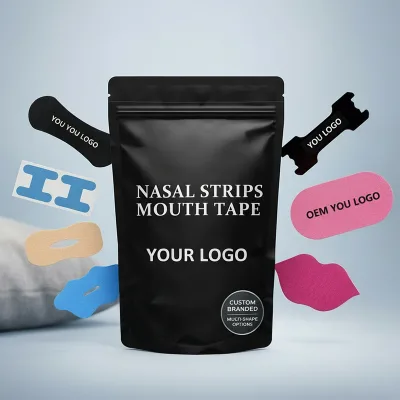
Additional cost drivers include customization features. The availability of OEM (Original Equipment Manufacturer) services and logo printing can increase the unit cost. While some suppliers offer "Without Logo Printing" as a standard option, others charge extra for "Customized Logo Accept" or specific packaging designs. The packaging method itself, such as "100 units/Box, 100 boxes/Carton" versus simple "Poly Bag" packaging, also affects the final price. Buyers should request a detailed breakdown of costs, including material, labor, packaging, and certification fees, to ensure transparency.
Typical Applications and Usage Scenarios
High absorbent cotton nosebleed stoppers are versatile medical supplies used across various departments and scenarios. The primary application is for stopping bleeding or cleaning in cases of epistaxis (nosebleeds). These products are designed for use in the Oral Health Department and general emergency care settings. The "Usage Times" attribute is consistently listed as "Disposable," emphasizing that these items are intended for single-use to maintain hygiene standards.
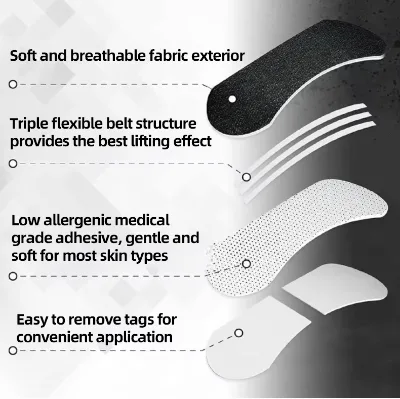
Beyond immediate medical treatment, these stoppers may find applications in home textile or general first-aid kits. The "Application" field often lists multiple categories, including Dental, Gynaecology, Ophthalmology, and Orthopedics, suggesting that the cotton material is used for broader wound care and absorption needs. The "Feature" list, which includes "Ventilation" and "Anti-Allergy," highlights the importance of breathability and hypoallergenic properties. This is particularly relevant for users with sensitive skin or those requiring prolonged contact with the nasal mucosa.
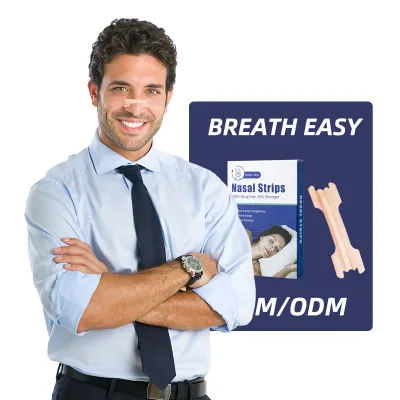
The product is also marketed under various names, such as "Sleeping Patch Hypoallergenic" or "Mouth Tape," indicating a potential overlap in materials used for different therapeutic purposes. However, for the specific keyword of nosebleed stoppers, the focus remains on the absorbent cotton's ability to manage fluid and provide a sterile barrier. Buyers should ensure that the product they select is explicitly designed for nasal use, as products intended for other applications may not meet the necessary safety or performance standards for hemostasis.
Supplier Evaluation and Production Capabilities
Evaluating a supplier requires a deep dive into their production capabilities and quality assurance processes. Key attributes to look for include "Customization: Available" and "OEM: Yes," which indicate that the supplier can tailor products to specific buyer requirements. The ability to produce custom sizes, such as the observed 1038mm or 1.03.8cm variants, is a strong indicator of manufacturing flexibility.
Lead times are another critical factor in supplier evaluation. Some suppliers offer support for sample orders with a lead time of 7 days, which is beneficial for rapid prototyping and quality testing. However, for bulk production, lead times may vary significantly. Buyers should verify the production capacity and ensure that the supplier can meet demand without compromising quality. The "Single package size" and "Single gross weight" (e.g., 0.05 kg) provide insight into the logistics and shipping costs associated with the product.
When assessing suppliers, buyers should also consider the "Product Type" and "Technics." While some products are described as "Webbing" or made of "PVC" or "Rubber," the core requirement for a cotton nosebleed stopper is the use of cotton wool. Buyers must distinguish between suppliers who specialize in cotton products and those who offer a broad range of medical supplies. A supplier with a dedicated focus on cotton-based medical products is more likely to have the necessary expertise and quality control measures in place.
Quality Control and Long-Term Procurement Considerations
Ensuring consistent quality is paramount in the procurement of medical supplies. Quality control measures should include regular testing for absorbency, tensile strength, and sterility. Buyers should request sample orders to physically test the product before committing to large volumes. The "Test Reports" mentioned in supplier listings should be reviewed to confirm that the product meets the required standards.
Long-term procurement considerations involve building a sustainable relationship with suppliers who can consistently deliver high-quality products. This includes monitoring changes in raw material availability, such as the supply of pure cotton, and ensuring that the supplier maintains their certifications over time. The "Standard" attribute, which may include specific dimensions like 0.83.8cm or 1.03.8cm, should be strictly adhered to in all production runs to ensure product consistency.
Buyers should also consider the environmental impact of their procurement. The availability of FSC certification suggests that some suppliers are committed to sustainable sourcing. Incorporating sustainability into the procurement strategy can enhance the brand reputation of the buyer and align with corporate social responsibility goals. Finally, maintaining clear communication channels with suppliers regarding any changes in specifications, certifications, or regulatory requirements will help mitigate risks and ensure a smooth supply chain.
Comparative Analysis of Product Attributes
To facilitate decision-making, the following table summarizes key attributes observed in the market for high absorbent cotton nosebleed stoppers. This comparison highlights the variability in specifications and helps buyers identify the most suitable options for their needs.
| Attribute | Observation A | Observation B | Observation C |
|---|---|---|---|
| Material | Cotton Wool | Non-woven | PVC / Rubber |
| Size | 10*38mm | 0.8*3.8cm | 1.0*3.8cm |
| Certification | CE, ISO | CE | CE, ISO, Test Reports |
| Customization | Available | Customized Logo | OEM |
| Usage | Disposable | Disposable | Non-Disposable |
| Color | White | Black, Beige | Solid Color |
| Origin | China (Hebei) | China (Tianjin) | China |
| MOQ | 50 PCS | 10-200,000 | 100 units/Box |
This table illustrates that while many products share common features like CE certification and Chinese origin, the material composition and specific dimensions vary. Buyers must carefully match these attributes to their specific application requirements. For instance, a medical facility requiring disposable, pure cotton stoppers should prioritize products with "Cotton Wool" material and "Disposable" usage, avoiding those made of PVC or rubber unless the application specifically demands those materials.
In conclusion, sourcing high absorbent cotton nosebleed stoppers requires a meticulous approach that prioritizes material purity, regulatory compliance, and supplier reliability. By focusing on the technical specifications, verifying certifications, and understanding the cost drivers, buyers can secure a supply chain that delivers safe, effective, and high-quality medical products. The diversity in the market offers opportunities for customization and innovation, but it also demands rigorous due diligence to ensure that the selected products meet the highest standards of care.
FAQs
What material is used for high absorbent cotton nosebleed stoppers?
The primary material is pure cotton wool, ensuring high porosity for rapid blood absorption. Some listings also mention non-woven or PVC options, but pure cotton is preferred for superior wicking properties in medical applications.
Which certifications should I verify for medical-grade nosebleed stoppers?
You should verify CE and ISO certifications as standard requirements for medical device compliance. Additional documentation like Test Reports and FSC certificates may also be available to validate absorbency and responsible sourcing.
How can I find suppliers offering custom logo printing services?
Many suppliers offer OEM services with customized logo acceptance as an available feature. However, some standard options come without logo printing, so you must explicitly request this customization during the sourcing process.
What are the typical dimensions for cotton nosebleed stoppers?
Common specifications include sizes like 10*38mm, 0.8*3.8cm, 1.0*3.8cm, and 1.2*3.8cm. These variations allow buyers to select appropriate dimensions for pediatric versus adult nasal cavities based on specific medical needs.
Can I order samples before committing to a large purchase?
Yes, some suppliers support sample orders with a lead time of 7 days. This allows you to physically test the product's absorbency and quality before placing larger bulk orders with specific minimum order quantities.
What is the typical minimum order quantity for these products?
The minimum order quantity ranges significantly from 50 pieces up to 200,000 pieces depending on the supplier. Lower MOQs are suitable for startups, while high-volume buyers can leverage economies of scale for better pricing.
Where are the main manufacturing locations for these stoppers?
Most high-volume suppliers are located in China, specifically in regions like Hebei and Tianjin. Buyers should confirm the specific place of origin on packaging to ensure compliance with export regulations for medical products.