Polyurethane Linear Dewatering Screen Suppliers and Manufacturers
Source 13 verified suppliers for Polyurethane Linear Dewatering Screen components. Compare key dimensions including location, lead times, MOQ, response times, certifications, and pricing. Review product specifications and request quotes directly from manufacturers and factories; review the available evidence before requesting comparable quotations from suitable candidates.
Suppliers List

ZHENGZHOU ZHENGJIA HEAVY INDUSTRY CO.,LTD.
- Verified by SGS
- Manufacturer/Factory
- China Henan
- Lead time45 days
- Avg. response≤ 9h
Main productsBall Mill, Stone Crusher, Cement Ball Mill, Rotary Dryer, Rotary Kiln, Sand Washer, Vibrating Feeder
Main marketsSouth America,Mid East,Southeast Asia,Eastern Asia,Oceania,Africa

Boye County Zhongheng Metal Products Co., Ltd.
- Verified by BV
- Combined
- China Hebei
- Lead time15 days
- Avg. response≤ 6h
Main productsPolyurethane Sieve Plate, Polyurethane Dewatering Screen Plate, Polyurethane Edged Screen Panels, Polyurethane Relaxion Screen Panels, Polyurethane Tension Screen Plate, Polyurethane Fine Screen Panel, Polyurethane Anti-Blocking Screen Panels, Polyurethane Screen Mesh, Customized Polyurethane Products, Polyurethane Screen Panel
Main marketsDomestic

Linear Polyurethane Dewatering Screen Panel Vibrating Polyurethane Screen Mesh for Mining Equipment
$20.00 - $30.00
MOQ: 1 Square Meters


Customized Size Linear Vibrating Screen Mesh Dewatering Polyurethane for Rock Ore
$30.00
MOQ: 5 Square Meters


ANPING REDSTAR WIRE MESH MFG CO., LTD
- Verified by TUVRHEINLAND
- Combined
- China Hebei
- Lead time15 days
- Avg. response≤ 5h
Main productsVibrating Screen Mesh, Woven Wire Mesh, Self-Cleaning Screens, Polyurethane Screens, Wedge Wire Screens, Mining Accessories
Main marketsSouth America,Africa,Southeast Asia/ Mideast,East Asia(Japan/ South Korea),Europe,Australia,North America

Effective Polyurethane Dewatering Screen for Improved Process Efficiency
$25.00 - $39.00
MOQ: 10 Square Meters

Advanced Polyurethane Screen Mesh for Enhanced Dewatering Efficiency
$25.00 - $39.00
MOQ: 10 Square Meters

Efficient Polyurethane Plate Vibrant Dewatering Screen Equipment
$25.00 - $39.00
MOQ: 10 Square Meters

Efficient Polyurethane Dewatering Screen Panel for Effective Liquid Separation
$25.00 - $39.00
MOQ: 10 Square Meters

High-Performance Custom Polyurethane Dewatering Screens for Effective Filtration
$50.00 - $80.00
MOQ: 10 Square Meters

Versatile Dewatering Polyurethane Screen Panel for Effective Filtration
$50.00 - $80.00
MOQ: 10 Square Meters

Zhengzhou Hengxing Heavy Equipment Co., Ltd.
- Combined
- China Henan
- Lead time30 days
- Avg. response≤ 12h
Main productsBall Mill Equipment, Rotary Dryer, Sand Making Machine, Stone Production Line, Rotary Kiln, Benefication Equipment, Stone Crushing and Screening Plant, Sand Making Production Line, Mineral Ore Separation Equipment, Ball Press Machine & Briquette Machine
Main marketsSouth America,Africa,Southeast Asia/ Mideast,East Asia(Japan/ South Korea),Domestic,Australia

Zhengzhou Zhongjia Heavy Industry Co., Ltd.
- Verified by SGS
- Combined
- China Henan
- Lead time23 days
- Avg. response≤ 15h
Main productsFlotation Cell, Ball Mill, Jaw Crusher, Hammer Mill Crusher, Roller Crusher, Cone Crusher, Rotary Kiln, Vibration Screen, Sand Washer, Spiral Classifier
Main marketsSouth America,Southeast Asia/ Mideast,Europe


Dewatering Equipment Polyurethane Screen Dewatering Screen From Mining Manufacturer
$6800.00 - $13500.00
MOQ: 1 Pieces

Coal Mining Dewatering Linear Vibrating Screen with Polyurethane Screen
$6800.00 - $13500.00
MOQ: 1 Pieces

Mining Equipment Dewatering Screen with Polyurethane Screen for Sand
$6800.00 - $13500.00
MOQ: 1 Pieces

Ultrafine Polyurethane Screen Dewatering Screen High Frequency Screen
$6800.00 - $13500.00
MOQ: 1 Pieces


TYXC Environmental Protection Equipment Manufacturing Co., Ltd
- Verified by BV
- Combined
- China Sichuan
- Lead time45 days
- Avg. response≤ 2h
Main productsvibrating screen
Main marketsDomestic

Linear Vibrating Screen Coal Mining Dewatering with Polyurethane Screen
$2500.00 - $35000.00
MOQ: 1 Pieces

$2500.00 - $35000.00
MOQ: 1 Pieces

$2200.00 - $140000.00
MOQ: 1 Pieces

Coal Mining Screen with Polyurethane Mesh Dewatering Separator Customized Classifying Machine
$2500.00 - $35000.00
MOQ: 1 Pieces

$2200.00 - $140000.00
MOQ: 1 Pieces


Qingdao Stinor Technology Co., Ltd
- Verified by SGS
- Trading Company
- China Shandong
- Lead time15 days
- Avg. response≤ 2h
Main productsPilates Reformer, Pilates Cadillac, Pilates Reformer with Towe, Pilates Chair, Ladder Barrel, Spine Corrector, Pilates Machine, Pilates Equipment, Yoga Product, Fitness Equipment
Main marketsSouth America


Professional Grade Anti-Corrosive Polyurethane Dewatering Screen for Wet Screening
$10.00 - $280.00
MOQ: 10

Industrial Grade 99% Purity Polyurethane Dewatering Screen for Harsh Mining Conditions
$10.00 - $280.00
MOQ: 10
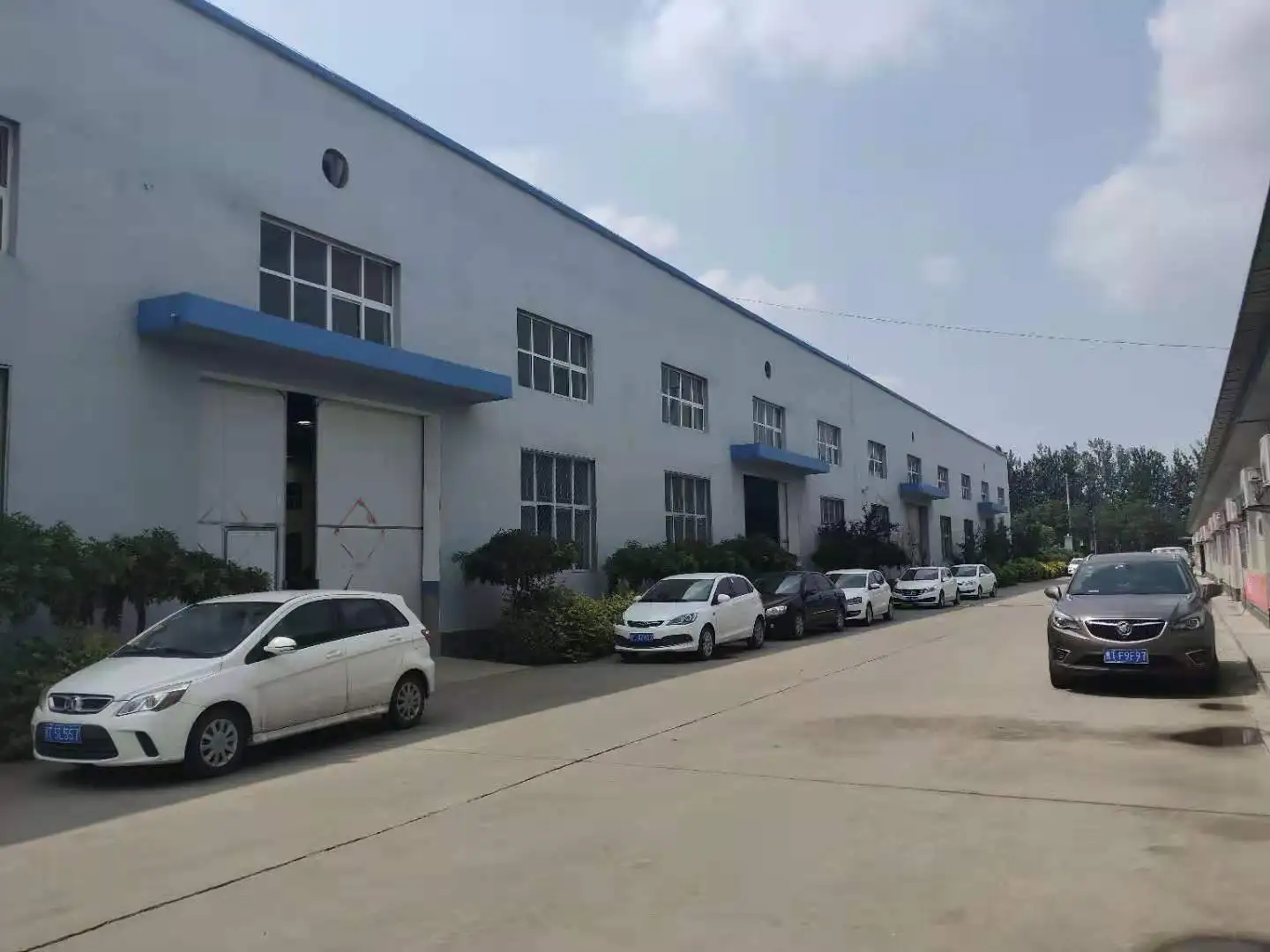
Hebei Dizhuo Rubber And Plastic Products Co., Ltd.
- Manufacturer, Trading Company
- Hebei, China
- Lead time15 days
- Avg. response≤ 5h
Main productsPolyurethane sheets,Polyurethane screen mat,Hydrocyclone,polyurethane belt cleaner,Polyurethane rollers
Main marketsDomestic Market(70.00%), Eastern Europe(20.00%), Southern Europe(2.00%), Africa(2.00%), Southeast Asia(2.00%), South America(2.00%), North America(2.00%)
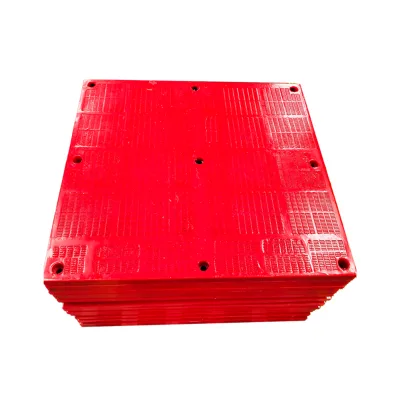
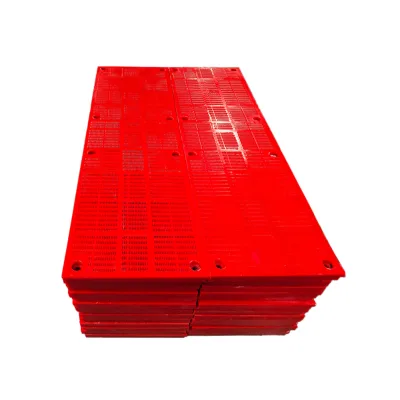
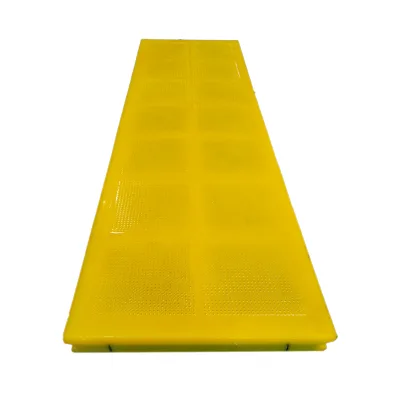
ManufacturerFactorypolyurethane Screen Panel Dewatering Screendewatering Screen Mesh
$85.00 - $95.00
MOQ: 1 pieces

Henan Shanky Machinery Co., Ltd.
- Verified by CTI
- Manufacturer/Factory
- China Henan
- Lead time30 days
- Avg. response≤ 13h
Main productsMining Machinery Manufacturing, Construction Machinery and Equipment Leasing, Mechanical Equipment Sales, Environmental Advisory Services, Environmental Protection Special Equipment Pin, Crushers & Grinding Mill, Crusher Spare Parts
Main marketsSouth America,Eastern Europe,Mid East,North America,Southeast Asia,Eastern Asia,Oceania,Western Europe,Africa


Linear Dewatering Screen for Coal Washing, Dewatering, Ash Removal and Desliming
$100000.00
MOQ: 1 Pieces


Shandong Huimin Lusheng Metal Products Co., LTD
- Verified by SGS
- Combined
- China Shandong
- Lead time30 days
- Avg. response≤ 2h
Main productsVibrating Screen, Vibrating Sieve, Stainless Steel Wire Mesh, Welded Mesh, Sieving Machine, Oscillating Screen, Linear Vibrating Screen, Banana Sieve, Polyurethane Screen
Main marketsDomestic

Long-Lasting Polyurethane Mesh Dewatering Screen for Heavy Industries
$5000.00 - $100000.00
MOQ: 1 Pieces


High-Frequency Dewatering Screen Dehydration Screen Linear Vibrating Screen
$24500.00 - $45600.00
MOQ: 1 Pieces


Durable Dewatering Screen for Effective Mineral Processing Solutions
$5000.00 - $100000.00
MOQ: 1 Pieces
Anhui Sinow Rubber Products Co., Ltd.
- Trading Company,Manufacturer/Factory,Other
- China Anhui
- Lead time45 days
- Avg. response≤ 25h
Main productsRubber Mill Linings, Polyurethane Mill Linings, Rubber Screen Cloths, Polyurethane Screen Cloths, Ball Mill Liner, Sag Mill Liner, Poly-Met Liner, Flotation Impeller Diffuser, AG Mill Liner, Steel Ball
Main marketsSouth America,Eastern Europe,Mid East,North America,Southeast Asia,Eastern Asia,Oceania,Western Europe,Africa


Polyurethane Screen Panels for Screen Machine
MOQ: 1 Square Meters

Shandong Tonda Pu&Rubber Co., Ltd
- Verified by SGS
- Combined
- China Shandong
- Lead time23 days
- Avg. response≤ 4h
Main productsVibrating Screen Mesh, Conveyor Belt Cleaner, Polyurethane Skirting, Rubber Screen, Rubber Parts, PU Sheet, Slurry Pump Parts, Forklift Guard Parts
Main marketsAfrica,Southeast Asia/ Mideast,East Asia(Japan/ South Korea),Domestic,Europe,Australia,North America

Polyurethane Modular Screen Panels Dewatering Vibrating Screens for Construction Industry
$10.00 - $20.00
MOQ: 20 Kilograms

High Wear Resistance Mining Customized Polyurethane Dewatering Screen with Long Life Service
$8.00 - $10.00
MOQ: 10 pieces

Xinxiang Tianfeng Vibration Machinery Co., Ltd.
- Verified by SGS
- Combined
- China Henan
- Lead time15 days
- Avg. response≤ 16h
Main productsVibrating Screen, Ultrasonic Vibrating Screen, Test Sieve, Swing Screen, Drum Screen, Rectilinear Sieve, Cyclone Screen, Feeder, Bucket Elevator, Vibrating Conveyor
Main marketsDomestic


Comprehensive Sourcing Guide
Polyurethane Linear Dewatering Screen Supplier Concentration and Factory Types
Current data indicates a concentration of manufacturing activity in China, specifically within the Henan and Hebei provinces. Suppliers in these regions are categorized primarily as manufacturers or factories, though some operate as combined entities offering both production and trading services. The Henan-based facilities often list heavy machinery such as ball mills, stone crushers, and rotary dryers alongside their polyurethane screening solutions, suggesting a broader industrial machinery focus. In contrast, Hebei-based suppliers frequently specialize in polyurethane sieve plates, screen panels, and mesh components, indicating a potential cluster for specialized screening parts rather than full-scale mining machinery.
Buyers should verify the specific factory type before engaging, as the distinction between a pure manufacturer and a combined entity affects production control and customization capabilities. The available evidence shows that some suppliers offer OEM and ODM services, while others focus on their own brands. When evaluating the supplier list, look for explicit mentions of "Manufacturer/Factory" or "Combined" status to understand the supply chain depth. Do not assume all suppliers in a region possess the same capabilities; verify if the specific facility handles the entire manufacturing process for polyurethane linear dewatering screens or if they source components externally. This distinction is critical for ensuring quality control over the polyurethane material and the structural integrity of the vibrating screen panels.
How to Verify Polyurethane Linear Dewatering Screen Suppliers
Verification of supplier credibility relies heavily on third-party audit reports and system certifications rather than self-declared claims. The current results show that some suppliers hold ISO 20000 certification, while others possess ISO 9001:2015 and ISO 14001:2015 certificates. These certifications indicate adherence to specific management standards for quality and environmental protection, which is essential for industrial machinery components. Additionally, verification badges from agencies like SGS and BV appear in the data, serving as external validation of the supplier's business legitimacy and operational capacity. Buyers must confirm that these verification statuses are current and directly linked to the specific entity offering the polyurethane screens.
Beyond certifications, buyers should scrutinize the response time and the nature of the product evidence provided. The data indicates response times ranging from approximately 5.59 to 9.00 hours, which can serve as a proxy for operational efficiency and communication readiness. A faster response time often correlates with a more active sales team capable of addressing technical queries regarding polyurethane specifications. Furthermore, examine the product attributes listed, such as the use of "China Top Brand" bearings and motors, or the specific manufacturing processes like stamping. These details provide concrete evidence of the supplier's supply chain maturity. Do not rely on generic claims; instead, request specific documentation that matches the verified attributes found in the search results to ensure the supplier can deliver the required Polyurethane Linear Dewatering Screen specifications.
What to Compare Across Polyurethane Linear Dewatering Screen Suppliers
When comparing suppliers, lead time and minimum order quantity (MOQ) are critical differentiators that impact project scheduling and inventory costs. The observed data reveals a significant variance in lead times, with some suppliers offering delivery within 15 days or even within 7 days for samples, while others indicate a standard lead time of 45 days. Similarly, MOQs fluctuate widely, ranging from a single piece for certain screen panels to ten pieces for specific mesh types. Buyers must align these figures with their production needs; a low MOQ is advantageous for testing or small-scale projects, whereas a longer lead time might be acceptable for large, bulk orders where cost efficiency is prioritized over speed.
Another vital comparison point is the customization capability and the specific product attributes offered. The evidence shows that customization is available across multiple listings, with options for different shaft numbers, running tracks, and transmission structures. Some suppliers provide detailed specifications such as double shafts, linear vibrating screens, and rubber spring supporting devices, while others focus on modular polyurethane panels with specific hole shapes like square configurations. Buyers should compare these technical attributes to ensure the supplier can meet the exact requirements of their mining or sand washing application. Additionally, compare the warranty terms, such as the two-year warranty noted in some listings, and the availability of spare parts for the entire life of the machine. These factors collectively determine the long-term value and reliability of the Polyurethane Linear Dewatering Screen solution.
Common Polyurethane Linear Dewatering Screen Sourcing Risks
One significant risk involves the inconsistency of product standards and material quality across different suppliers. While some listings specify adherence to GB standards and ISO certifications, others may lack clear documentation regarding the polyurethane formulation or the manufacturing process. The data mentions "Polyurethane Dewatering Screen" and "Polyurethane Sieve Plate," but without a standardized test result or specific material grade provided in the general search, buyers face the risk of receiving panels with varying durability or wear resistance. It is essential to verify the specific polyurethane grade and the manufacturing process, such as stamping, to ensure the screen panels can withstand the abrasive conditions of mining and sand washing operations.
Another risk pertains to the reliability of shipping and packaging, which can affect the condition of the equipment upon arrival. The evidence indicates various packaging methods, including wooden crates, pallets, and container loading, but the specific handling instructions for fragile polyurethane components are not always detailed. If the packaging is insufficient, the polyurethane panels could crack or deform during transit, rendering them unusable. Buyers should explicitly confirm the packaging standards and the shipping method, whether by sea or air, to mitigate this risk. Furthermore, the availability of samples and the ability to inspect the product before full-scale production are crucial safeguards. Without a clear sample supply policy, buyers may commit to large orders without verifying the actual quality of the Polyurethane Linear Dewatering Screen, leading to potential financial loss and project delays.
Polyurethane Linear Dewatering Screen Regional Sourcing and Logistics
Sourcing from China, specifically the Henan and Hebei provinces, offers access to established industrial clusters but requires careful logistical planning. The Henan region appears to host suppliers with a broader range of heavy machinery, while Hebei focuses more on polyurethane screening components. This regional specialization can influence the availability of specific parts and the expertise of the workforce. Buyers should consider the proximity of the supplier to major ports, as this impacts shipping costs and transit times. The data mentions shipment options by sea or air, but the specific port of loading is not always provided. Verifying the exact location and the associated logistics infrastructure is necessary to estimate the total landed cost accurately.
Logistics planning must also account for the specific dimensions and weight of the polyurethane linear dewatering screens. The product attributes list standard sizes such as 15004800mm and 18004800mm, which require careful container loading to maximize space and minimize damage. Some suppliers offer "Load in Container" services, while others specify "Wooden Package" or "Wooden Crate" for individual panels. Buyers need to coordinate with the supplier to ensure the packaging is optimized for the chosen shipping method. Additionally, the lead time of 15 to 45 days must be factored into the overall supply chain timeline. Delays in production or shipping can disrupt mining operations, so maintaining clear communication regarding the production schedule and shipping status is vital for successful regional sourcing.
Polyurethane Linear Dewatering Screen Commercial Terms and Order Planning
Commercial terms regarding pricing and payment structures vary significantly among suppliers, requiring careful negotiation and budget planning. The observed price ranges for polyurethane components span from as low as 20.00 to 5000.00, depending on the product type, whether it is a single screen panel or a complete vibrating screen unit. Buyers must distinguish between the cost of individual parts and the cost of full machinery to avoid budget miscalculations. The data shows specific price points for models like 1840 and ZHONGHENG-04, but these prices may fluctuate based on order volume and customization requirements. Understanding the price structure is essential for accurate cost estimation and financial planning for the procurement project.
Order planning should also consider the customization options and the production capacity of the supplier. The evidence indicates that customization is available for various attributes, including size, hole shape, and surface treatment. However, the production capacity, measured in tons per month, varies, with some suppliers listing a capacity of 100 tons per month. Buyers must ensure that the supplier can meet their required volume within the specified lead time. Additionally, the availability of spare parts and the warranty period, such as the two-year warranty mentioned, should be integrated into the long-term maintenance plan. Clear communication regarding these commercial terms and production capabilities ensures that the procurement of polyurethane linear dewatering screens aligns with the operational needs and financial constraints of the buyer.
FAQs
What is the price range for polyurethane dewatering screens?
Prices for polyurethane dewatering screens typically range from twenty to fifty thousand dollars depending on specifications. Complete units often start at five thousand dollars with a minimum order of one piece. Individual mesh panels are available for twenty to forty-five dollars per unit. Buyers should verify exact costs based on custom dimensions and shipping requirements.
How long does delivery take for these screens?
Lead times vary significantly between manufacturers and component types. Complete machinery usually requires forty-five days for production and assembly. Custom polyurethane panels and replacement meshes can be delivered within seven days. Buyers should confirm specific timelines with suppliers to ensure alignment with project schedules and logistical planning.
What certifications do these suppliers hold?
Manufacturers typically hold ISO 9001 and ISO 14001 certifications for quality and environmental management. Some facilities also maintain ISO 20000 standards for service management. Products often comply with GB standards and undergo verification by SGS or BV. Buyers should request current certificates to ensure compliance with international safety and quality requirements.
Where are these polyurethane screens manufactured?
These industrial screens are primarily manufactured in China, specifically in Henan and Hebei provinces. Henan facilities focus on complete mining machinery like ball mills and rotary dryers. Hebei suppliers specialize in polyurethane panels and screen meshes. Buyers should verify specific factory locations to assess logistics costs and supply chain reliability.
What is the minimum order quantity for panels?
Minimum order quantities depend on the specific product type and supplier. Complete vibrating screens often have a minimum order of one unit. Individual polyurethane mesh panels may require a minimum of one piece or up to ten pieces. Buyers should check specific listings to confirm MOQs for custom sizes or standard modular panels.
Can these screens be customized for specific mines?
Yes, most suppliers offer extensive customization for mining applications. Buyers can specify dimensions, hole shapes, and mesh configurations. Customization options include linear or high-frequency vibrating screens with double shafts. Suppliers provide OEM and ODM services to match specific ore types and processing requirements.