Source High CRI COB LED Chip for Flood Light, Downlight, Spotlight
Compare 30 High CRI COB LED Chip options for commercial lighting applications. Buyers can review specifications like color temperature, beam angle, and voltage to find suitable components for flood lights, downlights, and spotlights.
Key considerations
Products List


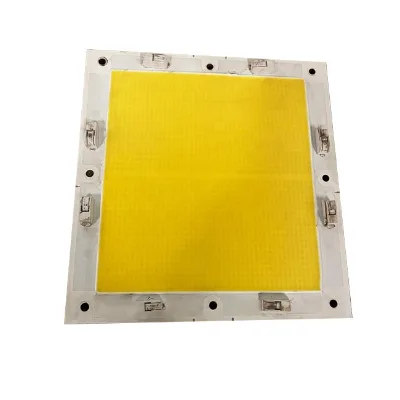
High CRI>97 Ra Big Cob 5000w Custom Led Chip for Medical Led or Movie Lights
$935.90 - $1039.89
MOQ: 5 units




Comprehensive Sourcing Guide
Strategic Sourcing Guide for High CRI COB LED Chips
Procuring high Color Rendering Index (CRI) COB (Chip on Board) LED chips requires a rigorous approach that balances optical performance, thermal management, and supply chain reliability. In the current B2B market, buyers often encounter a wide spectrum of specifications, from general commercial lighting components to specialized automotive solutions. This guide synthesizes observed market data and technical attributes to help procurement professionals navigate the selection process without relying on unverified marketing claims. The focus remains on evidence-based criteria, ensuring that the final selection aligns with specific project requirements for color fidelity, luminous efficacy, and long-term operational stability.
Technical Specifications and Optical Performance
The foundation of any high CRI COB LED selection lies in understanding the specific optical and electrical parameters that define performance. In the observed product landscape, CRI values vary significantly, with specific models offering Ra (Color Rendering Index) ratings of 80, while higher-end variants provide options for Ra 80/90/95. For applications demanding true-to-life color reproduction, such as retail displays or museum lighting, the Ra 90 and Ra 95 tiers are critical. Buyers must verify that the supplier can consistently deliver the specific CRI tier required, as this often correlates with the phosphor conversion technology used within the chip.
Luminous flux is another primary metric. Data indicates that high-power COB modules can achieve output ranges from approximately 1700 to 7500 lumens, depending on the specific model and drive current. For instance, certain configurations report IV (luminous intensity) values between 1700-1800lm, while others reach 7000-7500lm. The forward voltage (Vf) also varies by design, with observed ranges spanning from 3-10.2V for lower voltage applications up to 30-33V for high-power modules, and a broader operational range of 15-60V noted in other configurations. Understanding these electrical boundaries is essential for driver compatibility.
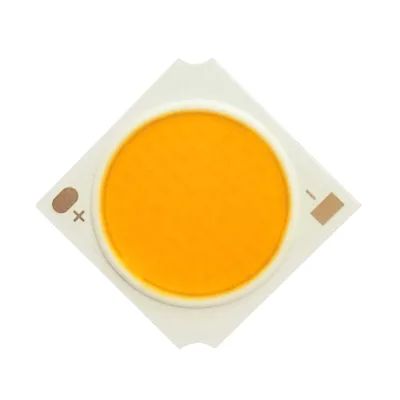
Color temperature (Tck) flexibility is equally important. The market offers a diverse palette including 2700K, 3000K, 4000K, and 6000K, with some specific models limited to 3000K or 6000K. The beam angle is typically standardized at 120° for general illumination, ensuring wide coverage. However, buyers should confirm the actual beam angle for specific high-intensity applications, as this affects the distribution of light. The physical dimensions of the chips also vary, with standard sizes observed at 1.91.9mm, 1919mm, and 40*46mm, necessitating careful mechanical design integration.
Compliance and Certification Verification
In the global LED supply chain, compliance is not merely a formality but a prerequisite for market access and safety. The most frequently observed certifications in the current product pool are RoHS and CE. RoHS compliance ensures that the components are free from specific hazardous substances, which is mandatory for sales in the European Union and many other regions. CE marking indicates conformity with health, safety, and environmental protection standards for products sold within the European Economic Area.
When evaluating suppliers, buyers must request valid, up-to-date certification documents rather than accepting a simple statement of compliance. It is crucial to verify that the specific batch of COB chips being ordered carries the relevant certification, as manufacturing processes can change. Additionally, while some products list "Standard size" or specific model standards like "19*19mm," these should be cross-referenced with international standards bodies to ensure they meet the specific regulatory requirements of the destination market. For applications in the automotive sector, additional certifications beyond RoHS and CE may be required, such as IATF 16949, though these are not explicitly listed in the general product observations and must be verified directly with the manufacturer.
Cost Drivers and Pricing Structures
The pricing of high CRI COB LED chips is influenced by a complex interplay of factors, including the CRI rating, luminous efficacy, and the complexity of the packaging. The observed price range in the market is vast, spanning from $0.06 to $1039.89. This wide disparity reflects the difference between low-power indicator chips and high-power, high-CRI modules designed for professional lighting fixtures. The minimum order quantity (MOQ) also plays a significant role in the unit cost, with observed ranges between 5 and 1000 units.
Higher CRI values, particularly those exceeding Ra 90, typically command a premium due to the more expensive phosphor materials and tighter binning processes required to maintain color consistency. Similarly, chips with higher luminous flux (e.g., 7000lm+) and specialized packaging types like "Circle" or "Square" may incur higher costs. Buyers should be aware that "Neutral Packaging" is a common offering, which can reduce costs by eliminating branding expenses, but custom packaging may be available at an additional fee. When negotiating, it is essential to understand the total cost of ownership, which includes not just the unit price but also the impact of MOQ on inventory carrying costs and the potential for price breaks at higher volume tiers.
Typical Applications and Usage Scenarios
High CRI COB LED chips are versatile and find application across a broad spectrum of industries. The primary usage categories identified include commercial lighting, outdoor lighting, and specialized automotive applications. In commercial settings, these chips are utilized in flood lights, downlights, spotlights, and ceiling lights where accurate color rendering is vital for product presentation and visual comfort. The observed usage data confirms their suitability for these environments, where Ra values of 80 or higher are standard.
For outdoor applications, the chips must withstand environmental stressors. While specific IP ratings vary, the general observation notes an IP rating context, implying that buyers must verify the specific ingress protection level for outdoor use. Automotive applications, including automobile lamps, motorcycle lamps, and electric vehicle lighting, represent another significant sector. These applications often require specific color temperatures and robust thermal management, with some models specifically designed for these uses. The emitting color options, such as Red and Blue or White, further expand the potential applications into signaling and decorative lighting.
Supplier Evaluation and Customization Capabilities
Selecting the right supplier involves more than just comparing price lists; it requires assessing their technical capabilities and flexibility. A key differentiator in the market is the availability of customization. Many suppliers offer "Available" or "Support Customized" options, allowing buyers to tailor specifications such as color temperature, binning, and packaging. This flexibility is crucial for OEMs who need to integrate COB chips into unique form factors or specific lighting designs.
The production process is another critical evaluation point. The observed "Hot Pressure Welding" process suggests a specific method of attaching the LED chip to the substrate, which impacts thermal performance and reliability. Buyers should inquire about the specific welding techniques used and how they affect the long-term stability of the chip. Furthermore, the origin of the product, often listed as China or specifically Guangzhou, can influence logistics and lead times. While the location is a fact, the reliability of the supply chain from that region should be independently verified through audits or reference checks.
Quality Control and Long-Term Procurement Considerations
Ensuring the quality of high CRI COB chips requires a robust quality control (QC) strategy. Key parameters to monitor include the forward current (If), which is observed at 2450mA for certain high-power models, and the rated life, which is stated as 30,000 hours. These figures must be validated through third-party testing reports rather than relying solely on supplier claims. The base material, typically Aluminum, is essential for heat dissipation, and the chip material, often InGaN, determines the efficiency and color quality.
For long-term procurement, buyers should consider the consistency of the supply. Variations in the "Emitting Color" or "Color Temperature" between batches can lead to visible color shifts in the final lighting product. Establishing a clear specification sheet that defines acceptable tolerances for CRI, color temperature, and luminous flux is essential. Additionally, the packaging method, whether "Neutral Packaging" or specific counts like 300PCS or 54PCS, affects handling and storage. Buyers should ensure that the packaging protects the chips from moisture and static electricity, which can degrade performance over time.
Comparative Analysis of Key Product Attributes
To facilitate decision-making, the following table summarizes the key attributes observed in the market, highlighting the variability in specifications that buyers must navigate.
| Attribute | Observed Range/Options | Critical Consideration for Buyers |
|---|---|---|
| CRI (Ra) | 80, 80/90/95, >70 | Verify specific CRI tier for application needs; higher CRI increases cost. |
| Color Temp | 2700K, 3000K, 4000K, 6000K | Ensure compatibility with fixture design and desired ambiance. |
| Luminous Flux | 1700-1800lm to 7000-7500lm | Match flux to driver capacity and required illumination levels. |
| Voltage (Vf) | 3-10.2V, 15-60V, 30-33V | Confirm driver compatibility; mismatch can lead to failure. |
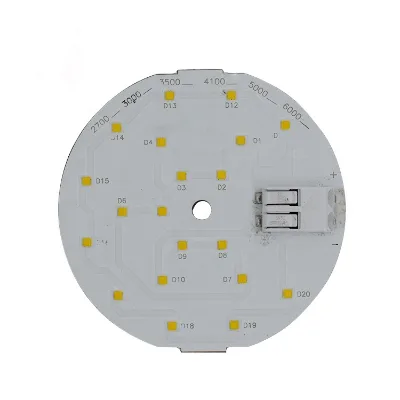
| Packaging Type | Circle, Square, Chip | Affects optical distribution and mechanical mounting. |
| Certification | RoHS, CE | Mandatory for most international markets; verify documentation. |
| Life Expectancy | 30,000h | Verify under specific operating conditions and thermal management. |
| Base Material | Aluminum | Essential for thermal dissipation; check thickness and surface treatment. |
Conclusion
Sourcing high CRI COB LED chips is a multifaceted process that demands a deep understanding of technical specifications, regulatory compliance, and supplier capabilities. The market offers a wide array of options, from low-cost indicator chips to high-performance modules for commercial and automotive use. By focusing on verified data regarding CRI, luminous flux, and electrical characteristics, buyers can make informed decisions that ensure the longevity and performance of their lighting products. The variability in pricing, MOQ, and customization options requires careful negotiation and strategic planning. Ultimately, the success of a procurement project depends on the ability to match the specific technical requirements of the application with the proven capabilities of the supplier, ensuring that the final product meets the highest standards of quality and efficiency.
FAQs
What certifications do high cri cob led chips typically have?
High CRI COB LED chips typically hold RoHS and CE certifications. These ensure compliance with hazardous substance restrictions and European safety standards. Buyers must verify specific batch documentation to confirm current compliance status before procurement.
Which color temperatures are available for commercial lighting applications?
Available color temperatures include 2700K, 3000K, 4000K, and 6000K. Specific models may offer limited ranges like 3000K or 6000K only. Selecting the correct temperature is essential for matching the desired ambiance in commercial spaces.
Can suppliers provide customization for LED packaging types?
Yes, suppliers support customization for packaging types such as Circle or Square. This flexibility allows integration into unique fixture designs. Buyers should confirm specific customization capabilities and associated costs during the negotiation phase.
What is the typical lifespan of high CRI COB LED chips?
The typical lifespan is rated at 30,000 hours. This duration depends on proper thermal management and operating conditions. Buyers should validate this rating through third-party testing reports to ensure long-term reliability.
How does the CRI rating affect the price of the chips?
Higher CRI ratings like Ra 90 or 95 typically command a premium price. This increase reflects the cost of advanced phosphor materials and tighter binning processes. Lower CRI options like Ra 80 are generally more cost-effective.
What is the minimum order quantity for sourcing these chips?
The minimum order quantity ranges from 5 to 1000 units depending on the supplier. Lower MOQs allow for smaller trial orders while higher volumes may reduce unit costs. Buyers should negotiate based on their specific inventory needs.