Source LED Curing Light for Orthodontics, Surgery, and Industry
Source a LED Curing Light from 30 verified listings to compare specifications for dental composite curing, oral surgery applications, and industrial UV ink processing. Evaluate options based on wavelength, power, and warranty details to find the right equipment for your specific operational needs.
Key considerations
Products List


Fast UV LED Curing UV LED Curing System Curing Lamp
$306.00 - $2142.00
MOQ: 1 Pieces
Dongguan Lan Dun mechanical and electrical equipment Technology Co., Ltd.


Hot Sale UV LED Curing System Curing Lamp
$306.00 - $2142.00
MOQ: 1 Pieces
Dongguan Lan Dun mechanical and electrical equipment Technology Co., Ltd.

Holder Water-Cooled Purple Light UV LED Curing Lamp
$306.00 - $2142.00
MOQ: 1 Pieces
Dongguan Lan Dun mechanical and electrical equipment Technology Co., Ltd.


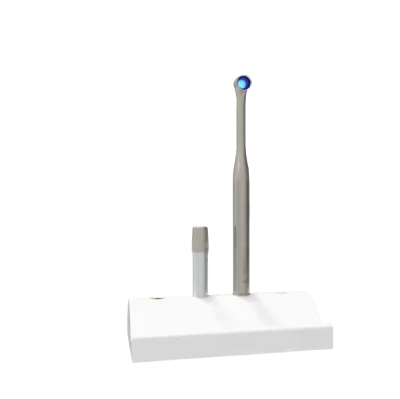


Aluminum LED Curing Light 1 Second Cure Lamp Dental Composite Material Machine
$19.00 - $21.00
MOQ: 10 Pieces


Comprehensive Sourcing Guide
LED Curing Light Sourcing Guide
Procuring LED curing lights requires a clear distinction between medical-grade dental devices and industrial UV curing systems, as the two categories serve fundamentally different operational needs and regulatory environments. Dental curing lights are primarily designed for orthodontic and oral surgery departments to polymerize composite resins, requiring precise wavelength control and consistent light intensity to ensure clinical efficacy. In contrast, industrial UV curing units are engineered for high-speed processing of inks, paints, and glues, often utilizing water-cooled systems and higher power outputs to meet production line demands. Buyers must first define their specific application domain to avoid sourcing equipment with incompatible specifications or insufficient durability for their intended use case.
The market offers a wide variety of models, ranging from handheld oral lights with battery-powered convenience to large-scale industrial units with complex cooling and electrical requirements. Observed listings indicate a broad spectrum of product models, such as the TY-312 and LED-B series for dental use, and the LDUVJ series for industrial applications. Each category presents unique procurement challenges, from verifying battery health and light intensity in portable devices to assessing lamp life and cooling efficiency in stationary industrial systems. Understanding these distinctions is critical for aligning technical requirements with commercial expectations and ensuring that the selected equipment meets the specific performance standards of the target industry.
Product Scope and Observed Listing Signals
The product scope for LED curing lights encompasses both medical and industrial segments, each with distinct material compositions and functional attributes. Dental models are typically constructed from steel and plastic, featuring a blue and white color scheme and designed as shared instrument equipment for clinical settings. These devices often include customizable options and come packaged in cartons, with specific models like the TY-306 and TY-311 offering time settings ranging from 3 to 40 seconds. The observed listings highlight a focus on portability and ease of use, with features such as wireless charging and constant light output to support efficient workflow in orthodontic and oral surgery departments.
Industrial UV curing systems, on the other hand, are built for heavy-duty applications, utilizing low-temperature water-cooled systems and ceramic or metal lamp bases. These units, such as the LDUVJ-00D-5KW and LDUVJ-0D-2KW, are packaged in wooden cases and designed for industrial use, with lamp powers ranging from 1kw to 12kw. The observed data indicates that these systems are not waterproof and are optimized for curing UV ink, paint, and glue at speeds between 10-250m/Min. Buyers should note that industrial models often have variable effective print widths and color group UV lamps, which are determined by the specific model and process decision, requiring careful alignment with production line capabilities.
Technical Specifications to Verify
When evaluating dental LED curing lights, buyers must verify key technical parameters such as light intensity, wavelength, and battery capacity to ensure clinical effectiveness. The observed listings specify a light intensity range of 16002200MW/Cm2 and a wavelength of 420480nm, which are critical for proper composite curing. Additionally, the battery specifications, typically 4.2V with 2200mAh capacity, and the input voltage range of AC100240V, 5060Hz, are essential for ensuring device reliability and compatibility with various power sources. Buyers should also check the weight, which is observed at 700g, to assess ergonomics for prolonged clinical use, and confirm the availability of multiple time settings to accommodate different curing protocols.
For industrial UV curing systems, technical verification focuses on lamp power, working voltage, and cooling efficiency to maintain consistent performance under high-load conditions. The observed data indicates lamp powers ranging from 1kw to 12kw, with working voltages between 220V and 480V, and a working current of 4.5A. Buyers must verify the lamp life, which is observed to be between 800h and 1000h, and the effectiveness of the low-temperature water-cooled system in preventing overheating during continuous operation. It is also crucial to confirm the lamp base material, such as ceramic, metal, gallium, halogen, or mercury, as this impacts durability and spectral output, ensuring the system meets the specific requirements of the UV curing process.
Compliance and Safety Documentation
Compliance and safety documentation are paramount when sourcing LED curing lights, particularly for medical devices used in orthodontic and oral surgery departments. Buyers should verify that the products hold relevant certifications, such as CE, which indicates conformity with health, safety, and environmental protection standards for products sold within the European Economic Area. For dental devices, it is essential to ensure that the equipment meets specific medical device regulations, including biocompatibility of materials and electrical safety standards. Buyers should request detailed certification documents and test reports to confirm that the curing light meets the necessary regulatory requirements for its intended medical application, ensuring patient safety and clinical efficacy.
In the industrial sector, compliance focuses on electrical safety and environmental regulations, particularly regarding the use of UV lamps and cooling systems. Buyers should verify that the industrial curing units comply with local electrical standards, including input voltage and current specifications, to prevent operational hazards. Additionally, it is important to check for any environmental certifications related to the materials used in the lamp base and the cooling system, especially if mercury or other hazardous substances are involved. Buyers should also ensure that the equipment meets relevant industrial safety standards, such as those for machine guarding and emergency stop functions, to protect operators and maintain a safe working environment.
Cost Drivers and Commercial Terms
Cost drivers for LED curing lights vary significantly between dental and industrial models, influenced by factors such as material composition, power output, and packaging. Dental curing lights, often made from steel and plastic, are generally more affordable, with observed prices ranging from $0.13 to higher tiers depending on features like battery capacity and light intensity. The packaging, typically cartons, and the weight of the device also contribute to shipping costs, which buyers should consider when calculating the total landed cost. Buyers should also factor in the cost of accessories, such as wireless chargers and replacement tips, which may be sold separately and impact the overall procurement budget.
Industrial UV curing systems are more complex and expensive, with costs driven by lamp power, cooling system efficiency, and the durability of components like the lamp base. Observed listings indicate a wide price range, reflecting the variability in power output and customization options. The packaging, often wooden cases, adds to the shipping cost, especially for larger units. Buyers should also consider the cost of maintenance and replacement parts, such as UV lamps and cooling components, which can significantly impact the total cost of ownership. It is advisable to negotiate commercial terms that include warranty coverage and after-sales support, ensuring long-term value and operational continuity.
Supplier Qualification and Quality Control
Supplier qualification for LED curing lights requires a thorough assessment of manufacturing capabilities, quality control processes, and after-sales support. Buyers should verify the supplier's production location, with many observed listings indicating origins in China, including specific regions like Foshan. It is essential to confirm that the supplier has established quality control measures, such as testing for light intensity, wavelength accuracy, and electrical safety, to ensure product consistency. Buyers should also inquire about the supplier's ability to provide customization options, such as specific time settings or packaging requirements, to meet unique operational needs.
Quality control extends to the verification of product specifications and performance claims, ensuring that the delivered equipment matches the agreed-upon standards. Buyers should request detailed product specifications, including model numbers, material compositions, and technical parameters, to verify compliance with their requirements. It is also important to assess the supplier's after-sales service, such as online technical support and warranty coverage, to ensure timely resolution of any issues. Buyers should consider conducting factory audits or requesting third-party inspection reports to validate the supplier's quality management systems and production capabilities, minimizing the risk of receiving substandard equipment.
Long-Term Procurement Checks
Long-term procurement checks for LED curing lights involve monitoring product performance, maintenance requirements, and supplier reliability over time. Buyers should establish a routine maintenance schedule, including regular cleaning and inspection of light tips, batteries, and cooling systems, to ensure optimal performance and longevity. For dental devices, it is crucial to monitor battery health and light intensity degradation, replacing components as needed to maintain clinical efficacy. Buyers should also track the supplier's responsiveness to service requests and the availability of spare parts, ensuring that any issues can be resolved promptly to minimize downtime.
In the industrial sector, long-term checks focus on the durability of UV lamps and the efficiency of cooling systems, which are critical for maintaining consistent curing performance. Buyers should monitor lamp life and replace units as needed, based on observed lifetimes of 800h to 1000h, to prevent disruptions in production. It is also important to assess the supplier's ability to provide technical support and updates, ensuring that the equipment remains compatible with evolving production processes. Buyers should maintain open communication with the supplier, providing feedback on product performance and any issues encountered, to foster a collaborative relationship and ensure continuous improvement in product quality and service.
FAQs
What is the light intensity of the TY-312 curing light?
The TY-312 curing light provides a light intensity ranging from 1600 to 2200 MW/cm2. This output ensures efficient curing of teeth composite materials in orthodontic and oral surgery departments. The device features constant light output characteristics to maintain consistent performance during procedures.
Which certifications are available for these LED curing lights?
These LED curing lights are available with CE certification. This certification indicates compliance with relevant safety and performance standards for medical devices. Buyers can verify this documentation when sourcing from manufacturers in China to ensure regulatory adherence for their specific market requirements.
Can the curing light be customized for specific needs?
Yes, customization is available for these LED curing lights. Buyers can request specific modifications to meet unique operational requirements. This flexibility allows clinics and laboratories to tailor the equipment to their workflow, ensuring optimal integration into existing dental or industrial curing processes.
What is the warranty period for the LED Curing Light?
The LED Curing Light comes with a two-year warranty. This coverage provides assurance regarding the product's durability and performance over time. Buyers benefit from this protection, which typically includes support for manufacturing defects, ensuring long-term reliability for clinical or industrial applications.
How does the battery function in the portable curing light?
The portable curing light uses a 4.2V, 2200mAh battery. It supports wireless charging and cycled charging for convenient power management. This design allows for uninterrupted use in various settings, ensuring the device remains ready for immediate deployment during dental procedures or industrial tasks.
What wavelength range does the LED Curing Light emit?
The LED Curing Light emits a wavelength range of 420 to 480nm. This spectrum is optimized for curing teeth composite materials effectively. The specific wavelength ensures proper polymerization of dental resins, making it suitable for orthodontic and oral surgery applications requiring precise light activation.