Source High Dosage Shilajit Capsules for Energy, Immunity, and Wellness
Compare 30 listings of High Dosage Shilajit Capsules from verified manufacturers in China. Buyers can evaluate specifications like 60 or 90 capsules per bottle, certifications including ISO and HACCP, and MOQ options ranging from 50 to 200 bottles for custom branding.
Key considerations
Products List


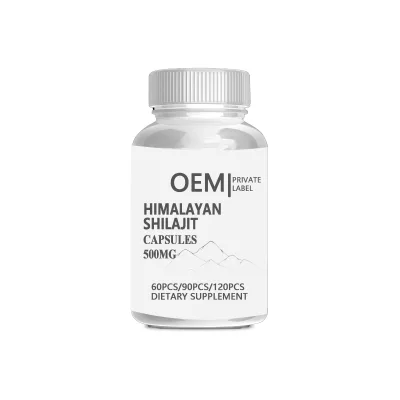


Factory Supply Boost Stamina and Athleticism Himalayan Shilajit Capsules
$2.20 - $3.10
MOQ: 100 Pieces

Manufacturer Supply Men Health Strengthen Herbal Extract Complex Shilajit Capsules
$2.10 - $3.10
MOQ: 100 Pieces


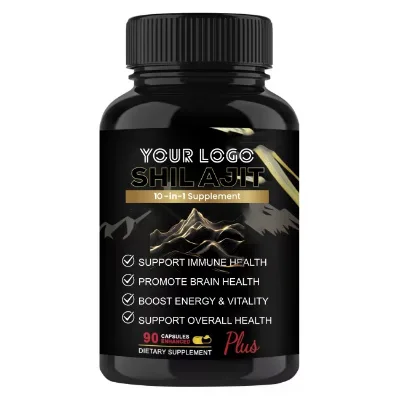
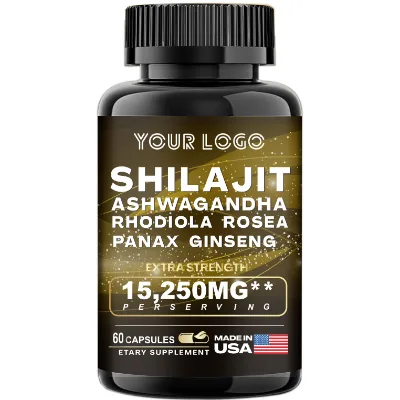
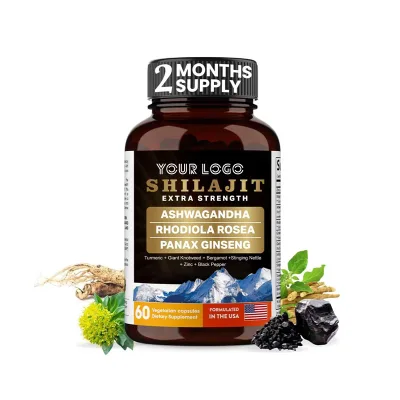
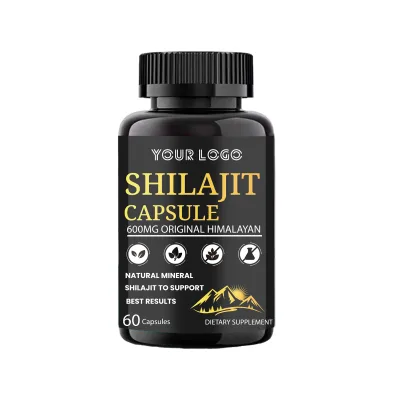
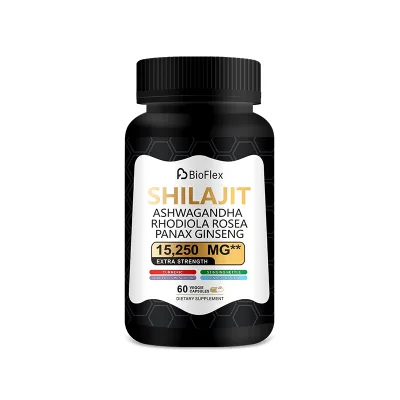
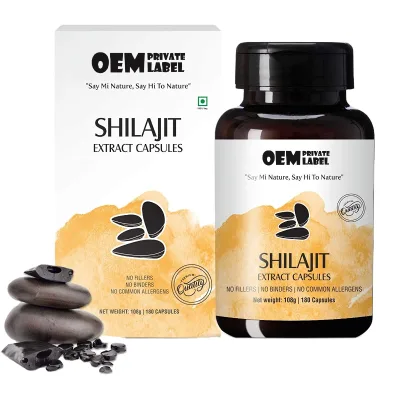

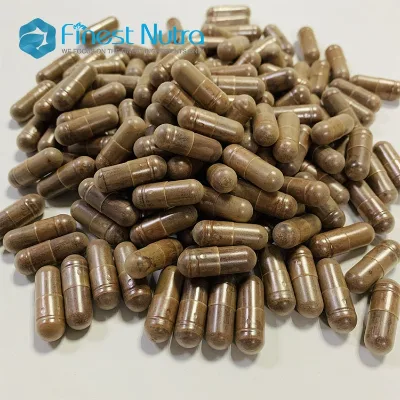
OEM Private Label Bulk Different Specifications Shilajit Extract Capsules
$0.01 - $0.05
MOQ: 100000 Minimum


Comprehensive Sourcing Guide
Strategic Sourcing Guide for High Dosage Shilajit Capsules
Understanding Product Specifications and Formulation Variability
When sourcing High Dosage Shilajit Capsules, buyers must first navigate the inherent variability in product specifications found across different manufacturing listings. The core product is identified as Shilajit Capsules, typically appearing as white capsules, though some listings simply describe the appearance as generic capsules. The physical form is consistently a capsule, designed for oral administration. A critical observation for procurement is the variation in unit specifications; while some product models indicate a standard of 60 capsules per bottle, other listings specify 90 pieces per bottle. This discrepancy necessitates a precise definition of "high dosage" in the context of the specific supplier's formulation, as the total active ingredient per serving depends on the capsule count and the concentration of the active ingredient, which is listed as Shilajit.
The packaging configuration further complicates the initial specification review. While the primary unit is a bottle, the secondary packaging varies between a paper box and a carton. One specific observation notes a bulk configuration of 100 bottles per box, with a single package size measuring 20x25x30 cm and a gross weight of 40.0 kg. This data point is essential for logistics planning, as the volume and weight of the shipment will directly impact freight costs. Furthermore, the flavor profile is noted as fruity in some instances, which may influence the target demographic, particularly if the product is marketed towards consumers who prefer palatability over the earthy taste often associated with raw shilajit. Buyers must verify if the "high dosage" claim correlates with the specific model number, such as CP-051, C, or HB-Shilajit Capsules, as these identifiers often correspond to distinct formulation strengths or production batches.
Compliance Framework and Certification Verification
In the health and wellness sector, particularly for supplements like Shilajit, compliance is not merely a regulatory checkbox but a fundamental indicator of supply chain integrity. The observed product data reveals a diverse array of certifications that suppliers may claim. These include HACCP, ISO, and GMP (Good Manufacturing Practices), which are critical for food and health care product safety. Specific listings also reference ISO9001, Halal, and Kosher certifications, indicating that the supply chain accommodates diverse religious and quality standards. Additionally, some product profiles mention FDA and BRC (British Retail Consortium) certifications, which are highly valued in Western markets for their rigorous safety protocols.
Buyers must exercise caution when interpreting these certifications. The presence of multiple certification types in a single listing, such as HACCP, FDA, ISO, and BRC, suggests a comprehensive quality management system, but it requires verification of the specific scope and validity of each certificate. The product is classified under the category of Health Care Products and Food, which subjects it to specific regulatory frameworks depending on the destination market. The Assay Method and Test procedures are listed as UV and HPLC (High-Performance Liquid Chromatography), which are standard analytical techniques for verifying the purity and concentration of active ingredients. A robust compliance strategy involves requesting current, valid certificates for each claimed standard and ensuring that the testing methods (HPLC) are applied to the specific batch being procured to confirm the Shilajit content matches the label claims.
Cost Drivers and Minimum Order Quantity Analysis
The financial structure of sourcing Shilajit capsules is influenced by several variables, including the Minimum Order Quantity (MOQ), packaging requirements, and the level of customization. The observed MOQ range is extensive, spanning from 10 units to 100,000 units, with specific product listings citing MOQs of 200 bottles or 50 bottles. This wide range indicates that the market accommodates both small-scale trial orders and large-scale industrial procurement. The listed price range in USD is observed between 0.01 and 7.3, a span that likely reflects differences in unit size, concentration, packaging complexity, and order volume rather than a fixed unit cost.
Customization is a significant cost driver. The product data confirms that customization is available, including logo printing options which can be "With Logo Printing" or "Without Logo Printing." OEM (Original Equipment Manufacturer) support is explicitly supported, allowing buyers to develop private label products. However, the ability to customize packaging and branding often comes with a higher MOQ or a setup fee. The packaging type, whether a simple bottle or a more complex box configuration, also affects the unit price. For instance, a configuration of 100 bottles per paper box adds material and labor costs compared to bulk loose packing. Buyers should calculate the total landed cost, factoring in the MOQ requirements, which can range from 50 to 200 bottles for specific models, and understand that lower unit prices are typically associated with higher volume commitments.
Typical Applications and Target Demographics
The intended use and target audience for High Dosage Shilajit Capsules are clearly defined in the product attributes. The primary function is listed as Cosmetology, yet the application is also broadly categorized under Health Care Products and Food. This dual categorization suggests versatility in marketing, allowing the product to be positioned as a general wellness supplement or a specific beauty aid. The target demographic is primarily adults, with specific attributes noting the product is suitable for "Adult" and "Applicable People: Adult." Conversely, the product is explicitly marked as "Not Applicable" for pregnant women, newborns, and children, a critical safety distinction that must be communicated in all marketing materials to ensure consumer safety.
The gender specification varies, with some listings indicating "Unisex" and others specifying "Female." This inconsistency highlights the need for buyers to align the product selection with their specific market strategy. If the target market is female-focused, a product labeled for females with a fruity flavor and vitamin-enriched features may be more appropriate. The feature list includes "Vitamins" and "Sugar-Free," which are strong selling points for health-conscious consumers. The suggested dose is 2 capsules per day, providing a clear usage guideline for end-users. The effectiveness is described as "Promotion Development," which may refer to general vitality or specific physiological benefits, though buyers should verify specific efficacy claims against local advertising regulations.
Supplier Evaluation and Operational Capabilities
Evaluating a supplier for Shilajit capsules requires a deep dive into their operational capabilities and logistical readiness. The place of origin is identified as Shaanxi, China, a region known for its pharmaceutical and herbal production. The storage requirements are strict, mandating a "Cool and Dry Place" or "Cool Dry Place" to maintain product integrity. The shelf life is consistently listed as 24 months, which provides a reasonable window for distribution and sales. However, buyers must verify that the supplier's storage facilities actually meet these conditions to prevent degradation of the active Shilajit ingredient.
Sample availability is a key factor in supplier evaluation, as the data confirms that samples are available. This allows buyers to conduct physical inspections of the capsule appearance, packaging quality, and taste before committing to a large order. The ability to support OEM and logo printing indicates a flexible manufacturing environment capable of meeting private label requirements. When evaluating suppliers, buyers should request proof of the Assay Method results (UV, HPLC) for the specific sample batch. The presence of multiple certifications like HACCP, GMP, and ISO suggests a mature quality system, but the buyer must confirm that these certifications are current and applicable to the specific production line. The single gross weight of 40.0 kg for a standard package unit provides a baseline for freight estimation, but buyers should confirm if this weight includes the packaging materials or if it is the net weight of the product.
Long-Term Procurement and Quality Assurance Strategies
Sourcing High Dosage Shilajit Capsules for the long term requires a proactive approach to quality assurance and supply chain stability. The variability in product models (CP-051, C, HB-Shilajit Capsules) and specifications (60 vs. 90 capsules per bottle) underscores the importance of establishing a standardized product specification document. This document should lock in the exact model number, capsule count, packaging configuration, and active ingredient concentration to prevent drift in product quality over time. Regular quality audits should be scheduled to ensure that the supplier continues to meet the agreed-upon standards, particularly regarding the HPLC test results and the integrity of the 24-month shelf life.
Buyers should also consider the implications of the "Sugar-Free" and "Vitamins" features on the supply chain. These attributes may require specific sourcing of excipients or vitamin blends, which could introduce additional points of failure if the supplier changes suppliers without notification. Maintaining a relationship with a supplier that offers strong OEM support and customization is beneficial for adapting to market trends, such as shifting from unisex to gender-specific marketing. Finally, the storage and shipping logistics must be meticulously planned. Given the requirement for a cool and dry storage environment, buyers must ensure that the transportation method maintains these conditions throughout the supply chain to preserve the product's efficacy and safety until it reaches the end consumer.
FAQs
What certifications do High Dosage Shilajit Capsules typically have?
Products often carry HACCP, ISO, and GMP certifications. Some listings also include Halal, Kosher, FDA, and BRC approvals. Buyers should verify the validity of each certificate for the specific production batch to ensure compliance with local regulations.
How many capsules are included per bottle in these products?
Specifications vary between 60 and 90 capsules per bottle depending on the model. Buyers must confirm the exact count, such as 60 or 90 pieces, before ordering to ensure the dosage aligns with their product requirements and labeling claims.
Can I customize the packaging and logo on these capsules?
Yes, customization is available with options for logo printing or no logo. OEM support allows for private label development. Buyers should note that customization may require meeting specific minimum order quantities or incurring setup fees.
What is the minimum order quantity for High Dosage Shilajit Capsules?
MOQs range widely from 50 to 200 bottles depending on the supplier and model. Some listings specify 50 bottles while others require 200 bottles. Buyers should check the specific model requirements to plan their initial procurement volume accurately.
Where are these High Dosage Shilajit Capsules manufactured?
The place of origin is Shaanxi, China. This region is known for pharmaceutical and herbal production. Buyers should verify the specific factory location within Shaanxi to ensure it meets their logistical and quality assurance standards.
How long is the shelf life of these capsules?
The shelf life is consistently listed as 24 months. Products must be stored in a cool and dry place to maintain integrity. Buyers should plan their distribution timeline to ensure delivery occurs well before the expiration date.