Source Gluten-Free Natural Shilajit Sticks for Energy and Immunity
Compare 30 listings for Gluten-Free Natural Shilajit Sticks designed for adults seeking immune support and energy. These products feature organic ingredients, custom packaging options, and OEM services from verified manufacturers in Guangdong; compare the available evidence and request quotations based on your requirements.
Key considerations
Products List


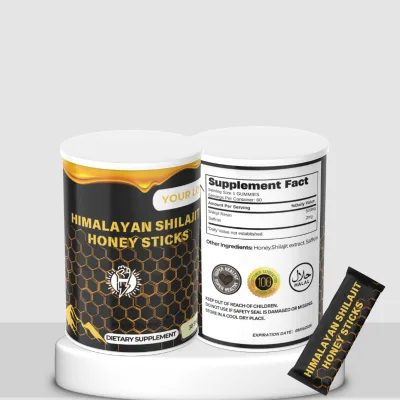


Tiktok Himalayan Gold Shilajit Sticks Honey for Energy Boost & Immune Support
$8.00 - $10.00
MOQ: 3000 Pieces


Comprehensive Sourcing Guide
Gluten-Free Natural Shilajit Sticks Sourcing Guide
Sourcing gluten-free natural shilajit sticks requires a disciplined approach to verifying ingredient purity and manufacturing integrity. Buyers must prioritize suppliers who explicitly declare gluten-free dietary specifications, as cross-contamination risks are significant in shared production facilities. The observed market signals indicate a strong emphasis on organic and natural attributes, which directly correlates with consumer demand for clean-label energy and immunity support products. Procurement teams should scrutinize the main ingredient declarations to ensure the shilajit resin is sourced from reputable origins, typically Guangdong, China, as indicated by current listing data.
Verification of the dosage form is critical, as these products are marketed as oral liquid sticks or honey sticks rather than traditional gummies or tablets. This format offers distinct advantages in portability and rapid absorption, appealing to adult consumers seeking convenient energy management solutions. Buyers should confirm that the "natural flavor" and "fruity" profiles are derived from legitimate sources without artificial additives, aligning with the gluten-free and sugar-free claims. Understanding the specific product specification, such as 30 sticks per bottle or carton, helps in calculating accurate unit costs and storage requirements for global distribution networks.
Product Scope and Observed Listing Signals
The current product landscape for shilajit sticks highlights a convergence of traditional adaptogens with modern delivery systems. Listings frequently emphasize features such as sugar-free formulations and organic certification, catering to health-conscious adults who require immunity improvement and sustained energy without glycemic spikes. The observed price range of 0.15 to 65 USD suggests a wide variance in quality, packaging, and order volume, necessitating careful evaluation of value propositions. Buyers should note that while some listings mention gummies, the core keyword focus remains on stick formats, which often imply a honey-based or liquid concentrate delivery method.
Customization options are prominently available, with many suppliers offering OEM and ODM services for private labeling. This flexibility allows brands to tailor packaging, such as single-item single-packaging or bulk carton configurations, to meet specific retail or e-commerce requirements. The availability of sample support with a minimum order quantity (MOQ) of 1 unit enables rigorous quality testing before committing to larger production runs. Procurement specialists should leverage these customization capabilities to align product aesthetics and functional claims with their target demographic’s preferences, ensuring market differentiation.
Technical Specifications to Verify
Technical due diligence must begin with verifying the single gross weight and package dimensions, which typically range around 0.367 to 0.420 kg per unit. These metrics are essential for calculating freight costs and optimizing warehouse storage efficiency, particularly when shipping from origins like Guangdong, China. Buyers should confirm the single package size, often cited as 11x11x16 cm or 11x11x19 cm, to ensure compatibility with existing logistics infrastructure. Discrepancies in weight and volume data between supplier quotes can indicate inconsistent manufacturing processes or packaging materials, which may affect product stability and shelf life.
The dosage form and storage method are equally critical technical parameters. Products are generally required to be stored in a cool, dry place to maintain the potency of the shilajit and prevent degradation of the natural ingredients. Verification of the shelf life, commonly stated as 24 months, is necessary to ensure inventory turnover aligns with expiration dates. Additionally, buyers should confirm the exact number of sticks per container, such as 30 sticks, to accurately assess the cost per serving. Ensuring that the dosage form matches the labeled product benefit, such as immune support or energy management, prevents regulatory discrepancies in target markets.
Compliance and Safety Documentation
Compliance verification is paramount for gluten-free and organic claims, requiring robust documentation from certified suppliers. Buyers must request evidence of HACCP, GMP, and ISO certifications to ensure that manufacturing facilities adhere to international food safety standards. These certifications provide a baseline assurance that the production environment minimizes risks of contamination, including gluten cross-contact, which is vital for products marketed to sensitive consumer segments. Without these credentials, the risk of regulatory non-compliance and subsequent product recalls increases significantly, jeopardizing brand reputation and market access.
Dietary specialty declarations, such as natural and gluten-free, must be backed by laboratory test results or third-party audits. Procurement teams should verify that the supplier can provide certificates of analysis (COAs) that explicitly confirm the absence of gluten and the presence of declared active ingredients. The "natural flavor" and "sugar-free" attributes also require validation to ensure they meet local labeling regulations in destination markets. Buyers should establish clear contractual clauses that hold suppliers accountable for any discrepancies between declared specifications and actual product composition, ensuring legal protection and consumer trust.
Cost Drivers and Commercial Terms
Cost structures for shilajit sticks are influenced by raw material quality, certification status, and order volume. The observed MOQ range of 1 to 100,000 units allows for flexible entry strategies, from small-scale testing to large-scale commercial deployment. Buyers should analyze the price per unit in the context of the packaging type, whether bottle, carton, or stick format, as these affect both unit cost and logistical efficiency. Higher prices may correlate with superior organic sourcing or more complex customization requirements, such as private label printing and unique packaging designs.
Commercial terms, including payment methods and sample availability, play a crucial role in the procurement process. Suppliers offering sample support with low MOQs enable buyers to conduct sensory and quality evaluations before finalizing contracts. It is essential to clarify whether the listed prices include shipping, taxes, and customization fees, as these can significantly impact the total landed cost. Buyers should negotiate clear terms for lead times and production schedules to ensure timely delivery, especially when dealing with seasonal demand fluctuations or promotional campaigns.
Supplier Qualification and Quality Control
Supplier qualification extends beyond certification checks to include an assessment of manufacturing capabilities and quality control protocols. Buyers should evaluate the supplier’s ability to maintain consistency in product specification, such as the 30 sticks per bottle format, across large production batches. Inquiring about their raw material sourcing practices for shilajit and honey ensures that the natural ingredients meet the claimed organic and gluten-free standards. Suppliers with transparent supply chains and rigorous internal testing procedures are better positioned to deliver reliable, high-quality products.
Quality control measures should include regular audits of production lines and final product inspections. Buyers must verify that the supplier implements effective storage methods, such as conventional storage in cool, dry areas, to preserve product integrity. Establishing a clear communication channel for addressing quality issues is essential for long-term partnerships. Procurement teams should also assess the supplier’s responsiveness to customization requests, such as logo printing and package color adjustments, to ensure they can meet specific brand requirements efficiently.
Long-Term Procurement Checks
Long-term procurement success depends on continuous monitoring of supplier performance and market trends. Buyers should regularly review product specifications and compliance documentation to ensure ongoing adherence to regulatory changes in target markets. Tracking the shelf life and storage conditions of delivered goods helps in managing inventory effectively and minimizing waste. Establishing key performance indicators (KPIs) for quality, delivery times, and customer feedback allows for data-driven decisions regarding supplier retention and expansion.
Adapting to evolving consumer preferences is crucial for maintaining product relevance. As demand for natural, gluten-free, and sugar-free energy supplements grows, buyers should stay informed about new ingredient innovations and delivery formats. Collaborating with suppliers on product development can lead to differentiated offerings that capture emerging market segments. Regularly reassessing the cost structure and commercial terms ensures that the procurement strategy remains competitive and aligned with business objectives, fostering sustainable growth in the health and wellness sector.
FAQs
What certifications do the shilajit sticks have?
The products hold HACCP, GMP, and ISO certifications to ensure safety and quality standards. These credentials verify that the manufacturing processes meet international requirements for food supplements. Buyers can rely on these documented standards when evaluating supplier compliance and product integrity for their specific market needs.
Can I request custom packaging for these sticks?
Customization is available for branding and packaging requirements to suit your business needs. Suppliers offer OEM and ODM services allowing you to apply your logo and design preferences. This flexibility ensures the final product aligns with your brand identity while maintaining the natural and gluten-free attributes of the core ingredients.
What is the minimum order quantity for samples?
Sample support is available with a minimum order quantity that can range from one to one hundred thousand units depending on the specific configuration. Buyers can request samples to verify product quality before committing to larger bulk orders. This approach allows for thorough evaluation of the shilajit honey sticks without immediate large-scale financial commitment.
How should the shilajit sticks be stored?
Store the products in a cool and dry place to maintain their efficacy and shelf life. The recommended storage method ensures the natural ingredients remain stable for up to twenty-four months. Following these conditions prevents degradation and preserves the immune support and energy benefits provided by the organic formulation.
Which dietary specifications apply to these supplements?
These supplements are formulated as natural and gluten-free options suitable for adults. The product specification highlights that they are designed for general adult consumption without specific allergens. This makes them an appropriate choice for consumers seeking clean label dietary supplements that support immunity and energy management.
What is the main function of the shilajit sticks?
The primary functions include improving immunity and providing energy to support daily activities. These benefits are derived from the main ingredient, shilajit, combined with natural honey in a convenient stick format. The formulation targets adults looking for natural ways to enhance their physical well-being and vitality levels.