Source Coq10 Granules for Medicine, Food, and Supplements
Find 30 verified Coq10 Granules suppliers offering yellow powder with >98% purity. Compare HPLC-tested products suitable for health care, food, and beverage applications. Evaluate customization options and packaging details for your sourcing needs; compare the available evidence and request quotations based on your requirements.
Key considerations
Products List


GMP Standard High Quality Coq 10 Ubiquinol Raw Material Coenzyme Q10 Powder 99% Purity
$200.00 - $250.00
MOQ: 25 kg


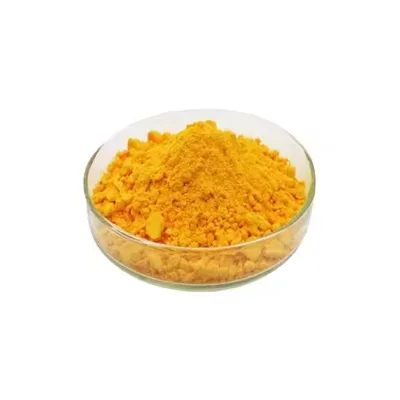
Hot Selling High Quality 98% Coenzyme Q10 Coenzyme COQ10 with Bulk Price
$159.39 - $185.32
MOQ: 1 Minimum


Comprehensive Sourcing Guide
Coq10 Granules Sourcing Guide
Procuring Coenzyme Q10, also known as Ubidecarenone, requires a clear understanding of its physical form and intended industrial application. The market primarily offers this active ingredient in powder form, often described as a yellow powder with high purity levels. Buyers must distinguish between generic pharmaceutical intermediates and specialized cosmetic or food-grade materials, as the regulatory requirements and quality controls differ significantly between these categories.
The sourcing landscape includes suppliers from China offering various packaging options, typically ranging from small free samples for testing to bulk drums. Understanding the specific grade required—whether for health care products, supplements, or food and beverage applications—is the first critical step. This guide outlines the essential verification steps to ensure that the selected Coq10 Granules meet your specific operational and compliance needs.
Product Scope and Observed Listing Signals
Market listings for Coenzyme Q10 frequently highlight its role as a potent antioxidant and immune system activator. Suppliers often emphasize its benefits for cardiovascular health and anti-aging effects, targeting both adult and elderly demographics. These functional claims are central to its value proposition in the health care and supplement sectors, where it is used to support cellular energy production and protect against oxidative stress.
Observed product attributes indicate a strong presence in the USA, Europe, and Oceanian markets. The material is commonly sourced through artificial planting and solvent extraction methods, resulting in a standardized yellow powder. Buyers should note that while "granules" are the search term, the supplied data predominantly describes powder forms, suggesting that granulation may be a secondary processing step or a specific variant not universally listed.
Technical Specifications to Verify
Purity is a primary technical differentiator, with observed standards citing levels above 98% or 99%. Buyers must verify the exact assay method used, typically High-Performance Liquid Chromatography (HPLC) or UV spectroscopy, to ensure accurate quantification of the active ingredient. The particle size specification is also critical, with some listings noting that 95% of the material passes an 80-mesh sieve, which affects solubility and mixing efficiency in final formulations.
The total plate count is another vital quality metric, with some data indicating a limit of 10,000 CFU/g. This microbial limit is essential for ensuring the safety of the ingredient in food and cosmetic applications. Additionally, the nutrient composition is often listed as protein, which may refer to the carrier or excipient used in the granulation process rather than the CoQ10 itself, requiring careful label verification.
Compliance and Safety Documentation
Regulatory compliance is non-negotiable for Coenzyme Q10, especially when used in medicine or health care products. Suppliers should provide certifications such as FDA, ISO, HACCP, USP, and BP to demonstrate adherence to international quality and safety standards. These documents verify that the manufacturing process meets rigorous hygiene and quality control protocols, reducing the risk of contamination or non-compliance in your final product.
For markets with specific dietary or religious requirements, certifications like Kosher and Halal are often available. Buyers must confirm that the supplier holds these specific endorsements if their end products are targeted at these consumer segments. The quality guarantee period is typically two years, provided the product is stored sealed in a cool and dry place, which must be clearly stated in the contract.
Cost Drivers and Commercial Terms
Pricing for Coenzyme Q10 varies widely, observed ranges extending from low-cost samples to premium bulk quantities. The minimum order quantity (MOQ) can range from small test batches to large industrial drums, impacting the initial capital outlay. Buyers should consider the cost implications of different packaging options, such as 25kg paper drums with polyethylene lining, which offer protection against moisture and contamination during transit.
Shipping methods, including air, sea, or courier services, also influence the total landed cost. For urgent or small-scale needs, courier services may be preferred despite higher per-unit costs, while bulk shipments benefit from sea freight economies of scale. Negotiating clear terms for sample provision, such as free 10g-20g samples for testing, can help mitigate the risk of selecting an unsuitable supplier before committing to a large purchase.
Supplier Qualification and Quality Control
Evaluating supplier capability requires a review of their production methods and quality assurance systems. Suppliers claiming artificial planting and solvent extraction should provide evidence of their extraction efficiency and purification processes. It is essential to verify that the supplier can consistently deliver the specified purity and particle size, as variations can affect the efficacy of the final health care or cosmetic product.
Quality control should extend beyond the initial batch to include ongoing monitoring. Buyers should request recent test reports and verify the supplier’s ability to provide customized solutions if specific grades or packaging are required. The supplier’s experience in exporting to regions like the USA and Europe can also serve as an indicator of their ability to navigate complex regulatory environments and maintain consistent quality standards.
Long-Term Procurement Checks
Establishing a reliable supply chain for Coenzyme Q10 involves regular audits and performance reviews. Buyers should monitor shelf-life compliance, ensuring that delivered batches have sufficient remaining validity, typically 24 months from production. Consistent communication with the supplier regarding storage conditions is vital to prevent degradation of the active ingredient, which can be sensitive to heat and light.
Long-term partnerships should include clear protocols for handling deviations or quality issues. Suppliers should be willing to provide detailed documentation for each shipment, including certificates of analysis and compliance. By maintaining a rigorous verification process, buyers can ensure that their Coq10 Granules continue to meet the high standards required for medicine, food, and cosmetic applications over time.
FAQs
What is the purity level of Coenzyme Q10 powder?
The product purity exceeds 98 percent for Coenzyme Q10 powder. This high-grade material meets USP and BP standards while serving as a key ingredient in health care products and supplements for adults and the elderly.
How is the Coenzyme Q10 powder extracted?
Extraction is performed using solvent extraction methods on artificially planted materials. The resulting yellow powder is processed to ensure high purity and is suitable for use in food, beverages, and pharmaceutical intermediates.
Which certifications does the Coenzyme Q10 product hold?
The product holds multiple certifications including FDA, ISO, Kosher, Halal, and USP. These credentials ensure the material meets international safety and quality standards for use in medicine, food, and health care applications globally.
Can I request a free sample for testing purposes?
Yes, a free sample ranging from 10 to 20 grams is available for your testing purpose. This allows buyers to verify the yellow powder quality and specifications before committing to larger orders of 25 kilograms per drum.
What are the main functions of Coenzyme Q10 powder?
The powder functions as an antioxidant, activates the immune system, and protects against cardiovascular issues. It is also effective for anti-aging purposes and is widely used in supplements and food and beverage products.
How should the Coenzyme Q10 powder be stored?
Store the powder in a sealed container within a cool and dry place to maintain quality. The product has a shelf life of 24 months and is packaged in 25 kilogram paper drums with polyethylene lining.
What is the minimum order quantity for Coenzyme Q10?
The minimum order quantity ranges from one unit up to 500 units depending on the specific supplier. Customization is available for various specifications, and the product is sold in hot markets across the USA and Europe.