Source Organic Progesterone Capsules for Women Health
Find 30 verified listings for Organic Progesterone Capsules suitable for adult women's health needs. Compare specifications, certifications, and pricing from multiple suppliers to identify the best fit for your sourcing requirements; compare the available evidence and request quotations based on your requirements.
Key considerations
Products List


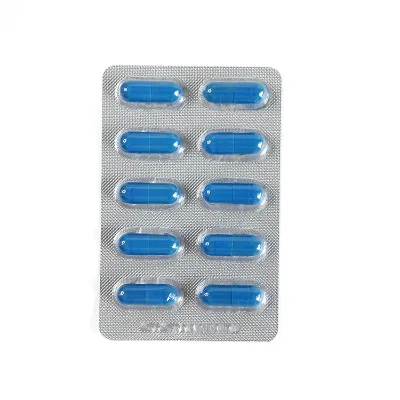
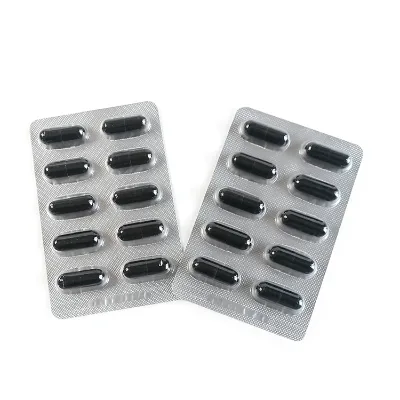
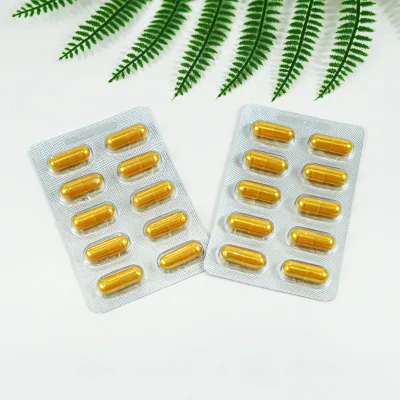


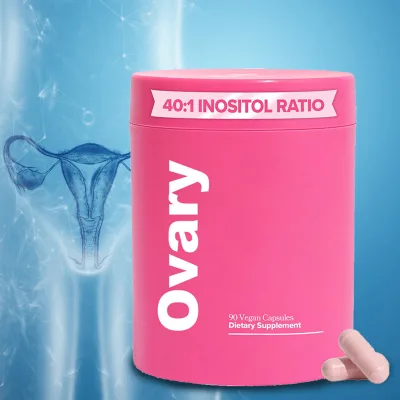

Comprehensive Sourcing Guide
Organic Progesterone Capsules Sourcing Guide
Procuring Organic Progesterone Capsules requires a disciplined approach to verifying both the botanical origin of the raw materials and the integrity of the final formulation. Buyers must distinguish between synthetic micronized progesterone and naturally derived alternatives, as the market listings often conflate these distinct categories. The observed product data indicates a strong presence of customization options, including OEM services and private labeling, which suggests that many suppliers operate as contract manufacturers rather than simple distributors. This distinction is critical for brands seeking to establish a unique market identity while ensuring that the "organic" claim is substantiated by verifiable supply chain documentation.
The sourcing landscape for these capsules is characterized by a wide variance in packaging formats and dosage strengths, ranging from standard 60-capsule bottles to customized box configurations. Suppliers frequently offer flexible packaging solutions, such as 28+28 day cycles or bulk shipping units, to accommodate diverse retail and clinical distribution needs. However, the presence of mixed product attributes in some listings, including non-progesterone items like indomethacin or doxycycline, highlights the importance of rigorous supplier vetting. Buyers must ensure that the specific SKU they are ordering corresponds exactly to the organic progesterone formulation they require, avoiding confusion with unrelated pharmaceutical or supplement products listed by the same vendor.
Product Scope and Observed Listing Signals
The current market signals for Organic Progesterone Capsules reveal a diverse array of product models and packaging configurations designed to meet various consumer preferences. Listings frequently highlight customization capabilities, allowing buyers to tailor the final product to specific brand requirements, including logo printing and unique packaging structures. The observed data shows that products are often marketed with features such as "organic" and "vitamins," suggesting a holistic approach to women’s health supplements. Buyers should note that while some listings specify a CAS number of 57-83-0, which corresponds to progesterone, the "organic" designation may refer to the extraction method or the carrier ingredients rather than the hormone itself, necessitating careful review of the ingredient list.
Packaging variations are a significant aspect of the observed product scope, with options ranging from standard bottles containing 60 capsules to specialized box sets. Some suppliers offer free packaging customization or specific shipping-oriented packaging solutions, which can impact logistics costs and product protection during transit. The presence of multiple product models, such as LM-Progesterone Capsule and KM-Progesterone 100mg, indicates that suppliers may offer different strengths or formulations under the same general category. Buyers must verify the exact composition and strength of each model to ensure alignment with their target demographic’s needs, particularly given the emphasis on female-specific health products in the current listings.
Technical Specifications to Verify
Verifying the technical specifications of Organic Progesterone Capsules is essential to ensure product efficacy and consistency. Buyers should prioritize the verification of the molecular formula, typically C21H30O2 for progesterone, and confirm the purity standards, which are often cited as 99% in supplier listings. It is crucial to distinguish between the active ingredient’s chemical identity and the overall formulation’s quality, as the presence of other compounds or fillers can affect the product’s performance. The observed data includes various dosage strengths, such as 100mg and 400mg, which suggests that suppliers may offer different concentrations for different therapeutic or supplemental purposes. Buyers must clearly define the required dosage in their procurement specifications to avoid receiving incorrect strengths.
Storage conditions and shelf life are critical technical parameters that influence product stability and safety. Listings commonly specify storage in a cool, dry area and a shelf life of two years, which are standard for many capsule-based supplements. However, buyers should verify if these conditions apply to the raw materials, the finished capsules, or both, as improper storage can degrade the active ingredient. Additionally, the observed mention of specific product models like "health care product" or "Chaste tree berry" indicates that some listings may combine progesterone with other botanical ingredients. Buyers must confirm the exact composition of each capsule to ensure that the organic progesterone is not diluted or altered by incompatible additives.
Compliance and Safety Documentation
Compliance and safety documentation form the backbone of a trustworthy procurement process for Organic Progesterone Capsules. Buyers must request and verify Certificates of Analysis (COA) and Material Safety Data Sheets (MSDS) for every batch, as these documents provide independent verification of the product’s purity and safety profile. The observed listings mention various certifications, including GMP, ISO, HACCP, and KOSHER, which indicate adherence to specific manufacturing and quality standards. However, buyers should confirm that these certifications are current and applicable to the specific facility producing the progesterone capsules, as certifications can sometimes be held by the parent company rather than the manufacturing site.
The availability of a CTD (Common Technical Document) dossier is another critical compliance factor, particularly for markets with stringent regulatory requirements. Buyers should ensure that the supplier can provide comprehensive documentation that supports the product’s safety and efficacy claims, including data on raw material sourcing and manufacturing processes. The presence of QS (Quality System) certification alongside HACCP and ISO further suggests a robust quality management system, but buyers must verify the scope of these certifications. It is also important to confirm that the supplier’s compliance documentation aligns with the regulatory requirements of the destination market, ensuring that the product can be legally imported and sold.
Cost Drivers and Commercial Terms
Understanding the cost drivers and commercial terms is vital for effective budgeting and negotiation in the procurement of Organic Progesterone Capsules. The observed price range of $0.01 to $60 USD reflects a wide variance based on factors such as dosage strength, packaging complexity, and order volume. Buyers should recognize that lower prices may correspond to higher MOQs or simpler packaging, while premium organic formulations with custom branding may command higher prices. The flexibility in payment methods, including TT, PayPal, and Western Union, offers convenience but also introduces varying levels of transaction security and fees that should be factored into the total cost analysis.
MOQs and shipping terms significantly impact the overall cost structure, with observed MOQs ranging from 10 bottles to 1,000,000 units. Buyers must align their order quantities with their sales forecasts to avoid excessive inventory holding costs or stockouts. Shipping options such as FedEx, UPS, and specialized lines offer different speed and cost profiles, which should be evaluated based on the urgency of the order and the sensitivity of the product to transit conditions. Additionally, the availability of customization services, including OEM and logo printing, may incur additional setup fees or minimum order requirements that buyers should negotiate upfront to ensure transparency in the final invoice.
Supplier Qualification and Quality Control
Supplier qualification and quality control are paramount when sourcing Organic Progesterone Capsules to mitigate risks associated with product inconsistency or regulatory non-compliance. Buyers should conduct thorough due diligence on potential suppliers, verifying their manufacturing capabilities, quality management systems, and track record in the supplement industry. The observed emphasis on customization and OEM services suggests that many suppliers are experienced in contract manufacturing, but buyers must still assess their ability to maintain strict quality control throughout the production process. Requesting samples and conducting independent laboratory testing is a critical step to verify the product’s identity, strength, and purity before committing to large orders.
Quality control protocols should include regular audits of the supplier’s facilities and processes, ensuring that they adhere to the stated certifications such as GMP and ISO. Buyers should also establish clear communication channels for addressing any quality issues or deviations from specifications, ensuring that corrective actions are implemented promptly. The observed mention of specific product models and packaging options indicates that suppliers may have diverse production lines, so buyers must ensure that the specific product they are ordering is produced under the same rigorous quality standards. Building a long-term relationship with a qualified supplier can enhance consistency and reliability in the supply chain.
Long-Term Procurement Checks
Long-term procurement checks are essential for maintaining the integrity and competitiveness of the organic progesterone capsule supply chain. Buyers should implement regular review cycles to assess supplier performance, including on-time delivery rates, product quality consistency, and responsiveness to issues. The dynamic nature of the supplement industry means that regulatory requirements and market trends can change rapidly, so buyers must stay informed about any updates to compliance standards or consumer preferences. Continuous monitoring of the supplier’s certification status and quality control practices is necessary to ensure that they remain compliant with current regulations and industry best practices.
Additionally, buyers should evaluate the supplier’s ability to innovate and adapt to new market demands, such as the development of new formulations or packaging solutions. The observed trend towards customization and organic ingredients suggests that suppliers who can offer flexible and innovative solutions may provide a competitive advantage. Buyers should also consider diversifying their supplier base to mitigate risks associated with single-source dependencies, while maintaining strong relationships with key partners. Regular feedback loops and collaborative planning with suppliers can help identify opportunities for improvement and ensure that the procurement strategy remains aligned with the company’s long-term goals.
FAQs
What certifications do the Organic Progesterone Capsules hold?
The capsules hold KOSHER, HACCP, GMP, and ISO certifications. These credentials ensure compliance with international quality and safety standards for dietary supplements. Buyers can verify these through the provided COA and MSDS documents. This makes the product suitable for regulated markets requiring strict manufacturing oversight and quality assurance protocols.
Can I customize the packaging for these progesterone capsules?
Yes, customization is available for both packaging and branding. The supplier offers OEM services with logo printing options. Packaging formats include bottles containing 60 capsules or boxes with 28+28 counts. Buyers can request specific packing requirements to align with their brand identity and distribution needs effectively.
What is the minimum order quantity for these capsules?
The minimum order quantity is 10 bottles. This low MOQ allows buyers to test the market with minimal initial investment. The supplier supports flexible ordering to accommodate small businesses and larger distributors alike. This structure helps reduce inventory risk while ensuring consistent supply for ongoing product requirements.
How should the progesterone capsules be stored?
Store the capsules in a cool, dry area to maintain potency. The shelf life is two years when stored correctly. Proper storage prevents degradation of the active ingredients. Buyers should ensure their warehousing conditions meet these requirements to preserve product quality and ensure safety for end consumers throughout the distribution chain.
What payment methods are accepted for this product?
Accepted payment methods include TT, PayPal, and Western Union. These options provide flexibility for international transactions. Buyers can choose the method that best suits their financial operations. The supplier supports various secure payment channels to facilitate smooth trade processes and ensure timely order processing for global clients.
Which shipping carriers are used for delivery?
Shipping is handled via FedEx, UPS, and specially designed lines. These carriers ensure reliable and timely delivery to various destinations. Buyers can select the most suitable logistics option based on urgency and cost. The supplier coordinates with these carriers to provide efficient global distribution for all orders placed.