Source Organic Sugar-Free Collagen Gummies for Wellness, Beauty, and Energy
Compare 30 listings for Organic Sugar-Free Collagen Gummies from verified manufacturers. Buyers can evaluate customization options, certifications, and pricing to find suitable suppliers for health supplement needs. Explore various models like RT-57 and RT-86 with fruity flavors and natural resources. Check storage methods and shelf life details before placing orders.
Key considerations
Products List


Functional Gummy Sugar-Free Wholesale Brightening Skin Whitening Collagen Gummy
$3.30 - $3.80
MOQ: 200 bottle


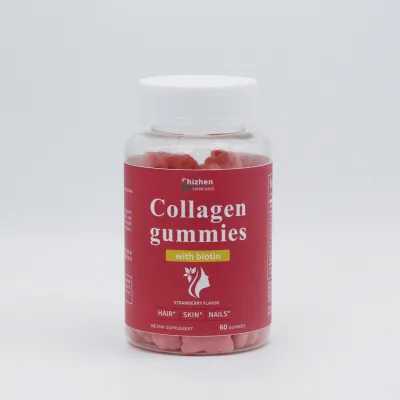


OEM. Whitening Gummies - Collagen Gummies - Glutathione. Health Supplements
$2.00 - $3.50
MOQ: 500 Pieces


Private Label Collagen Supplement Vegan Collagen Collagen Gummies for Skin
$1.75 - $2.97
MOQ: 200 pieces


OEM Private Label Collagen Gummies Nourish The Skin and Support Bone Health
$1.70 - $3.85
MOQ: 100 bottle


Comprehensive Sourcing Guide
Organic Sugar-Free Collagen Gummies Sourcing Guide
Sourcing organic sugar-free collagen gummies requires a nuanced understanding of the intersection between dietary restrictions and functional supplement trends. Buyers must navigate a market where "organic" and "sugar-free" are not merely marketing terms but critical compliance markers that dictate ingredient sourcing and manufacturing processes. The demand for these products is driven by health-conscious consumers seeking collagen benefits without the glycemic impact of traditional sugars or the artificial additives often found in standard gummy candies. This niche demands suppliers who can balance taste, texture, and nutritional integrity while adhering to strict organic certification standards.
Procurement teams must also consider the variability in active substance content, which can range significantly across different product formulations. Some listings indicate active content below thirty percent, while others claim over ninety percent, necessitating rigorous verification of label claims against actual laboratory results. The distinction between natural and synthetic sources of collagen and vitamins further complicates the selection process, as does the need for customized flavor profiles that appeal to adult demographics without relying on high-sugar bases. Understanding these technical nuances is essential for aligning product specifications with target market expectations and regulatory requirements.
Product Scope and Observed Listing Signals
The current market landscape for collagen gummies reveals a diverse array of product models and packaging configurations, reflecting the flexibility of modern contract manufacturers. Listings frequently highlight customization options, allowing buyers to tailor nutrient compositions, flavors, and dosage forms to specific brand identities. Common specifications include gummy weights ranging from two to four grams per piece, with packaging formats varying from individual bottles to bulk cartons containing dozens of units. This variability underscores the importance of clearly defining your requirements early in the sourcing process to avoid misalignment between sample expectations and final production runs.
Observed listing signals also point to a strong emphasis on private label services, with many suppliers offering OEM and ODM capabilities to support brand development. The presence of multiple product models, such as RT-57 or RT-86, suggests that manufacturers maintain a library of base formulas that can be modified for specific client needs. Buyers should pay close attention to the stated shelf life, which often exceeds twelve months, and storage requirements, which typically specify cool, dry places to maintain gummy integrity. These operational details are crucial for logistics planning and ensuring product quality remains intact throughout the supply chain.
Technical Specifications to Verify
Verifying technical specifications is paramount when sourcing collagen gummies, particularly regarding the dosage form and nutrient composition. Buyers must confirm whether the product is classified as a food or a health supplement, as this distinction impacts labeling regulations and marketing claims. The content of active substances, whether collagen peptides or added vitamins, must be explicitly defined and verified through third-party testing to ensure consistency. Additionally, the choice of sweeteners in sugar-free formulations requires scrutiny to ensure they meet organic standards and do not introduce unwanted aftertastes or digestive issues for sensitive consumers.
Packaging specifications also play a critical role in product protection and consumer experience. The use of plastic bottles is common, but buyers should verify the material quality and closure integrity to prevent moisture ingress, which can degrade gummy texture. Carton dimensions and unit counts, such as sixty pieces per bottle or forty-eight bottles per carton, must be aligned with your distribution channel requirements. Furthermore, the single gross weight and package dimensions are essential for calculating freight costs and warehouse storage efficiency, making accurate data verification a key step in the procurement workflow.
Compliance and Safety Documentation
Compliance with safety and quality standards is non-negotiable in the supplement industry, requiring buyers to request comprehensive documentation from suppliers. Certifications such as GMP, ISO, HACCP, and FDA registration are critical indicators of a manufacturer’s commitment to quality control and regulatory adherence. Buyers should verify the validity of these certifications and ensure they cover the specific facilities producing the collagen gummies. Additionally, organic certification must be confirmed through recognized bodies to support marketing claims and meet the expectations of health-conscious consumers who prioritize clean-label products.
Beyond manufacturing certifications, buyers must also address labeling compliance, which varies by target market. This includes accurate ingredient listing, allergen declarations, and nutritional facts panels that reflect the actual product composition. The presence of sugar-free claims requires verification that no hidden sugars or high-glycemic sweeteners are used, while organic claims must be backed by traceable supply chain documentation. Engaging with legal or regulatory experts to review labeling drafts before production begins can prevent costly recalls and ensure that the product meets all local and international regulatory requirements.
Cost Drivers and Commercial Terms
Understanding the cost drivers behind organic sugar-free collagen gummies helps buyers negotiate better commercial terms and forecast budgets accurately. The primary cost factors include the quality and source of collagen, the type of sweeteners used, and the complexity of the customization requested. Organic ingredients and specialized sweeteners typically command higher prices, while complex flavor profiles or unique textures may increase production costs. Buyers should also consider the impact of packaging materials and design on overall costs, as premium packaging can significantly affect the final unit price.
Commercial terms such as MOQ, lead times, and payment conditions are equally important in shaping the procurement strategy. While some suppliers offer low MOQs to facilitate market testing, others may require larger orders to achieve economies of scale. Lead times can vary based on the level of customization and current production capacity, so it is essential to establish clear timelines and contingency plans. Additionally, buyers should inquire about sample policies and pricing structures to understand the total cost of ownership, including any fees for tooling, design, or regulatory testing.
Supplier Qualification and Quality Control
Supplier qualification involves a thorough assessment of manufacturing capabilities, quality control systems, and past performance. Buyers should conduct on-site audits or request detailed virtual tours to verify production environments and hygiene standards. It is crucial to evaluate the supplier’s ability to maintain consistency in product quality, particularly regarding active substance content and gummy texture. Requesting references from existing clients, especially those in similar markets, can provide valuable insights into the supplier’s reliability and responsiveness.
Quality control protocols should be clearly defined and agreed upon before production begins. This includes establishing acceptance criteria for raw materials, in-process checks, and final product testing. Buyers should specify the frequency and scope of third-party laboratory testing to verify compliance with label claims and safety standards. Additionally, implementing a robust traceability system ensures that any quality issues can be quickly identified and addressed. Regular communication and collaboration with the supplier’s quality team can help prevent defects and ensure that the final product meets your brand’s standards.
Long-Term Procurement Checks
Long-term procurement success depends on continuous monitoring of supplier performance and market trends. Buyers should establish key performance indicators (KPIs) to track metrics such as on-time delivery, product quality, and responsiveness to issues. Regular reviews of these metrics can help identify areas for improvement and strengthen the partnership with your supplier. Additionally, staying informed about changes in regulatory requirements and consumer preferences is essential for maintaining product relevance and compliance in the market.
Building a resilient supply chain also involves diversifying suppliers and maintaining safety stock to mitigate risks associated with production delays or quality issues. Regularly updating your product specifications to reflect new ingredients or technologies can help keep your offerings competitive. Finally, fostering open communication with your supplier regarding future product development and market insights can lead to collaborative innovations that drive growth. By prioritizing these long-term checks, buyers can ensure a sustainable and profitable sourcing relationship for organic sugar-free collagen gummies.
FAQs
What certifications do the collagen gummies have?
The products hold FDA, QS, HACCP, GMP, and ISO certifications. These standards ensure safety and quality for adult consumers. The manufacturing process follows strict guidelines to maintain high standards throughout production and packaging.
Can I customize the flavor and active substance content?
Yes, customization is available for both flavor and active substance content. Buyers can select fruity flavors or request specific customizations. The active substance content ranges from 0% to 30% or exceeds 90% depending on the specific formulation required.
What is the minimum order quantity for these gummies?
The minimum order quantity varies between 10 bottles and 50,000 units depending on the supplier. Some vendors accept orders as low as 10 bottles while others require larger volumes. This flexibility allows businesses of different sizes to source effectively.
How long is the shelf life of the collagen gummies?
The shelf life exceeds 12 months and can reach up to 24 months for specific products. Proper storage in a cool, dry place is recommended to maintain quality. This duration ensures the product remains effective and safe for consumption over an extended period.
Which packaging materials are used for the gummies?
The gummies are packaged in plastic bottles contained within cartons. Each carton typically holds 48 bottles or 100 bottles depending on the configuration. The packaging material is designed to protect the product while ensuring easy handling and distribution.
Where are these collagen gummies manufactured?
Manufacturing locations include Jiangxi, Shaanxi, and Shenzhen in China. These regions are known for producing high-quality health supplements. The origin ensures compliance with local and international standards for food production.
Do you offer OEM and ODM services for these products?
Yes, OEM and ODM private label services are acceptable for this product line. Buyers can request custom branding and formulation adjustments. This service allows companies to create unique products tailored to their specific market needs.