Source High Flow Polyolefin Elastomer for Films, Adhesives, and Molding
Find 30 High Flow Polyolefin Elastomer options for packaging films, TPE adhesives, and injection molding parts. Compare melt flow rates, densities, and certifications like REACH to select the right resin for your manufacturing needs; compare the available evidence and request quotations based on your requirements.
Key considerations
Products List

Extrusion Molding Poe High Impact Resistance Toughening Polyolefin Elastomer
$2000.00 - $3000.00
MOQ: 1 Tons

Good Quality Poe High Impact Resistance Toughening Polyolefin Elastomer
$2000.00 - $3000.00
MOQ: 1 Tons


Chemical Modified Polyolefin Elastomer as Adhesive for TPE Coating Material
$4200.00 - $4600.00
MOQ: 1 Tons


High-Performance Polyolefin Elastomer Poe 5007 for Versatile Applications
$890.00 - $1190.00
MOQ: 1 Tons

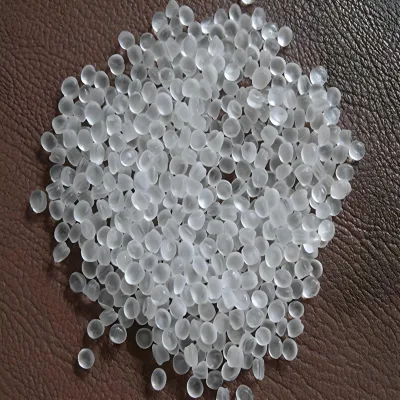


Polyolefin Elastomer (POE) Random Copolymer Elastomer General Purpose Grade
$1260.00 - $1480.00
MOQ: 20 Tons

Polyolefin Elastomer General Purpose Grade Poe 3300/3401 Versity Large Supply
$1260.00 - $1480.00
MOQ: 20 Tons
Comprehensive Sourcing Guide
High Flow Polyolefin Elastomer Sourcing Guide
Procuring high flow polyolefin elastomers requires distinguishing between general-purpose grades and specialized engineering compounds designed for complex molding. Buyers must verify that the material exhibits stable, consistent fluidity to ensure it meets the demands of high-flow injection molding parts without causing defects. The observed market data indicates a wide range of product models, from POE5018 to LC565, each tailored for specific processing methods like injection or extrusion.
Sourcing decisions should prioritize materials that balance mechanical strength with environmental compliance, as many listings highlight oxidative degradability and REACH certification. While some suppliers offer white, clear translucent pellets, others provide granulars in brown paper packaging, reflecting diverse application needs from consumer goods to wire insulation. Understanding these physical variations is essential before engaging with potential vendors to ensure the selected resin aligns with your specific production line capabilities.
Product Scope and Observed Listing Signals
The market for high flow polyolefin elastomers presents a diverse array of product forms, including clear translucent pellets and granulars, which directly influence handling and storage requirements. Listings frequently specify the plastic forming method, such as injection molding or extrusion, indicating that the material is optimized for distinct manufacturing processes. Buyers should note that applications range from general plastics to specialty engineering plastics, with specific grades designed for adhesive coating materials or packaging films.
Commercial listings reveal significant variability in packaging standards, with options ranging from 25kg bags to 1000kg pallets, or kraft bags with specific weight limits like 20kg per bag. Origin locations span from Yantai and Xiamen in China to Korea and the USA, suggesting a global supply chain with varying logistical implications. Procurement teams must carefully cross-reference the observed product models, such as W1A-F or 65057, against their technical requirements to avoid selecting a grade with incompatible melt flow rates or density characteristics.
Technical Specifications to Verify
Technical verification must begin with the melt flow rate, as observed values like 5 or 1.2 indicate the material's fluidity and suitability for high-flow injection molding applications. Buyers should confirm that the selected grade offers stable, consistent fluidity to prevent processing issues during high-speed manufacturing cycles. Additionally, the tensile strength and density are critical; many products are described as having moderate mechanical strength and low density, which is advantageous for lightweighting consumer goods and automotive components.
The physical appearance and chemical properties further define the material's utility, with some grades featuring high grafting rates and low glass transition temperatures for enhanced flexibility. It is vital to match the plastic forming method, whether it is injection, extrusion, or blow molding, to the specific equipment available in your facility. Verification of the product standard, such as POE resin specifications or customizable standards, ensures that the material will perform reliably under the thermal and mechanical stresses of your intended application.
Compliance and Safety Documentation
Regulatory compliance is a non-negotiable aspect of sourcing, with many suppliers explicitly stating adherence to REACH standards for chemical safety. Buyers must request documentation confirming that the polyolefin elastomer is free from restricted substances and meets the environmental protection criteria observed in the market. The presence of oxidative degradable features suggests a focus on sustainability, but this must be validated against local disposal regulations and specific customer requirements for end-of-life product management.
Safety data sheets and material safety documentation should be reviewed to ensure the product meets all relevant industry standards for handling and processing. While some listings mention ASTM standards as background context, the primary verification should focus on the specific certifications provided by the supplier, such as REACH, rather than assuming compliance with general industry norms. Ensuring that the material origin, whether from China, Korea, or the USA, aligns with your company's ethical sourcing policies is also a critical step in the compliance verification process.
Cost Drivers and Commercial Terms
Pricing for high flow polyolefin elastomers varies significantly, with observed ranges spanning from $2 to $4600, driven by factors such as material grade, origin, and order volume. The minimum order quantity (MOQ) also fluctuates widely, from 1 unit to 1000 units, requiring buyers to align their procurement strategy with their inventory capacity and cash flow constraints. Understanding these commercial terms is essential for negotiating favorable deals that balance cost efficiency with supply chain reliability.
Logistics and packaging costs are additional drivers that can impact the total landed cost, as products are shipped in various configurations like paper plastic composite valve bags or by sea. Buyers should evaluate the trade-off between bulk packaging, such as 1000kg pallets, and smaller units like 25kg bags, depending on their storage capabilities and production consumption rates. Transparent communication regarding lead times and shipping terms is necessary to avoid unexpected delays that could disrupt production schedules.
Supplier Qualification and Quality Control
Supplier qualification should focus on verifying the consistency of product attributes, such as the high grafting rate and stable fluidity observed in high-quality listings. Buyers must assess the supplier's ability to maintain quality control across different production batches, ensuring that the material properties remain consistent with the specified standards. Requesting samples for testing is a prudent step to validate claims regarding tensile strength, density, and melt flow rate before committing to a larger purchase.
Quality control protocols should also include an audit of the supplier's manufacturing processes, particularly regarding the plastic forming methods they support, such as injection or extrusion. It is important to confirm that the supplier can provide the specific product models required, such as POE5018 or LC168, and that they have the capacity to meet your volume needs. Establishing a clear communication channel for addressing any quality deviations or specification mismatches is crucial for maintaining a long-term, reliable supply relationship.
Long-Term Procurement Checks
Long-term procurement success depends on regularly re-evaluating the supplier's ability to meet evolving technical and regulatory requirements. Buyers should monitor changes in product standards, such as updates to POE resin specifications or new environmental regulations that might affect the oxidative degradability of the material. Continuous engagement with the supplier ensures that any shifts in the supply chain, such as changes in origin locations or packaging methods, are managed proactively.
Performance tracking should include periodic testing of the material to verify that it continues to meet the required melt flow rates and mechanical strength specifications. Establishing a feedback loop with the supplier allows for the adjustment of order quantities and specifications based on actual production performance and market trends. By maintaining a disciplined approach to supplier management, buyers can secure a stable supply of high flow polyolefin elastomers that supports their long-term manufacturing goals and product quality standards.
FAQs
What is the appearance of High Flow Polyolefin Elastomer pellets?
The material typically appears as clear translucent pellets or granulars. It is available in white color options and maintains a low density lightweight profile. This physical form ensures consistent handling during processing and allows for easy visual inspection of quality before injection molding or extrusion operations begin.
Can High Flow Polyolefin Elastomer be customized for specific needs?
Yes, customization is available for various application requirements. Manufacturers offer flexible packaging options such as 25kg bags or 1000kg pallets to suit different logistics needs. The resin can be tailored for high flow injection molding parts or adhesive applications, ensuring the final product meets specific engineering plastic standards and performance goals.
Which certifications are associated with High Flow Polyolefin Elastomer?
The product holds REACH certification, indicating compliance with European chemical regulations. It is also noted for its environmental protection features and oxidative degradable properties. These attributes support sustainable manufacturing practices and ensure the material meets strict safety and regulatory standards for use in packaging films and consumer goods applications.
How does the melt flow rate affect processing?
The material offers stable and consistent fluidity, which is critical for high flow injection molding parts. This characteristic ensures uniform filling of molds and reduces defects during production. The moderate mechanical strength combined with high fluidity allows for efficient processing in applications like wire insulation and blow-molded containers without compromising structural integrity.
What are the common applications for this polyolefin elastomer?
It is widely used for high flow injection molding parts, packaging films, and wire insulation. The material also serves as an adhesive for TPE coating materials and is suitable for consumer goods and electric wire applications. Its versatility supports general, engineering, and specialty plastic requirements across various industrial sectors and manufacturing processes.
Where is High Flow Polyolefin Elastomer typically sourced from?
Production origins include regions such as Yantai, Xiamen in China, Korea, and the USA. Suppliers offer various packing methods like paper plastic composite valve bags or kraft bags on pallets. This global sourcing landscape provides buyers with multiple options for lead times, pricing, and logistical convenience depending on their specific regional requirements.