Source High Flow Motorcycle Air Filter for Off-Road, Street, and Racing
Compare 30 listings for High Flow Motorcycle Air Filter options including stainless steel and foam types. Buyers can evaluate customization, certifications, and delivery times from suppliers in China for engine air filtration protection.
Key considerations
Products List


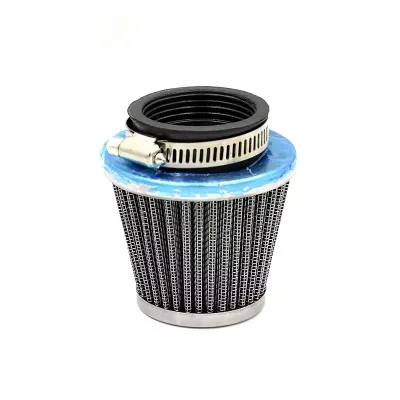
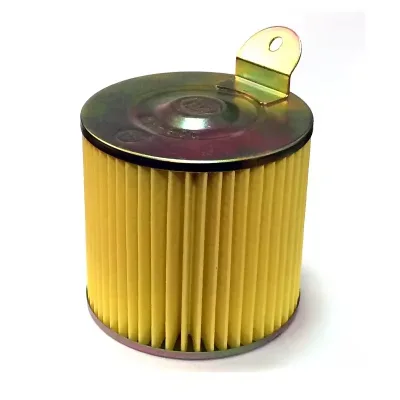
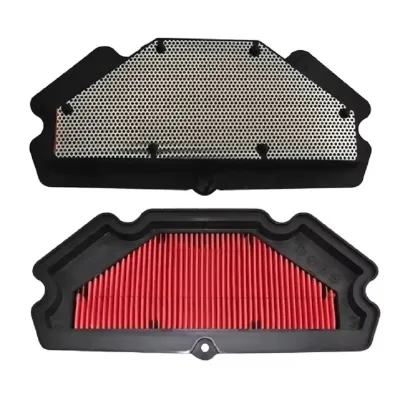
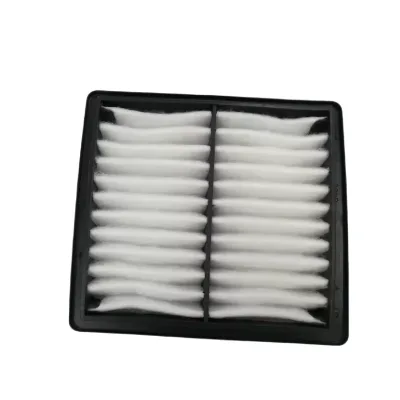
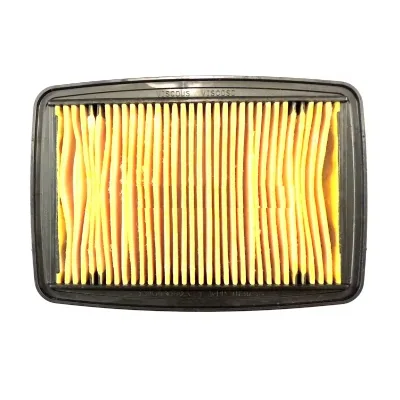
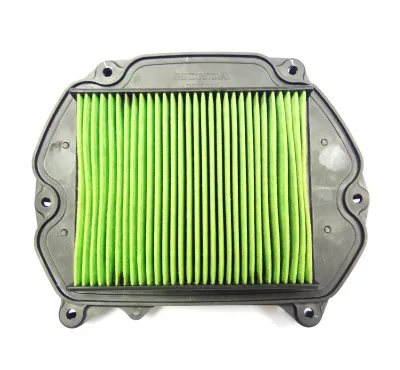


High Flow Customized Mushroom Air Filter 35mm for Motorcycle Air Filter
$5.10 - $15.10
MOQ: 200 Pieces


Comprehensive Sourcing Guide
Strategic Sourcing Guide for High Flow Motorcycle Air Filters
Procuring high-flow motorcycle air filters requires a nuanced understanding of the intersection between performance engineering and supply chain reliability. For buyers in the B2B sector, the decision to source these components is rarely about a single transaction; it is about securing a supply chain capable of supporting performance vehicles, off-road machinery, and universal aftermarket applications. The market for these filters is characterized by a diverse range of specifications, from universal custom models to specific engine configurations like the 168F. This guide provides a structured approach to evaluating suppliers, verifying technical claims, and managing procurement risks based on observed market data and industry standards.
Technical Specifications and Performance Attributes
The core of any high-flow air filter strategy lies in the precise technical attributes of the product. In the current market, high-flow filters are distinct from standard replacements due to their emphasis on maximizing airflow while maintaining filtration efficiency. The primary material observed in high-performance segments is stainless steel, which offers durability and resistance to corrosion, though foam-based high-flow filters are also prevalent for their washable and reusable nature. Buyers must distinguish between these material classes when defining their requirements.
A critical specification to verify is the filter type. The market offers "High Flow Foam Filters" which are often marketed with features such as being dust-proof, washable, and reusable. These attributes are essential for off-road motorcycles and machines operating in dusty environments. Conversely, other listings indicate a "Dry" pattern, which suggests a different filtration medium or construction method. The design style, such as French designs, may influence the aesthetic integration with the motorcycle's bodywork, but the functional design must prioritize the "Purpose: Engine Air Filtration Protection."
The physical dimensions and fitment are equally critical. The product model data reveals a mix of specific engine models, such as the "168F," and "Universal Custom Model" options. This indicates that a significant portion of the market caters to the aftermarket need for universal fitment, allowing a single SKU to serve multiple motorcycle types. However, for OEM or specific repair applications, the "Customized Size" and "Logo" options become mandatory. Buyers should verify that the "Single package size" and "Single gross weight" align with their logistics planning, as observed data suggests a weight of approximately 0.1 kg per unit, which impacts shipping costs for bulk orders.
Compliance, Certification, and Regulatory Standards
Navigating the regulatory landscape is a non-negotiable aspect of B2B procurement. While the specific environmental regulations vary by destination market, the presence of certifications like "CE" is a common baseline indicator of compliance with European safety and health standards. When sourcing from manufacturers in China, particularly those located in Zhejiang, Chongqing, or Guangdong, buyers must ensure that the "Certification" status is current and valid for the intended market.
The "prod_standard" field in supplier data often lists "various sizes and colors," which can be ambiguous. In a procurement context, this phrase should be treated as a placeholder for specific technical standards that must be explicitly defined in the purchase order. Buyers should not assume that "various sizes" implies a lack of standardization; rather, it suggests a modular production line. However, for electrical components or specific battery-related systems (noted in some data as "12V Lead Acid Battery" standards), the standards are likely more rigid. For air filters, the buyer must verify that the "High Quality Performance" claim is backed by third-party testing or adherence to ISO standards, rather than relying solely on the supplier's internal "A-CLASS" quality rating.
Cost Drivers and Pricing Dynamics
Understanding the cost structure of high-flow motorcycle air filters is essential for budgeting and margin analysis. The observed price range in the market spans from $0.03 to $80.00 USD. This wide variance is not indicative of a single product tier but rather reflects the spectrum from basic foam elements to premium stainless steel assemblies with custom branding. The lower end of the range typically corresponds to generic, universal foam filters with minimal packaging, while the higher end includes specialized units with custom logos, specific fitment engineering, and premium packaging like "Carton+ Pallet" configurations.
The Minimum Order Quantity (MOQ) is a significant cost driver. Data indicates an MOQ range of 1 to 1000 units, with a specific observation of 300 PCS for certain high-quality lines and 100 pcs for others. A buyer must balance the unit price against the inventory holding costs. Ordering at the lower MOQ of 100 pieces might result in a higher per-unit cost but reduces capital tie-up. Conversely, an MOQ of 300 or 1000 pieces may unlock better pricing tiers but requires robust sales forecasting. The "Selling Units" being listed as "Single item" suggests that the base price is per unit, but bulk discounts are likely available for orders exceeding the MOQ.
Typical Applications and Market Segmentation
The application of high-flow motorcycle air filters extends across several distinct market segments. The primary application is clearly identified as "Motorcycle," with specific mentions of "off-Road Motorcycle" and "Universal Motorbike." This segmentation dictates the filter's durability requirements. Off-road applications demand filters that are "Dust Proof" and "Washable," as these machines operate in high-debris environments where standard filters would clog rapidly.
Another significant segment is the "Engine Air Filtration Protection" for replacement and repair purposes. In this context, the "Condition: New" and "Warranty: 1 Year" attributes become critical selling points for distributors and retailers. The "Purpose: for replace/repair" indicates a strong aftermarket demand where compatibility is the primary concern. The "Fit for: Universal Motorbike" attribute suggests a high-volume, low-complexity product line that appeals to general repair shops. However, the presence of specific model numbers like "168F" indicates a need for precision in the OEM and repair sectors. Buyers must align their inventory strategy with these distinct applications, ensuring that the "Machine Type" matches the target customer base.
Supplier Evaluation and Geographic Considerations
When evaluating potential suppliers, geographic origin plays a pivotal role in logistics and communication. The data highlights three primary manufacturing hubs: Zhejiang, Chongqing, and Guangdong. Each region may have different specializations; Zhejiang and Guangdong are known for robust manufacturing ecosystems, while Chongqing is a major hub for motorcycle and automotive components. The "Place of Origin" should be verified against the supplier's actual factory location to ensure consistency.
Supplier reliability is often gauged by their after-sales support and customization capabilities. The availability of "Online Technical Support" and "OEM: Acceptable" services are strong indicators of a mature supplier capable of handling B2B relationships. The ability to provide "Customized Size" and "Logo" services suggests a flexible production line, which is valuable for buyers seeking private label solutions. However, buyers should verify the "Brand Name" associated with the product, such as "Yinteli," to ensure it aligns with their sourcing strategy. If the buyer intends to sell under their own brand, the supplier's willingness to accommodate "Customer Requirement" for packing and branding is a key evaluation metric.
Quality Control and Long-Term Procurement Strategy
Quality control in the air filter market must address both the initial product integrity and long-term performance. The "Quality: High Quality Performance" and "A-CLASS" labels are observations that require verification through sample testing. Buyers should request samples to validate the "Filter Type" and "Material" claims. The "Sample: Availble" attribute confirms that the market supports pre-production evaluation, which is a best practice for mitigating risk.
Long-term procurement considerations include the "Delivery" lead time and "After-Sale Service." Observed lead times vary from "In stock" to "30 Days." For high-volume buyers, a 30-day lead time necessitates careful inventory planning to avoid stockouts. The "Package" type, ranging from "Lpi Package" to "Paper Carton Box" and "Carton+ Pallet," affects the physical protection of the goods during transit. A robust packaging strategy is essential to prevent damage, especially for foam filters which can be compressed.
To ensure long-term success, buyers should establish clear communication channels for "Online Technical Support" and define the terms for "Warranty" claims. The "1 Year" warranty observed in the market sets a baseline expectation for product longevity. Procurement contracts should explicitly state the standards for returns and replacements in case of premature failure. By focusing on suppliers who offer "Customization" and "OEM" capabilities, buyers can build a supply chain that adapts to market changes, ensuring a steady supply of high-flow filters that meet the evolving demands of the motorcycle industry.
Comparative Analysis of Product Attributes
To assist in the final selection process, the following table summarizes the key attributes observed in the market, helping buyers compare potential product lines based on their specific needs.
| Attribute Category | Observation A (Universal/Off-Road) | Observation B (Specific Model/OEM) | Observation C (Premium/Custom) |
|---|---|---|---|
| Filter Type | High Flow Foam Filter | Motorcycle Air Filter | Universal Custom Model |
| Material | Stainless Steel / Foam | Stainless Steel | Stainless Steel |
| Key Features | Dust Proof, Washable, Reusable | Engine Air Filtration Protection | Customized Size, Logo |
| MOQ | 100 pcs | 300 PCS | Variable (Customer Requirement) |
| Lead Time | In stock | 30 Days | 30 Days |
| Certification | CE | CE | CE |
| Packaging | Paper Carton Box | Carton+ Pallet | Customer Requirement |
| Application | Off-Road Motorcycle | Universal Motorbike | Replace/Repair |
| Origin | Zhejiang, China | Chongqing, China | Guangdong, China |
This comparison highlights that while the core material and certification may remain consistent, the operational parameters like MOQ, lead time, and packaging vary significantly. Buyers must weigh these factors against their specific operational constraints. For instance, a buyer needing immediate stock for a repair shop might prioritize the "In stock" option, while an OEM partner might accept a 30-day lead time for the benefit of custom branding and specific model fitment.
In conclusion, sourcing high-flow motorcycle air filters requires a methodical approach that balances technical specifications with supply chain realities. By rigorously verifying certifications, understanding the nuances of MOQ and lead times, and aligning product attributes with specific applications, buyers can secure a reliable supply of high-performance components. The market offers a wide array of options, from universal foam filters to custom stainless steel units, but success depends on the buyer's ability to navigate the complexities of supplier evaluation and quality assurance.
FAQs
What materials are used for high flow motorcycle air filters?
Stainless steel is a primary material observed for durability, though high flow foam filters are also common for washable applications. Buyers should verify the specific material class against their performance needs, as foam offers dust-proof features while steel provides corrosion resistance.
Can I get custom sizes and logos for these filters?
Yes, customization for size and logo is available for many suppliers in the market. This option supports private label strategies, but buyers must confirm the Minimum Order Quantity, which often ranges from 100 to 300 pieces depending on the specific manufacturer.
Which certifications should I look for in these air filters?
CE certification is a common baseline indicator of compliance with European safety standards found in the market. Buyers should verify that this certification is current and valid for their intended destination, as it serves as a key quality assurance metric for B2B procurement.
How long does delivery take for bulk orders?
Lead times typically range from immediate stock availability to 30 days for custom production runs. Buyers planning inventory should account for the 30-day window if ordering specific models like the 168F, while general universal models may be available for faster dispatch.
What is the typical price range for these filters?
The market price spans from 0.03 to 80 USD per unit, reflecting differences between basic foam elements and premium stainless steel assemblies. Lower prices usually correspond to generic universal filters, while higher costs include custom branding and specialized packaging configurations.
Which applications are these filters designed for?
These filters are primarily designed for motorcycles, including off-road machines and universal motorbikes. They serve the purpose of engine air filtration protection, with specific designs for dust-proof environments and general replacement or repair needs in the aftermarket sector.