Source High Performance Car Front Bumper for SUVs, Trucks, and Pickups
Find 30 listings for High Performance Car Front Bumper options suitable for SUVs, trucks, and pickup vehicles. Buyers can compare specifications, materials, and prices from verified suppliers to identify the best fit for their needs.
Key considerations
Products List


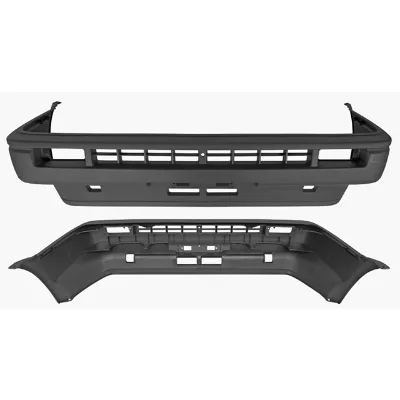


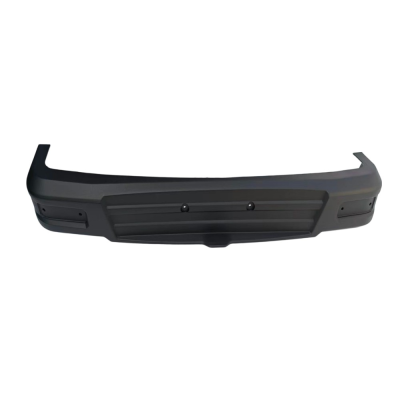
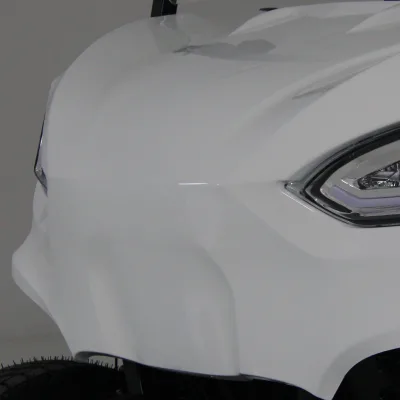


Comprehensive Sourcing Guide
Strategic Sourcing Guide for High Performance Car Front Bumpers
The global automotive aftermarket continues to demand components that balance aesthetic appeal with structural integrity, particularly for high-performance applications. When sourcing a high-performance car front bumper, buyers must navigate a complex landscape of material science, regulatory compliance, and supply chain logistics. The objective is to secure components that meet rigorous engineering standards while maintaining cost efficiency and delivery reliability. This guide provides a structured approach to evaluating potential suppliers and products, grounded in verified market data and technical requirements.
Understanding Material Composition and Structural Integrity
The foundation of any high-performance front bumper lies in its material composition. In the current market, steel remains a dominant material choice for specific applications, offering superior durability and impact resistance compared to many plastics or composites. Verified product attributes indicate that steel bumpers are frequently manufactured using specific grades, such as 201 Stainless Steel, which provides a balance of corrosion resistance and strength. However, the market also presents options in mixed material categories, including metal composites and specialized paper-based filtration materials for specific internal components, though the primary structural element for a bumper is typically metal.
Buyers must distinguish between the primary structural material and secondary components. While the main bumper assembly is often steel, the surface finish and protective layers are critical. Polishing is a standard technological process applied to these steel components to ensure a smooth, high-gloss finish that resists environmental degradation. The color options available in the current supply chain are extensive, ranging from standard silver and black to multi-tone combinations like black and silver. When evaluating a high-performance unit, the buyer should verify that the material specification explicitly states the grade of steel or metal used, as this directly influences the vehicle's safety rating and the bumper's longevity under stress.
Technical Specifications and Model Compatibility
Precision in model compatibility is paramount when sourcing front bumpers for high-performance vehicles. The market data reveals a segmentation between universal applications and specific vehicle models. Some listings target "Universal Pickup Car" applications, while others are tailored for specific SUV or car makes. The product model identifiers, such as DO-VG-F10 for front bumper variants, serve as critical reference points for buyers to ensure fitment. These alphanumeric codes often correlate with specific mounting points, sensor placements, and aerodynamic profiles required for high-performance driving.
The physical dimensions of the bumper are equally significant. Packaging standards and shipping metrics often reveal the physical footprint of the product. For instance, specific standard dimensions like 843950CM have been observed in product listings, indicating the size of the packaged unit. Buyers must cross-reference these dimensions with their vehicle's specifications to ensure that the bumper does not interfere with other components such as radiators, cooling systems, or lighting assemblies. Furthermore, the "Position" attribute clearly distinguishes between front and rear applications, a critical distinction that prevents procurement errors. High-performance bumpers often require precise alignment to maintain the vehicle's aerodynamic efficiency, making the verification of the model number and dimensional data a non-negotiable step in the sourcing process.
Compliance, Certification, and Quality Assurance
In the automotive sector, compliance with international standards is not merely a formality but a requirement for market entry and liability protection. The presence of certifications such as CE and ISO indicates that a manufacturer adheres to specific safety and quality management protocols. While specific internal standards like ISO 9001:2015 or ISO10012:2003 are often cited in broader industry contexts, buyers should verify the actual certification status of the specific supplier and product batch. The observed data confirms that CE certification is a documented attribute for certain bumper products, signifying compliance with European health, safety, and environmental protection standards.
Quality assurance processes are another critical component of the sourcing strategy. High-performance components must undergo rigorous testing before reaching the market. The available data highlights a "100% Tested" quality attribute, suggesting that manufacturers implement a comprehensive inspection regime where every unit is verified for defects. This level of scrutiny is essential for high-performance applications where failure could result in significant safety hazards. Buyers should request documentation proving that the "100% Tested" claim is backed by a formal quality control protocol. Additionally, the warranty terms, often observed as 12 months, provide a baseline for the manufacturer's confidence in their product. A robust warranty is a strong indicator of a supplier's commitment to quality, though buyers must carefully review the terms to understand what specific defects are covered.
Cost Drivers and Payment Logistics
The pricing structure for high-performance car front bumpers is influenced by several variables, including material costs, customization levels, and order volume. The observed market range for these products is vast, spanning from 1 USD to 200,000 USD, reflecting the diversity from basic replacement parts to highly engineered, custom-fabricated units. This wide range necessitates a clear understanding of the buyer's specific requirements to avoid overpaying for unnecessary features or under-specifying for critical performance needs.
Minimum Order Quantities (MOQ) also play a significant role in cost management. The market data indicates an MOQ range of 1 to 500 units, offering flexibility for both small-scale retailers and large distributors. Buyers should negotiate based on their projected volume, as higher volumes often unlock better pricing tiers. Payment terms are another logistical consideration. The standard payment methods observed include T/T (Telegraphic Transfer), Western Union, and PayPal. For large transactions, T/T is the most common and secure method, often requiring a deposit before production and a balance before shipment. Buyers must also consider the origin of the goods, with major manufacturing hubs located in Guangdong, China, and Guangzhou, which influences shipping costs and lead times. The port of shipment, typically Guangzhou, Ningbo, Shanghai, Tianjin, or Qingdao, will determine the logistics chain and associated freight expenses.
Supplier Evaluation and Supply Chain Reliability
Selecting the right supplier requires a deep dive into their operational capabilities and track record. The supply chain for automotive parts is complex, and reliability is key to maintaining production schedules. One critical metric is the supply ability, with some manufacturers reporting a capacity of 20,000 pieces per week. This figure is a strong indicator of a supplier's ability to handle large orders and scale production during peak demand periods. Buyers should verify this capacity against their own order volumes to ensure the supplier can meet delivery deadlines without compromising quality.
Packaging is another often-overlooked aspect of supplier evaluation. High-performance bumpers are delicate and require protection during transit to prevent scratches, dents, or structural damage. The observed packaging standards include bubble bags, EPE (Expanded Polyethylene) foam, and cartons. For high-value items, original packing is often a requirement to ensure the product arrives in pristine condition. Buyers should explicitly request packaging specifications that match their logistical needs, especially if the supply chain involves long-distance shipping or multiple handling points. Additionally, the availability of OEM (Original Equipment Manufacturer) services is a significant differentiator. Suppliers offering OEM capabilities can customize the bumper to match specific branding or design requirements, adding value to the procurement process.
Long-Term Procurement and Maintenance Considerations
Sourcing a high-performance front bumper is not a one-time transaction but the beginning of a long-term relationship with a supplier. Buyers must consider the long-term availability of replacement parts and the consistency of product quality over time. The "12 Months" warranty period observed in the market provides a baseline for post-purchase support, but buyers should inquire about extended warranty options or service level agreements for bulk orders. Consistency in the "100% Tested" quality assurance process is vital; a supplier that maintains high standards over time reduces the risk of returns and customer dissatisfaction.
Furthermore, the adaptability of the supplier to changing market demands is crucial. As vehicle models evolve, the demand for specific bumper designs will shift. Suppliers with strong OEM capabilities and flexible production lines are better positioned to adapt to these changes. Buyers should also monitor the "Customization" attribute, which is widely available in the market. This feature allows for tailoring the bumper to specific performance requirements, such as enhanced cooling or aerodynamic adjustments. By maintaining a strategic partnership with a supplier who offers customization and reliable quality control, buyers can ensure a steady supply of high-performance components that meet the evolving needs of their customers.
Comparative Analysis of Product Attributes
To facilitate decision-making, the following table summarizes key attributes observed in the current market for high-performance car front bumpers. This comparison highlights the variations in materials, certifications, and logistical terms that buyers should consider.
| Attribute Category | Observed Options | Strategic Consideration |
|---|---|---|
| Material | Steel (201 Stainless), Metal, Mixed Composites | Verify grade for corrosion resistance and impact strength. |
| Certification | CE, ISO (verify specific standard) | Ensure compliance with target market regulations. |
| Quality Control | 100% Tested | Confirm inspection protocols and defect rates. |
| Warranty | 12 Months | Review terms for coverage scope and claim process. |
| Customization | Available | Assess ability to meet specific design or branding needs. |
| Packaging | Bubble Bags, EPE, Carton, Original Packing | Ensure protection against transit damage. |
| Origin | Guangdong, China (Mainland), Guangzhou | Factor in logistics and lead times from these hubs. |
| Payment Terms | T/T, Western Union, PayPal | Align with company financial policies and risk tolerance. |
By systematically evaluating these attributes, buyers can construct a robust sourcing strategy that minimizes risk and maximizes the value of their procurement efforts. The high-performance automotive market demands precision, and a disciplined approach to supplier selection ensures that the final product meets the highest standards of safety, performance, and durability.
FAQs
What material is used for high performance car front bumpers?
Steel is the primary material used, specifically 201 Stainless Steel for durability. Some listings also mention mixed metal composites or paper-based filtration materials for internal components, but the structural element remains metal.
Can I get customization for these auto parts rear bumpers?
Customization is available for many products in this category. Buyers can request specific modifications to meet unique design or branding needs, provided the supplier offers OEM services and flexible production lines.
Which certifications do these car front bumpers typically hold?
CE certification is a documented attribute for certain bumper products, indicating compliance with safety standards. Some listings also reference ISO certifications, though buyers should verify the specific standard status of the supplier.
How long is the warranty period for these auto parts?
The standard warranty period observed in the market is 12 months. This baseline covers defects and indicates the manufacturer's confidence, but specific terms regarding coverage scope and claims must be reviewed carefully.
What is the minimum order quantity for these bumpers?
The minimum order quantity ranges from 1 to 500 units depending on the supplier. This flexibility allows both small retailers and large distributors to procure parts, with higher volumes often unlocking better pricing tiers.
How are these high performance car front bumpers packaged?
Products are typically packed in bubble bags, EPE foam, and cartons to prevent damage. Original packing is often available for high-value items, ensuring the bumper arrives in pristine condition during transit.
Where are these auto parts rear bumpers manufactured?
The products originate from Guangdong, China, and Guangzhou, which are major manufacturing hubs. This location influences shipping costs and lead times, with ports like Guangzhou, Ningbo, and Shanghai commonly used for export.