Source high-performance one-stage industrial gas burner for steam, hot water, and heat conduction
Compare 30 high-performance one-stage industrial gas burner options from global suppliers. Buyers can evaluate specifications like thermal power, fuel type, and certifications including ISO and CE to find suitable units for steam boilers, hot water boilers, and heat conduction oil systems.
Key considerations
Products List




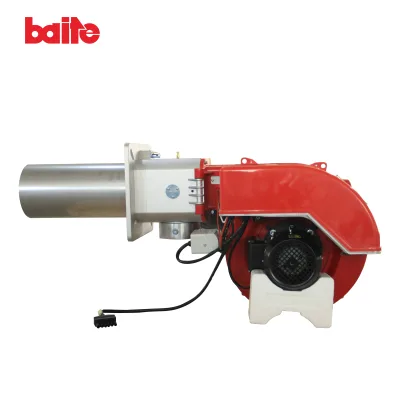
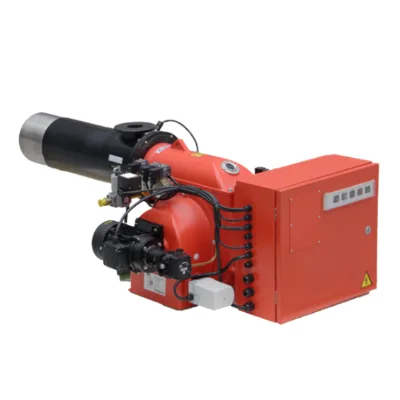
Comprehensive Sourcing Guide
Strategic Sourcing Guide for High-Performance One-Stage Industrial Gas Burners
Understanding the Technical Architecture and Performance Metrics
When sourcing a high-performance one-stage industrial gas burner, the primary objective is to secure equipment that delivers consistent thermal output with simplified operational controls. The one-stage design implies a specific combustion cycle where the burner operates at a single firing rate, making it ideal for applications where thermal load requirements are relatively stable or where process simplicity is prioritized over modulating control. In the current market, buyers encounter a diverse array of specifications that dictate the suitability of a unit for specific industrial tasks.
The thermal power range is a critical differentiator among available units. Observed data indicates that high-performance models in this category can span from moderate outputs to substantial industrial capacities. For instance, specific configurations have been identified with thermal power ratings ranging from 1200 kW to 1500 kW, catering to heavy-duty steam and hot water generation. Conversely, other models in the same supply chain may offer lower power outputs, such as ranges between 116 kW and 305 kW, or even 185 kW to 425 kW, suitable for smaller scale heat conduction oil applications or auxiliary heating systems. The power consumption of the motor, which drives the air supply and fuel delivery mechanisms, also varies significantly. Buyers should expect to see motor power specifications ranging from 0.37 kW to 2.2 kW depending on the burner's size and the required air pressure.
Fuel flexibility is another paramount technical consideration. While the core keyword specifies gas burners, the most versatile units are designed to handle multiple fuel types. The observed product attributes highlight compatibility with natural gas, liquefied petroleum gas (LPG), light oil, and heavy oil. This multi-fuel capability is essential for facilities that may switch between fuel sources due to supply chain constraints or cost fluctuations. Specific flow rate data provides further insight into performance. For natural gas, flow rates have been observed between 8 m³/h and 23 m³/h for certain models, while others support higher flows between 19 m³/h and 43 m³/h. For liquid fuels like light oil, flow rates can range from 12 Nm³/h to 30 Nm³/h. These numerical ranges are not universal; they are specific to the model and must be verified against the actual boiler requirements.
The physical structure of the burner also influences installation and integration. Products are available in both vertical and horizontal configurations. Vertical type structures are often preferred for space-constrained environments, whereas horizontal types may offer easier maintenance access in large boiler rooms. The ignition system is another technical component that requires scrutiny. High-performance units typically utilize an ignition transformer with specifications such as 1x15 kV/20mA to ensure reliable spark generation. Furthermore, the rated voltage for these industrial units is generally standardized at 220V or 380V, and the operating frequency is typically 50Hz. Buyers must ensure that the electrical infrastructure at their facility matches these specific voltage and frequency requirements to prevent operational failures.
Compliance, Certification, and Regulatory Standards
In the industrial sector, compliance with international standards is not merely a formality but a prerequisite for safe and legal operation. When evaluating a high-performance one-stage industrial gas burner, the presence of valid certifications is the first line of defense against substandard equipment. The market data confirms that reputable manufacturers often provide units with ISO and CE certifications. Specifically, the ISO9001 standard is frequently cited, indicating that the manufacturer adheres to rigorous quality management systems. Additionally, the CE mark, often accompanied by "CE European" designations, signifies conformity with health, safety, and environmental protection standards for products sold within the European Economic Area.
Beyond general certifications, specific product standards define the physical and operational limits of the burner. Buyers should look for explicit references to product standards in the documentation. While specific numerical standard codes can vary, the presence of a defined standard is crucial. For example, some units are associated with standard codes like 990 or 999, which may refer to internal manufacturing benchmarks or specific industry norms. It is imperative for the buyer to verify that the standard referenced by the supplier is current and applicable to the intended region of operation.
Packaging and origin also play a role in the compliance and logistics chain. Products are typically shipped in export packing or standard packaging designed to withstand international transit. The origin of the product, whether Italy or China, can influence the perceived quality and the specific regulatory framework the product was designed to meet. Italian-origin units might be associated with specific European design philosophies, while Chinese-origin units often compete on cost-efficiency and adaptability. However, regardless of origin, the certification status must be independently verified. The "Quality Guarantee" period, often observed as 1 year, serves as a contractual assurance of the manufacturer's confidence in the product's durability, but it does not replace the need for rigorous pre-purchase compliance checks.
Cost Drivers and Pricing Dynamics
The pricing of high-performance industrial gas burners is influenced by a complex interplay of factors, including thermal capacity, fuel versatility, certification status, and shipping logistics. The observed price range in the market is exceptionally broad, spanning from $0.10 to $7,944.83. This wide variance indicates that the market includes everything from small auxiliary components to complete, high-capacity industrial systems. Buyers must be cautious not to equate a lower price with a lesser product, nor a higher price with superior quality, without a detailed technical comparison.
The primary cost driver is the thermal power output. Units with higher thermal power, such as those reaching 1500 kW, will naturally command a higher price point compared to those in the 100-300 kW range. The complexity of the fuel system also impacts cost; burners capable of switching between natural gas, LPG, and various oils require more sophisticated valves, pumps, and control logic, which increases the manufacturing cost. Additionally, the inclusion of advanced features like specific ignition transformers and variable motor powers contributes to the final price.
Trade terms significantly affect the landed cost. For instance, an EXW (Ex Works) term from Guangzhou means the buyer is responsible for all transportation, insurance, and customs duties from the factory gate. This can lead to hidden costs that are not reflected in the initial product price. Conversely, other terms might include shipping, altering the total cost of ownership. The Minimum Order Quantity (MOQ) is another financial consideration. While some suppliers may accept orders as low as one unit, others might require a minimum of 1000 units, which can impact the unit price through economies of scale. Buyers should negotiate based on their specific volume needs to optimize the cost per unit.
Typical Applications and Scope of Operation
High-performance one-stage industrial gas burners are designed for a wide spectrum of applications, primarily centered around thermal energy generation. The scope of application typically includes steam boilers, hot water boilers, and heat conduction oil systems. These burners are integral to industries such as textiles, food processing, chemical manufacturing, and district heating. The ability to handle both gas and liquid fuels makes them particularly versatile for facilities that may experience fuel supply disruptions or wish to optimize fuel costs based on market prices.
The specific application dictates the required burner specifications. For steam boiler applications, the burner must deliver high thermal power with stable combustion to maintain consistent steam pressure. In hot water boiler systems, the focus might be on precise temperature control and efficiency. For heat conduction oil systems, the burner must operate reliably at the specific temperatures required for the oil circulation. The observed product attributes confirm that these burners are suitable for industrial environments where continuous operation is necessary. The "Nature Gas Flow" and "Light Oil Flow" rates provided in the product data are direct indicators of the burner's capacity to meet the thermal demands of these specific applications.
Furthermore, the physical dimensions of the burner, such as the standard size of about 110cm x 110cm x 156cm or 990mm x 590mm x 485mm, are critical for installation planning. Buyers must ensure that the burner fits within the designated space of their boiler room or combustion chamber. The weight of the unit, ranging from 15 kg to 59 kg, also influences the structural requirements of the installation site. A thorough understanding of the application requirements is essential to select a burner that not only meets the thermal output needs but also fits the physical and operational constraints of the facility.
Supplier Evaluation and Quality Assurance
Selecting the right supplier is as critical as selecting the right product. Buyers should evaluate potential suppliers based on their ability to provide transparent technical data, valid certifications, and reliable after-sales support. The presence of a "Quality Guarantee" of 1 year is a baseline expectation, but the supplier's track record in honoring this guarantee is equally important. Suppliers should be willing to provide detailed documentation regarding the product's origin, manufacturing process, and compliance with international standards.
Quality control should be a central part of the evaluation process. Buyers should verify that the supplier has a robust quality management system, ideally certified to ISO9001. This certification ensures that the manufacturing process is consistent and that the products meet defined quality standards. Additionally, the supplier should be able to provide test results or performance data that validate the claimed specifications, such as thermal power, flow rates, and fuel efficiency. The "Surface Treatment" of the burner, often listed as "Natural," should be inspected to ensure it meets the corrosion resistance and durability requirements of the intended environment.
When evaluating suppliers, buyers should also consider the customization options available. While some products are listed as "Non-Customized," others offer "Customization" services. This flexibility can be crucial for integrating the burner into existing boiler systems or meeting specific regulatory requirements. The supplier's ability to provide technical support during the installation and commissioning phase is another key factor. A supplier that offers comprehensive training and troubleshooting assistance adds significant value to the procurement process.
Long-Term Procurement and Operational Considerations
Procuring a high-performance industrial gas burner is a long-term investment that requires careful consideration of maintenance, spare parts availability, and operational efficiency. The "One-Stage" design, while simple, requires regular maintenance to ensure optimal performance and safety. Buyers should inquire about the availability of spare parts, such as ignition transformers, nozzles, and motors, to minimize downtime in the event of a failure. The "Export Packing" and "Standard Packaging" methods used by the supplier should also be evaluated to ensure that the product arrives in good condition and is easy to store if not immediately installed.
Energy efficiency is a critical long-term consideration. Burners with higher thermal power and optimized fuel flow rates can significantly reduce operational costs over time. Buyers should look for models that offer the best balance between performance and fuel consumption. The "Net Weight" and "Packing Size" of the unit can also impact long-term logistics, especially if the facility needs to expand or relocate. A supplier that offers flexible trade terms and reliable lead times can help mitigate supply chain risks.
Finally, the buyer should consider the scalability of the procurement. If the facility plans to expand its operations, the supplier should be able to provide additional units that are compatible with the existing systems. The "Scope of Application" and "Type" of the burner should align with future operational needs. By focusing on these long-term factors, buyers can ensure that their investment in a high-performance one-stage industrial gas burner delivers value and reliability for years to come. The integration of technical specifications, compliance checks, and supplier evaluation creates a robust framework for successful procurement in the industrial gas burner market.
FAQs
What certifications do these burners have?
These burners typically hold ISO and CE certifications, including ISO9001 and CE European marks. Buyers should verify that the specific unit matches the required regional safety and quality standards before purchase.
Which fuel types can the burner handle?
The units support multiple fuels including natural gas, LPG, light oil, and heavy oil. Specific flow rates vary by model, so users must match the burner capacity to their available fuel supply and boiler requirements.
Can I find vertical or horizontal structures?
Yes, products are available in both vertical and horizontal structures to suit different installation spaces. Vertical types often save space, while horizontal types may offer easier maintenance access in large boiler rooms.
What is the thermal power range available?
Thermal power ranges from approximately 116 kW up to 1500 kW depending on the model. Buyers must select a unit that matches their specific steam, hot water, or heat conduction oil application needs.
How is the ignition system configured?
High-performance units utilize an ignition transformer, often rated at 1x15 kV/20mA for reliable spark generation. The rated voltage is typically 220V or 380V, requiring facility infrastructure to match these electrical specifications.
What is the quality guarantee period?
A standard quality guarantee of 1 year is commonly provided for these industrial burners. This period serves as an assurance of durability, though buyers should confirm specific terms with the supplier.
Are customization options available for these units?
Customization is available for some models, while others are listed as non-customized. Buyers should check specific product attributes to determine if modifications to structure or specifications are possible for their application.