Source High-Performance Orange Pi Zero 3w for IoT, Servers, Automation
Compare 30 listings for the High-Performance Orange Pi Zero 3w to find suitable options for industrial development, home media servers, and IoT projects. Buyers can review specifications including RAM, interfaces, and packaging details before requesting quotes.
Key considerations
Products List
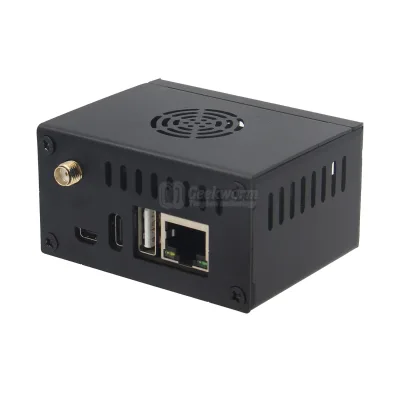
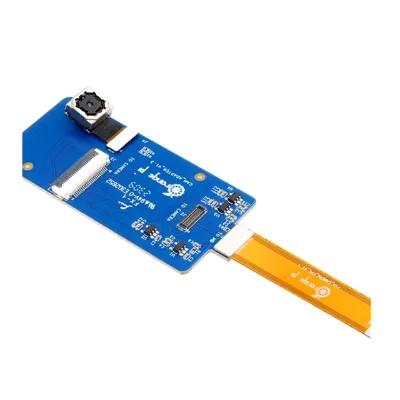


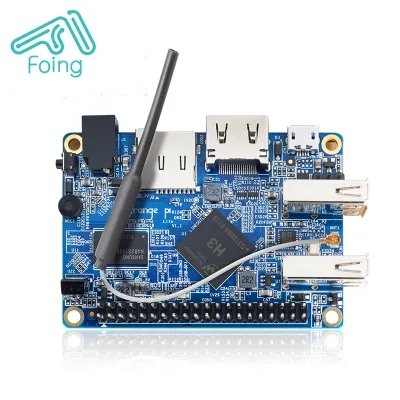
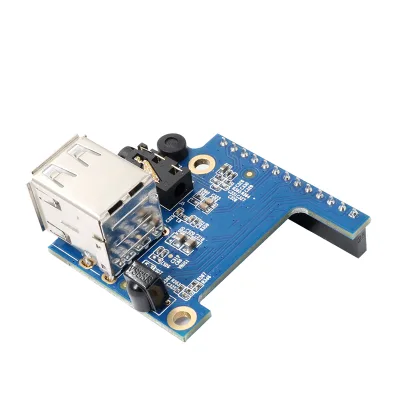
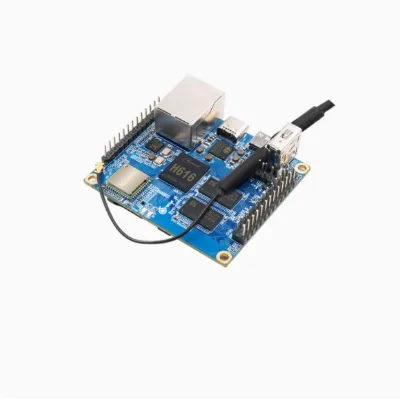
1GB DDR3 with WiFi antenna/camera/MIC/IR H3 Development board Orange Pi Lite
$25.00 - $25.50
MOQ: 2 pieces

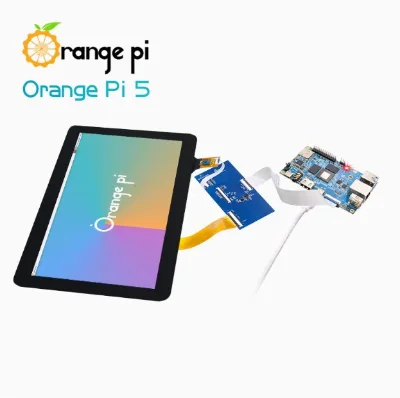
CE, RoHS High Quality Zero Windows Power Supply 7, 10.1 Inch Raspberry Pi 3 4 5
$49.99 - $149.99
MOQ: 100 Pieces
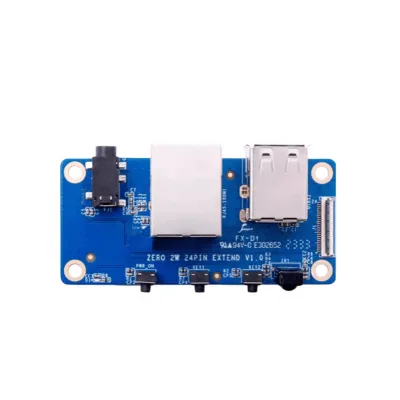
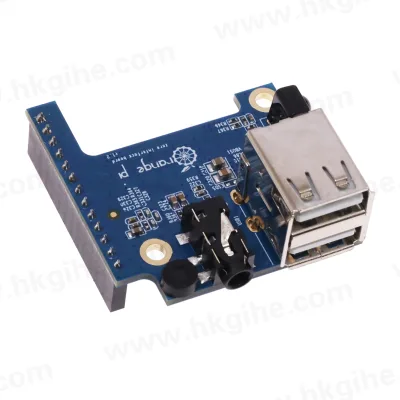
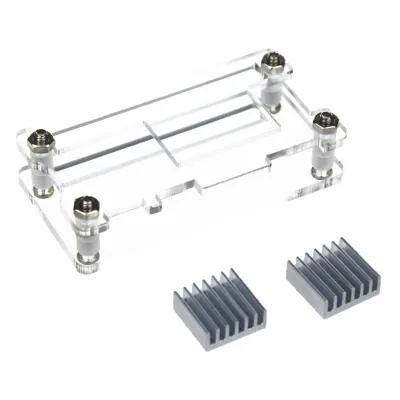
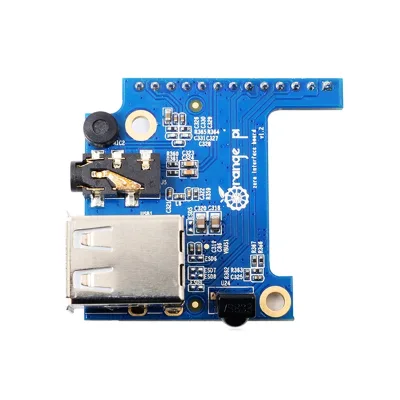
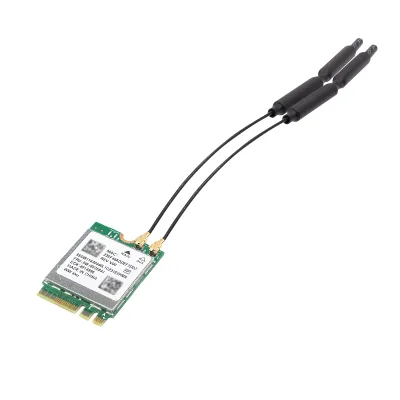





$0.50 - $3.00
MOQ: 5000 Pieces
Comprehensive Sourcing Guide
Sourcing Strategy for High-Performance Orange Pi Zero 3W Solutions
The procurement landscape for single-board computers (SBCs) has evolved to prioritize compact form factors that deliver robust processing capabilities for edge computing and IoT applications. When sourcing a high-performance variant of the Orange Pi Zero 3W, buyers must navigate a complex array of technical specifications, compatibility requirements, and supply chain variables. The core keyword "High-Performance Orange Pi Zero 3w" suggests a focus on models that maximize the potential of the H618 chip architecture while maintaining the small footprint characteristic of the Zero series. This guide provides a structured approach to evaluating potential suppliers and products, ensuring that procurement decisions are grounded in verified data and industry best practices rather than marketing assertions.
Technical Architecture and Performance Specifications
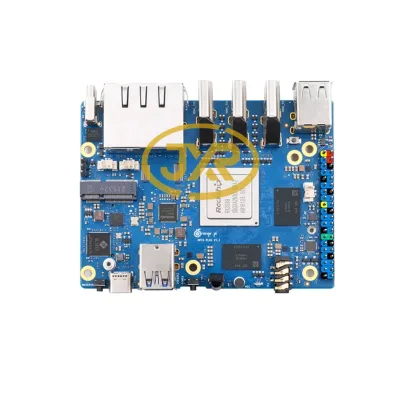
Understanding the underlying hardware is the first step in defining a successful procurement strategy. The Orange Pi Zero 3W is built upon the H618 chip architecture, which serves as the central processing unit for the board. This chipset is designed to support Linux systems and offers a balance of performance and power efficiency suitable for embedded applications. The board typically features an ARM-based instruction set, which is critical for developers working with specific software stacks or optimizing code for energy-constrained environments.
Memory configuration is a primary driver of performance in these systems. Procurement data indicates that supported RAM options can range from 1GB up to 16GB, with specific configurations including 1GB, 2GB, 4GB, 8GB, 12GB, and 16GB LPDDR5 operating at 4800 MHz. The availability of 12GB LPDDR5 variants, as noted in specific model listings, represents a significant upgrade over standard entry-level boards, allowing for more complex multitasking and larger local datasets. The GPU capabilities are equally important for media-centric applications; the system supports the Imagination Bxm-4-64 Mc1, which enables OpenGL ES 3.2 rendering. Video decoding capabilities are robust, supporting 8Kp24 H.265, VP9, and AVS2 decoding, alongside 4Kp30 H.265 and H.264 encoding. These specifications make the board suitable for high-resolution media servers and advanced IoT gateways.
| Feature Category | Key Specifications |
|---|---|
| Chipset | H618 Chip, ARM Architecture, RISC Instruction Type |
| Memory | 1GB to 16GB LPDDR5 @ 4800 MHz (Options: 1, 2, 4, 8, 12, 16GB) |
| GPU | Imagination Bxm-4-64 Mc1, Supports OpenGL ES 3.2 |
| Video Codec | 8Kp24 H.265/VP9/AVS2 Decoding; 4Kp30 H.265/H.264 Encoding |
| Interfaces | GPIO, USB, HDMI, Ethernet, WiFi, Bluetooth |
| System | Linux System, Embedded SBC Type |
Physical Dimensions and Compatibility Requirements
Physical constraints often dictate the final selection of an SBC, especially in space-constrained industrial or consumer applications. The Orange Pi Zero 3W typically adheres to a compact form factor, with board dimensions recorded as 65mm × 32mm and a weight of approximately 14 grams. This small footprint is complemented by a single package size for the unit, often listed around 12x10x8 cm, which is essential for logistics planning and inventory management.
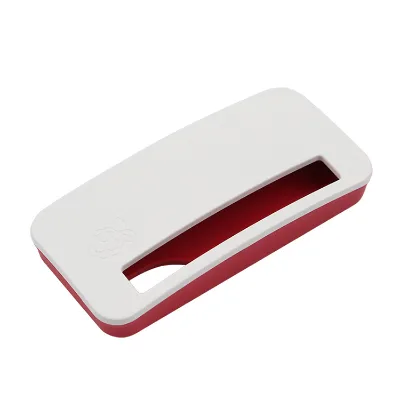
Compatibility with accessories is a critical factor for seamless integration. The product ecosystem includes specific cases designed for the Orange Pi Zero 3, which may also be compatible with the Zero 3W depending on the specific revision and mounting hole alignment. Buyers must verify if the case includes an antenna, as the "Case with Antenna" specification is a distinct option from the "Case only" variant. The board supports various accessory types, including cases that facilitate thermal management. Some thermal solutions utilize high-purity copper bases with Fr4 substrates, paired with 3M thermally conductive double-sided adhesive tape to ensure efficient heat dissipation from the processor. This attention to thermal design is vital for maintaining performance stability during continuous operation in enclosed environments.
Compliance, Certification, and Regulatory Standards
In the global B2B market, regulatory compliance is non-negotiable. Suppliers of the Orange Pi Zero 3W and its associated accessories must demonstrate adherence to international safety and environmental standards. The product listings frequently reference RoHS (Restriction of Hazardous Substances) and CCC (China Compulsory Certification) as key certifications. Additionally, CE marking is often cited, indicating conformity with health, safety, and environmental protection standards for products sold within the European Economic Area.
When evaluating potential suppliers, procurement teams should request current certification documentation to verify that the specific batch of goods meets these standards. It is important to distinguish between the certifications held by the manufacturer and those held by the specific product model. For instance, while a supplier may claim ISO 9001 or ISO 14001:2015 status, these are organizational standards and do not automatically apply to every individual unit unless explicitly verified. Buyers should prioritize products that explicitly list RoHS and CE on the product data sheet, as these are direct indicators of material safety and electrical compliance. The "High Purity Copper Base" mentioned in thermal accessory descriptions also suggests a focus on material quality, which often correlates with better adherence to environmental regulations regarding heavy metals and hazardous substances.
Cost Drivers and Procurement Economics
The total cost of ownership for an Orange Pi Zero 3W solution extends beyond the unit price. Several factors influence the final procurement cost, including memory capacity, packaging requirements, and the inclusion of accessories. The observed price range for these products spans from $0.50 to $149.99 USD, reflecting the wide variance between bare boards, fully configured kits, and specialized accessories like thermal cases. The "Selling Units" are typically listed as single items, which allows for flexible purchasing but may impact bulk pricing efficiency.
Minimum Order Quantity (MOQ) is another significant economic variable. The observed MOQ range spans from 1 to 5,000 units. For small-scale prototyping or pilot projects, suppliers offering an MOQ of 1 are essential, allowing buyers to test the hardware without significant capital commitment. Conversely, for mass production, negotiating MOQs closer to the 5,000-unit threshold may yield better per-unit economics. Lead times also play a role in cost; some listings indicate "Instock" availability, which eliminates the need for long-term inventory holding costs, while others may require production lead times that impact project schedules. Buyers should also consider the cost of packaging, as the standard packing often involves anti-static bags and neutral brown cartons to protect the sensitive electronics during transit.
Supplier Evaluation and Quality Assurance
Selecting a reliable supplier is paramount when dealing with electronic components that require precise manufacturing. The production mode for these boards is typically Surface Mount Technology (SMT), a process that requires high precision and cleanroom environments to ensure solder joint reliability. Buyers should inquire about the supplier's SMT capabilities and quality control processes during the assembly phase. The "Customization" feature being available suggests that suppliers may offer tailored solutions, such as specific firmware pre-loading or custom PCB layouts, which can be a valuable differentiator.
Quality control should be a continuous process throughout the procurement lifecycle. This includes verifying the "Origin" of the product, which is consistently listed as Mainland China or Guangdong, China. While the geographic origin is a fact, the specific factory location and its audit history are not provided in standard listings. Therefore, buyers must conduct their own due diligence, potentially requesting third-party audit reports or factory visit records. The "Single gross weight" of 0.300 kg per package provides a baseline for shipping cost calculations, but buyers should verify if this weight includes all accessories or just the board. Consistency in packaging, such as the use of anti-static bags, is a strong indicator of a supplier's attention to detail and commitment to preventing electrostatic discharge (ESD) damage during shipping.
Application Scenarios and Long-Term Viability
The versatility of the Orange Pi Zero 3W makes it suitable for a broad spectrum of applications. The "Application" field lists IoT Development, Home Automation, and Media Player as primary use cases. The board's support for WiFi and Bluetooth connectivity, combined with its Linux system capability, positions it as an ideal candidate for smart home hubs and industrial IoT gateways. For media applications, the high-resolution video decoding capabilities allow the board to function as a compact home media server, capable of streaming high-definition content.
Long-term procurement considerations involve assessing the product's lifecycle and support availability. The "Brand Name" associated with the board is Orange Pi, a well-established entity in the SBC market, which generally implies a degree of software support and community backing. However, buyers should verify the availability of long-term software updates and driver support for the H618 chip. The "Range of Application" is listed as "General," but specific models like the "Industrial Development" variant suggest that certain configurations are optimized for harsher environments. When planning for long-term deployments, buyers should ensure that the selected supplier can guarantee consistent supply of the specific model number, such as the "Orange Pi Zero 3W 12GB," to avoid obsolescence issues. The "Standard" designation of "Orange Pi Zero 3 H618 Single Board Computer" provides a baseline for compatibility, but buyers must confirm that any future replacements will maintain the same interface types and pinout configurations to ensure seamless integration into existing systems.
Final Procurement Considerations
In conclusion, sourcing a high-performance Orange Pi Zero 3W requires a meticulous approach that balances technical specifications with supply chain reliability. Buyers must carefully evaluate the memory options, ensuring they align with the computational demands of their specific application. The physical dimensions and compatibility with cases and thermal solutions are critical for physical integration, while compliance with RoHS and CE standards is essential for regulatory adherence. By understanding the cost drivers, such as MOQ and lead times, and by rigorously evaluating supplier quality control processes, procurement teams can secure a supply of high-quality single-board computers that meet their project requirements. The availability of customization and the robust feature set of the H618 architecture make this platform a versatile choice for a wide range of industrial and consumer applications, provided that the buyer conducts thorough due diligence on the specific supplier and product batch.
FAQs
What memory options are available for the Orange Pi Zero 3W?
The board supports RAM configurations ranging from 1GB up to 16GB LPDDR5. Specific options include 1GB, 2GB, 4GB, 8GB, 12GB, and 16GB variants operating at 4800 MHz to meet diverse processing needs.
Which certifications do the Orange Pi Zero 3W products hold?
Products typically carry RoHS and CE certifications to ensure compliance with safety and environmental standards. Some listings also indicate CCC certification, verifying adherence to Chinese compulsory standards for electronic goods.
How does the Orange Pi Zero 3W handle video decoding?
The system supports robust video decoding capabilities including 8Kp24 H.265, VP9, and AVS2 formats. It also handles 4Kp30 H.265 and H.264 encoding, making it suitable for high-resolution media server applications.
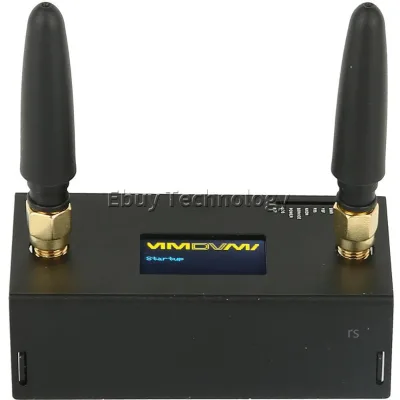
Can I find cases with antennas for the Orange Pi Zero 3?
Yes, specific accessories are available as cases with antennas or cases only. These accessories are designed to fit the Orange Pi Zero 3 form factor and often include thermal management features like copper bases.
What is the typical lead time for in-stock Orange Pi Zero 3W units?
Many listings indicate an instock lead time, allowing for immediate shipment without production delays. This availability supports rapid prototyping and urgent deployment needs for IoT or home automation projects.
Which interface types are supported by the Orange Pi Zero 3W?
The board features multiple interface types including GPIO, USB, HDMI, Ethernet, WiFi, and Bluetooth. These connections enable versatile integration into embedded systems, industrial development, and general application environments.
What is the physical dimension of the Orange Pi Zero 3W board?
The board dimensions are recorded as 65mm by 32mm with a weight of approximately 14 grams. This compact size fits within single package sizes of roughly 12x10x8 cm for efficient logistics.