Source High Performance Tricycle Gear Kit for delivery, cargo, and passenger use
Compare 30 listings for the High Performance Tricycle Gear Kit featuring steel and iron materials from Jiangsu and Shandong. Buyers can review specifications including model numbers like HERCULES-36, warranty terms, and MOQ options ranging from 1 to 500 sets for electric vehicle applications.
Key considerations
Products List
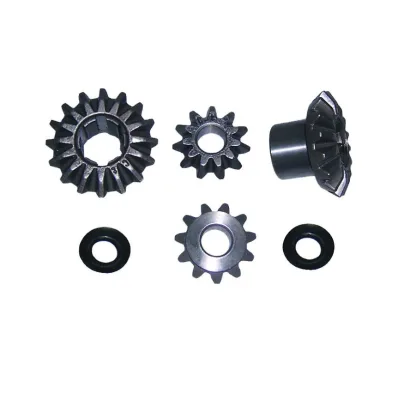
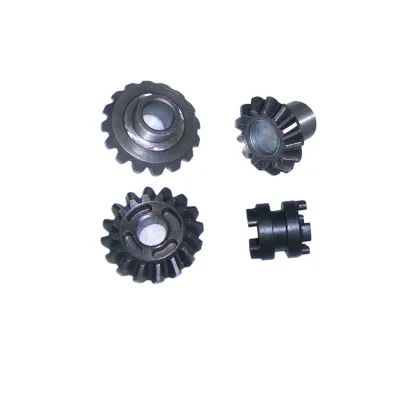
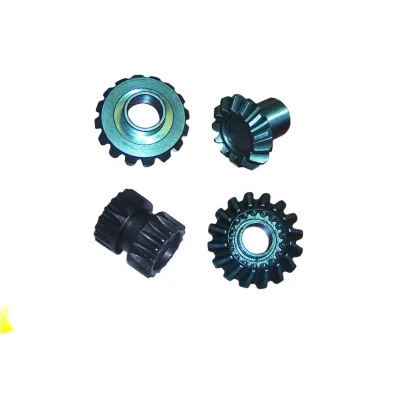


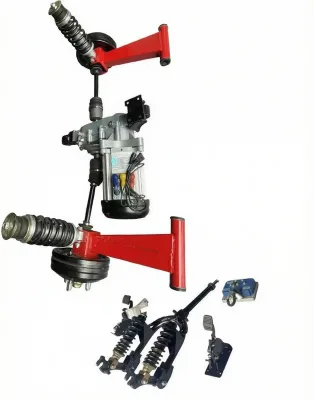


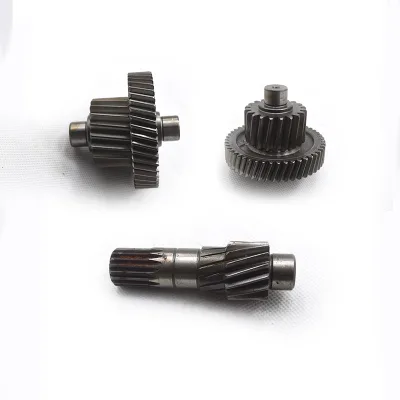
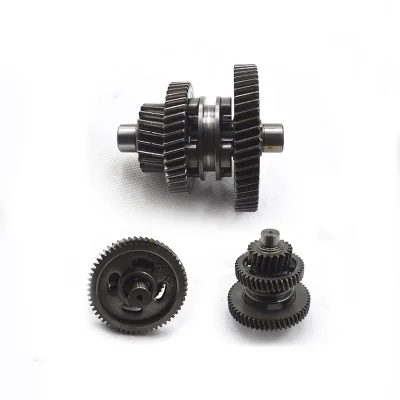
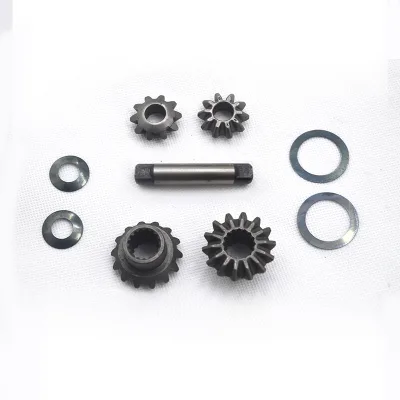
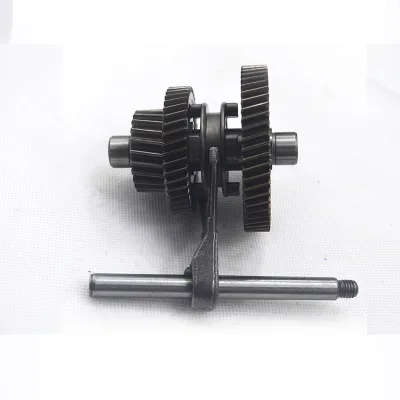
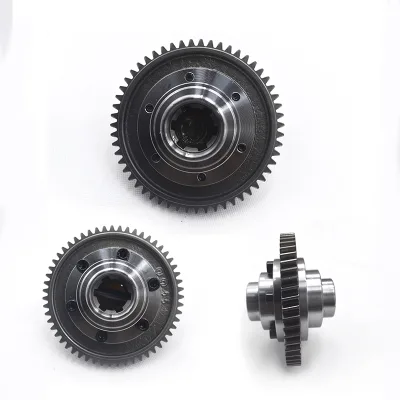
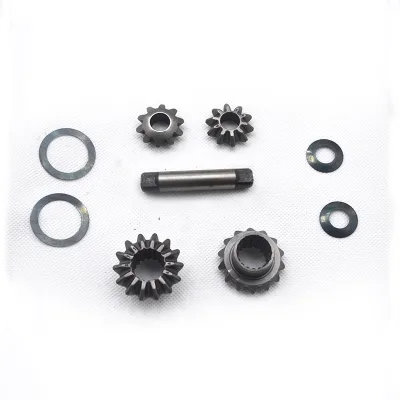


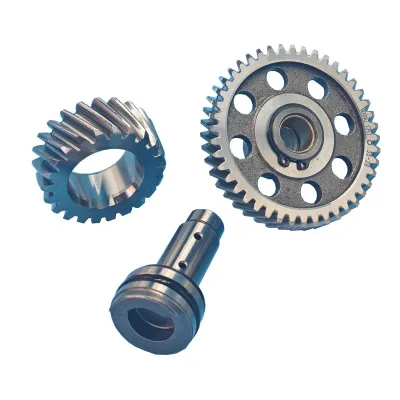
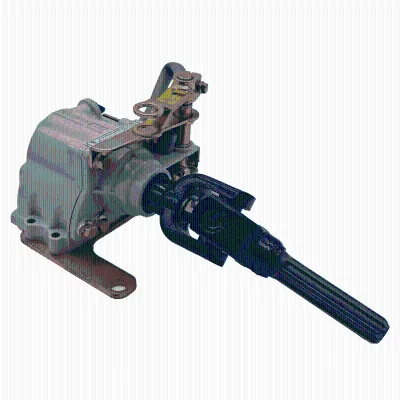

High Quality Tricycle Parts Tricycle Transmission Gear Cg, Motorcycle Parts
$0.50 - $0.70
MOQ: 200 Pieces

High Quality Tricycle Parts Tricycle Reverse Gear Assembly Cg, Motorcycle Accessories
$16.00 - $18.00
MOQ: 200 Pieces
Comprehensive Sourcing Guide
Strategic Sourcing Guide for High Performance Tricycle Gear Kits
Understanding the Technical Landscape of Tricycle Gear Systems
Sourcing a high-performance tricycle gear kit requires a precise understanding of the mechanical architecture that defines these components. In the current market, these kits are not monolithic units but rather assemblies designed for specific vehicle architectures, primarily electric tricycles and heavy-duty cargo trikes. The core function of these gear kits is to manage torque transmission and speed reduction, ensuring that the motor's output is effectively converted into usable wheel motion.
Based on observed market data, the technical specifications for these systems vary significantly depending on the intended application. Buyers must distinguish between kits designed for general replacement and those engineered for high-load scenarios. A critical observation in the current supply chain is the variation in material composition. While some high-performance units utilize steel for maximum durability and torque resistance, others employ aluminum to reduce overall vehicle weight, which is a common requirement for electric mobility solutions. The specific model numbers available in the market, such as HERCULES-36, HERCULES-20, and HERCULES-21, indicate a modular approach where different gear ratios and housing sizes are available to match specific motor outputs.
The internal geometry of these gear kits is equally critical. Specifications such as the half-spline configuration, observed as 18t/Big 6t in certain listings, dictate the compatibility with the motor shaft and the wheel hub. Furthermore, the ratio of the gear set, such as an 8.8/23 ratio, determines the final speed and torque characteristics of the vehicle. A buyer must verify that the "Install State" (e.g., Front or Rear) matches the specific axle configuration of their target vehicle. The "Single volume" and "Single gross weight" metrics provided in some product data suggest that packaging and shipping dimensions are standardized, yet the actual physical dimensions of the gear housing, such as the 260125mm standard size or the 120030*30CM export standard, vary widely. This variance necessitates a rigorous verification process before ordering to ensure the physical kit fits within the vehicle's chassis constraints.
Compliance, Certification, and Regulatory Standards
In the B2B procurement of mechanical components, compliance is not merely a formality but a fundamental risk mitigation strategy. When sourcing high-performance gear kits, buyers must prioritize suppliers who can demonstrate adherence to international quality management standards. The presence of ISO9001 certification is a significant indicator of a supplier's commitment to consistent manufacturing processes. This certification suggests that the supplier has established procedures for quality control, from raw material intake to final assembly, which is essential for maintaining the "High-Quality" status often advertised in product listings.
Beyond general quality management, specific product certifications are vital for market entry and safety assurance. The observed data indicates that certain axle and gear systems carry CE certification, which is a mandatory requirement for selling mechanical products within the European Economic Area. While the presence of CE marking is noted in the background data, buyers must verify the authenticity and scope of this certification for the specific model they intend to purchase. The "Axle Number" and associated certifications often appear together in product descriptions, implying that the certification covers the entire axle assembly, including the gear reduction mechanism.
It is crucial to note that while some listings mention "Certification: ISO, CE," this should be treated as a claim that requires validation rather than an automatic guarantee. Buyers should request the actual certificate documents from the supplier to ensure they cover the specific model numbers (e.g., HERCULES series) and the specific material composition (Steel or Aluminum) being ordered. Additionally, the "Standard" attributes listed, such as 12003030CM or 260*125mm, often refer to packaging or dimensional standards rather than safety certifications. Therefore, the primary focus for compliance verification should remain on ISO9001 for process quality and CE for product safety, ensuring that the gear kits meet the regulatory requirements of the destination market.
Cost Drivers and Pricing Dynamics
The pricing structure for high-performance tricycle gear kits is influenced by a complex interplay of material costs, manufacturing complexity, and order volume. The observed price range in the market spans from $0.10 to $450.00 USD, a wide disparity that reflects the diversity of product types, from simple replacement gears to complete, high-torque axle assemblies. This range indicates that a "kit" can range from a minor component to a major sub-assembly, and the price must be evaluated in the context of the specific unit's capabilities.
Material composition is a primary driver of cost. Steel-based gear kits, which are often preferred for heavy-duty applications due to their strength, typically command a higher price point compared to aluminum variants, which are lighter but may have different load-bearing characteristics. The "Shell" attribute, described as a "Thickened Case" in some listings, suggests that additional material thickness contributes to durability and cost. Similarly, the "Motor Power" compatibility, ranging from 1000 to 2000 watts, influences the engineering required for the gear set. Kits designed to handle higher power outputs require more robust internal gearing and heat dissipation features, which increase the manufacturing cost.
Order volume plays a pivotal role in the final unit price. The Minimum Order Quantity (MOQ) observed in the market varies significantly, ranging from 1 piece to 500 sets. Suppliers offering an MOQ of 1 piece are likely targeting small retailers or repair shops, often at a premium unit price. Conversely, bulk buyers who can meet an MOQ of 500 sets or 100 sets may access more competitive pricing tiers. The "Selling Units" attribute, often listed as "Single item," can be misleading if the buyer intends to purchase in bulk; it is essential to clarify whether the listed price applies to a single unit or a batch. Additionally, the "Packing" method, whether "Color Box," "Neutral Packing," or "Standard/Customizable," affects logistics costs. Customizable packaging or export-standard packing (12003030CM) may incur additional fees compared to standard carton packaging.
Typical Applications and Performance Scenarios
High-performance tricycle gear kits are engineered for a diverse range of applications, primarily driven by the need for efficient power transmission in three-wheeled vehicles. The "Application" attribute in product data frequently points to "Electric Vehicles" and "Transmission Systems," indicating that these kits are integral to the propulsion of modern electric trikes used for logistics, passenger transport, and agricultural purposes. The "Purpose" of these kits is often explicitly stated as "for replace/repair," highlighting their role in the aftermarket maintenance sector, but they are also essential for new vehicle assembly.
The specific use case dictates the required specifications. For instance, the "Rear Axles" and "Rear Axle" designations suggest that these kits are predominantly used in the rear drive configuration of tricycles, where the majority of the load and torque is concentrated. The "Install State" of "Fr, Rl" (Front, Rear) implies that some systems are versatile enough to be installed in multiple positions, though the "Type: Motorcycle Gear" classification suggests a focus on two or three-wheeled motorized vehicles. The "Speed ratio/Speed: Multiple Specifications" attribute indicates that buyers can select gear ratios tailored to their specific speed and torque requirements. A lower ratio might be chosen for heavy cargo hauling, while a higher ratio might be preferred for passenger transport to maximize speed.
Furthermore, the "Motor Power" range of 1000-2000 watts suggests that these kits are optimized for mid-to-high power electric motors, which are common in commercial delivery trikes. The "Half Shaft Spline" specification of 18t/Big 6t is a critical detail for compatibility with specific motor shafts, ensuring a secure mechanical connection that can withstand high torque without slipping. The "Application: Transmission System" confirms that these are not just simple gears but integrated systems designed to handle the dynamic loads of a moving vehicle. Buyers should match the "Model Number" (e.g., HERCULES-36) to the specific motor and chassis requirements of their target application to ensure optimal performance.
Supplier Evaluation and Verification Protocols
Evaluating suppliers for high-performance gear kits requires a methodical approach that goes beyond surface-level product descriptions. The "Place of Origin" data indicates that the majority of these products originate from specific manufacturing hubs in China, such as Jiangsu and Shandong provinces. While these regions are known for their manufacturing capabilities, buyers must verify the specific factory's capacity and reputation. The "Brand Name" Tossa appears in the data, but buyers should be cautious of generic branding and ensure that the supplier is the actual manufacturer or an authorized distributor.
Key evaluation criteria should include the supplier's ability to provide "Customization" services. The "Customization: Available" attribute suggests that many suppliers are flexible regarding packaging, branding, and potentially technical specifications. This flexibility is a strong indicator of a mature supply chain capable of meeting diverse buyer needs. However, buyers must verify the extent of this customization. Can the supplier modify the gear ratio? Can they alter the material from steel to aluminum? Can they adjust the packaging dimensions?
The "Warranty" terms are another critical factor. The observed warranty period of "1 years" or "1 year" is standard, but buyers should clarify what this warranty covers. Does it cover manufacturing defects only, or does it include wear and tear? The "Quality: High-Quality" and "High-Qualiy" (noting the typo in the source data) claims should be substantiated by third-party test reports or customer references. Buyers should request samples to verify the "Single gross weight" and "Single volume" claims, as these affect shipping costs and installation feasibility. Additionally, the "Transport" options (by Sea, by Air, by Rail) should be evaluated based on the buyer's urgency and budget. A supplier offering multiple transport modes demonstrates logistical flexibility, which is valuable for managing supply chain disruptions.
Quality Control and Long-Term Procurement Considerations
Ensuring the long-term reliability of high-performance gear kits requires a robust quality control (QC) framework. The "Quality" attribute, consistently listed as "High-Quality," is a claim that must be validated through a rigorous QC process. Buyers should implement incoming quality inspections that verify the material composition (Steel vs. Iron vs. Aluminum), the dimensional accuracy of the gear teeth, and the integrity of the housing. The "Standard" attributes, such as 12003030CM or 260*125mm, should be used as benchmarks for dimensional checks during the inspection phase.
Long-term procurement considerations also involve the availability of spare parts and the consistency of the supply chain. The "Model Number" variations (HERCULES-20, 21, 36) suggest a product line that may evolve over time. Buyers should ensure that the supplier has a plan for maintaining compatibility with older models or providing upgrade paths. The "OEM: Support" attribute indicates that the supplier is willing to work with original equipment manufacturers, which often implies a higher level of commitment to product consistency and long-term support.
Furthermore, the "Packing" method plays a role in long-term storage and transport safety. "Color Box" and "Carton" packaging must be evaluated for their ability to protect the gear kits from moisture, dust, and physical damage during transit. The "Single package size" of 120X100X100 cm is substantial and requires careful handling to prevent damage. Buyers should consider the environmental impact of the packaging and whether "Neutral Packing" or "Export Standard" options align with their sustainability goals. Finally, the "Lead Time" and "MOQ" constraints must be factored into the procurement strategy. An MOQ of 500 sets may be prohibitive for small buyers, while an MOQ of 1 piece may not offer the best price. Balancing these factors is essential for a sustainable procurement strategy that ensures a steady supply of high-performance gear kits without incurring excessive inventory costs.
Comparative Analysis of Key Product Attributes
To facilitate informed decision-making, the following table summarizes the key attributes observed in the market for high-performance tricycle gear kits. This comparison highlights the variability in specifications and helps buyers identify the specific requirements for their projects.
| Attribute Category | Observed Variations | Key Considerations for Buyers |
|---|---|---|
| Material | Steel, Iron, Aluminum | Select based on load requirements (Steel/Iron for heavy duty, Aluminum for weight reduction). |
| Model Number | HERCULES-20, 21, 36 | Verify compatibility with specific motor and chassis models. |
| MOQ | 1 pc to 500 sets | Align order volume with budget and storage capacity; negotiate for lower MOQs if possible. |
| Warranty | 1 year | Clarify coverage scope (defects vs. wear) and claim process. |
| Certification | ISO9001, CE | Verify authenticity and scope; essential for EU market entry. |
| Packing | Color Box, Neutral, Carton, Export Standard | Assess protection level and impact on shipping costs. |
| Application | Electric Vehicles, Transmission System | Ensure the kit matches the specific vehicle type (cargo vs. passenger). |
| Gear Ratio | 8.8/23, Multiple Specifications | Match ratio to desired speed and torque output. |
| Origin | Jiangsu, Shandong, China | Consider logistics and potential trade barriers associated with specific regions. |
By carefully analyzing these attributes and cross-referencing them with the specific needs of their operation, buyers can navigate the complex landscape of high-performance tricycle gear kits. The goal is to secure a supply chain that delivers reliable, compliant, and cost-effective solutions, ensuring the longevity and performance of the tricycle fleet.
FAQs
What materials are used for high performance tricycle gear kits?
These kits are primarily manufactured using steel or iron for durability, though aluminum variants exist to reduce weight. The specific material depends on the model, such as the HERCULES series, and the intended load capacity of the electric vehicle.
Which certifications should I verify for these gear kits?
Buyers should look for ISO9001 certification to ensure consistent manufacturing quality and CE certification for product safety compliance. While some listings mention these standards, verifying the specific certificate for the model number is essential before ordering.
How do I determine the correct gear ratio for my vehicle?
The gear ratio, such as 8.8/23, determines the final speed and torque characteristics of the vehicle. You must match this ratio to your motor power, typically between 1000 and 2000 watts, and the specific half-spline configuration like 18t/Big 6t.
Can I customize the packaging for bulk orders?
Yes, customization is available for packaging, with options ranging from color boxes to neutral packing or export standards. Suppliers often support standard or customizable packaging to meet specific logistical requirements for different markets.
What is the typical warranty period for these components?
The standard warranty period for these gear kits is one year, covering manufacturing defects. This warranty applies to the high-quality units produced by brands like Tossa, provided the installation follows the specified front or rear states.
Which locations are the primary manufacturing hubs for these kits?
The majority of these products originate from manufacturing hubs in Jiangsu and Shandong provinces in China. Buyers should verify the specific place of origin to ensure the supplier meets their logistical and quality expectations.