Source High Power SCR Thyristor Module for Inverter Induction Heating UPS
Compare 30 listings for High Power SCR Thyristor Module from verified Chinese manufacturers. Evaluate specifications like MTC/MDC series and Mt57/16e for inverter, induction heating, and UPS power applications with delivery options including sea, air, and express courier.
Key considerations
Products List


Comprehensive Sourcing Guide
Strategic Sourcing Guide for High Power SCR Thyristor Modules
Procuring high-power SCR (Silicon Controlled Rectifier) thyristor modules requires a disciplined approach that balances technical performance, supply chain reliability, and regulatory compliance. These components are critical in applications ranging from industrial motor drives to renewable energy systems, where failure can result in significant operational downtime. The following guide synthesizes available market data and technical attributes to assist procurement professionals in evaluating potential suppliers and defining precise requirements.
Technical Architecture and Material Specifications
Understanding the fundamental construction of the component is the first step in any sourcing strategy. High-power SCR modules are not generic discrete devices; they are engineered composites designed to handle extreme electrical stress. The core material composition often varies between compound semiconductors and element semiconductors, depending on the specific voltage and current ratings required. For high-voltage applications, the "kp high voltage series" represents a distinct category of modules, while the "MTC/MDC series" and "MF/MT" series indicate different form factors and internal architectures.
The manufacturing technology employed is a critical differentiator. While some modules utilize discrete device technology, others are integrated into complex systems involving analog, digital composite, and function signal processing. This distinction is vital for buyers integrating these modules into smart grids or automated control systems. The physical packaging is equally significant; the market offers SMD (Surface Mount Device) options for compact designs, as well as plastic sealing for general protection. A specific subset of high-power modules features an isolated mounting base, which is essential for thermal management and electrical isolation in high-voltage environments.
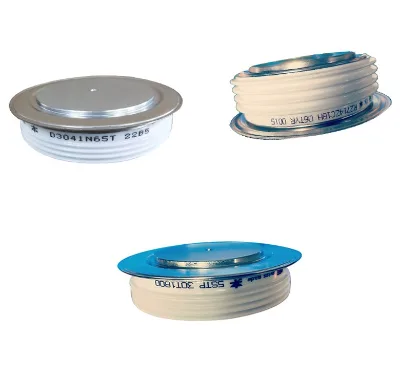
Thermal performance is a primary constraint in high-power applications. The "Double-Side Cooling" attribute indicates a design capable of dissipating heat from both the anode and cathode sides, a feature often required for modules operating in continuous duty cycles. Furthermore, the internal architecture supports both parallel and series installation, allowing engineers to scale voltage and current capabilities by connecting multiple units. The output type is consistently identified as SCR, confirming the rectification and switching capabilities inherent to the component.
Compliance, Certification, and Standardization
In the global B2B market, regulatory compliance is non-negotiable. Buyers must verify that suppliers possess valid certifications for the target regions. The available data confirms the presence of CCC (China Compulsory Certification) and CE (Conformité Européenne) marks on certain product lines. These certifications indicate that the modules meet specific safety and electromagnetic compatibility standards required for sale in China and the European Union, respectively. However, the presence of these marks on one product line does not guarantee their applicability to every SKU; verification against the specific model number is mandatory.
Packaging and shipping standards also play a role in compliance and logistics. The observed product standards include specific dimensions such as 400300200 and 490330200, which likely refer to packing sizes or handling dimensions rather than the component footprint itself. Other specifications list a standard of 20cm12cm5cm, which may apply to smaller, individual unit packaging. Buyers should ensure that the "Carton Box" or "Paper Box" packaging provided by the supplier aligns with their internal logistics requirements and that the "Outlie" (likely referring to output or outline) meets customs requirements, such as the "a-N Code" or other specific customs needs.
The origin of the product is a key factor in supply chain transparency. The supplied context identifies China as the primary production origin. While this does not preclude high quality, it necessitates rigorous due diligence regarding the supplier's manufacturing facility and quality control processes. The "Batch Number" of 2023+ suggests a focus on recent production runs, which is generally favorable for component reliability and availability of technical support.
Cost Drivers and Commercial Terms
The pricing structure for high-power SCR modules is influenced by several variables, including the complexity of the semiconductor material, the cooling technology, and the volume of the order. The observed price range in the market spans from 1 to 350 USD, a wide variance that reflects the difference between low-power discrete units and high-voltage, high-current industrial modules. Buyers must be cautious when comparing prices, as the lowest cost option may not include necessary features like double-side cooling or isolated mounting bases.
Minimum Order Quantity (MOQ) is another significant cost driver. The market data indicates an MOQ range of 1 to 100 units. This flexibility allows small-scale prototyping projects to source single units, while larger industrial projects can negotiate bulk pricing. The payment terms are diverse, with options including T/T (Telegraphic Transfer), PayPal, Western Union, and Trade Assurance. Trade Assurance is particularly valuable for international buyers as it offers a layer of financial protection.
Delivery and logistics costs are also critical. The "Delivery Time" of 3 days suggests a rapid turnaround capability for stock items, but this should be verified for custom configurations. The available delivery methods include Sea, Air, DHL, FedEx, UPS, TNT, and SF, offering buyers the flexibility to choose between cost-effective sea freight for bulk orders and expedited air courier for urgent replacements. The "Price Term" options of Fob, CPT, and CIF allow buyers to manage their own logistics or rely on the supplier for shipping arrangements, depending on their Incoterms expertise.
Typical Applications and Functional Integration
High-power SCR thyristor modules are the backbone of several critical industries. The "Application Field" data highlights their use in inverters, induction heating systems, choppers, and UPS (Uninterruptible Power Supply) power systems. In these applications, the modules act as high-speed switches, converting DC to AC or controlling power flow with high efficiency. The "Functional Application" specifically notes automotive use, indicating that these components are robust enough to withstand the harsh environments of vehicle powertrains.
Beyond heavy industry, the modules are increasingly integrated into consumer electronics, solar cells, and artificial intelligence systems. This diversification suggests that the technology is evolving to support high-frequency switching and precise control required by modern AI-driven power management systems. The "Input Type" of AC and DC confirms their versatility in rectification and inversion tasks. Additionally, their use in temperature measurement and power electronic components underscores their role in monitoring and regulating system health.
The "Warranty" period of 90 days is a standard baseline for electronic components, but buyers should clarify if this covers manufacturing defects only or includes field performance issues. The "Quality" is described as "Guaranteed," a claim that should be backed by the supplier's specific quality assurance protocols and test data.
Supplier Evaluation and Quality Assurance
Selecting a supplier for high-power modules requires a multi-faceted evaluation process. The brand names "Sailton" and "Sti" appear in the market data, but buyers should not limit their search to these specific entities. Instead, the focus should be on the supplier's ability to demonstrate the "Guaranteed" quality claim through verifiable documentation.
Key evaluation criteria include:
- Manufacturing Capability: Does the supplier use "Integrated Circuits Device" technology or "Optoelectronic Semiconductor" processes? The choice depends on the required signal processing complexity.
- Testing Protocols: While specific test results are not provided in the general data, buyers must request evidence of "Anti-Static" protection measures and thermal cycling tests.
- Inventory Management: The "Batch Number" 2023+ indicates recent production, but buyers should verify stock levels to ensure continuity of supply.
- Customization: The availability of "Customization" is a significant advantage for buyers with unique form factor or performance requirements.
Buyers should also assess the supplier's ability to handle the "Parallel, Series" installation requirements. This involves verifying that the supplier provides detailed datasheets on matching parameters to ensure stable operation when multiple modules are connected.
Long-Term Procurement Considerations
Sourcing high-power SCR modules is not a one-time transaction but a long-term partnership. The "Delivery Way" options and "Lead Time" of 3 days suggest a responsive supply chain, but buyers must plan for potential disruptions. The "Application" in sectors like Automotive and Artificial Intelligence implies that these components will be subject to long product lifecycles, requiring consistent availability over many years.
Buyers should establish clear communication channels regarding the "Product Packing" (Carton Box vs. Paper Box) to ensure that the packaging protects the sensitive semiconductor materials during transit. The "Protection" against static electricity is critical, as even minor ESD (Electrostatic Discharge) events can degrade the performance of the "N-Type Semiconductor" or "P-Channel" components.
Finally, the "Standard" dimensions and "Model" numbers (such as Mt57/16e or MT106/16E) must be strictly adhered to in future re-orders to ensure interchangeability. Any deviation in the "Chip Type" (e.g., Fast Thyristor vs. Rectifier Modules) could render the component incompatible with the existing system design. Therefore, maintaining a detailed specification sheet and verifying the "Model" against the supplier's current catalog is essential for long-term procurement success.
Comparative Analysis of Module Attributes
To facilitate decision-making, the following table summarizes the key attributes observed in the market for high-power SCR thyristor modules. This comparison helps buyers identify which product lines align with their specific technical and logistical needs.
| Attribute Category | Specific Observations | Procurement Implication |
|---|---|---|
| Material Type | Compound Semiconductor, Element Semiconductor, Power Semiconductor | Verify material suitability for the specific voltage/current stress of the application. |
| Cooling Method | Double-Side Cooling | Essential for high-duty cycle applications; verify thermal interface compatibility. |
| Packaging | Carton Box, Paper Box, Plastic Sealing | Ensure packaging meets ESD protection and shipping durability standards. |
| Certifications | CCC, CE | Mandatory for entry into specific markets; verify validity for the specific model. |
| Installation | Parallel, Series, Standard Mounting | Confirm compatibility with the system's electrical topology and mechanical constraints. |
| Warranty | 90 Days | Standard term; negotiate extended terms for high-volume or critical applications. |
| Origin | China | Assess supplier's export compliance and logistics capabilities for international shipping. |
| Delivery Time | 3 Days | Indicates high stock availability; verify for custom orders which may have longer lead times. |
By systematically evaluating these attributes and adhering to the verification protocols outlined above, procurement professionals can secure high-quality, reliable high-power SCR thyristor modules that meet the rigorous demands of modern industrial and technological applications. The focus must remain on technical alignment, verified compliance, and a robust supplier relationship to mitigate risk and ensure operational continuity.
FAQs
What certifications do high power scr thyristor modules have?
Available modules carry CCC and CE certifications for safety and electromagnetic compliance. Buyers must verify these marks against specific model numbers as they apply to distinct product lines rather than every SKU.
Can I customize the High Power SCR Thyristor Module specifications?
Customization is available for buyers with unique form factor or performance requirements. This option allows engineers to tailor the component to specific industrial or automotive application needs.
How fast is the delivery time for high power scr thyristor modules?
The standard delivery time is 3 days for stock items. This rapid turnaround applies to standard configurations, though custom orders may require additional processing time.
Which cooling methods are used in high power scr thyristor modules?
Some high-power modules feature double-side cooling to dissipate heat from both anode and cathode sides. This design is essential for components operating in continuous duty cycles.
What is the minimum order quantity for high power scr thyristor modules?
The minimum order quantity ranges from 1 to 100 units depending on the supplier. This flexibility supports both small-scale prototyping and larger industrial bulk procurement projects.
Where are high power scr thyristor modules manufactured?
The primary production origin for these components is China. Buyers should verify the manufacturing facility and quality control processes to ensure component reliability.