Source High-Rise Steel Structure for Factories, Warehouses, and Platforms
Find 30 high-rise steel structure options for factories, warehouses, and industrial platforms. Compare designs with wind and seismic resistance, galvanized finishes, and custom sizes from Qingdao suppliers offering installation support; compare the available evidence and request quotations based on your requirements.
Updated
Key considerations
Products List

High Rise Steel Structure Buildings
$25.00 - $80.00
MOQ: 100 Square Meters
Qingdao Xinguangzheng Huayang Construction Engineering Co., Ltd.

High Strength Prefabricated Steel Structure Building
$35.00 - $75.00
MOQ: 500 Square Meters
Qingdao Xinguangzheng Huayang Construction Engineering Co., Ltd.

Steel Structure for Steel Building
$30.00 - $60.00
MOQ: 1000 Square Meters
Qingdao Xinguangzheng Huayang Construction Engineering Co., Ltd.

Steel Structure Warehouse Steel Construction Building
$30.00 - $60.00
MOQ: 1000 Square Meters
Qingdao Xinguangzheng Huayang Construction Engineering Co., Ltd.


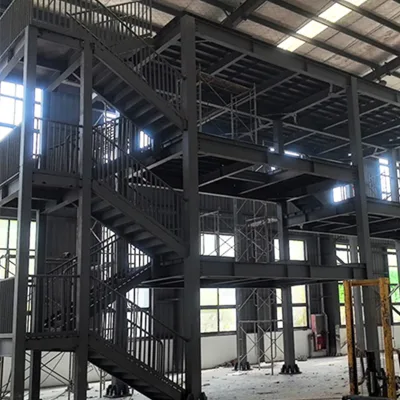
Special Design Widely Used Prefabricated Steel Structure High-rise Building for Sale
$46.0783 - $61.4377
MOQ: 200 Minimum


High Rise Building with Fast Construction and Strong Steel Structure
$59.00 - $99.00
MOQ: 100 Square Meters



Comprehensive Sourcing Guide
High-Rise Steel Structure Sourcing Guide
Procuring high-rise steel structures requires a rigorous evaluation of engineering capabilities and supply chain reliability, as these projects demand precision far beyond standard industrial buildings. Buyers must prioritize suppliers who demonstrate proven experience in complex structural systems, ensuring that the manufacturer can handle the unique stresses associated with vertical construction. The selection process should focus on verifying the supplier’s ability to deliver customized solutions that align with specific architectural designs and local regulatory requirements.
This guide outlines the critical factors for sourcing high-rise steel components, emphasizing technical verification and commercial due diligence. By focusing on observable listing signals and documented specifications, procurement teams can mitigate risks associated with structural integrity and delivery timelines. The following sections provide a structured approach to evaluating potential suppliers, ensuring that every decision is backed by concrete evidence rather than marketing claims.
Product Scope and Observed Listing Signals
Market listings for steel structures often highlight key attributes such as wind resistance capacities exceeding 100km/h and seismic resistance greater than Grade 8, which are critical for high-rise applications in vulnerable regions. Buyers should observe that customization is widely available, allowing for tailored designs that meet specific load requirements, including wind, snow, and earthquake loads. These signals indicate a supplier’s flexibility in adapting standard models to the rigorous demands of tall building frameworks.
Delivery timelines typically range from six to eight weeks, a factor that must be integrated into the overall project schedule to avoid costly delays. The observed price range of 20 to 735.06 USD suggests significant variability based on material specifications, such as the use of Q235 or Q355 carbon structural steel, and the complexity of the design. Minimum order quantities vary from 1 to 1000 units, offering flexibility for both large-scale developments and smaller structural components, though bulk orders may yield better commercial terms.
Technical Specifications to Verify
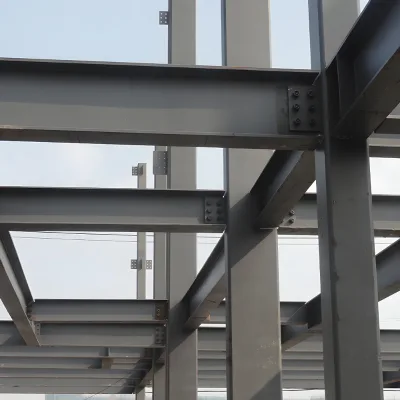
Verification of the main frame construction is essential, with options including welded or hot-rolled H-section steel, which provides the necessary strength for vertical loads. Buyers must confirm the connection forms, whether welded or bolted, as this impacts both the structural integrity and the ease of on-site assembly. The use of high-strength steel for the building structure ensures durability, while the specific type of steel column and purlin, such as C-section steel, must align with the engineering blueprints to prevent structural failures.
Surface treatment processes, including hot-dip galvanizing and painting, are vital for corrosion resistance, particularly in high-rise environments exposed to harsh weather conditions. Roof and wall materials, such as sandwich panels or single steel sheets, should be evaluated for their thermal and acoustic properties. Additionally, the inclusion of features like electric rolling doors and stainless steel ventilators must be checked against functional requirements, ensuring that all components contribute to the building’s overall performance and safety.
Compliance and Safety Documentation
Compliance with international standards such as ISO, CE, BV, EN, and SGS is a baseline requirement for high-rise steel structures, ensuring that materials and fabrication processes meet global safety benchmarks. Buyers should request detailed certification documents to verify that the supplier adheres to these standards, which provide assurance of quality control and manufacturing consistency. The presence of these certifications indicates a supplier’s commitment to maintaining high levels of operational and product safety.
Local building codes and standards, including GB, ASTM, DIN, JIS, and AISI, must also be considered, especially if the project is located in a region with specific regulatory requirements. Buyers should verify that the supplier can provide documentation proving compliance with these regional standards, as non-compliance can lead to legal issues and project delays. Ensuring that all safety documentation is up-to-date and comprehensive is crucial for passing inspections and obtaining necessary permits for construction.
Cost Drivers and Commercial Terms
The cost of high-rise steel structures is influenced by several factors, including the type of steel used, the complexity of the design, and the surface treatment processes applied. Buyers should analyze the price range of 20 to 735.06 USD to understand the cost implications of different material choices and design complexities. Understanding these cost drivers allows for more accurate budgeting and helps in negotiating favorable terms with suppliers.
Commercial terms, such as minimum order quantities and delivery times, play a significant role in the overall procurement strategy. With delivery times ranging from six to eight weeks, buyers must plan their logistics carefully to ensure that materials arrive on site when needed. Additionally, the availability of customization services and support for installation can add value to the procurement process, reducing the need for external contractors and streamlining project execution.
Supplier Qualification and Quality Control
Supplier qualification involves assessing the manufacturer’s production capabilities, quality control processes, and track record in delivering high-rise steel structures. Buyers should verify the supplier’s ability to handle large-scale projects, ensuring that they have the necessary equipment and expertise to produce components that meet strict engineering specifications. Quality control measures, such as regular inspections and testing, should be in place to ensure that every component meets the required standards.
The supplier’s service offerings, including design, manufacture, and installation support, are also critical factors in the qualification process. A supplier that provides comprehensive services can reduce the complexity of the procurement process and ensure better coordination between different project phases. Buyers should evaluate the supplier’s warranty policies, such as the one-year warranty observed in some listings, to understand the level of post-delivery support and accountability provided.
Long-Term Procurement Checks
Long-term procurement checks focus on the durability and maintenance requirements of the steel structures, ensuring that they can withstand the test of time. The observed service life of 50 years or more indicates a high level of durability, but buyers should verify the specific maintenance requirements to ensure that this lifespan is achievable. Regular inspections and maintenance plans should be established to address any potential issues before they become critical.
Sustainability and environmental considerations are also important for long-term procurement, as buildings are increasingly expected to meet green building standards. Buyers should inquire about the supplier’s environmental practices, such as the use of recyclable materials and energy-efficient production processes. By prioritizing suppliers who demonstrate a commitment to sustainability, buyers can contribute to the overall environmental goals of their projects and enhance the long-term value of their investments.
FAQs
What is the service life of a high-rise steel structure?
The service life is typically 50 years or more. This longevity is supported by high-strength steel materials like Q235 or Q355 and robust surface treatments such as hot-dip galvanizing or painting. These measures ensure durability against environmental factors, providing a reliable long-term investment for industrial or commercial applications.
Can high-rise steel structures withstand severe weather conditions?
Yes, these structures are designed to resist wind speeds exceeding 100 km/h and seismic activity above Grade 8. Engineers calculate design parameters including wind, snow, and earthquake loads to ensure structural integrity. This high resistance capacity makes them suitable for regions prone to extreme weather events or seismic activity.
What certifications are available for high-rise steel structure suppliers?
Suppliers often provide certifications including CE, SGS, BV, and ISO standards. These credentials verify compliance with international quality and safety regulations. Buyers can request specific documentation to ensure the steel components meet required engineering standards, facilitating smoother customs clearance and regulatory approval in various global markets.
How long is the delivery time for a high-rise steel structure?
The standard delivery time is approximately 6 to 8 weeks. This timeline covers design, manufacturing, and preparation for container transport. Lead times may vary based on order size and customization requirements, so early planning is recommended to align with project schedules and avoid potential delays in construction phases.
What customization options are available for high-rise steel structures?
Customization is available for size, color, and structural specifications. Buyers can request specific dimensions, such as the XGZ-A066 model, and choose colors like white and blue. Options also include different roof panels, wall materials, and door types, allowing the structure to be tailored to specific functional and aesthetic needs.
What is the minimum order quantity for high-rise steel structures?
The minimum order quantity ranges from 1 to 1000 units, depending on the supplier and project scale. This flexibility accommodates both small-scale renovations and large industrial developments. Buyers should confirm specific MOQ requirements with manufacturers to ensure the order aligns with production capabilities and logistical constraints for efficient shipping.