Source Romania Garden House Options for Villas and Workshops
Find 30 available options for a Romania Garden House suitable for residential villas, temporary offices, and outdoor workshops. Compare specifications such as steel structure frames, EPS sandwich panels, and tempered glass roofs to identify the best fit for your project needs.
Updated
Key considerations
Products List


High Quality Garden House Container House with Bedrooms and Bathroom
$3800.00 - $5700.00
MOQ: 1 Pieces


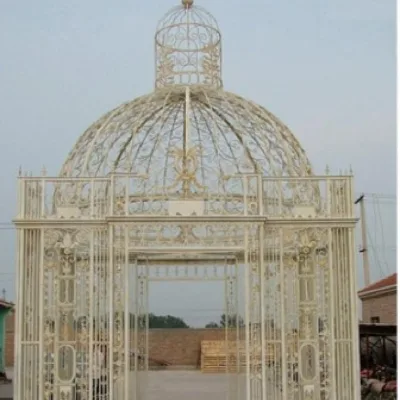
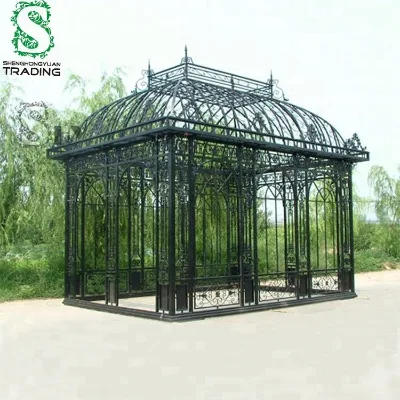
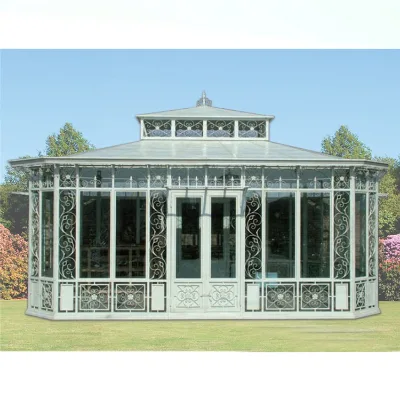
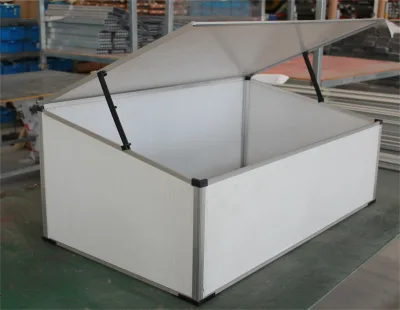

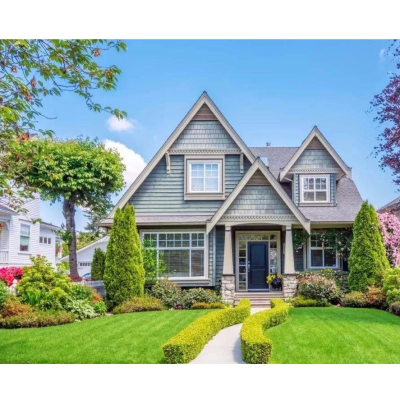
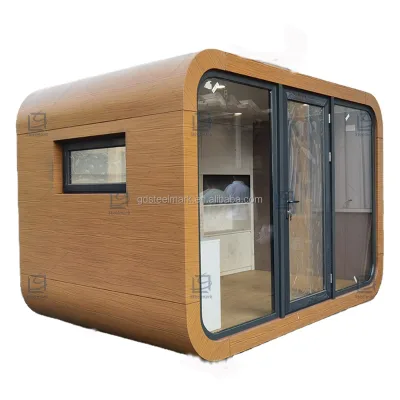
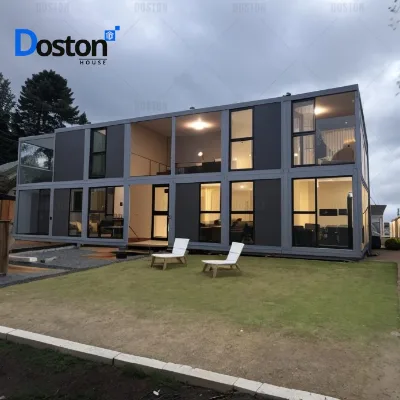

Steel Structure Prefabricated Modern Modular Building Garden House
$19999.00 - $25999.00
MOQ: 1 Pieces

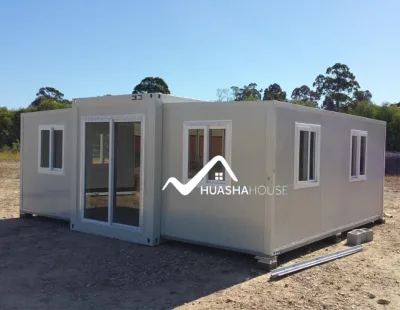

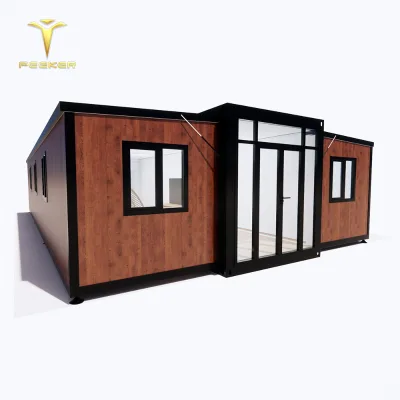
Turkey Uae Sweden House China Home Designs Luxury Expandable Container Houses
$3800.00 - $5699.00
MOQ: 1 pieces
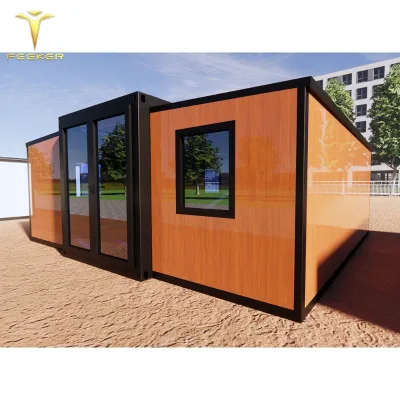
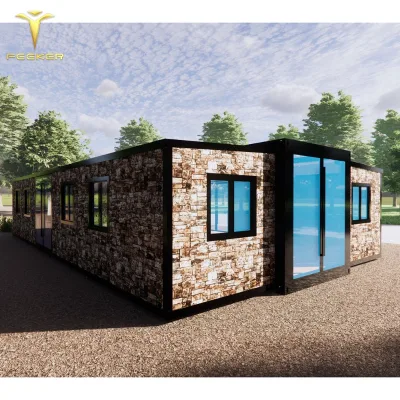
Plans Romania Steel Container House Prefabricated Fiberglass Houses And Villas
$3800.00 - $5699.00
MOQ: 1 pieces
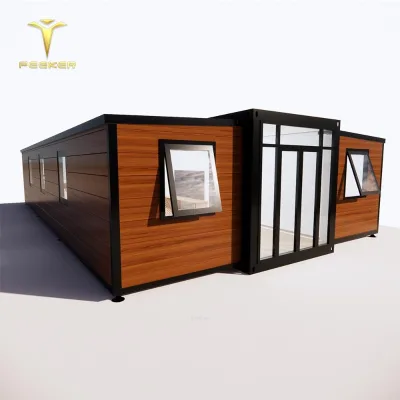
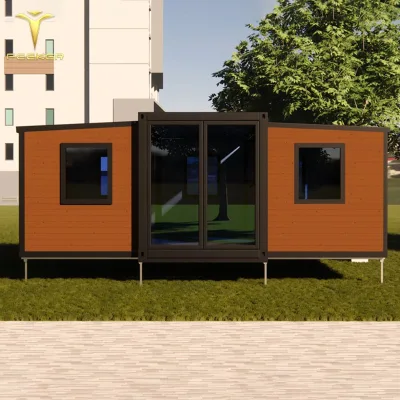
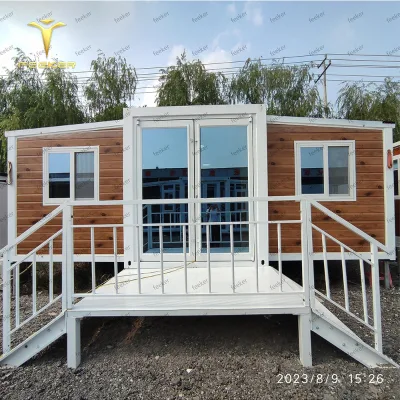
40ft Prefab In Romania Materials Good Price Container House South Africa
$3928.7084 - $5892.0289
MOQ: 1 pieces
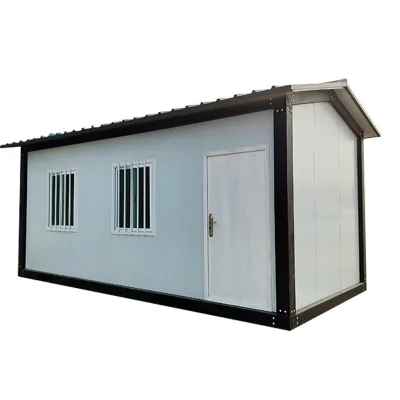
Comprehensive Sourcing Guide
Romania Garden House Sourcing Guide
Sourcing prefabricated structures for the Romanian market requires careful alignment with local climatic demands and regulatory frameworks. Buyers must prioritize units that offer robust insulation and weather resistance, given the country’s distinct seasonal variations. The available product landscape includes modular container-style homes and specialized sunrooms, each serving different functional needs from temporary offices to permanent residential extensions. Understanding the specific material composition and assembly requirements is essential for ensuring long-term durability and structural integrity in outdoor environments.
Procurement decisions should be guided by verified supplier capabilities and transparent commercial terms. The observed market offers a wide range of options, from basic steel structures to more elaborate aluminum glass sunrooms, with prices varying significantly based on customization and material quality. Buyers need to evaluate not just the initial unit cost but also the total landed cost, including logistics, installation, and compliance with Romanian building codes. This guide outlines the critical technical and commercial factors to consider when selecting a supplier for garden houses in Romania.
Product Scope and Observed Listing Signals
The current market presents diverse prefabricated solutions, primarily categorized into steel structure container homes and aluminum glass sunrooms. Container-style units are often marketed for versatile applications such as warehouses, villas, dormitories, and temporary offices, featuring EPS sandwich panels for walls and MGO boards for flooring. These structures are designed for rapid deployment and easy assembly, making them suitable for both residential and commercial projects. The observed listings highlight customization options, allowing buyers to tailor colors and internal layouts to specific project requirements.
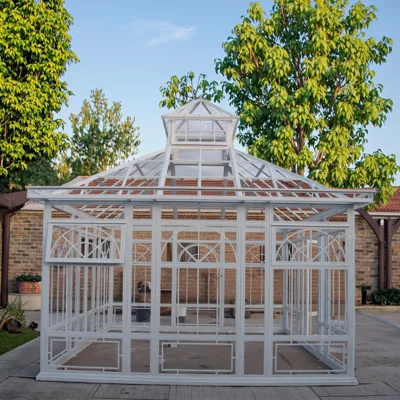
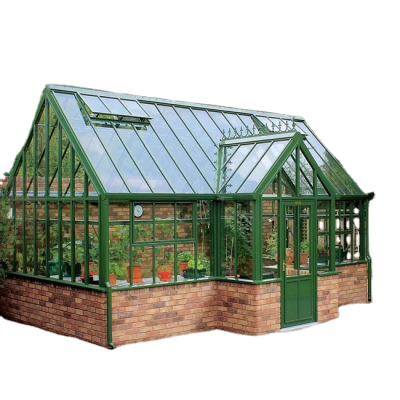
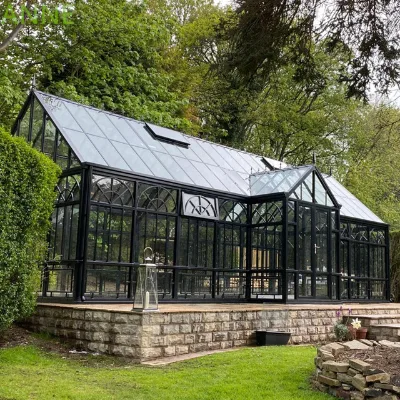
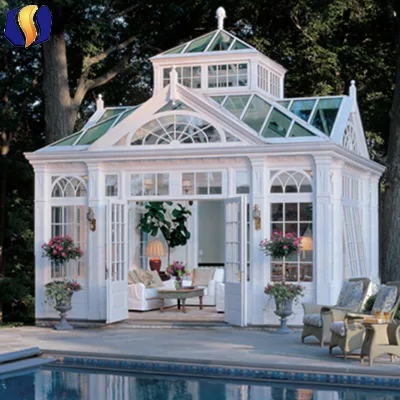
In contrast, aluminum glass sunrooms offer a different value proposition, focusing on aesthetic appeal and natural light integration. These units typically feature tempered glass roofs and metal frames, with options for various colors including white, black, and green. They are marketed for outdoor applications such as gardens, backyards, and hydroponic growing spaces. The distinction between these two product types is crucial for buyers, as the structural requirements, insulation properties, and intended use cases differ significantly. Selecting the right product type depends on whether the priority is rapid, functional space creation or aesthetic, light-filled living areas.
Technical Specifications to Verify
Technical verification must begin with dimensional accuracy and structural material quality. For container-style homes, buyers should confirm the exact dimensions, such as the observed 632059002480mm specification, and verify the load-bearing capacity of the steel frame. The use of EPS sandwich panels for walls and MGO boards for floors requires validation of their thermal insulation values and fire resistance ratings. Additionally, the roof material, whether standard steel or tempered glass for sunrooms, must be checked for durability against Romanian weather conditions, including snow load and wind resistance.
Assembly and packaging details are equally critical for successful delivery and installation. Buyers should verify that the units are designed for easy assembly, with clear instructions and pre-drilled holes for components. The packaging method, whether film package or seaworthy packing, must ensure that fragile elements like glass panels are protected during transit. For sunrooms, the type of glass, such as tempered glass, and the frame material, whether aluminum or metal, should be specified to ensure compatibility with local building standards. Confirming these technical details prevents costly modifications and ensures a smooth installation process.
Compliance and Safety Documentation
Compliance with European and Romanian standards is non-negotiable for any imported prefabricated structure. Buyers must request valid CE certification for all components, particularly for electrical installations and structural materials. The presence of ISO certification indicates a supplier’s adherence to quality management systems, which is a positive indicator of manufacturing consistency. However, buyers should verify that the specific product model meets the latest Romanian building codes, including energy efficiency requirements and safety regulations for outdoor structures.
Safety documentation should also include material safety data sheets and fire resistance certificates. For units using EPS panels, buyers must ensure that the material meets fire safety standards to prevent rapid flame spread. Similarly, for aluminum glass sunrooms, the tempered glass must comply with impact resistance standards to ensure user safety. Buyers should also check for any additional certifications required by local authorities in Romania, such as structural engineering approvals or environmental compliance certificates. Obtaining these documents before shipment is essential to avoid customs delays and ensure legal occupancy.
Cost Drivers and Commercial Terms
Cost drivers for prefabricated garden houses include material quality, customization level, and logistics complexity. Steel structure homes with standard configurations are generally more cost-effective, while aluminum glass sunrooms with custom colors and large glass panels command higher prices. The observed price range of 28-25999 USD reflects this variability, with basic units at the lower end and fully customized, high-specification models at the higher end. Buyers should also consider the cost of additional features, such as enhanced insulation, premium flooring, or specialized roofing materials, which can significantly impact the final price.
Commercial terms, including payment methods and delivery times, play a crucial role in the procurement process. The observed MOQ of 1-100 units offers flexibility for both small and large projects. Buyers should negotiate clear payment terms, such as the observed T/T 30% advanced payment, and confirm the delivery time, which can range from 45 days for standard models to longer periods for customized orders. Logistics costs, including shipping and insurance, should be explicitly included in the quotation to avoid hidden expenses. Understanding these commercial terms helps buyers budget accurately and manage cash flow effectively.
Supplier Qualification and Quality Control
Supplier qualification involves assessing manufacturing capabilities, quality control processes, and after-sales support. Buyers should verify the supplier’s production capacity and experience in exporting to Europe, particularly Romania. Requesting factory audits or third-party inspection reports can provide insights into the supplier’s quality management systems. The observed warranty of 12 months or one year is a standard offering, but buyers should clarify the scope of coverage, including parts and labor, to ensure adequate protection against defects.
Quality control checks should be conducted at various stages of production, from raw material inspection to final assembly and packaging. Buyers should request detailed inspection reports and photos of the finished products before shipment. For complex structures like sunrooms, verifying the precision of glass cutting and frame assembly is essential to ensure a watertight and structurally sound unit. Establishing a clear communication channel with the supplier for addressing any issues during installation is also crucial. A reliable supplier will provide comprehensive support, including technical assistance and spare parts, to ensure customer satisfaction.
Long-Term Procurement Checks
Long-term procurement success depends on continuous monitoring of supplier performance and market trends. Buyers should establish key performance indicators, such as on-time delivery rates, product defect rates, and customer satisfaction scores, to evaluate supplier reliability over time. Regular feedback loops with the supplier can help identify areas for improvement and foster a collaborative relationship. Additionally, staying informed about changes in Romanian building codes and material standards is essential to ensure ongoing compliance and relevance of the procured products.
Sustainability and energy efficiency are becoming increasingly important factors in procurement decisions. Buyers should consider suppliers who offer eco-friendly materials and energy-efficient designs, such as units with high R-value insulation or solar-ready roofs. The observed features like "Eco-Friendly" and "Renewable Sources" indicate a growing market trend towards sustainable construction. By prioritizing suppliers who align with these values, buyers can enhance the long-term value of their investments and contribute to environmental goals. Regularly reviewing and updating procurement strategies ensures that the organization remains competitive and responsive to market changes.
FAQs
What materials are used for Romania Garden House structures?
The structures primarily utilize steel frames and container materials for durability. Walls are constructed from EPS sandwich panels, while floors use MGO board. Some models feature aluminum frames with tempered glass roofs. These materials ensure the buildings are waterproof, rot-proof, and suitable for various outdoor applications including gardens and workshops.
Can Romania Garden House units be customized for specific needs?
Yes, customization is available for these garden house units. Buyers can select from various colors such as white, grey, yellow, or wooden finishes. The decoration style can be adjusted to meet specific aesthetic requirements. Additionally, the standard size of 6320*5900*2480mm can often be adapted, allowing for tailored solutions for villas or temporary offices.
What certifications do these prefabricated garden houses hold?
These prefabricated garden houses typically hold CE and ISO certifications. The CE mark indicates compliance with European health, safety, and environmental protection standards. The ISO certification ensures quality management systems are in place. These credentials are essential for importing into Romania and other European markets, providing assurance of product quality and regulatory adherence for buyers.
How long is the delivery time for these garden houses?
The standard delivery time is approximately 45 days from order confirmation. This lead time accounts for manufacturing, quality control, and packaging processes. Buyers should plan their project schedules accordingly. Expedited options may be available depending on stock levels and specific customization requirements, but the 45-day timeframe is the typical expectation for production and preparation.
What is the warranty period for these garden house products?
The warranty period is generally 12 months or one year. This coverage applies to structural integrity and material defects under normal usage conditions. It ensures buyer confidence in the product's longevity. Buyers should retain documentation of the purchase and installation to validate warranty claims. This standard warranty reflects the manufacturer's commitment to quality and customer satisfaction.
What is the minimum order quantity for these units?
The minimum order quantity is typically 1 set. This low MOQ allows buyers to test the product or purchase single units for personal use. It is ideal for individual homeowners or small businesses. Bulk orders may offer different pricing tiers, but the flexibility to order just one unit makes these garden houses accessible for various project scales and budgets.