Source Target Practice Toy Gun for Kids, Training, and Play
Source 30 Target Practice Toy Gun options from China. Compare specifications including materials like ABS and plastic, certifications such as EN71 and ASTM, and packaging details for bulk procurement; compare the available evidence and request quotations based on your requirements.
Updated
Key considerations
Products List


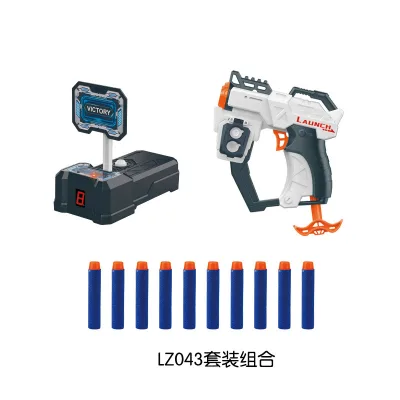
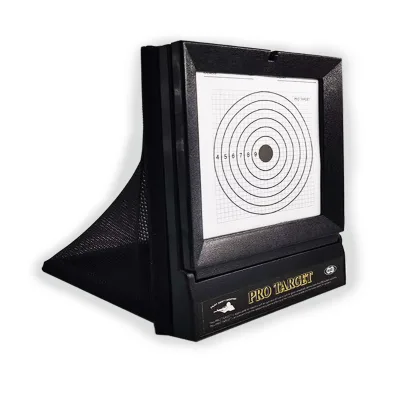
Hot Sale Airsoft Bullet Shooting Target Soft Foam Bullet Kids Toy Gun (10448163)
$0.70 - $1.20
MOQ: 648 Pieces




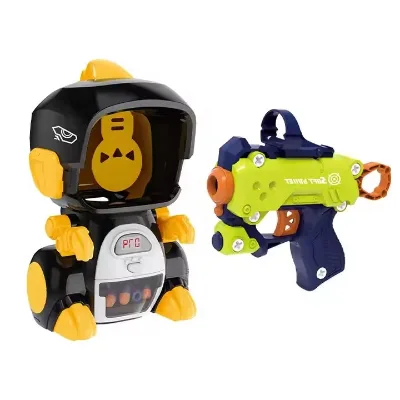


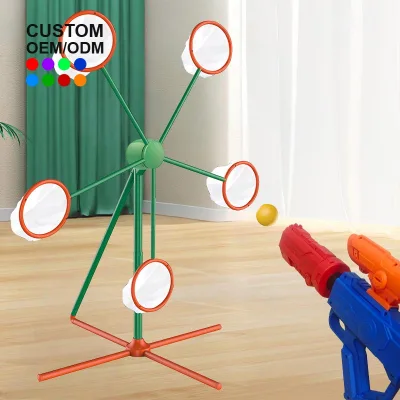
Soft Gun Toy Set with Soft Bullets with Safe Soft Bullets for Kids Toys Gun
$6.32 - $6.65
MOQ: 100 Pieces

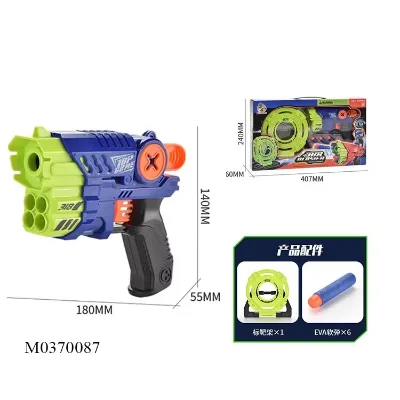
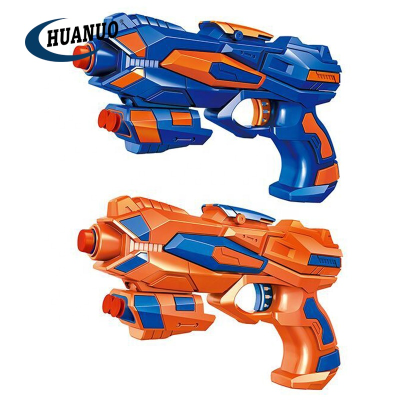
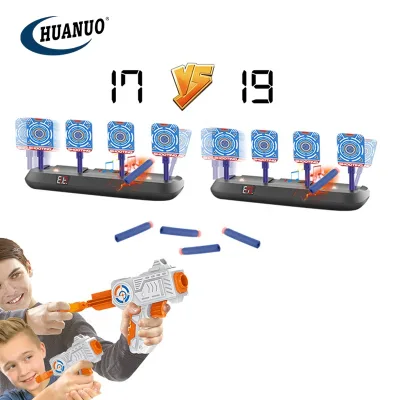
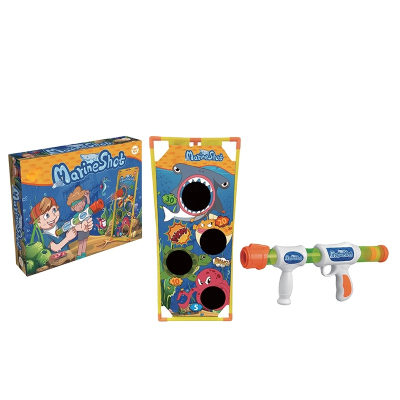
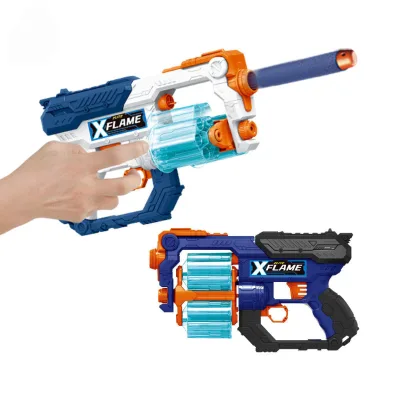
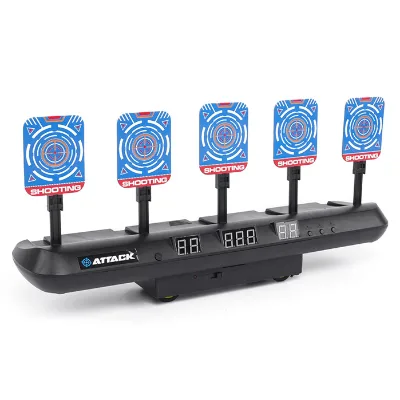


Comprehensive Sourcing Guide
Target Practice Toy Gun Sourcing Guide
Procuring target practice toy guns requires a disciplined approach to balancing play value with strict safety compliance. Buyers must navigate a market where product attributes vary significantly, from soft bullet mechanisms to mechanical force controls. The observed data indicates a diverse range of models, including shark-designed guns and standard shooting sets, each with distinct packaging and material compositions. Understanding these variations is critical for selecting the right product for specific age groups and retail channels.
This guide focuses on evidence-based sourcing strategies derived from current market listings. It emphasizes the verification of technical specifications, such as material types like ABS, PP, and HIPS, and the importance of checking certification statuses like CE, EN71, and ASTM. By adhering to these verification steps, buyers can mitigate risks associated with non-compliant products and ensure that the final goods meet the regulatory requirements of their target markets.
Product Scope and Observed Listing Signals
The current market for target practice toy guns features a wide array of designs, including shark-themed models and standard shooting sets. Listings indicate that products are primarily constructed from durable plastics such as ABS, PP, and HIPS, with some utilizing EVA components for safety. The observed price range spans from $0.68 to $11.69, reflecting significant variation in complexity and packaging. Buyers should note that while some items are marketed for children over eight years old, others are suitable for ages three to eight, requiring careful alignment with target demographics.
Packaging and logistics data reveal diverse presentation methods, including color boxes, blister cards, and window boxes. Standard carton volumes and weights, such as 0.305cbm and 19/17kgs for certain models, provide essential data for freight planning. The presence of customized options and logo printing services suggests flexibility for private labeling, although many listings default to non-customized, without-logo configurations. Understanding these physical attributes helps buyers estimate landed costs and shelf appeal accurately.
Technical Specifications to Verify
Verifying the mechanical operation of the toy guns is essential for ensuring consistent performance. Listings highlight mechanical force control mechanisms, which rely on manual pulling or pushing rather than electric batteries. This distinction is crucial for buyers seeking simpler, more reliable products that avoid electronic failure points. Additionally, the inclusion of accessories, such as three-piece bullet sets or shooting targets, adds value but requires verification of component compatibility and durability. Buyers must confirm that the mechanical parts function smoothly and safely under repeated use.
Material composition and dimensional specifications also demand close scrutiny. Products are described with specific dimensions, such as 74.541100CM for carton sizes or 15.6X3X9.6 CM for individual items. These measurements impact storage efficiency and retail display requirements. Furthermore, the use of specific plastic types like ABS and PP influences the toy's resilience and safety profile. Buyers should request detailed material safety data sheets to ensure that the plastics used are free from harmful substances and meet industry durability standards.
Compliance and Safety Documentation
Safety certifications are non-negotiable for importing toy guns into regulated markets. The observed listings frequently cite CE, EN71, ASTM, and ENHRRoHS standards, indicating a focus on European and American safety requirements. Buyers must verify that the provided certificates are valid and issued by accredited laboratories. The presence of EN71 standards suggests compliance with European toy safety regulations, while ASTM references point to American standards. Ensuring that the documentation matches the specific product model and batch is vital to avoid customs delays or product recalls.
Beyond certifications, buyers should assess the physical safety features of the toys. The classification of these items as "soft bullet guns" implies a design intended to minimize injury risk. However, the age recommendations, ranging from over eight years to three to eight years, require careful interpretation. Products suitable for younger children must have stricter safety thresholds regarding small parts and choking hazards. Buyers should request test reports that specifically address these age-related risks to ensure that the toys are safe for their intended audience.
Cost Drivers and Commercial Terms
Pricing in the Target Practice Toy Gun market is influenced by material costs, packaging complexity, and order volume. The observed MOQ ranges from 60 to 4200 units, with some listings specifying minimums in cartons, such as 5 cartons. Higher MOQs often correlate with lower unit prices, but buyers must balance this with inventory holding costs. The price range of $0.68 to $11.69 reflects differences in design intricacy, such as shark-themed molds, and the inclusion of accessories like targets or additional bullets. Understanding these cost drivers helps buyers negotiate better terms and forecast margins accurately.
Commercial terms also include customization options and logo printing services. While some listings offer customized packaging and branding, others are strictly non-customized. Buyers seeking private label opportunities must confirm the additional costs and lead times associated with these services. The origin of the products, primarily Guangdong, China, provides insight into supply chain dynamics and potential shipping routes. Buyers should clarify whether prices are EXW, FOB, or CIF to avoid hidden logistics costs and ensure transparent total landed cost calculations.
Supplier Qualification and Quality Control
Supplier qualification begins with verifying their manufacturing capabilities and quality control processes. Listings indicate origins in Guangdong and Shantou, regions known for toy manufacturing. Buyers should request evidence of factory audits and production capacity to ensure consistent supply. The availability of customization services suggests that suppliers have flexible production lines, but this flexibility must not compromise quality. Buyers should ask for samples to evaluate the finish, mechanical operation, and packaging integrity before committing to large orders.
Quality control checks should include random sampling from production batches to verify consistency. Key inspection points include the durability of plastic components, the accuracy of mechanical force controls, and the completeness of accessory sets. Buyers should also verify that the packaging meets the specified dimensions and weight limits to prevent shipping damage. Establishing clear quality acceptance criteria and communication channels with the supplier is essential for maintaining product standards and addressing any defects promptly.
Long-Term Procurement Checks
Long-term success in sourcing target practice toy guns requires ongoing monitoring of regulatory changes and market trends. Safety standards evolve, and buyers must stay informed about updates to EN71, ASTM, and other relevant regulations. Regularly reviewing supplier certifications and test reports ensures continued compliance. Additionally, monitoring customer feedback and return rates can provide early warnings of quality issues. Buyers should maintain a proactive approach to compliance, adapting their sourcing strategies to meet new regulatory demands and consumer expectations.
Building strong relationships with reliable suppliers is also crucial for long-term procurement stability. Consistent communication and clear expectations help foster trust and cooperation. Buyers should consider diversifying their supplier base to mitigate risks associated with supply chain disruptions. Regular performance reviews, including assessments of on-time delivery, product quality, and responsiveness, help identify potential issues early. By maintaining a disciplined and evidence-based approach, buyers can secure a competitive advantage in the toy gun market.
FAQs
What certifications do the target practice toy guns have?
The target practice toy guns carry CE and EN71 certifications to ensure safety compliance. Some models also include ASTM and EN standards. These certifications verify that the plastic materials meet international safety requirements for children's toys.
Can I customize the logo on these toy guns?
Customization is available for the target practice toy guns, allowing buyers to add specific branding. However, some listed models come without logo printing as a standard option. Buyers should verify the specific customization capabilities for each product model before ordering.
What is the minimum order quantity for these toys?
The minimum order quantity ranges from 60 to 4200 units depending on the specific product model. Some items require a minimum of 648 pieces, while others start at 5 cartons. Buyers must check the exact MOQ for the desired model to plan their procurement.
Which materials are used to make these toy guns?
These target practice toy guns are primarily made from plastic, including ABS, HIPS, PP, and EVA materials. The specific material composition varies by model, ensuring durability and safety. All listed products use non-electric mechanisms for safe play.
Where are these toy guns manufactured?
The target practice toy guns are manufactured in Guangdong, China, with some specific origins noted as Guangdong Shantou. This location is a known hub for toy production. Buyers can expect consistent quality standards associated with this manufacturing region.
What age group is suitable for these toy guns?
The target practice toy guns are suitable for children aged 3 to 8 years and older than 8 years. Some listings indicate suitability for all children, while others specify age ranges. Buyers should select models that match the intended age group for safety.