Source High Speed Electric SUV for fleets, families, and tours
Explore 30 listings of High Speed Electric SUV models with varying power and range. Buyers can compare specifications, prices, and customization options to find the right vehicle for family transport, touring, or fleet operations.
Key considerations
Products List


$12000.00 - $27000.00
MOQ: 1 Set


$52700.00 - $67600.00
MOQ: 1 Pieces

SUV Electric Carelectric Car Electric Car SUV Electric Car Low Speed Cars
$4080.00 - $4300.00
MOQ: 4 Pieces

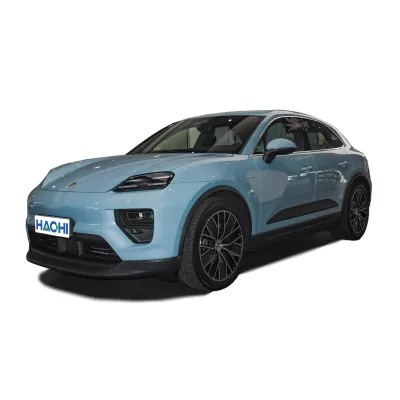
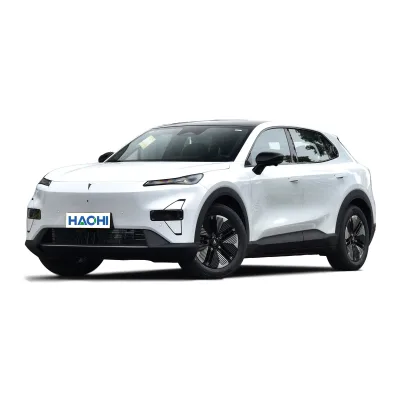


Fast Charging SUV with Luxury Interior and High Quality Electric Car Features
$9890.00 - $10995.00
MOQ: 1 sets


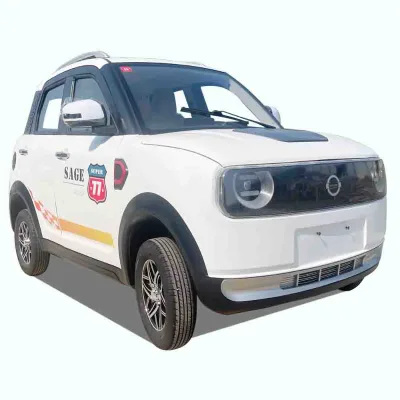


Electric Vehicles High Speed EV Car Family Car Electric Cars Adults Vehicle
$12000.00 - $20000.00
MOQ: 1 Sets


$1700.00 - $1800.00
MOQ: 1 Pieces

Riding Comfort Highly Recognizable Look Powerful Power Performance SUV
$9000.00 - $11000.00
MOQ: 1 Pieces


High Speed Long Nedc Range Fast Speed Car SUV Made in China Factory Direct Supply
$29300.00 - $29500.00
MOQ: 1 Pieces


Comprehensive Sourcing Guide
Strategic Sourcing Guide for High-Speed Electric SUVs
Understanding the Technical Landscape of High-Performance Electric SUVs
The procurement of high-speed electric SUVs requires a granular understanding of the specific technical attributes that define performance and utility in this segment. Based on the observed product data, the market presents vehicles with diverse powertrain configurations and structural designs. A primary observation is the variation in body types, with specific listings indicating a "Closed" body structure and a "5-Door 5-Seat SUV" configuration. This format is standard for family and touring applications, offering a balance between passenger capacity and aerodynamic efficiency necessary for high-speed travel.
Power output is a critical differentiator in this category. The available data highlights a power range where specific models operate between 501 and 800 Watts, while other high-performance variants list a maximum power of 103kW. This discrepancy suggests a need for buyers to carefully distinguish between auxiliary power systems and main traction motor outputs. Furthermore, torque specifications are essential for evaluating acceleration capabilities; observed data points to a maximum torque of 225Nm, which is a key metric for determining the vehicle's ability to maintain speed on varied road conditions.
The propulsion architecture also varies significantly. Some units are configured with a "Front Drive" or "FWD" system, utilizing an electromagnetic braking system, while others feature a "Rear Drive Motor" described as a "Permanent Magnet Synchronization" type. The energy source is predominantly electric, with specific references to "BEV" (Battery Electric Vehicle) and "Evr" energy types. However, some listings mention a dual-fuel capability involving "Gasoline, Electric," indicating the presence of extended-range electric vehicles (EREVs) in the supply pool. Buyers must verify the specific energy type to ensure alignment with their infrastructure and operational requirements.
Compliance, Certification, and Regulatory Standards
Navigating the regulatory landscape is paramount when sourcing electric SUVs for international markets. The supply chain data reveals a spectrum of certification requirements that vary by manufacturer and target region. Certain models are listed with a comprehensive certification suite including "CE, EEC, DOT, CCC, and EPA." These acronyms represent critical market access points: CE for the European Economic Area, EEC for European vehicle type approval, DOT for US Department of Transportation safety standards, CCC for Chinese Compulsory Certification, and EPA for US Environmental Protection Agency compliance.
However, not all products in the observed range carry this full suite. Some listings only mention "ISOSeats" and "Steering: Left" under management certifications, which may indicate partial compliance or specific component-level approvals rather than full vehicle homologation. Buyers must rigorously verify that the supplier can provide valid, current certificates for the specific destination market. Relying on a generic "Certification" label without specifying the issuing body or the scope of approval poses a significant compliance risk.
Vehicle standards also extend to physical dimensions and structural integrity. Observed product standards list specific dimensions such as 4495x1820x1610mm and 458019361674mm. These figures are not merely descriptive; they are critical for logistics planning, garage fitment, and road legality in jurisdictions with strict length and width limits. The wheelbase, observed at 2716mm, is another structural parameter that influences stability at high speeds and must be cross-referenced with local traffic regulations.
Cost Drivers and Pricing Dynamics
The financial structure of sourcing high-speed electric SUVs is influenced by a complex interplay of battery capacity, power output, and customization options. The observed price range in the market spans from $1,700 to $67,600. This wide variance indicates that the keyword "high-speed electric SUV" encompasses both entry-level electric mobility units and premium, high-performance vehicles. The lower end of the spectrum likely corresponds to vehicles with smaller battery capacities, such as the observed 40kWh or 41.2kWh units, while the higher end reflects models with advanced features, larger power outputs, and comprehensive certification packages.
Battery capacity is a primary cost driver. The data shows battery capacities ranging from 40kWh to 41.2kWh in some listings, while others imply higher performance through power ratings. The type of battery chemistry also impacts cost; specific listings identify "Trihydride Lithium" as the battery type. The inclusion of fast-charging capabilities, noted as a 0.45-hour charge time, adds significant value and cost to the unit. Additionally, the "Customization: Available" attribute suggests that buyers can incur additional costs for tailored specifications, such as specific exterior colors like "Black" or unique interior configurations.
Minimum Order Quantity (MOQ) is another financial factor. The observed MOQ range is between 1 and 24 units. This flexibility allows for both single-unit procurement for testing or pilot programs and bulk purchasing for fleet deployment. Buyers should note that the unit price may fluctuate based on the volume ordered within this range. The packing method, ranging from "Nude Packing" to "Standard Shipping Packing," also influences the final landed cost, as specialized packaging for high-value electric vehicles often incurs additional logistics fees.
Typical Applications and Operational Use Cases
The operational profile of high-speed electric SUVs is diverse, catering to various sectors from personal family use to commercial fleet deployment. The data explicitly categorizes these vehicles for "Family Car" and "Touring Car" usage. The 5-door, 5-seat configuration supports this, providing ample space for passengers and cargo, which is essential for long-distance touring. The "Road" road condition specification suggests these vehicles are designed for paved surfaces, optimizing efficiency and range on highways and urban arteries.
For commercial applications, the high-speed capability, with observed maximum speeds of 178 km/h, makes these vehicles suitable for delivery services, ride-sharing fleets, and executive transport. The "Front Drive" and "Rear Drive" configurations offer different handling characteristics; front-drive models may offer better traction in wet conditions, while rear-drive models might provide superior dynamic performance. The presence of a "Rear" radar system indicates advanced driver-assistance features, enhancing safety for high-speed operations in dense traffic environments.
The fuel type ambiguity in some listings, mentioning both "Gasoline, Electric" and "Electric," highlights the versatility of the segment. EREV models are particularly valuable for applications where charging infrastructure is inconsistent, as they offer the electric driving experience with the range extension of a gasoline engine. This dual-fuel capability ensures operational continuity for long-haul touring or remote area logistics, reducing range anxiety.
Supplier Evaluation and Verification Protocols
When evaluating suppliers for high-speed electric SUVs, buyers must adopt a rigorous verification protocol that goes beyond the provided product listing. The first step is to validate the "prod_model" identifiers, such as "xiaopeng G3," "Ford Territory," or generic codes like "lwz" and "yanglei03." These identifiers must be cross-referenced with the manufacturer's official documentation to ensure the vehicle matches the claimed specifications. Generic model names often indicate OEM or ODM products, where the branding may be flexible, but the underlying engineering remains consistent.
Origin verification is critical. The data confirms a "China" origin for the observed products. Buyers should assess the supplier's manufacturing capabilities, quality control processes, and export history from this region. The "Condition: New" attribute is standard, but buyers must verify the supply chain's ability to deliver brand-new units without prior registration or mileage accumulation.
The "Customization: Available" flag requires a detailed discussion with the supplier regarding the scope of modifications. Buyers should request samples or detailed engineering drawings to confirm that customizations, such as color changes or interior upgrades, do not compromise the vehicle's structural integrity or safety certifications. Furthermore, the "prod_packing" method, whether "Nude Packing" or "Standard Shipping Packaging," must be agreed upon in the contract to prevent damage during transit, especially given the sensitive nature of high-voltage battery systems.
Quality Control and Performance Verification
Quality control for electric SUVs must focus on the integrity of the high-voltage system and the durability of the mechanical components. The braking systems observed range from "Electromagnetic" to "Mechanical." Buyers must verify that the braking system is integrated with the ABS (Antilock Braking System), which is listed as "Yes" in the data. This integration is vital for maintaining control during emergency stops, particularly at high speeds approaching 178 km/h.
Tire specifications are another area requiring strict verification. The observed tire size of "235/50 R18" must be matched to the vehicle's load index and speed rating. Using tires with insufficient ratings for high-speed operation can lead to catastrophic failure. The "Body Structure" of a "5-Door 5-Seat SUV" must be inspected for weld quality and corrosion resistance, especially if the vehicle is intended for export to regions with harsh weather conditions.
Battery performance is the core of the vehicle's operation. The "Cltc Combined Range (Km)" of 1400km is a significant claim that requires independent verification. Buyers should request third-party test reports that validate the range under specific driving cycles. The "Battery Capacity" of 40kWh or 41.2kWh must be confirmed against the manufacturer's datasheet to ensure the energy density matches the claimed range. Additionally, the "Battery Charge Time" of 0.45 hours for fast charging must be tested under real-world conditions to ensure the charging infrastructure can support this performance.
Long-Term Procurement and Lifecycle Management
Sourcing high-speed electric SUVs involves considering the total cost of ownership and long-term support. The "Lead Time" and "MOQ" are immediate factors, but the long-term viability depends on the availability of spare parts and software updates. The "Customization" aspect implies a need for a supply chain that can support specific component replacements over the vehicle's lifespan. Buyers should negotiate service level agreements (SLAs) that guarantee the availability of critical components like the "Rear Drive Motor" and battery management systems.
The "Fuel Tank Capacity" of 60L in EREV models suggests a need for a supply chain that can handle both electric and fuel components. This dual requirement increases the complexity of maintenance and parts logistics. Buyers must ensure the supplier has a robust network for servicing both the electric powertrain and the internal combustion engine.
Finally, the "ISOSeats" and "Steering: Left" certifications indicate a focus on safety and ergonomics. Long-term procurement strategies should include regular safety audits and software updates to maintain compliance with evolving safety standards. The "Nude Packing" option may reduce initial shipping costs but requires the buyer to have the capability for final assembly or protective packaging, which adds to the operational overhead. A comprehensive procurement strategy must balance these initial savings with the long-term costs of assembly, maintenance, and compliance management.
FAQs
What is the maximum speed of the High Speed Electric SUV?
The maximum speed reaches 178 km/h for this High Speed Electric SUV. This performance level supports highway driving and touring applications while maintaining stability on paved road conditions.
Which battery capacity options are available for the High Speed Electric SUV?
Available battery capacities include 40 kWh and 41.2 kWh for the High Speed Electric SUV. These units support fast charging times of approximately 0.45 hours to ensure operational efficiency.
Can the High Speed Electric SUV be customized for specific needs?
Yes, customization is available for the High Speed Electric SUV. Buyers can request specific exterior colors like black or tailored configurations to meet unique fleet or personal requirements.
What certifications are required for the High Speed Electric SUV?
Some High Speed Electric SUV models carry CE, EEC, DOT, CCC, and EPA certifications. Other listings may show partial compliance like ISO seats, so verification of the specific certificate scope is essential.
How does the braking system function on the High Speed Electric SUV?
The braking system utilizes electromagnetic or mechanical technology with ABS included. This setup ensures safe stopping capabilities at high speeds up to 178 km/h on varied road conditions.
What is the minimum order quantity for the High Speed Electric SUV?
The minimum order quantity ranges from 1 to 24 units for the High Speed Electric SUV. This flexibility allows for single-unit testing or bulk fleet deployment depending on buyer needs.
Which drive types are offered for the High Speed Electric SUV?
Drive types include Front Drive and Rear Drive configurations for the High Speed Electric SUV. Front drive models often feature electromagnetic braking, while rear drive variants may use permanent magnet motors.