Source High Viscosity Rotary Lobe Pump for Chemical, Food, and Oil
Find 30 listings for the High Viscosity Rotary Lobe Pump to compare specifications like material, flow rate, and certifications. Buyers can evaluate options from Chinese manufacturers offering CE and ISO standards for industrial fluid transfer.
Key considerations
Products List


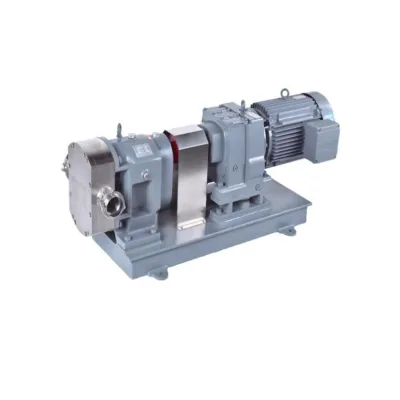


Stainless Steel Sanitary Horizontal Rotor Lobe Pump for Viscous Liquid
$300.00 - $30000.00
MOQ: 1 Pieces

Comprehensive Sourcing Guide
Strategic Sourcing Guide for High Viscosity Rotary Lobe Pumps
Understanding the Core Technology and Operational Scope
When sourcing a High Viscosity Rotary Lobe Pump, buyers must first distinguish this equipment from standard centrifugal alternatives. The fundamental operating principle relies on positive displacement, where two or more intermeshing lobes rotate within a casing to trap and move fluid. This mechanism is specifically engineered for fluids that resist flow, such as heavy oils, adhesives, resins, and food-grade pastes. Unlike centrifugal pumps that rely on velocity to move liquid, these rotary units provide a steady, non-pulsating flow regardless of viscosity changes, making them indispensable for processes involving thick media.
The product landscape for these pumps is diverse, with variations in rotor configuration and casing design. Observations from current market listings indicate the availability of specific rotor types, including three-rotor configurations and butterfly-style lobe designs. The actuation form is predominantly double-acting, ensuring efficient fluid transfer during both rotation cycles. A critical technical attribute for high-viscosity applications is the ability to operate at low speeds. High viscosity fluids require slower rotational velocities to prevent shear damage and excessive torque requirements. The observed maximum speed for certain models in this category is approximately 530 revolutions per minute, a figure that underscores the emphasis on gentle handling of sensitive or thick materials.
Furthermore, the physical construction of the pump must withstand the specific demands of the fluid being moved. Materials of construction are a primary decision point, with cast iron and stainless steel being the standard options observed in the market. The choice between these materials depends heavily on the chemical compatibility of the fluid and the required hygiene standards. For instance, food and pharmaceutical applications typically necessitate stainless steel to meet sanitary requirements, while industrial chemical handling might utilize cast iron for cost efficiency, provided the fluid does not corrode the metal.
Technical Specifications and Performance Parameters
Evaluating the technical specifications of a High Viscosity Rotary Lobe Pump requires a granular look at flow capacity, pressure ratings, and dimensional constraints. The displacement mechanism is typically variable, allowing operators to adjust the flow rate to match process demands without changing the motor speed. This flexibility is crucial for batch processing where viscosity might fluctuate. The maximum flow rate observed in the current market data reaches up to 48 cubic meters per hour, though broader capacity ranges in the industry can extend from 0.1 to 10,000 cubic meters per hour depending on the specific model and motor configuration.
Pressure capabilities are another vital specification. The maximum discharge pressure for these units generally caps around 2.0 MPa. This rating ensures the pump can overcome the resistance of high-viscosity fluids and push them through piping networks and heat exchangers. However, buyers must verify that the selected pump's pressure rating exceeds the system's total dynamic head, including friction losses in the piping. The inlet and outlet sizes are equally critical for system integration. Observed connection sizes range from 1 inch to 5 inches (DN25 to DN125), accommodating a wide variety of pipe diameters. The connection methods are equally versatile, offering clamp, thread, and flanged options to suit different industry standards and installation requirements.
Temperature resistance is a defining characteristic for pumps handling viscous fluids, as heat is often applied to reduce viscosity during transfer. The operational temperature range for these units typically spans from 40°C to 280°C. To maintain fluid properties and prevent solidification, many models feature heat jacketed preservation. This design allows for the circulation of a heating medium around the pump casing, ensuring the fluid remains at the optimal temperature for pumping. The mounting height and shaft position are also standardized, with most units designed as horizontal pumps with suction centrifugal mounting heights, facilitating easy installation and maintenance.
Compliance, Certification, and Regulatory Standards
In the B2B procurement of industrial pumps, compliance with international standards is non-negotiable, particularly for industries like food, beverage, and pharmaceuticals. The certification landscape for high viscosity rotary lobe pumps is robust, with several key standards frequently observed in product listings. The CE marking is a mandatory requirement for products entering the European market, indicating conformity with health, safety, and environmental protection standards. Additionally, ISO certifications, specifically ISO 9001:2008, are commonly cited, signifying that the manufacturer adheres to a quality management system that ensures consistent product quality.
For applications involving food and pharmaceuticals, the 3A Sanitary Standards and FDA compliance are critical. These standards dictate the materials, surface finishes, and design features that prevent bacterial growth and facilitate cleaning. The presence of 3A and FDA certifications on a product listing suggests that the pump is suitable for direct contact with consumable products. Buyers should verify that the specific model they are considering holds these certifications, as not all rotary lobe pumps are designed to meet sanitary requirements. The standard "One Pump One Case" packaging often accompanies these certified units, ensuring that the equipment arrives in a condition that preserves its sanitary integrity.
It is important to note that while certifications like CE, ISO, 3A, and FDA are observed in the market, they are not universal to every listing. Buyers must treat these as specific attributes of individual products rather than guaranteed features of the entire category. When evaluating a supplier, the documentation provided should explicitly state which standards the specific pump model meets. This verification process protects the buyer from non-compliant equipment that could lead to regulatory fines or product contamination. The origin of the product, often listed as China or specifically Wenzhou, Zhejiang, does not preclude compliance, but it necessitates rigorous verification of the certification documents provided by the supplier.
Cost Drivers and Procurement Economics
The pricing of high viscosity rotary lobe pumps is influenced by a complex array of factors, resulting in a wide observed price range from $123 to $50,000. This significant variance is not arbitrary but reflects differences in material quality, size, pressure ratings, and the level of customization required. The base cost is heavily driven by the material of construction; stainless steel models command a premium over cast iron equivalents due to the higher raw material costs and the additional processing required to achieve the necessary surface finishes for sanitary applications.
Customization is a major cost driver in this sector. The market data indicates that customization is available, allowing buyers to tailor the pump to specific process needs. Options such as specialized heat jackets, unique rotor geometries, or custom connection flanges will increase the unit price. Furthermore, the complexity of the pump model, such as the difference between a standard rotary lobe pump and a high-performance variable displacement unit, impacts the final cost. The minimum order quantity (MOQ) for these industrial pumps is typically low, often ranging from 1 to 1 unit, which facilitates procurement for small-scale projects or replacement parts without the burden of bulk purchasing.
Packaging and logistics also contribute to the overall cost. The standard packing method observed is the plywood wooden case, designed to protect the pump during international shipping. The "One Pump One Case" standard ensures that each unit is individually secured, reducing the risk of damage. However, for large-scale orders, buyers should negotiate packaging terms that might reduce costs. The lead time, while not explicitly quantified in the provided data, is a critical economic factor. Buyers should account for the time required for manufacturing, especially for customized units, and factor this into their production planning. The location of the supplier, primarily in China, offers competitive pricing but requires careful management of shipping times and import duties.
Typical Applications and Industry Use Cases
High viscosity rotary lobe pumps are versatile workhorses found across a multitude of industries, each with unique requirements for fluid handling. The primary application is the transfer of high-viscosity liquids, a function explicitly listed in the product attributes. This includes the movement of heavy crude oils, bitumen, and asphalt, where the pump's ability to handle thick, non-Newtonian fluids is essential. In the food and beverage industry, these pumps are used for processing chocolate, syrups, fruit purees, and dough. The gentle handling provided by the rotary lobe design prevents the shearing of sensitive food products, preserving their texture and quality.
The pharmaceutical and chemical sectors also rely heavily on these pumps for the transfer of resins, adhesives, and polymers. The corrosion-resistant materials, such as stainless steel, ensure that the pump can handle aggressive chemicals without degrading. The ability to operate at low speeds is particularly beneficial in these industries, as it minimizes the generation of heat and shear stress, which could alter the chemical properties of the product. Additionally, the pumps are used in condensate recovery systems, where they handle the efficient removal of water and other liquids from steam systems.
The versatility of the pump is further enhanced by its adaptability to different connection types and inlet/outlet sizes. Whether the application requires a simple clamp connection for a sanitary line or a robust flanged connection for a high-pressure industrial line, the pump can be configured to meet the need. The "Butterfly" lobe type and other rotor variations allow for specific flow characteristics that optimize performance for different fluid types. This adaptability makes the High Viscosity Rotary Lobe Pump a critical component in process engineering, ensuring reliable fluid transfer across diverse operational environments.
Supplier Evaluation and Quality Assurance Protocols
Selecting the right supplier for high viscosity rotary lobe pumps requires a rigorous evaluation process that goes beyond price comparison. Buyers should prioritize suppliers who can provide comprehensive documentation regarding their manufacturing processes and quality control measures. The presence of certifications like CE, ISO, 3A, and FDA is a strong indicator of a supplier's commitment to quality, but these should be verified through official documentation rather than relying solely on product descriptions. The origin of the product, often Wenzhou, Zhejiang, China, is a hub for pump manufacturing, but the quality of individual manufacturers can vary significantly.
Quality control should be a central part of the procurement strategy. Buyers must ensure that the supplier has established protocols for testing the pumps before shipment. This includes verifying the performance attributes such as leakage, wear resistance, and corrosion resistance. The "No Leakage" attribute is a critical performance metric that must be validated through testing. Additionally, the supplier should provide test results or inspection reports that confirm the pump meets the specified pressure and temperature ranges. The ability to customize the pump is a valuable service, but it requires close collaboration between the buyer and the supplier to ensure that the modifications do not compromise the pump's integrity or performance.
When evaluating potential suppliers, buyers should also consider the after-sales support and warranty terms. The complexity of high viscosity pumps means that maintenance and troubleshooting may require specialized knowledge. A supplier with a strong technical support team can provide valuable assistance in the event of operational issues. The packing method, such as the plywood wooden case, should be inspected to ensure it meets the requirements for safe transport. Finally, buyers should request references or case studies from previous clients to gauge the supplier's reliability and the performance of their pumps in real-world applications.
Long-Term Procurement and Lifecycle Management
Sourcing high viscosity rotary lobe pumps is not just a one-time transaction but a long-term investment in process efficiency. Buyers should consider the total cost of ownership, which includes not only the initial purchase price but also maintenance, energy consumption, and the lifespan of the equipment. The durability of the pump, indicated by attributes like "Wearable" and "Corrosion" resistance, plays a significant role in determining the long-term value. Selecting a pump made from high-quality materials like stainless steel can extend the service life and reduce the frequency of replacements.
Maintenance planning is essential for maximizing the uptime of these pumps. The design of the pump, with features like horizontal split casings, facilitates easy access for inspection and repair. Buyers should ensure that the supplier provides a comprehensive maintenance manual and a supply chain for spare parts. The availability of replacement rotors, seals, and bearings is crucial for minimizing downtime. Additionally, the energy efficiency of the pump, influenced by its variable displacement capability, can lead to significant cost savings over time. By selecting a pump that matches the specific process requirements, buyers can optimize energy usage and reduce operational costs.
Finally, buyers should stay informed about technological advancements in pump design and materials. The industry is constantly evolving, with new innovations in rotor geometry and material science improving the performance and efficiency of high viscosity pumps. Engaging with suppliers who are at the forefront of these developments can provide access to the latest technologies and best practices. By adopting a strategic approach to procurement that focuses on quality, compliance, and long-term value, buyers can ensure that their high viscosity rotary lobe pumps deliver reliable performance for years to come.
FAQs
What certifications are available for high viscosity rotary lobe pumps?
Available certifications include CE, ISO, 3A, and FDA for specific models. Buyers must verify that the listed product holds the required standard, as not all units meet sanitary requirements like 3A or FDA compliance.
Which materials are used to construct these pumps?
Pumps are constructed from cast iron or stainless steel depending on the application. Stainless steel is typically chosen for food and pharmaceutical use to ensure hygiene, while cast iron suits general industrial chemical handling.
Can these pumps handle fluids at high temperatures?
Yes, the operational temperature range spans from 40°C to 280°C. Many models feature heat jacketed preservation to maintain fluid properties and prevent solidification during the transfer of viscous liquids.
What is the maximum flow capacity for these units?
The maximum flow rate observed reaches 48 cubic meters per hour. Broader industry capacity ranges can extend from 0.1 to 10,000 cubic meters per hour depending on the specific model and motor configuration.
How are these pumps packaged for shipping?
Units are typically packed in plywood wooden cases or wooden boxes. The standard practice often follows a one pump one case protocol to ensure the equipment arrives safely and maintains its sanitary integrity.
What is the minimum order quantity for these pumps?
The minimum order quantity is typically one unit. This low MOQ facilitates procurement for small-scale projects or replacement parts without requiring bulk purchasing commitments from the buyer.
Which connection types are supported by these pumps?
Supported connection ways include clamp, thread, and flanged options. Inlet and outlet sizes generally range from 1 inch to 5 inches to accommodate various pipe diameters and industry standards.