Source High Visibility Chemical Protective Clothing for Labs, Plants, and Sites
Compare 30 listings for High Visibility Chemical Protective Clothing featuring customizable logos, various thicknesses, and certifications like CCS. Buyers can evaluate models such as BM-1068 and GRH-01 for specific industrial safety needs.
Key considerations
Products List


PP+PE Duty Protective Clothing Coverall Disposable Coverall Chemical Protective Clothing
$3.99 - $10.99
MOQ: 1000 Pieces


Chemical Protective Clothing with Q/02mkf001-2005 Standard Requirements
$499.00 - $999.00
MOQ: 1 Pieces


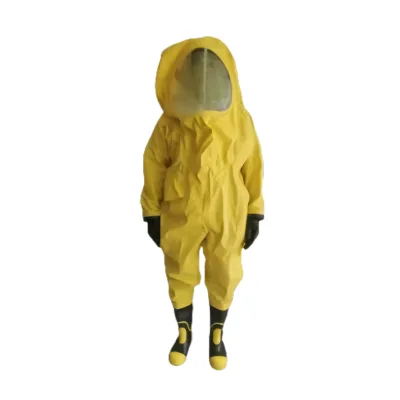
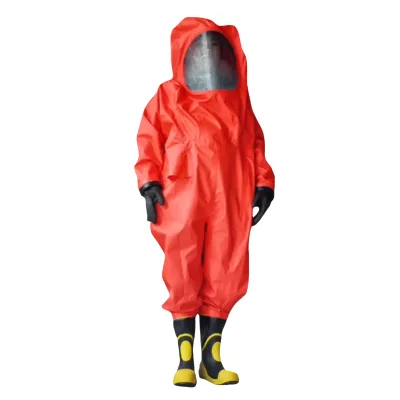


High-Visibility High Quality PP+PE Safety Coveralls Protective Clothing
$2.20 - $2.30
MOQ: 1000 Pieces

Coverall Disposable Chemical Suit Full Body Protection Protective Clothing
$0.60 - $2.00
MOQ: 1000 Pieces


High Visibility Durable Reflective Safety Clothing for Hazardous Environments
$9.00 - $15.00
MOQ: 300 Pieces


Emergency Rescue Heavy-Duty Protective Clothing
$1186.00 - $1655.00
MOQ: 1 Sets
Shanxi Xinhua Chemical Defense Equipment Research Institute Co., Ltd.

Comprehensive Sourcing Guide
Strategic Sourcing Guide for High Visibility Chemical Protective Clothing
Procuring High Visibility Chemical Protective Clothing requires a rigorous approach that balances safety compliance, material integrity, and operational visibility. The market offers a diverse array of solutions, ranging from heavy-duty chemical suits to specialized reflective vests, each designed for specific hazard environments. Buyers must navigate a complex landscape where product attributes vary significantly between models. This guide provides a structured framework for evaluating suppliers and selecting the appropriate protective gear based on verified technical data and industry standards.
Understanding Material Composition and Physical Specifications
The foundation of any effective chemical protective suit lies in its material composition and physical specifications. In the current market, materials such as PP+PE (Polypropylene + Polyethylene) are commonly observed for specific protective applications. However, for heavy chemical protective clothing, the material standard often shifts to PVC or rubberized fabrics with precise thickness requirements. For instance, specific models in the market utilize rubberized fabric with a thickness of 0.45+0.05mm, while other variants may feature a standard thickness of 0.4mm. These dimensional differences directly impact the suit's resistance to chemical permeation and its overall durability.
Weight is another critical physical attribute that influences worker mobility and fatigue. Observed data indicates a wide range in product weight, with some heavy-duty units weighing up to 6.4kg, while others are designed to remain under 5kg. A specific model weighing 4.6kg demonstrates that lighter options exist, but buyers must verify if the reduction in weight compromises the protective barrier. The fabric tensile strength is equally vital; some products boast a tensile strength of more than 450n/5cm width for both warp and weft, ensuring the material can withstand mechanical stress without tearing. Conversely, other specifications list tensile strength as no more than 450n/5cm, which may indicate a different class of protection or a specific application requirement.
| Attribute | Observed Range/Value | Significance for Procurement |
|---|---|---|
| Material | PP+PE, PVC, Rubberized Fabric | Determines chemical resistance and permeation barrier. |
| Thickness | 0.4mm to 0.45+0.05mm | Thicker fabrics generally offer better chemical resistance but may reduce flexibility. |
| Weight | Under 5kg to 6.4kg | Heavier suits offer more protection but increase worker fatigue. |
| Tensile Strength | >450n/5cm or <450n/5cm | Critical for preventing tears during physical labor. |
Buyers should not assume that all listed products share these exact specifications. Instead, they must request detailed datasheets for each model to confirm the material grade and thickness before placing an order.
Compliance, Certification, and Safety Standards
When sourcing High Visibility Chemical Protective Clothing, verifying compliance with recognized standards is non-negotiable. While general industry knowledge often references standards like ISO 20471 for high-visibility clothing or EN 17353 for reflective materials, procurement decisions must rely on the specific certifications provided by the supplier. In the observed market, certain products carry certifications such as CCS (China Classification Society) and EC (European Conformity). These certifications indicate that the product has undergone specific testing for safety and quality.
However, the presence of a certification label does not guarantee universal compliance across all models. For example, one model is listed with a standard of 165GSM, while another relies on a PVC standard. Buyers must explicitly verify which standards apply to the specific model they intend to purchase. The "High Visibility" aspect of the clothing is often achieved through bright colors such as green, yellow, or bright yellow. These colors are essential for ensuring workers are visible in low-light or hazardous environments. The product attributes confirm that colors like "bright yellow" and "green" are available, but the buyer must ensure the specific colorway meets the visibility requirements of their site safety plan.
Furthermore, electrical safety is a consideration for certain environments. Some chemical protective suits include electrical properties, such as a breakdown voltage of 5000V, which is crucial for work involving electrical hazards. The boot sole anti-slip performance is also a key safety metric, with observed values indicating a performance rating of 23 degrees. These specific data points must be cross-referenced with the safety requirements of the intended work environment to ensure the gear provides adequate protection against the specific hazards present.
Technical Performance and Durability Metrics
Beyond basic material and certification checks, the technical performance of the clothing determines its longevity and effectiveness in the field. Key performance indicators include tear strength, adhesion strength, and joint strength. For heavy chemical protective clothing, the tear strength is a critical metric; observed data shows a value of 32n, which serves as a benchmark for the material's resistance to ripping. Similarly, the adhesion strength of the fabric layers is measured at 1.25kN/M, indicating the bond strength between the protective layers.
Joint strength is another vital factor, particularly for suits that involve multiple panels or seams. A specific model in the market demonstrates a joint strength of 1006n, suggesting a robust construction capable of withstanding significant stress at the seams. The fabric tensile strength performance is also highlighted, with some products achieving 800n, which exceeds the standard tensile strength requirements for general protective clothing. These high-performance metrics are essential for environments where the clothing is subjected to abrasive conditions or heavy physical handling.
Buyers should also consider the "Fully Closed" attribute, which ensures that the suit provides a complete barrier against chemical exposure. The absence of features like shoe covers or face masks in some models (listed as "without Shoe Cover" and "without Face Mask") indicates that these are standalone suits that may require additional PPE for full protection. This distinction is crucial for procurement planning, as the total cost of ownership may increase if separate accessories must be sourced to achieve full-body protection.
Cost Drivers and Pricing Structures
The pricing of High Visibility Chemical Protective Clothing is influenced by a complex interplay of factors, including material costs, customization requirements, and order volume. The observed price range in the market is extensive, spanning from 0.5 USD to 1655 USD. This wide disparity reflects the difference between basic protective garments and highly specialized, heavy-duty suits with advanced features. The lower end of the price spectrum likely corresponds to simpler models or smaller quantities, while the higher end reflects premium materials, complex manufacturing processes, and extensive testing.
Minimum Order Quantity (MOQ) is another significant cost driver. The market data indicates an MOQ range from 1 to 10,000 units. Suppliers with lower MOQs may charge a higher unit price to cover setup and production costs, whereas bulk orders often benefit from economies of scale. Buyers must balance their immediate inventory needs with long-term storage costs to determine the optimal order size. Additionally, customization plays a major role in pricing. The availability of customizable logos and colors allows companies to brand their safety gear, but these customizations often incur additional fees.
The packing method also affects the final cost. Options range from individual packing to carton packing, or even custom requests. While individual packing may offer better protection during transit, it can increase packaging material costs. Conversely, carton packing is more efficient for bulk shipping but may require additional handling at the destination. Buyers should evaluate the total landed cost, including shipping and handling, rather than focusing solely on the unit price.
Supplier Evaluation and Quality Assurance
Evaluating suppliers requires a deep dive into their quality control processes and production capabilities. The "Quality" attribute is often listed as "Good," but this is a subjective term that must be substantiated by objective evidence. Buyers should request detailed quality assurance reports, including test results for tensile strength, tear strength, and chemical resistance. The presence of a "Sample: Ok" attribute suggests that suppliers are willing to provide samples for evaluation, which is a critical step in the vetting process.
The origin of the products is another factor to consider. Most observed products originate from China, a major manufacturing hub for protective clothing. However, the country of origin does not guarantee quality; buyers must verify the specific factory's reputation and compliance history. The "Brand" attribute is listed as "No" for many products, indicating that these are often OEM (Original Equipment Manufacturer) goods. This allows buyers to brand the products themselves, but it also means they must take full responsibility for quality assurance.
Lead times and warranty periods are also essential components of supplier evaluation. A warranty of 1 year is observed for some products, providing a safety net for early failures. However, buyers should clarify what the warranty covers, as it may exclude damage caused by improper use or wear and tear. The production lead time is not explicitly stated in the provided data, but buyers should negotiate clear timelines to ensure timely delivery, especially for urgent procurement needs.
Operational Applications and Long-Term Procurement Strategy
High Visibility Chemical Protective Clothing is designed for a variety of demanding applications, from chemical handling to industrial maintenance. The "Heavy Chemical Protective Clothing" type is suitable for environments where exposure to hazardous substances is a primary risk. The "Reflective Vest" type, while distinct, serves a complementary role in ensuring worker visibility in low-light conditions. Buyers must match the specific product type to the hazards present in their facility.
Long-term procurement strategies should focus on building relationships with reliable suppliers who can provide consistent quality and support. The ability to customize products, such as adding logos or adjusting sizes, is a valuable asset for large organizations with specific branding or sizing requirements. The "Size: Customized" attribute highlights the flexibility available in the market, allowing buyers to tailor the gear to their workforce.
Buyers should also consider the lifecycle of the product. While some suits are designed for single-use, others may be reusable depending on the material and construction. The "Individual Packing" and "Carton" options suggest different storage and disposal strategies. Proper storage is essential to maintain the integrity of the protective clothing, and buyers should establish protocols for inspecting and rotating their inventory.
In conclusion, sourcing High Visibility Chemical Protective Clothing requires a meticulous approach that prioritizes technical specifications, compliance, and supplier reliability. By carefully analyzing the available data and verifying critical attributes, buyers can make informed decisions that ensure the safety and well-being of their workforce. The wide range of options in the market offers flexibility, but it also demands a disciplined evaluation process to select the most appropriate solution for each specific application.
FAQs
What materials are used for High Visibility Chemical Protective Clothing?
Materials commonly include PP+PE, PVC, or rubberized fabric depending on the model. Specific products feature rubberized fabric with a thickness of 0.45+0.05mm or standard 0.4mm thickness to ensure chemical resistance and durability.
Which certifications verify safety for chemical protective suits?
Some models carry CCS and EC certifications to verify safety compliance. Buyers must verify specific certifications for each model as standards vary, with some products also meeting 165GSM specifications or other regional requirements.
How much does High Visibility Chemical Protective Clothing weigh?
Product weight ranges from under 5kg to 6.4kg depending on the design. Specific models weigh 4.6kg or 6.4kg, so buyers should check datasheets to ensure the weight suits their operational mobility needs.
Can I customize the logo and color of the protective gear?
Yes, logos are customizable and colors like green, yellow, or bright yellow are available. Suppliers offer individual or carton packing options, allowing buyers to brand the gear while selecting the specific visibility color required.
What is the minimum order quantity for these protective suits?
The minimum order quantity ranges from 1 to 10000 units based on the supplier. Lower MOQs may have higher unit prices, while bulk orders often benefit from economies of scale in production and shipping costs.
Does the clothing include shoe covers and face masks?
Some models are sold without shoe covers or face masks as standalone suits. Buyers must verify if additional PPE is needed to achieve full-body protection, as the listed attributes specify the absence of these accessories.
What is the warranty period for the chemical protective clothing?
A warranty of 1 year is observed for some specific product models. Buyers should clarify warranty coverage details to understand what is protected against early failures or defects in the manufacturing process.