Source High Voltage Transformer Bushing for Power Transmission
Find 30 listings for High Voltage Transformer Bushing options suitable for electrical installation and high voltage power transmission. Buyers can compare specifications, materials, and certifications to select the right components for their projects.
Key considerations
Products List


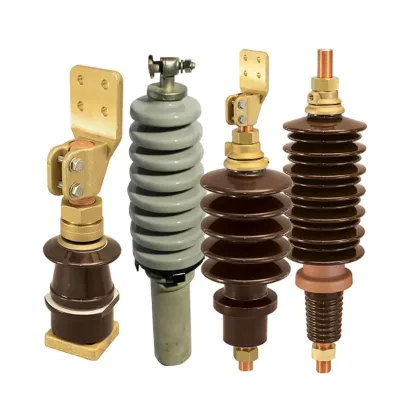


Comprehensive Sourcing Guide
Strategic Sourcing Guide for High Voltage Transformer Bushings
The procurement of high voltage transformer bushings represents a critical decision point in the infrastructure and electrical power sectors. These components serve as the essential interface between the internal high-voltage windings of a transformer and the external high-voltage power lines. A failure in a bushing can lead to catastrophic equipment damage, power outages, and significant safety hazards. Therefore, the sourcing strategy must be grounded in rigorous technical verification, adherence to international standards, and a deep understanding of the supply chain dynamics. This guide outlines the essential factors buyers must evaluate when sourcing these specialized electrical components, drawing upon observed market data and established industry practices.
Technical Specifications and Material Composition
The primary differentiator among high voltage bushings lies in their construction materials and electrical characteristics. The supplied product data indicates a diverse range of materials available in the current market, including porcelain, composite polymer, and silicone rubber. Porcelain bushings are traditionally valued for their mechanical strength and proven track record in high-voltage applications. Conversely, composite polymer and silicone rubber options offer advantages in weight reduction and improved resistance to environmental contamination, making them suitable for specific high-voltage power transmission environments.
Buyers must carefully distinguish between the structural types listed in the market, such as A Type and B Type insulators. The connection method is another vital technical parameter; the data highlights "Trough Type" and "Flange" connections as common configurations. The choice between these methods depends heavily on the specific transformer design and the required mounting interface. Furthermore, the phase configuration is a non-negotiable specification. While the market offers single-phase units, the complexity of high-voltage systems often necessitates multi-phase solutions, requiring precise verification of the product's phase rating against the system design.
Frequency characteristics also play a role in performance. Some listed products specify "High Frequency" capabilities, which may be relevant for specialized applications or specific transformer types like combined transformers. However, for standard power transmission, the frequency rating must align with the grid frequency (typically 50Hz or 60Hz). The observed product models, such as 10NF250-900, 30NF250-900, and 11KV, suggest that manufacturers offer a wide spectrum of voltage ratings and current capacities. Buyers should not assume that a model number implies a specific voltage class without explicit confirmation from the supplier, as the naming conventions can vary significantly between manufacturers.
Compliance and Certification Verification
In the high voltage sector, compliance is not merely a formality but a prerequisite for safety and insurability. The market data reveals a prevalence of ISO certifications, specifically ISO9001, which indicates a commitment to quality management systems. However, buyers must exercise caution when interpreting certification claims. Some entries in the data mix certification labels with unrelated attributes, such as "ISOISO9001-Cooling Method:Oil-immersed Type Transformer," which suggests that the certification status must be verified independently of the product description text.
Standards compliance is equally critical. The observed data references several DIN standards, including DIN 42530, DIN 42531, DIN 42532, and DIN 42539. These German standards often serve as benchmarks for insulator dimensions and performance. Additionally, the data mentions GB (Guobiao), DIN, and ANSI standards as potential compliance frameworks. When sourcing, buyers must explicitly request evidence that the specific bushing model meets the required standard for their region and application. For instance, a project in North America might require ANSI compliance, while a project in Europe might prioritize DIN or IEC standards.
It is imperative to verify that the certification applies to the specific product being purchased. A supplier may hold an ISO9001 certificate for their general manufacturing processes, but this does not automatically guarantee that every bushing model they list has undergone the specific high-voltage testing required for its rated voltage. Buyers should request third-party test reports that validate the dielectric strength, mechanical load capacity, and thermal performance of the specific batch or model. The data also mentions "ISOCE" and "ISO" certifications, but without specific context, these should be treated as claims requiring validation rather than confirmed facts.
Cost Drivers and Pricing Dynamics
The pricing for high voltage transformer bushings is highly variable, with observed ranges spanning from 1 USD to 50,000 USD. This vast disparity is driven by several key factors, including voltage rating, material composition, and customization requirements. A low-voltage porcelain bushing will naturally cost significantly less than a high-voltage composite polymer unit designed for extreme transmission conditions. The minimum order quantity (MOQ) also influences the effective unit cost, with observed ranges from 1 to 1000 units. Buyers purchasing in small quantities may face higher per-unit costs due to the setup and tooling expenses involved in manufacturing specialized electrical components.
Customization is a significant cost driver. The data confirms that customization is available for these products. Customizing a bushing to fit a unique transformer tank, a specific flange type, or a non-standard voltage rating will incur additional engineering and production costs. Furthermore, the origin of the product affects pricing. While the data indicates that many products originate from China, specifically from regions like Hunan, the logistics costs, tariffs, and import duties associated with international shipping must be factored into the total cost of ownership.
Lead times are another variable that impacts cost. The observed delivery times range from 15 days to 30 days. Rush orders or custom designs may extend these timelines, potentially incurring expedited shipping fees or production surcharges. Buyers should also consider the packaging costs, as the data lists options such as wooden pallets, wooden packages, and sea packages. Robust packaging is essential for protecting these fragile components during transit, and the cost of specialized packaging should be included in the budget.
Typical Applications and Usage Scenarios
High voltage transformer bushings are integral to a variety of electrical infrastructure projects. The data identifies several key usage scenarios, including electrical installation, insulation, and high-voltage power transmission. These components are essential in power transformers, combined transformers, and single-phase transformers. The application scope covers both high-voltage and low-voltage systems, though the primary focus for bushings of this complexity is typically high-voltage transmission.
The specific application dictates the required performance characteristics. For high-voltage power transmission, the bushing must withstand significant electrical stress and environmental exposure. In such cases, composite polymer or silicone rubber materials might be preferred for their hydrophobic properties and resistance to pollution. For general electrical installations, porcelain bushings may suffice, provided they meet the mechanical and dielectric requirements. The data also mentions "Power Transformer" and "Combined Transformer" applications, indicating that these bushings are versatile enough to serve in various transformer configurations.
Buyers must align the product's phase and frequency characteristics with the intended application. For example, a single-phase bushing is suitable for specific distribution applications, while three-phase systems require a coordinated set of bushings. The color of the bushing, such as the red units observed in the data, may be a specific requirement for safety marking or aesthetic integration within a substation, but it should not be the primary selection criterion. The primary focus must remain on the electrical and mechanical performance relative to the application's demands.
Supplier Evaluation and Selection Criteria
Selecting the right supplier is paramount to ensuring the reliability of the high voltage bushings. The data shows a mix of suppliers offering products with different certifications, materials, and origins. Buyers should prioritize suppliers who can provide transparent documentation regarding their manufacturing processes and quality control measures. The presence of ISO9001 certification is a positive indicator, but it should be verified against the specific product line.
The origin of the product is a factor to consider, with China and specifically Hunan being mentioned as origins. While this does not preclude quality, buyers should assess the supplier's track record in exporting to their specific region. The ability to meet the required standards, such as DIN, GB, or ANSI, is a critical evaluation metric. Suppliers who can demonstrate a history of compliance with these international standards are more likely to deliver products that meet safety and performance expectations.
Customization capabilities are another key differentiator. The data confirms that customization is available, but the extent of this capability varies. Buyers should inquire about the supplier's engineering support, their ability to adapt existing designs, and their lead times for custom orders. The minimum order quantity (MOQ) is also a practical consideration; suppliers with lower MOQs may be more suitable for smaller projects or pilot installations, while those with higher MOQs might offer better economies of scale for large-scale infrastructure projects.
Quality Control and Long-Term Procurement
Quality control is the backbone of a successful procurement strategy for high voltage bushings. Given the critical nature of these components, buyers must implement a rigorous quality assurance plan. This includes requesting detailed test reports, such as partial discharge tests, dielectric withstand tests, and mechanical load tests. The observed data mentions a "Size of Bearing Capacity: 160KN," which highlights the importance of verifying mechanical specifications. Buyers should ensure that the supplier's quality control processes align with the specific requirements of the project.
Long-term procurement considerations involve the availability of spare parts and the supplier's ability to support the product throughout its lifecycle. High voltage bushings are long-life assets, but they may require maintenance or replacement over time. Buyers should evaluate the supplier's inventory management and their ability to provide consistent product quality over multiple production runs. The packaging method, such as wooden pallets or sea packages, also plays a role in long-term preservation, ensuring that the components remain in pristine condition until installation.
The delivery timeline, observed to range from 15 to 30 days, should be factored into the project schedule. Delays in the delivery of critical components like bushings can halt entire transformer manufacturing or installation projects. Therefore, buyers should establish clear communication channels with the supplier to monitor production progress and mitigate potential delays. By focusing on these quality and logistical aspects, buyers can ensure a smooth procurement process and the reliable operation of their high voltage electrical systems.
Conclusion
Sourcing high voltage transformer bushings requires a meticulous approach that balances technical specifications, compliance requirements, and cost considerations. The market offers a wide array of options, from porcelain to composite polymer, with varying certifications and standards. Buyers must navigate this landscape by verifying claims, demanding evidence of compliance, and selecting suppliers with a proven track record of quality and reliability. By adhering to the principles outlined in this guide, procurement teams can secure the necessary components to support safe and efficient high voltage power transmission and distribution systems.
FAQs
What materials are used for high voltage transformer bushings?
Common materials include porcelain, composite polymer, and silicone rubber. Porcelain offers mechanical strength, while composite and silicone rubber provide weight reduction and better resistance to environmental contamination for high-voltage power transmission.
Which certifications should buyers verify for these components?
Buyers should verify ISO9001 certification for quality management systems. It is critical to confirm that the specific product model meets relevant standards like DIN 42530, DIN 42531, or ANSI, rather than assuming general certification covers all listed items.
How do connection methods affect bushing selection?
Selection depends on the transformer design and mounting interface. The market offers Trough Type and Flange connection methods, so buyers must match the specific connection type to their existing electrical installation requirements.
Can suppliers provide customized high voltage transformer bushings?
Yes, customization is available for unique transformer tanks or non-standard voltage ratings. Buyers should expect additional engineering costs and potentially longer lead times, such as 15 to 30 days, for these tailored specifications.
What is the typical price range for these bushings?
Prices range from 1 to 50,000 USD depending on voltage rating and material. Low-voltage porcelain units cost less than high-voltage composite polymer units, and the minimum order quantity also influences the effective unit cost.
Which standards apply to high voltage insulator specifications?
Relevant standards include DIN 42530, DIN 42531, DIN 42532, and DIN 42539. Buyers must explicitly request evidence that the specific model meets the required standard for their region, such as GB, DIN, or ANSI.