Source Oval Lens Blocking Pads for Grinding, Polishing, and Assembly
Find 30 Oval Lens Blocking Pads designed to prevent lens slip-off during grinding and polishing processes. Compare specifications including EVA material options, various sizes like 17x33mm and 24x30mm, and customization availability from suppliers in China.
Key considerations
Products List


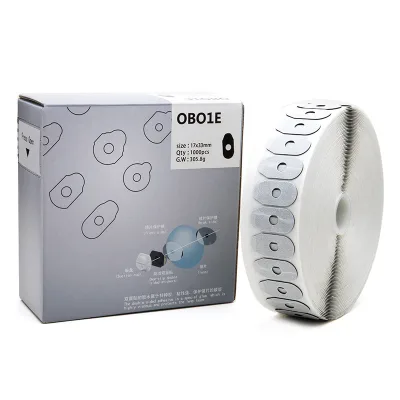

Enhanced Oval/Round/Rectangular Lens Blocking Pads with Adhesive Backing
$0.01 - $0.02
MOQ: 1000 Pieces
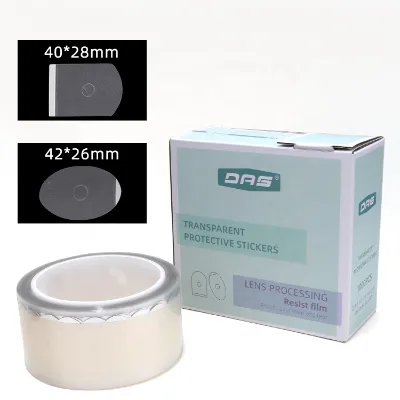


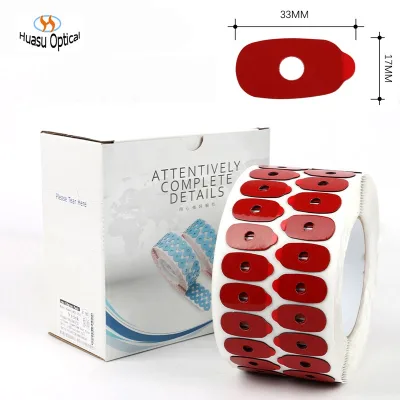


Comprehensive Sourcing Guide
Oval Lens Blocking Pads Sourcing Guide
Oval Lens Blocking Pads are specialized consumables designed to secure eyeglass lenses during the grinding and edging processes, ensuring stability and precision. These pads function primarily to prevent lens slip-off, a critical failure point that can damage both the lens and the edging machinery. The observed product attributes indicate that these pads are suitable for general use across unisex eyewear applications, serving as a universal interface between the lens and the blocking machine. Their design accommodates various lens shapes, including round, rectangular, and oval forms, making them versatile for different optical prescriptions and frame styles.
The market for these components is characterized by a high degree of customization and flexibility in supply terms. Buyers can expect to find products available in retail and wholesale quantities, with minimum order quantities (MOQ) ranging from a single roll to larger bulk orders of 1000 pieces. The supply chain demonstrates agility, with lead times as short as three working days for orders under 100 rolls and immediate availability for goods already in stock. This responsiveness is essential for optical laboratories that require consistent inventory levels to maintain uninterrupted production schedules.
Product Scope and Observed Listing Signals
The product scope for Oval Lens Blocking Pads encompasses a variety of material compositions and packaging configurations tailored to different operational needs. The primary material observed is EVA (Ethylene-Vinyl Acetate), chosen for its durability and grip properties. Listings indicate that these pads are available in multiple color options, including black with a white cover, blue, red, white, and clear variants, which may assist in visual differentiation during the blocking process. The packaging standards vary, with options such as 1000 pieces per roll, often contained within a color box or a neutral box, and further consolidated into cartons for efficient shipping.
Listing signals reveal a strong emphasis on customization capabilities, allowing buyers to specify dimensions and branding. The observed size specifications include standard dimensions like 1733mm, 2430mm, and 22*25mm, with many suppliers offering custom sizing to match specific lens requirements. The product models range from specific series like the 0650 series and 06201R to 06205R, indicating a structured catalog of sizes. Furthermore, the availability of customer logos and OEM services suggests that these pads can be branded for optical retailers or laboratory chains, adding a layer of professional identity to the consumable supply.
Technical Specifications to Verify
When evaluating Oval Lens Blocking Pads, the primary technical verification point is the dimensional accuracy relative to the lens being processed. The observed standards list specific millimeter measurements such as 1521mm, 1830mm, and 21*26mm, which must align precisely with the lens geometry to ensure a secure hold. Buyers should verify that the supplier can provide the exact dimensions required for their specific edging equipment, as the "etc." notation in listings implies a range of sizes that may need confirmation before ordering. The shape of the pad, whether round, rectangular, or oval, must match the lens contour to prevent uneven pressure distribution during grinding.
Material properties and packaging integrity are the second critical technical area for verification. The EVA material must be confirmed for its ability to maintain adhesion without leaving residue or damaging the lens coating. Buyers should check the folding state of the product, as some listings specify "unfolded" configurations, which may affect storage and handling efficiency. Additionally, the packaging density, such as 1000 pieces per roll or 40 boxes per carton, impacts logistics planning and storage space requirements. Ensuring that the packaging protects the pads from deformation during transit is vital for maintaining their functional integrity upon arrival.
Compliance and Safety Documentation
Compliance and safety documentation for lens blocking pads focus on material safety and manufacturing quality standards. The observed listings cite certifications such as CE, FDA, ISO9001, and SGS, which indicate that the materials meet international safety and quality benchmarks. These certifications are crucial for optical laboratories that must adhere to strict health and safety regulations regarding materials that come into contact with eyewear. Buyers should request current copies of these certificates to verify that the specific batch of pads being sourced meets the required standards for chemical safety and manufacturing consistency.
The origin of the product also plays a significant role in compliance verification, with observed listings indicating production in China, specifically in regions like Jiangsu and Zhejiang. While these regions are known for manufacturing capabilities, buyers should ensure that the supplier's quality management systems are robust enough to maintain consistency across different production runs. The presence of OEM and logo customization services implies a level of supply chain transparency that should be mirrored in the documentation provided. Verifying that the supplier maintains a clear audit trail for their materials ensures that the blocking pads do not introduce any contaminants or safety hazards into the optical production environment.
Cost Drivers and Commercial Terms
Cost drivers for Oval Lens Blocking Pads are heavily influenced by the level of customization and the volume of the order. The observed price range spans from $0.01 to $46, reflecting the difference between standard off-the-shelf items and customized solutions with specific branding or dimensions. Customization, such as adding a customer logo or altering the standard size, typically incurs additional costs and may affect the minimum order quantity. Buyers should analyze whether the cost of customization justifies the branding benefits or if standard sizes offer a more cost-effective solution for their volume needs.
Commercial terms regarding lead time and shipping are equally critical factors in the total cost of ownership. Listings indicate lead times of three working days for orders under 100 rolls and within seven days for goods in stock, which allows for rapid replenishment. However, for larger orders or custom requests, lead times may extend, requiring careful inventory planning. Shipping options are available via air or sea, with ports like FOB Shanghai and FOB Ningbo commonly cited. Buyers must weigh the speed of air freight against the cost efficiency of sea freight, considering the urgency of their production schedules and the total landed cost of the goods.
Supplier Qualification and Quality Control
Supplier qualification for lens blocking pads should prioritize manufacturers with a proven track record in optical consumables and those holding relevant certifications. The presence of ISO9001 and SGS certifications suggests a commitment to quality management systems, but buyers should verify the scope of these certifications to ensure they cover the specific production of blocking pads. Suppliers located in established manufacturing hubs like Jiangsu and Zhejiang often have the infrastructure to support high-volume production, but the buyer must confirm that the specific facility has the capacity to meet their quality expectations and delivery timelines.
Quality control processes should be a central part of the supplier evaluation, focusing on consistency in material composition and dimensional accuracy. Buyers should inquire about the supplier's internal testing protocols for adhesion strength and material durability, as these are the primary functional requirements of the pads. The ability to provide samples for pre-production testing is a strong indicator of a supplier's confidence in their product quality. Additionally, verifying the supplier's ability to handle defects and their return policies ensures that the buyer is protected against inconsistent batches that could disrupt the optical grinding process.
Long-Term Procurement Checks
Long-term procurement checks for Oval Lens Blocking Pads involve establishing a stable supply relationship that can adapt to changing production volumes and specifications. Buyers should monitor the supplier's ability to maintain consistent lead times and pricing over extended periods, as fluctuations can disrupt inventory management and budget planning. The availability of multiple product models and sizes, such as the 0650 and 0620 series, indicates a supplier's capacity to scale and diversify their offerings, which is beneficial for laboratories with a wide range of lens types.
Regular performance reviews and quality audits are essential to ensure that the supplier continues to meet the evolving needs of the optical industry. Buyers should track key performance indicators such as defect rates, delivery punctuality, and responsiveness to customization requests. The ability of the supplier to provide updated certifications and maintain compliance with international standards is a critical long-term factor. By maintaining open communication and conducting periodic assessments, buyers can ensure a reliable supply chain that supports the continuous and efficient operation of their optical laboratories.
FAQs
What materials are used for Oval Lens Blocking Pads?
The primary material used is EVA, which provides durability and effective lens protection. These pads are designed to prevent lens slip-off during the grinding process. The material choice ensures consistent performance across various lens shapes, including round, rectangular, and oval forms, making them suitable for general unisex eyewear applications.
Can I customize the size of the blocking pads?
Yes, customization is available for various dimensions. Standard sizes include 17x33mm, 24x30mm, and 22x25mm, among others. You can request specific measurements to fit unique lens requirements. This flexibility allows for precise alignment during manufacturing, ensuring that the pads accommodate different frame styles and lens prescriptions effectively.
What is the minimum order quantity for these pads?
Retail and wholesale orders are available, with an MOQ of just one roll. This low entry point supports both small-scale testing and large-volume production needs. The packaging typically contains 1000 pieces per roll, allowing for efficient inventory management. Flexible MOQs make these pads accessible for diverse business sizes and procurement strategies.
How long does it take to receive the order?
Lead times are typically three working days if the order quantity is less than 100 rolls. For goods already in stock, delivery can occur within seven days. This rapid turnaround supports urgent production schedules. Shipping options include air or sea freight, allowing you to choose the method that best fits your timeline and budget constraints.
Are these pads suitable for all lens shapes?
Yes, the pads are suitable for unisex eyewear and come in round, rectangular, and oval shapes. They are designed to prevent lens slip-off during grinding, ensuring stability. The EVA material adapts well to various contours. This versatility makes them a reliable choice for manufacturers handling diverse lens geometries and complex frame designs in optical production.
What certifications do the products hold?
The products hold certifications including CE, FDA, ISO9001, and SGS. These standards ensure quality and safety compliance for international markets. Such certifications provide assurance regarding material safety and manufacturing consistency. Buyers can rely on these credentials when sourcing for regulated markets, ensuring that the blocking pads meet rigorous industry requirements for optical accessories.