Source High Waist Breathable Pilates Sportswear for Gym, Yoga, and Running
Source High Waist Breathable Pilates Sportswear from 30 verified listings. Compare features like quick-drying chemical fiber blends, nylon-spandex compositions, and custom OEM/ODM options for fitness and cycling applications.
Key considerations
Products List


Highly Breathable Sportswear Superior Quality Brand-New Yoga Sports Leggings
$7.10 - $9.10
MOQ: 10 Pieces
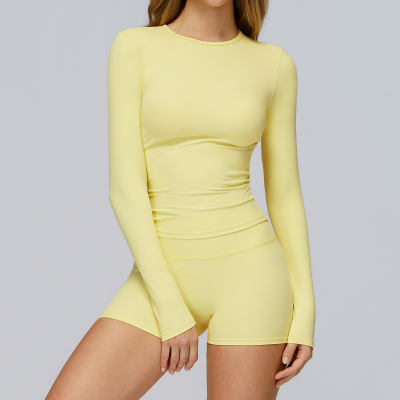

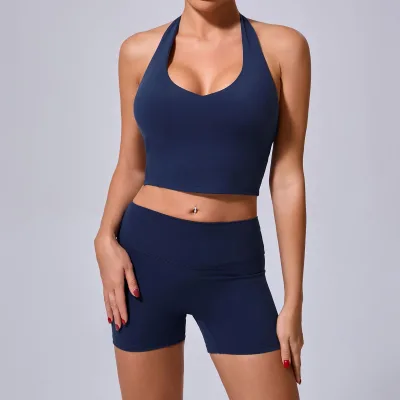


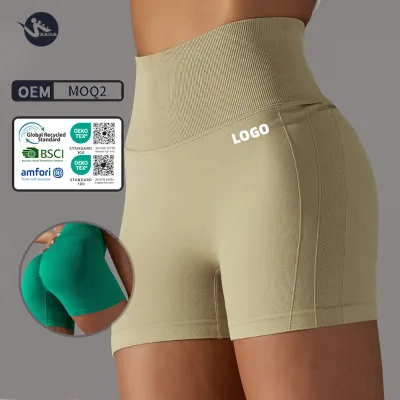

Comprehensive Sourcing Guide
High Waist Breathable Pilates Sportswear Sourcing Guide
The market for High Waist Breathable Pilates Sportswear is defined by a convergence of functional performance and aesthetic versatility, catering specifically to activities like yoga, fitness, and gym training. Based on observed listings, these garments are frequently categorized as pants or leggings designed with a high waist type to provide core support and a secure fit during dynamic movements. The primary material composition typically involves chemical fiber blends, with specific configurations such as 90% nylon and 10% spandex, or 79% nylon and 21% spandex, ensuring the necessary elasticity and recovery required for pilates routines.
Buyers must recognize that while the core keyword emphasizes breathability, the actual product attributes observed include quick-drying capabilities and specific fabric blends that facilitate moisture management. The style is consistently identified as "Sports Style," with applications extending beyond pilates to include running, tennis, and general fitness. This versatility allows procurement teams to source a single SKU that serves multiple workout categories, provided the fabric weight and construction meet the specific demands of high-intensity movement versus low-impact stretching.
Product Scope and Observed Listing Signals
When evaluating product scope, it is critical to distinguish between single-piece leggings and two-piece sets, as the observed data indicates a significant presence of "2 Piece Set" configurations alongside individual pants. The length specifications vary from full-length options to other variations, with some listings explicitly noting "One Size" or standard sizing ranges like S, M, L, and XL. The color palette is diverse, with some suppliers offering up to eight color options while others limit selections to three, and the pattern type is predominantly solid, aligning with the minimalist aesthetic often preferred in pilates apparel.
Customization signals are a dominant feature in this category, with nearly all observed listings supporting customized logos, packaging, and ODM/OEM services. The packaging methods range from individual polybags to carton boxes, with specific dimensions like 34x36x5 cm noted for single packages, which directly impacts logistics planning. Buyers should verify if the "Corton" or "Boxed Cartoned" packaging mentioned in listings aligns with their retail requirements, as the ability to customize packaging is a key differentiator for brands looking to establish a distinct market presence.
Technical Specifications to Verify
The technical verification process must begin with the material composition, as the balance between nylon and spandex dictates the garment's compression, durability, and breathability. Listings show variations such as 90% nylon with 10% spandex versus 79% nylon with 21% spandex, where the higher spandex content generally offers greater stretch and recovery essential for high-waist designs. Procurement teams should request physical swatches to confirm the "Chemical Fiber Blending" claims and ensure the fabric possesses the advertised quick-drying properties without compromising the structural integrity of the high waistband.
Fit and construction details are equally critical, with specific attention required for the waist type, closure mechanism, and strap configuration. The observed "High" waist type and "Elastic Waist" closure are standard, but the presence of "Non-adjusted Straps" in some two-piece sets requires careful evaluation to ensure they do not restrict movement during deep pilates poses. Additionally, the "Automated cutting" technique noted in the technical specs suggests a focus on precision, but buyers should verify the seam quality and the placement of logos, which are often positioned on the front and back, to ensure they do not cause irritation during floor exercises.
Compliance and Safety Documentation
While specific certification names are not universally listed in the provided data, the origin of these products is consistently traced to manufacturing hubs in Zhejiang and Guangdong, China. Buyers must verify that the suppliers operating in these regions adhere to international safety standards for textile products, particularly regarding chemical restrictions and flammability, as these are standard requirements for sportswear entering major markets. The absence of explicit certification data in the listing signals necessitates a proactive request for test reports from the supplier to confirm compliance with destination market regulations.
Safety documentation should also cover the physical safety of the garment, ensuring that the "Quick-Drying" and "Chemical Fiber" materials do not pose skin irritation risks for sensitive users. Since the products are intended for direct skin contact during high-sweat activities like running and gym workouts, verifying the absence of harmful dyes or finishes is essential. Buyers should treat the "30253" and "0.3kg" specifications as baseline data points but must confirm that the actual product weight and dimensions match the safety and performance expectations for the intended use case.
Cost Drivers and Commercial Terms
The cost structure for High Waist Breathable Pilates Sportswear is heavily influenced by the level of customization and the complexity of the fabric blend. Listings show a wide price range from $1.56 to $31.99, which reflects the variance between basic unbranded items and premium, fully customized ODM solutions. The MOQ ranges from 1 to 1200 units, offering flexibility for small startups while accommodating larger volume orders, but the unit price will inevitably decrease as the order quantity increases toward the higher end of this spectrum.
Commercial terms regarding lead times and sample availability are pivotal for supply chain planning, with some suppliers offering a 7-day sample order lead time to accelerate the development cycle. The "Customized Packaging" and "Accept Customized Logo" options add value but may extend production timelines compared to standard stock items. Buyers should negotiate clear terms for the "2 Piece Set" configurations versus single items, as the additional components and packaging requirements for sets can significantly alter the final landed cost and delivery schedule.
Supplier Qualification and Quality Control
Supplier qualification in this sector requires a deep dive into their manufacturing capabilities, specifically their experience with "Automated cutting" and "Oem Service" for athletic wear. The presence of specific model numbers like "BL-207," "YLJL89," and "CC8519-4" indicates a structured production line, but buyers must verify the consistency of these models across different batches. It is essential to assess the supplier's ability to maintain the "High" waist integrity and "Elastic Waist" functionality over repeated wash cycles, as these are the primary failure points in pilates apparel.
Quality control protocols must extend beyond visual inspection to include functional testing of the fabric's breathability and stretch recovery. Since the "Main Material" is a chemical fiber blend, verifying the tensile strength and colorfastness is necessary to prevent issues like fading or tearing during intense workouts. Buyers should implement a rigorous inspection process that checks the "Logo position" accuracy and the "Pattern Type" consistency, ensuring that the final product matches the approved samples and meets the specific "Sports Style" expectations of the target market.
Long-Term Procurement Checks
Sustaining a successful procurement relationship for pilates sportswear requires ongoing monitoring of supply chain stability and product consistency over time. Buyers should regularly audit the supplier's ability to maintain the specific "Nylon 90% spandex 10%" or "Nylon 79% spandex 21%" ratios, as deviations in material composition can alter the performance characteristics of the high waist design. Establishing a long-term partnership involves setting clear benchmarks for the "Quick-Drying" performance and ensuring that the "One Size" or standard sizing remains consistent across all production runs.
Future-proofing the procurement strategy involves staying ahead of trends in "Fashion Element" and "Style" while maintaining the core functional requirements of the product. As the market evolves, buyers should anticipate shifts in packaging preferences, such as the move from "1PC/Polybag" to more sustainable options, and ensure the supplier can adapt their "Customized Packaging" capabilities accordingly. Regular reviews of the "Supply Type" and the supplier's capacity to handle increased volumes will help mitigate risks associated with demand fluctuations in the fitness and yoga sectors.
FAQs
Can I customize the logo on these pants?
Yes, you can customize the logo on these pants. The product accepts customized logos and offers custom ODM and OEM services for branding needs.
What materials are used for these sportswear pants?
These pants are made from chemical fiber blending, specifically nylon and spandex. Some models feature a composition of 90% nylon and 10% spandex or 79% nylon and 21% spandex.
How long is the lead time for sample orders?
The lead time for sample orders is 7 days. This support is available for buyers needing quick prototypes before placing larger bulk orders.
What is the minimum order quantity for these items?
The minimum order quantity ranges from 1 to 1200 pieces depending on the specific product model. Buyers can find options starting from a single piece up to larger bulk quantities.
Which sports are these pants suitable for?
These pants are suitable for cycling, fitness, gym, yoga, tennis, and running. They are designed with quick-drying features for various athletic activities.
What packaging options are available for these products?
Packaging options include 1 piece per polybag with 40 pieces per carton or customized packaging. Some items may also come boxed or cartoned depending on the specific model.
Where are these products manufactured?
These products originate from China, specifically from Zhejiang and Guangdong provinces. The manufacturing location ensures access to established supply chains for sportswear.