Source Whitening Skin Moisturizing Hand Soap for hotels, spas, and homes
Explore 30 listings for Whitening Skin Moisturizing Hand Soap suitable for hotels, spas, and homes. Buyers can compare features like moisturizing, cleaning, and herbal ingredients across various models and packaging options.
Key considerations
Products List


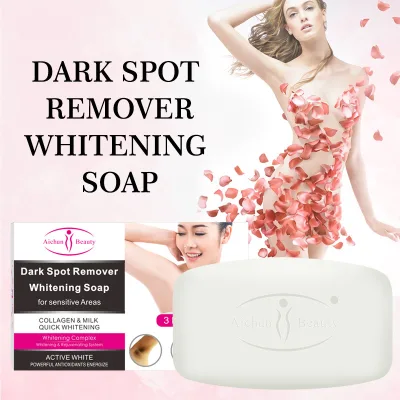
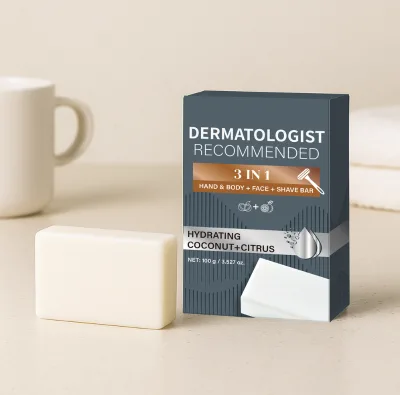
Skin Care 100% Brightening Moisturizing Handmade Whitening Soap for Bath
$1.30 - $1.38
MOQ: 1000 Pieces


Handmade Soap Whitening Deep Cleaning Lightening Milk Soap for Hand Wash
$0.15 - $0.30
MOQ: 180000 Pieces






Comprehensive Sourcing Guide
Strategic Sourcing Guide for Whitening Skin Moisturizing Hand Soap
Understanding Product Attributes and Formulation Variability
When sourcing a product defined by the core keyword "Whitening Skin Moisturizing Hand Soap," buyers must first navigate a complex landscape of conflicting product attributes observed in the current market. The term "hand soap" often implies a liquid or gel wash, yet the available data reveals a significant divergence in physical forms. Some listings explicitly categorize the product as a "Solid" form with a "Square" shape, while others describe a "Waterless" wash style, which typically indicates a gel or foam that does not require traditional water activation in the same manner as bar soap. This distinction is critical for procurement planning, as the manufacturing process for a solid, square bar differs fundamentally from a liquid or waterless gel formulation.
Furthermore, the functional claims of "whitening" and "moisturizing" are supported by specific ingredient profiles in the observed data. One segment of the market offers products featuring "Vitamin C+Hyaluronic Acid" as active ingredients, directly addressing the whitening and hydration requirements. These are often packaged as "Skin Care Product Whitening Face Cream" or similar high-end formulations, suggesting that the "hand soap" category may overlap with facial care products in terms of ingredient sophistication. Conversely, other entries list "Herbal" or "Fruit" as the main ingredient, with a "Fruit Scent" and "Unscented" options available. The pH range observed in the data is between 7-8, which is generally considered neutral to slightly alkaline, suitable for general cleansing but requiring verification if the target market demands a "Weak-Acid" formulation for skin barrier protection.
Buyers must recognize that "whitening" in this context is not a universal guarantee but a feature dependent on the specific product model. Some items are labeled as "Non-Medicated," while others emphasize "Efficacy: Cleansing Skin." The presence of "Aloe Vera" as an ingredient suggests a focus on soothing properties, which complements the moisturizing claim. However, the "Active" content varies, with one specific observation noting a 12% active ingredient concentration, likely referring to alcohol or a specific botanical extract depending on the product type. This variability means that a single procurement order cannot assume uniformity in performance unless the specific product model and ingredient list are strictly defined in the purchase agreement.
Technical Specifications and Packaging Standards
The technical specifications for Whitening Skin Moisturizing Hand Soap vary significantly across suppliers, necessitating a rigorous review of product models and packaging standards. The observed data lists multiple product models, including "hand sanitizer," "500ML," "400ml," and "S01," indicating that the term "hand soap" may be used interchangeably with "hand sanitizer" in certain listings, or that the product line includes both. For a buyer specifically seeking a moisturizing soap, the "500ML" and "400ml" liquid models require distinct verification to ensure they are not alcohol-based sanitizers but rather true cleansing agents.
Packaging is another critical technical variable. The data shows a wide range of packaging options, from "Bottle" and "Box" to "12PCS/20PCS/Carton" and "Plastic Wrap." Some entries specify "20 PCS Per Bottle," which suggests a bulk or multi-unit packaging strategy often used for hotel or airline supplies. The "prod_packing" attribute also includes "Carton" as a standard shipping unit. For a buyer targeting the "Whitening" segment, the packaging must protect the integrity of sensitive ingredients like Vitamin C and Hyaluronic Acid, which can degrade if exposed to light or air. Therefore, opaque bottles or boxes with UV protection are likely necessary, even if the product itself is described as "Not Transparent."
Size specifications also present a dichotomy. While liquid volumes are listed as 400ml and 500ml, solid forms are described with a size of "100g or Customized." This implies that the solid soap category allows for significant customization in weight and dimensions. The "Standard" attribute varies from "1 gallon" to "GMPC" and "100g," highlighting that some standards refer to volume, while others refer to manufacturing quality systems or unit weight. Buyers must clarify whether "1 gallon" refers to a bulk liquid standard or a specific product size, as this impacts logistics and shelf space. The "OEM" and "ODM" availability suggests that packaging and size can be tailored, but the buyer must provide precise technical drawings or specifications to ensure the final product matches the intended "Square" or "Smooth" texture requirements.
Compliance, Certification, and Regulatory Verification
Navigating the compliance landscape for Whitening Skin Moisturizing Hand Soap requires careful attention to the standards and certifications listed in the supplier data. The observed standards include "GMPC" (Good Manufacturing Practice for Cosmetics), which is a crucial benchmark for cosmetic safety and quality. However, the data also lists "1 gallon" and "100g" under the "prod_standard" attribute, which are likely product size standards rather than regulatory certifications. Buyers must not assume that a product listing a size standard is also compliant with GMPC or other international safety regulations unless explicitly stated.
The "Medicated" attribute is listed as "Non-Medicated" for some products, which simplifies regulatory clearance in many jurisdictions as these items fall under general cosmetic regulations rather than drug regulations. However, the claim of "Whitening" can be a sensitive regulatory area. In some markets, whitening claims are strictly regulated and may require clinical trial data or specific ingredient approvals. The presence of "Vitamin C+Hyaluronic Acid" as active ingredients is generally accepted, but the concentration and efficacy claims must be substantiated. Buyers should verify if the supplier has conducted any specific tests for the "Whitening" efficacy, as the data mentions "Quality: Professional High" but does not provide specific test results or certification numbers.
Additionally, the "Standard" attribute includes "GMPC," which indicates adherence to cosmetic manufacturing practices. However, the data also mentions "100g" and "1 gallon" as standards, which are confusing in a regulatory context. Buyers must clarify with suppliers whether these refer to product specifications or regulatory compliance levels. The "OEM" and "ODM" services are welcomed, which implies that the supplier can adapt the product to meet local regulatory requirements, but the buyer is responsible for ensuring the final product meets the destination market's laws. The "Guarantee Period" of "3years" is an unusual metric for a consumable cosmetic product and may refer to the shelf life or the warranty on the manufacturing process, requiring clarification to avoid misunderstandings regarding product expiration.
Cost Drivers and Pricing Dynamics
The cost structure for Whitening Skin Moisturizing Hand Soap is influenced by several factors, including ingredient quality, packaging complexity, and customization levels. The observed price range in the market spans from $0.01 to $59, a vast disparity that reflects the difference between basic bulk items and premium, highly customized formulations. The lower end of the spectrum likely corresponds to simple, non-branded products with basic ingredients like "Herbal" extracts or "Fruit" scents, while the higher end may include products with "Vitamin C+Hyaluronic Acid" and specialized packaging.
The Minimum Order Quantity (MOQ) is a significant cost driver, with observed ranges from 2 to 180,000 units. A specific entry lists an MOQ of "1000 Pieces," which is typical for OEM orders involving custom packaging and branding. For buyers seeking small quantities, the high MOQ of some suppliers may necessitate a higher unit cost or the purchase of existing stock. The "Customization" availability allows for tailored solutions, but this often increases the cost due to setup fees and lower economies of scale. The "Active" ingredient concentration, such as the 12% noted in the data, also impacts cost, as higher concentrations of premium ingredients like Hyaluronic Acid increase the raw material expense.
Packaging costs vary widely based on the "prod_packing" type. "Bottle" and "Box" packaging are generally more expensive than simple "Plastic Wrap" or bulk "Carton" shipments. The "12PCS/20PCS/Carton" configuration suggests a bulk shipping strategy that reduces per-unit packaging costs but requires careful handling to prevent damage. The "Usage Scenario" of "Airline, SPA, Hotel, Travel, Home" also influences pricing, as products designed for single-use or travel sizes may have different cost structures compared to full-size retail bottles. Buyers must balance the desired quality and customization against the MOQ and unit price to achieve the best value proposition.
Typical Applications and Usage Scenarios
The versatility of Whitening Skin Moisturizing Hand Soap is evident in the diverse usage scenarios identified in the market data. Products are suitable for "Airline, SPA, Hotel, Travel, Home," indicating a broad applicability across both commercial and personal settings. The "Single Use" attribute suggests that some variants are designed for disposable applications, such as in hotels or airlines, where hygiene and convenience are paramount. These single-use items often come in small, travel-friendly sizes like "100g" or "400ml," making them ideal for distribution in hospitality settings.
For "SPA" and "Home" applications, the focus shifts to the sensory experience and skin benefits. The "Fruit Scent" and "Unscented" options cater to different preferences, with "Fruit Scent" appealing to those seeking a pleasant, natural aroma and "Unscented" options suitable for sensitive skin or professional environments where fragrance might be distracting. The "Eco-Friendly" feature is increasingly important in these sectors, as modern consumers and businesses prioritize sustainability. Products with "Herbal" ingredients and "Aloe Vera" align well with eco-friendly and natural beauty trends, making them attractive for spas and health-conscious households.
The "Weak-Acid" feature is particularly relevant for "Home" and "SPA" use, as it supports skin barrier health and reduces the risk of irritation. This makes the product suitable for frequent hand washing, which is common in both domestic and professional settings. The "Moisturizing" and "Cleansing" features ensure that the soap not only removes dirt but also maintains skin hydration, a key selling point for products targeting dry or sensitive skin. The "Square" shape and "Smooth" texture of solid variants add a tactile element that enhances the user experience, making them appealing for gift sets or premium retail displays.
Supplier Evaluation and Quality Control Protocols
Evaluating suppliers for Whitening Skin Moisturizing Hand Soap requires a multi-faceted approach that goes beyond simple price comparisons. The "Quality: Professional High" attribute suggests that some suppliers maintain high standards, but buyers must verify this through independent audits and sample testing. The "OEM" and "ODM" capabilities indicate that suppliers can customize products, but this also introduces the risk of quality inconsistency if the supplier lacks robust quality control systems. Buyers should request detailed information on the supplier's manufacturing processes, specifically regarding the handling of sensitive ingredients like Vitamin C and Hyaluronic Acid.
Quality control protocols should include checks for "Active" ingredient concentration, pH balance, and microbial safety. The observed pH range of 7-8 is a good starting point, but buyers must ensure that the final product consistently falls within this range. The "Non-Medicated" status simplifies safety testing, but the "Whitening" claim requires verification of efficacy. Buyers should request test reports or certificates of analysis (COA) to confirm that the product meets the claimed specifications. The "Guarantee Period" of "3years" is an unusual metric for a cosmetic product and should be clarified to ensure it refers to shelf life or product integrity.
The "prod_origin" of "China" is a common source for these products, but buyers should verify the specific manufacturing location and facility certifications. The "GMPC" standard is a positive indicator, but it should be confirmed with a valid certificate. The "MOQ" of "1000 Pieces" for some suppliers suggests a focus on larger orders, which may require a longer lead time and more extensive quality assurance processes. Buyers should establish clear communication channels with suppliers to ensure that any changes in formulation or packaging are communicated promptly and that quality control measures are maintained throughout the production run.
Long-Term Procurement and Supply Chain Considerations
Long-term procurement of Whitening Skin Moisturizing Hand Soap involves strategic planning to ensure supply chain stability and product consistency. The "Customization" availability offers flexibility, but it also requires a long-term partnership with a supplier who can maintain quality over time. Buyers should consider the "Usage Scenario" trends, such as the growing demand for eco-friendly and natural products, and align their procurement strategy accordingly. The "Eco-Friendly" feature is likely to become a key differentiator in the future, and suppliers who can demonstrate sustainable practices will be preferred.
The "Active" ingredient concentration and "Ingredient" profile should be monitored for changes in market trends. The shift towards "Herbal" and "Fruit" ingredients suggests a move away from synthetic additives, and buyers should anticipate this trend in their product development. The "Packaging" options, such as "Plastic Wrap" and "Carton," should be evaluated for sustainability and cost-effectiveness. The "12PCS/20PCS/Carton" configuration is efficient for bulk shipping, but buyers should consider the environmental impact of plastic packaging and explore alternatives if sustainability is a priority.
Finally, the "Guarantee Period" and "Quality" attributes should be integrated into the contract terms to protect the buyer's interests. A clear definition of what constitutes a "Professional High" quality product and the specific guarantees provided by the supplier will help mitigate risks. The "OEM" and "ODM" services should be leveraged to create a unique product identity that aligns with the buyer's brand strategy. By focusing on these long-term considerations, buyers can build a resilient supply chain that delivers high-quality, Whitening Skin Moisturizing Hand Soap consistently and efficiently.
FAQs
What active ingredients support whitening and moisturizing claims?
Products feature Vitamin C and Hyaluronic Acid as active ingredients to support whitening and hydration. Some variants also include Aloe Vera or Herbal extracts for soothing properties, while others rely on Fruit-based ingredients for natural cleansing and skin care benefits.
Which packaging formats are available for bulk orders?
Packaging options include bottles, boxes, and cartons with configurations like 12 or 20 pieces per carton. Some listings specify 20 pieces per bottle, while others offer plastic wrap for single-use scenarios in hotels or airlines, ensuring flexibility for different distribution needs.
Can buyers request custom formulations and private labeling?
Yes, OEM and ODM services are available for customization of formulas and private labeling. Buyers can specify scents, sizes like 100g or 500ml, and ingredient preferences, allowing tailored solutions that meet specific brand requirements and market standards for cosmetic products.
What is the typical minimum order quantity for this product?
Minimum order quantities range from 2 to 180,000 units depending on the supplier and customization level. Specific listings indicate an MOQ of 1,000 pieces for certain models, while others may accept smaller trial orders, requiring buyers to verify exact thresholds before purchasing.
How does the product pH level affect skin compatibility?
The observed pH range is 7 to 8, which is neutral to slightly alkaline for general cleansing. Some products offer a weak-acid formulation to better protect the skin barrier, making them suitable for frequent use in homes, spas, or professional settings without causing irritation.
Which certifications ensure manufacturing quality and safety?
GMPC (Good Manufacturing Practice for Cosmetics) is a key standard observed for manufacturing quality. While some listings mention size standards like 100g or 1 gallon, buyers must verify that GMPC compliance applies to the specific batch to ensure safety and regulatory adherence for export.
What usage scenarios are suitable for these hand soaps?
Products are designed for diverse scenarios including airlines, spas, hotels, travel, and home use. Single-use variants are ideal for hospitality, while larger bottles suit domestic or commercial settings, offering options that are eco-friendly and suitable for various hygiene requirements.