Source Highly Flexible Tow Chain Cable for CNC and Automation
Find and compare 30 Highly Flexible Tow Chain Cable options from Chinese manufacturers. These nylon and steel cable protection systems offer wear resistance and temperature stability for CNC machine tools and wire management applications; compare the available evidence and request quotations based on your requirements.
Updated
Key considerations
Products List
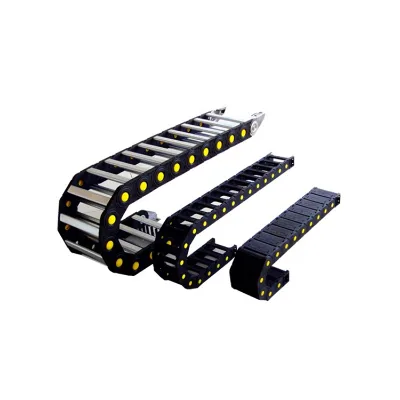
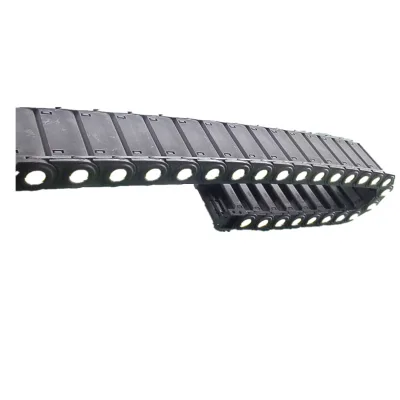
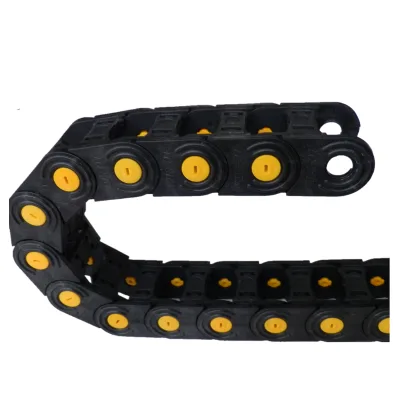
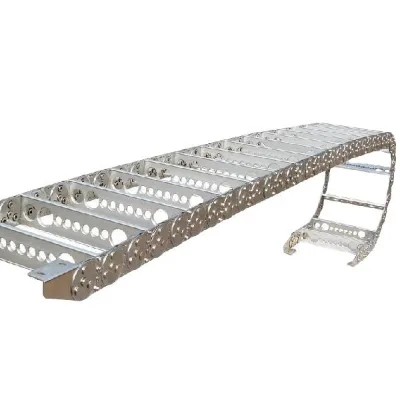
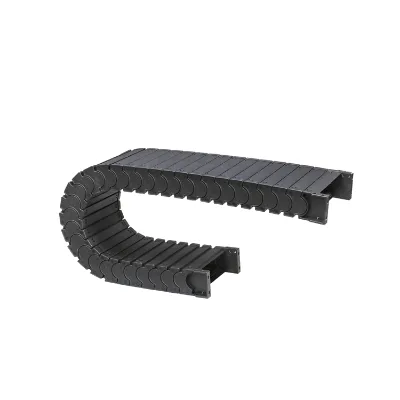
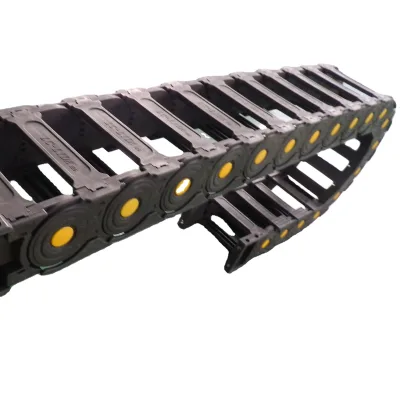


AC-Flex901t Flexible Towline Single Core Highly Flexible Drag Chain Cable
$0.36 - $3.71
MOQ: 500 Meters

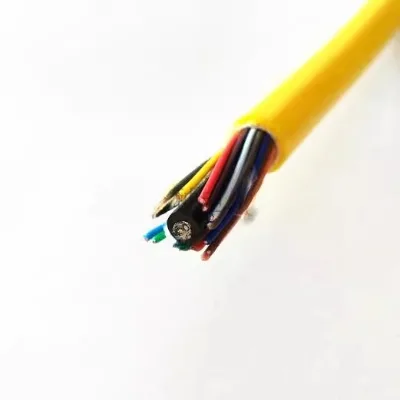
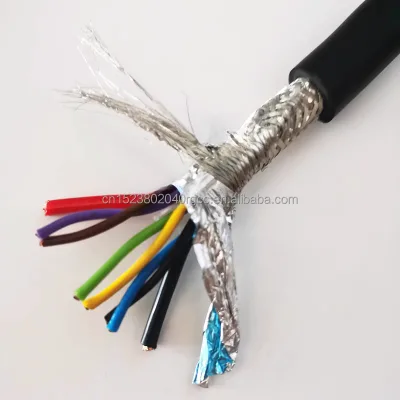
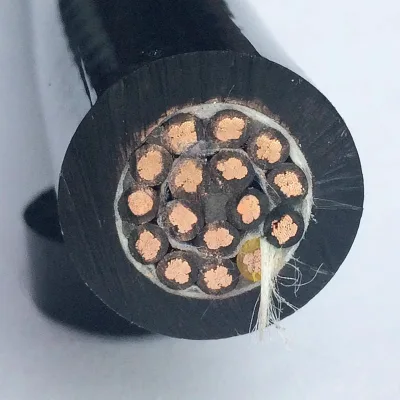
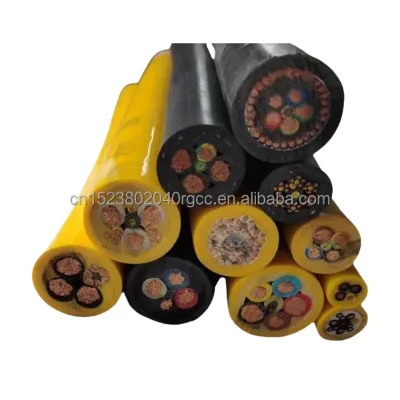
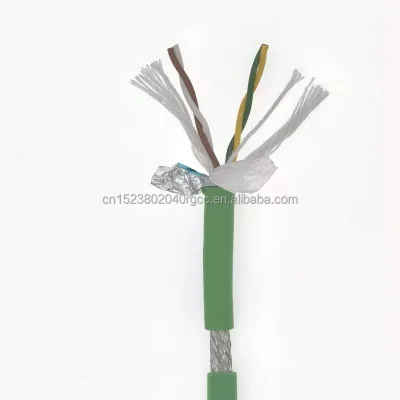
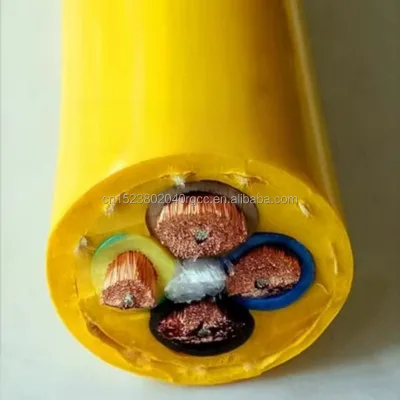


Flexible Nylon Cable Drag Chain
$2.60 - $3.00
MOQ: 1 Meters
Shandong Zhongde Machine Tool Accessories Producing Co., Ltd.


Comprehensive Sourcing Guide
Highly Flexible Tow Chain Cable Sourcing Guide
Procuring highly flexible tow chain cables requires a clear distinction between the protective carrier system and the internal conductive elements. Buyers often conflate the nylon or steel drag chain with the cable itself, yet both must be evaluated for compatibility. The drag chain provides the mechanical structure to guide and protect wires during dynamic motion, while the cable must withstand the bending radius and torsional stresses imposed by the chain’s movement. Understanding this relationship is critical for preventing premature failure in automated machinery where continuous flexing is standard.
Sourcing decisions should begin with defining the operational environment, including temperature ranges and exposure to chemicals or abrasives. Observed listings indicate materials such as nylon and steel for the chain, with operating temperatures ranging from -40°C to 130°C. These parameters dictate the selection of insulation materials like PVC for the cable and the structural integrity of the chain links. Aligning the cable’s flexibility rating with the chain’s design ensures that the entire assembly performs reliably under the specific mechanical loads of CNC machine tools or similar industrial applications.
Product Scope and Observed Listing Signals
The market for these components includes a variety of configurations, from fully enclosed steel series carriers to open-type plastic drag chains. Listings frequently highlight features such as wear resistance, anti-noise properties, and weight-bearing capabilities, which are essential for high-speed automated environments. Buyers should observe that model numbers vary significantly, with designations like HY or TL indicating different structural profiles. These variations often correspond to specific inside dimensions, ranging from 10mm to 600mm, which must match the bundle size of the cables being protected.
Price points and minimum order quantities (MOQs) show considerable variance, with observed prices starting as low as $0.01 and reaching up to $35 per unit. MOQs typically range from 1 to 1000 pieces, reflecting the customizability of these industrial components. Some suppliers offer single-item selling units, while others may require bulk purchases for specialized configurations. Buyers must carefully review the single package dimensions, often around 20x20x10 cm, to plan for efficient logistics and storage, ensuring that the physical footprint of the ordered components aligns with warehouse constraints.
Technical Specifications to Verify
Verification of the cable’s electrical properties is paramount for ensuring safe and efficient operation. Key specifications to confirm include the rated voltage, which often appears as 300V/500V for flexible applications, and the conductor type, which should be a flexible, stranded copper conductor to withstand repeated bending. The insulation material, typically PVC, must be flame retardant to meet safety standards in industrial settings. Buyers should also verify the core configuration, ensuring that the multicores arrangement matches the signal or power requirements of the specific machinery being equipped.
The mechanical specifications of the tow chain itself require equal attention, particularly regarding the structure and material composition. Combined chain structures made from nylon or steel offer different trade-offs in terms of weight, noise, and durability. The inside dimension must be selected to allow for proper cable bending without excessive friction or compression. Additionally, the temperature range of the chain material, observed between -40°C and 130°C, must be compatible with the operating environment of the machinery. Confirming these details prevents mismatches that could lead to mechanical failure or cable damage during high-speed operation.
Compliance and Safety Documentation
Compliance documentation serves as a primary indicator of supplier reliability and product safety. Certifications such as CE and ISO9001 are frequently cited in product listings, suggesting adherence to international quality management and safety standards. Buyers should request valid certificates to verify that the manufacturing processes meet regulatory requirements for the target market. The presence of RoHS certification is also critical, indicating that the materials used, particularly in the plastic and metal components, are free from hazardous substances, which is essential for environmentally conscious procurement strategies.
Safety features, such as flame retardancy in the cable insulation, must be documented through test reports or material safety data sheets. While machinery test reports are often listed as not available for individual components, buyers should inquire about specific performance data for the cable’s flex life and the chain’s load capacity. Ensuring that the product meets the relevant electrical and mechanical standards reduces liability and ensures that the installed system can operate safely under load. Buyers must treat certification claims as observations to be verified rather than guaranteed attributes, requesting official documentation before finalizing any purchase.
Cost Drivers and Commercial Terms
Several factors influence the final cost of highly flexible tow chain cables, including material quality, customization options, and order volume. The use of high-grade nylon or steel for the chain, along with specialized PVC insulation for the cable, directly impacts the unit price. Customization availability allows for tailored solutions but may introduce additional setup costs or longer lead times. Buyers should analyze the total cost of ownership, considering that higher-quality components may reduce maintenance and replacement costs over the machine’s lifecycle, even if the initial purchase price is higher.
Commercial terms such as warranty periods and packaging options also play a significant role in the procurement decision. Observed warranty terms vary, with some suppliers offering one year of coverage while others provide only six months. This discrepancy may reflect confidence in product durability or differences in service policies. Packaging is often listed as optional, allowing buyers to specify requirements for bulk shipping or individual protection. Understanding these terms helps in negotiating favorable conditions and ensures that the supplier’s support aligns with the buyer’s operational needs and risk tolerance.
Supplier Qualification and Quality Control
Evaluating supplier qualifications involves assessing their manufacturing capabilities and quality assurance processes. Suppliers located in regions like Hebei and Shanghai in China are common sources for these components, but geographic origin alone does not guarantee quality. Buyers should verify the supplier’s ability to produce consistent products by requesting samples and reviewing their production capacity. The availability of customization services indicates a flexible manufacturing process, which is beneficial for unique application requirements. However, buyers must ensure that the supplier has robust quality control measures in place to maintain consistency across batches.
Quality control checks should include visual inspections for defects in the chain links and cable insulation, as well as functional tests for flexibility and durability. Buyers should inquire about the supplier’s testing protocols for temperature resistance and wear performance. Since machinery test reports are often not available for individual items, buyers may need to conduct their own validation tests or rely on third-party inspection services. Establishing a clear quality agreement with the supplier, including acceptance criteria and rejection procedures, is essential for maintaining the integrity of the procurement process and ensuring that delivered products meet specified standards.
Long-Term Procurement Checks
Long-term procurement success depends on establishing a reliable supply chain and monitoring product performance over time. Buyers should track the performance of installed components in real-world applications, noting any issues related to wear, noise, or cable damage. Regular audits of supplier performance, including delivery times and product consistency, help identify potential risks early. Building a relationship with suppliers who offer responsive customer support and technical assistance can facilitate quicker resolution of any issues that arise during the product’s lifecycle.
Continuous improvement in procurement strategies involves staying informed about advancements in materials and technologies for tow chain cables. As machinery becomes faster and more complex, the demand for higher flexibility and durability will increase. Buyers should periodically review their specifications to ensure they align with the latest industry standards and best practices. Engaging with suppliers for feedback on product usage can provide valuable insights for future purchasing decisions. By maintaining a proactive approach to supplier management and product evaluation, buyers can ensure that their procurement efforts support the long-term reliability and efficiency of their industrial operations.
FAQs
What materials are used for highly flexible tow chain cables?
Highly flexible tow chain cables are primarily manufactured from nylon or steel. Nylon variants, such as PA66, offer wear resistance and are suitable for CNC machine tools. Steel options provide robust protection for heavy-duty applications. These materials ensure durability while protecting wires, cables, and tubes during continuous movement in industrial environments.
Can highly flexible tow chain cables operate in extreme temperatures?
Yes, these cables can operate within a temperature range of -40°C to 130°C. This wide range ensures reliable performance in various industrial settings. The specific temperature tolerance depends on the material, with nylon and steel constructions designed to withstand thermal fluctuations without compromising structural integrity or cable protection functions.
Which certifications are available for highly flexible tow chain cables?
Available certifications include CE, ISO9001, and RoHS. These standards verify quality management and environmental compliance. Buyers can select suppliers offering these documented certifications to ensure product reliability. The presence of these marks indicates adherence to international manufacturing standards for cable protection systems and industrial components.
How does customization work for highly flexible tow chain cables?
Customization is available for highly flexible tow chain cables to meet specific project requirements. Buyers can request modifications to dimensions, colors, or structural types like open or closed designs. Suppliers accommodate these requests to ensure the cable chains fit precise machinery applications, providing tailored solutions for unique industrial automation needs.
What is the typical warranty period for highly flexible tow chain cables?
The typical warranty period ranges from 6 months to 1 year. This coverage protects against manufacturing defects and ensures product reliability. Buyers should verify the specific warranty terms with the supplier before purchase. A standard warranty provides confidence in the durability of the cable protection systems used in critical industrial applications.
What is the minimum order quantity for highly flexible tow chain cables?
The minimum order quantity typically ranges from 1 to 1000 units. This flexibility allows buyers to order small samples or bulk quantities. Suppliers accommodate various order sizes to suit different project scales. Buyers can negotiate MOQs based on their specific procurement needs and inventory requirements for industrial cable management systems.