Source Low Voltage Underground Fireproof Cable for Construction, Power, Industry
Compare 30 listings for Low Voltage Underground Fireproof Cable suitable for construction, power stations, and industrial applications. Buyers can review specifications including conductor material, insulation, and certifications from suppliers in Henan, China; compare the available evidence and request quotations based on your requirements.
Updated
Key considerations
Products List

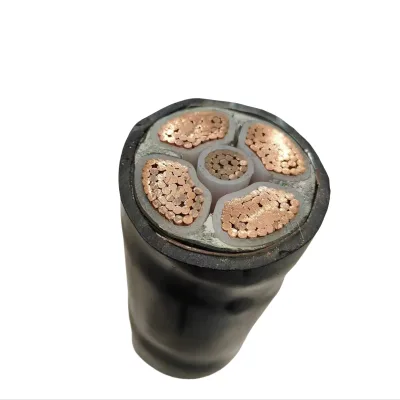
Fireproof Fire Resistance Insulation Underground Electric Wire Power Cable
$1.50 - $10.00
MOQ: 500 Meters


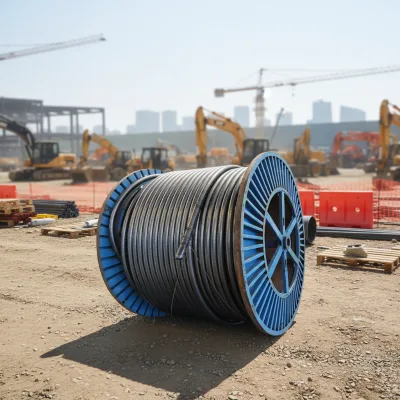
Low Voltage Underwater Cables Electrical Power Waterproof Cable for Industrial
$1.7623 - $1.9687
MOQ: 100 meters
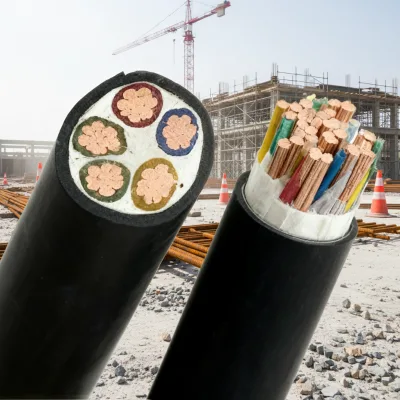
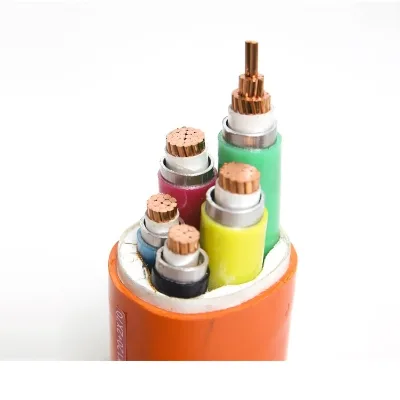
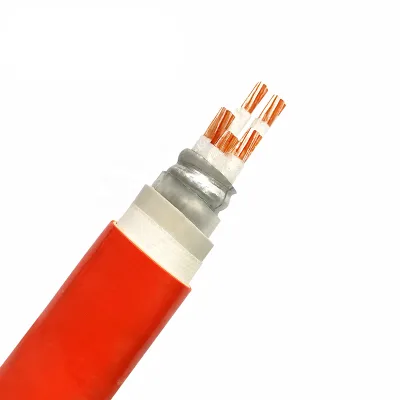
Low Voltage Fire Resistant Power Cable Halogen Free for Public Building and Tunnel
$1.7458 - $1.9523
MOQ: 100 meters
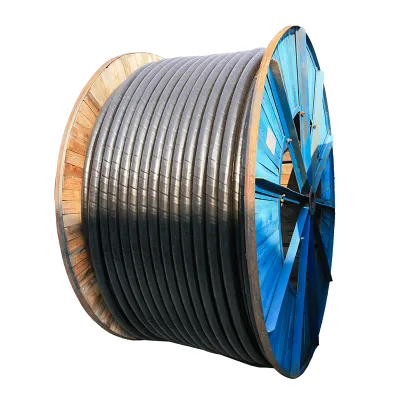
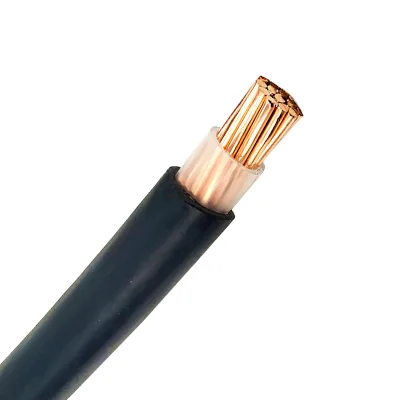
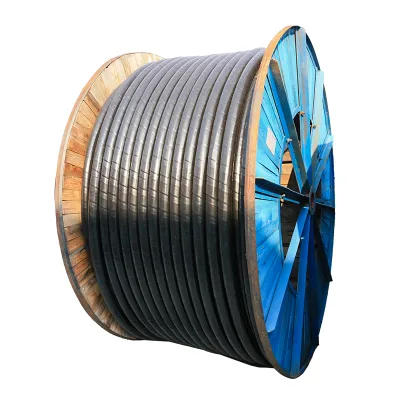


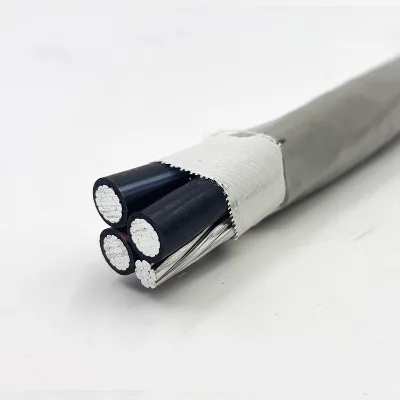
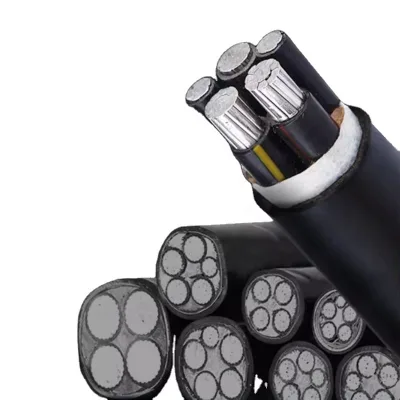
Underground Aluminium Core Fire Resistant Cable and Insulated Power Cable
$1.00 - $100.00
MOQ: 1 Kilometer






Comprehensive Sourcing Guide
Low Voltage Underground Fireproof Cable Sourcing Guide
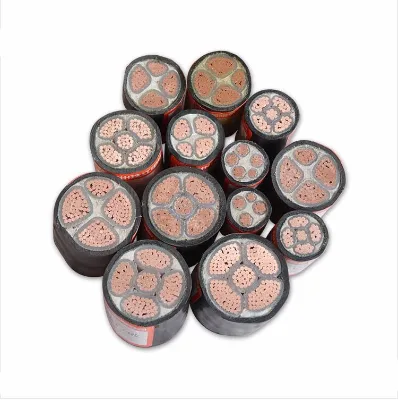
Procuring low voltage underground fireproof cables requires a disciplined approach to material verification and application matching. Buyers must prioritize cables with XLPE insulation and PVC sheathing, as these materials provide the necessary thermal stability and moisture resistance for subterranean environments. The observed product range includes stranded conductors in aluminum or copper, which directly influence conductivity and mechanical flexibility. Understanding these material distinctions is critical for ensuring the cable can withstand the physical stresses of underground installation while maintaining electrical integrity over its service life.
The market offers a diverse array of models, including VV, YJV, and their armored variants, each suited for different load and protection requirements. Sourcing teams should verify that the selected cable meets specific voltage ratings, typically ranging from low to medium voltage applications, to ensure compatibility with existing infrastructure. Additionally, the availability of customization options allows buyers to tailor specifications to unique project needs, such as specific cross-sectional areas from 10mm² to 800mm². This flexibility ensures that the procurement strategy aligns precisely with the engineering demands of the construction or industrial site.
Product Scope and Observed Listing Signals
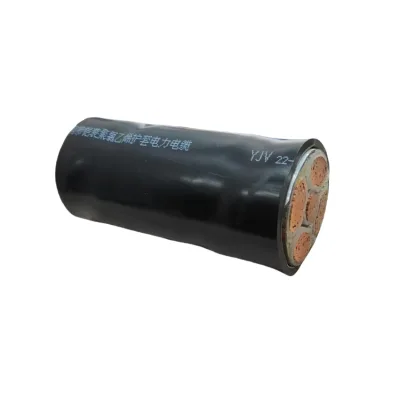
The current market landscape for low voltage underground cables features a wide spectrum of product models, prominently including VV, YJV, VLV, and armored versions like VV22 and YJV32. These designations indicate variations in insulation and sheath materials, which are crucial for determining fire resistance and mechanical protection. Buyers should observe that listings often highlight flame retardant properties, a key requirement for fireproof applications in confined or high-risk areas. The presence of these specific model codes helps narrow down the search to cables that meet the fundamental structural and safety criteria for underground deployment.
Observed listing signals also reveal a strong emphasis on export experience and global reach, with suppliers frequently citing destinations such as Southeast Asia, South America, and Africa. This geographic diversity suggests that the products are designed to withstand varied environmental conditions and regulatory environments. Furthermore, the availability of free samples and OEM services indicates a mature supply chain capable of supporting both small-scale verification and large-scale customized orders. Buyers should leverage these signals to identify suppliers who are not only technically competent but also experienced in handling international logistics and client-specific requirements.
Technical Specifications to Verify
Technical verification must begin with the conductor type and material, as stranded copper or aluminum conductors offer different flexibility and conductivity profiles. Buyers should confirm that the insulation material is XLPE, which provides superior thermal and electrical performance compared to standard PVC insulation. The sheath material, often PVC or crosslinked variants, plays a vital role in protecting the cable from moisture, chemicals, and physical damage in underground settings. Ensuring that these core material specifications are met is essential for preventing premature failure and maintaining the fireproof characteristics of the cable under stress.
Cross-sectional area specifications are another critical technical parameter, with observed ranges extending from 10mm² up to 800mm². Buyers must match these sizes to the expected current load and voltage drop requirements of their specific application. Additionally, the cable’s ability to handle both DC and AC currents should be verified, especially for applications involving power stations or industrial machinery. The standard underground 600V rating observed in some listings provides a baseline, but buyers should always confirm that the selected cable meets the specific voltage and current demands of their project to ensure safe and efficient operation.
Compliance and Safety Documentation
Compliance with international standards is non-negotiable for underground fireproof cables, given the safety risks associated with electrical failures in confined spaces. Buyers should verify that suppliers hold relevant certifications such as CE, ISO, RoHS, VDE, and CCC, which indicate adherence to rigorous quality and safety protocols. The presence of SGS standards in some listings further suggests that independent testing has been conducted to validate product performance. These certifications serve as a primary indicator of a supplier’s commitment to quality and their ability to produce cables that meet global safety benchmarks.
In addition to certifications, buyers must ensure that the cables comply with specific regional standards such as IEC, BS, ASTM, GB, and DIN, depending on the project location. The observed standard GB/T 12527-2008 provides a reference point for aluminum conductor cables, but buyers should confirm that the supplier can provide documentation for other applicable standards. Flame retardant properties should be explicitly documented, as this is a key requirement for fireproof applications. Requesting test reports and compliance certificates from the supplier is a critical step in mitigating risk and ensuring that the installed cables meet all regulatory requirements.
Cost Drivers and Commercial Terms
Cost drivers for low voltage underground cables are primarily influenced by the conductor material, with copper typically commanding a higher price than aluminum due to its superior conductivity and durability. The cross-sectional area also plays a significant role, as larger cables require more raw materials and complex manufacturing processes. Buyers should be aware that customization options, such as specific sheath colors or packaging requirements, may incur additional costs. Understanding these variables allows procurement teams to budget accurately and negotiate effectively with suppliers based on the specific technical requirements of their project.
Commercial terms often include flexible packaging options, such as wooden drums or rolling coils, which can impact logistics and handling costs. The observed MOQ range of 1 to 1000 units provides flexibility for both small and large orders, but buyers should clarify lead times and shipping terms early in the negotiation process. Export experience in regions like Indonesia and Australia suggests that suppliers are familiar with international shipping requirements, which can help streamline the procurement process. Buyers should also inquire about sample availability, as free samples can reduce the risk of ordering incorrect specifications and help validate the supplier’s quality before committing to a large purchase.
Supplier Qualification and Quality Control
Supplier qualification should focus on production experience and quality management systems, with many observed suppliers citing 15 years of experience in the industry. This longevity often correlates with established quality control processes and a deeper understanding of market demands. Buyers should verify that the supplier has a robust OEM capability, indicating their ability to produce customized products to specific client requirements. Additionally, the presence of multiple certifications suggests a mature quality management system that can consistently produce cables meeting international standards.
Quality control checks should include verification of raw material sources and manufacturing processes to ensure consistency in insulation and sheath materials. Buyers should request evidence of routine testing, such as electrical performance tests and mechanical strength assessments, to validate the supplier’s quality claims. The observed export experience to diverse markets like South America and the Middle East indicates that the supplier’s products have passed various regulatory hurdles, which is a positive indicator of quality. Establishing a clear communication channel for quality assurance issues is essential for maintaining product integrity throughout the supply chain.
Long-Term Procurement Checks
Long-term procurement success depends on establishing a reliable supply chain that can adapt to changing project requirements and market conditions. Buyers should regularly review supplier performance metrics, including on-time delivery rates and product quality consistency, to ensure ongoing reliability. The ability of the supplier to provide continuous support, such as technical assistance and after-sales service, is crucial for addressing any issues that may arise during installation or operation. Building a strong relationship with qualified suppliers can lead to better pricing, priority service, and access to new product innovations.
Additionally, buyers should stay informed about evolving industry standards and technological advancements in cable manufacturing to ensure that their procurement strategy remains competitive. Regular audits of supplier facilities and quality control processes can help identify potential risks and opportunities for improvement. The observed trend towards customization and diverse application support suggests that suppliers are increasingly responsive to client needs, which buyers should leverage to optimize their procurement outcomes. By maintaining a proactive approach to supplier management, buyers can ensure a steady supply of high-quality low voltage underground fireproof cables for their projects.
FAQs
What certifications are available for Low Voltage Underground Fireproof Cable?
Available certifications include CE, ISO, RoHS, UL, VDE, and CCC. These standards ensure compliance with international safety and quality requirements. Buyers can select cables based on specific regional regulatory needs. The manufacturer holds 15 years of production experience, ensuring consistent quality across all certified product lines for global distribution.
Which conductor materials are used in these power cables?
The cables utilize either aluminum or copper stranded conductors. This flexibility allows buyers to choose based on conductivity needs and budget constraints. Both materials are suitable for low and medium voltage applications. The stranded design enhances flexibility, making installation easier in complex underground or overhead environments while maintaining electrical performance.
Can I customize the packaging for bulk orders?
Yes, customization is available for packaging requirements. Options include wooden drums, rolling drums, wooden-steel drums, or coils. Buyers can specify their preferred packing method to suit logistics needs. This flexibility ensures safe transport and handling of the cables, whether shipped in standard drum formats or tailored configurations for specific project requirements.
What insulation and sheath materials are used?
Insulation is typically made from XLPE (Cross-linked Polyethylene), while the sheath material is PVC. Some variants may use PE or XLPE for the sheath as well. These materials provide excellent thermal stability and flame retardant properties. The combination ensures durability and safety for underground and industrial applications, protecting the conductor from environmental damage.
What are the standard size specifications for these cables?
Standard sizes range from 10mm2 to 800mm2. Specific models include 120mm2, 150mm2, 185mm2, and 240mm2 power cables. Single conductor options are also available for 600V applications. These specifications cover a wide range of current-carrying capacities, allowing buyers to select the exact cross-sectional area needed for their power distribution systems.
Where are these cables manufactured and exported?
The cables are manufactured in Henan, China. Exports have been successfully delivered to Indonesia, Philippines, Australia, South Africa, South America, and the Middle East. This global reach demonstrates the product's reliability and compliance with international standards. Buyers can rely on established logistics channels for timely delivery to various international markets.