Source Himalayan Salt Exfoliating Body and Face Scrub for Body, Face, and Foot
Find 30 verified options for Himalayan Salt Exfoliating Body and Face Scrub with customizable packaging and OEM services. Compare specifications including herbal ingredients, fruit scents, and various standard weights from Chinese manufacturers.
Key considerations
Products List


OEM Deep Cleansing Exfoliating Moisturize Skin Himalayan Salt Body Scrub
$2.52 - $2.98
MOQ: 3000 Pieces


OEM Premium Natural Exfoliating Smoothen Skin Himalayan Salt Body Scrub
$1.70 - $2.50
MOQ: 3000 Pieces


100% Natural Hydrating and Exfoliating Himalayan Salt Body Scrub for Acne Prone
$2.82 - $3.00
MOQ: 3000 Pieces


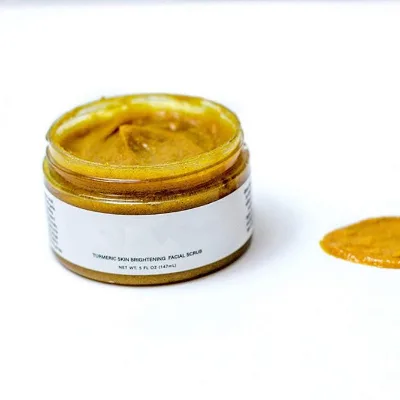
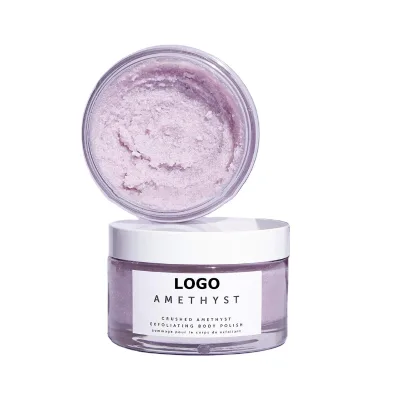
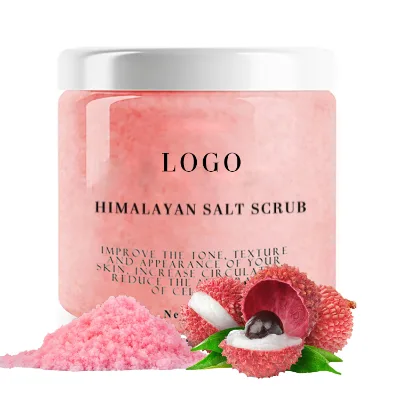


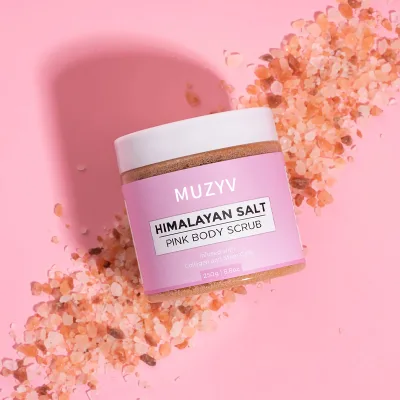
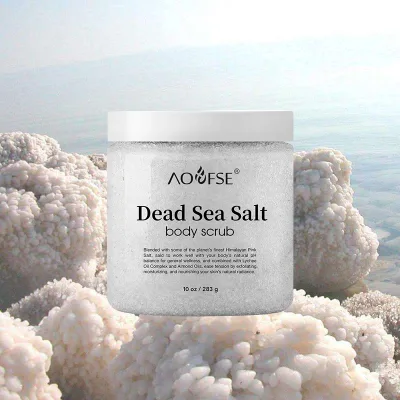
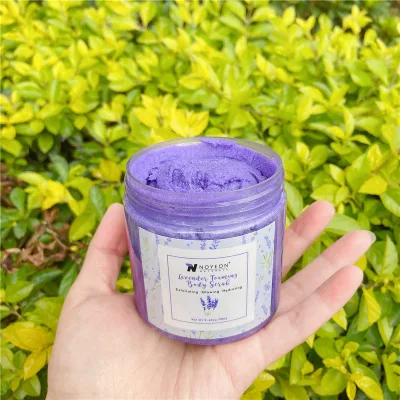
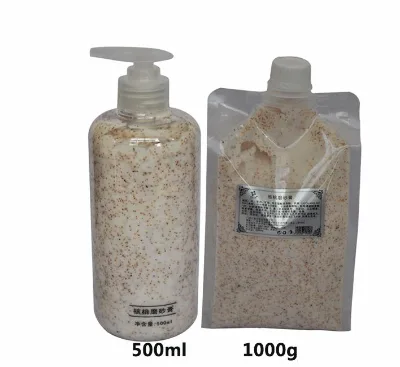
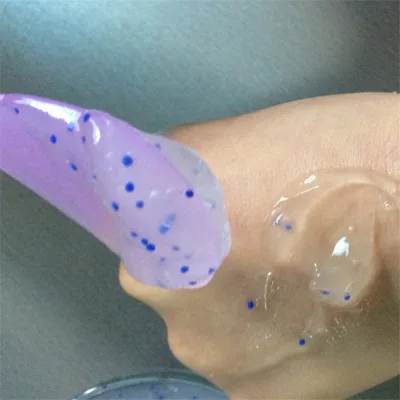


Comprehensive Sourcing Guide
Sourcing Guide for Himalayan Salt Exfoliating Body and Face Scrubs
Understanding Product Specifications and Formulation Variability
When sourcing Himalayan salt exfoliating body and face scrubs, buyers must first navigate a complex landscape of product specifications that vary significantly between manufacturers. The core keyword implies a specific exfoliating agent, yet the supplied data reveals a diverse array of product models and standardizations. For instance, specific product models identified in the market include designations such as "BS," "OBS," "MBM79," and various "Body Scrub" iterations like "Body Scrub 01," "Body Scrub 02," "Body Scrub 05," "Body Scrub 07," and "Body Scrub 10." These alphanumeric codes often correspond to distinct formulations, packaging sizes, or target demographics rather than a single uniform product.
The physical specifications of these scrubs are equally varied. While the core concept involves salt-based exfoliation, the supplied facts indicate that raw materials can range from "Mineral Salt" to "Herbal" ingredients, with some formulations explicitly requesting "100% Natural Vegan Organic" status. The presence of specific active ingredients such as Vitamin C (Vc), Vitamin E (Ve), Collagen, and Hyaluronic Acid suggests that many of these scrubs are not merely mechanical exfoliants but are also designed for anti-aging, whitening, and moisturizing benefits. This dual functionality is critical for buyers to understand, as it differentiates a basic salt scrub from a multi-functional skincare treatment.
Packaging and dimensions also present a wide spectrum of options. Standard packaging can be customized by customers, with some listings specifying "Cartons" as the primary shipping unit, while others note "Customer Requirements" for bespoke packaging solutions. The physical dimensions of the product units themselves vary, with one observed standard size listed as 6.86.86, likely representing centimeters or inches depending on the specific manufacturer's convention. Furthermore, the weight standards for individual units are not uniform; observed standards include 340g, 283g, 220g, 250g, and 100ml. This variability means that a buyer cannot assume a standard unit weight when negotiating contracts or calculating logistics costs. The "Qty/CTN" (Quantity per Carton) is another logistical variable, with specific listings noting 48 units per carton, which is essential for inventory planning and shipping container optimization.
Compliance, Certifications, and Regulatory Standards
Navigating the regulatory landscape for body and face scrubs requires rigorous verification of certifications and standards. The supplied data highlights several critical certifications that serve as indicators of manufacturing quality and safety. Key certifications observed in the market include GMPC (Good Manufacturing Practice for Cosmetics), ISO22716 (International Standard for Cosmetics Good Manufacturing Practice), and Sedex, which addresses ethical trade practices. Additionally, some product listings reference FDA, ISO, and CE certifications, suggesting that certain manufacturers adhere to standards required for the US, European, and broader international markets.
However, buyers must exercise caution and verify these claims directly with the supplier, as the presence of a certification on a product page does not guarantee that every listed product model satisfies the same standard. For example, while one product model may carry GMPC and ISO22716, another model with a different specification might only adhere to local standards. The "prod_standard" field in the data shows weight-based standards (e.g., 340g, 283g) rather than regulatory standards, which can be confusing. Buyers should clarify whether these weight figures represent net content or if they are part of a specific product code.
The origin of the products is another critical compliance factor. The supplied facts indicate that the primary production locations are in China, with a specific mention of Guangdong as a manufacturing hub. Guangdong is a major center for cosmetics manufacturing, but buyers must ensure that the specific factory holds the necessary export licenses and that the products comply with the regulations of the destination market. For instance, if importing into the United States, the FDA registration of the facility and the listing of ingredients are mandatory. In the European Union, compliance with the EU Cosmetics Regulation (EC) No 1223/2009 is required, which involves a Product Information File (PIF) and a Safety Assessment.
Buyers should also verify the "Manufacture Date" and "Shelf Life" to ensure product freshness upon arrival. The data indicates a shelf life of 3 years for some products, while the manufacture date can range from 7 to 20 days after order placement. This short lead time for production suggests a responsive supply chain, but it also means that buyers must plan their inventory carefully to avoid stockouts. The "Sample Lead Time" is noted as 3-5 days, which is advantageous for quality control testing before placing large orders.
Cost Drivers and Pricing Dynamics
The pricing structure for Himalayan salt exfoliating scrubs is influenced by several factors, including customization, certification, and order volume. The observed price range in the market spans from $0.39 to $22 USD, a significant variance that reflects differences in formulation complexity, packaging quality, and brand positioning. The lower end of the spectrum likely corresponds to basic formulations with minimal customization and standard packaging, while the higher end may include premium ingredients like organic extracts, advanced active compounds (e.g., Collagen, Hyaluronic Acid), and bespoke packaging solutions.
Minimum Order Quantity (MOQ) is a primary driver of unit cost. The data shows an MOQ range from 1 to 3000 units. A low MOQ of 1 unit might be available for sample orders or small boutique purchases, but the unit price will be significantly higher. Conversely, larger orders with an MOQ of 100 or more units, such as the specific "100PCS" MOQ noted in the data, typically benefit from economies of scale, resulting in a lower per-unit cost. Buyers should negotiate based on their projected volume, keeping in mind that some suppliers may offer "Factory Price" incentives for bulk purchases.
Customization is another major cost factor. The data explicitly states that customization is available for age groups, functions, and packaging. Products tailored for specific demographics, such as "Adults," "Above 3 Years Old," or "Baby Skin Care Products," may incur additional costs due to the need for specialized formulations and safety testing. For example, baby skincare products require stricter safety standards and often involve more rigorous testing, which can increase the overall cost. Similarly, custom packaging solutions, such as specific carton sizes or branded bottles, will add to the production cost compared to standard off-the-shelf options.
The "Service" type offered by the supplier also impacts pricing. Suppliers offering "Distributor or Wholesaler" services may have different pricing structures compared to those providing "OEM ODM" (Original Equipment Manufacturer/Original Design Manufacturer) services. OEM/ODM services involve the supplier manufacturing products based on the buyer's design or formulation, which typically commands a higher price due to the intellectual property and development costs involved. Buyers should clearly define their service requirements to avoid unexpected costs.
Typical Applications and Target Demographics
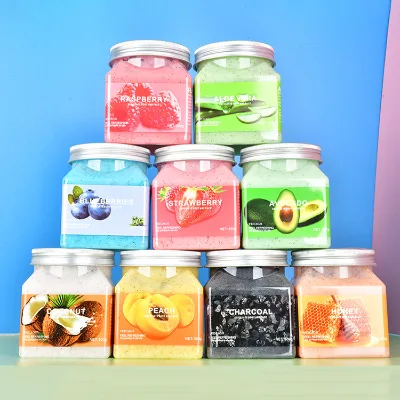
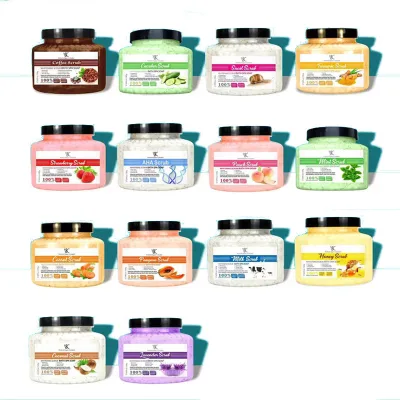
Himalayan salt exfoliating scrubs serve a wide range of applications, catering to different body parts and skin types. The supplied data indicates that these products are designed for use on the "Body," "Face," and "Feet," highlighting their versatility. The primary function of these scrubs is "Exfoliating," but many also offer additional benefits such as "Anti-Aging," "Acne/Blemish Control," "Whitening," and "Moisturizing." This multifunctionality makes them suitable for various skincare routines, from daily body care to targeted facial treatments.
The target demographics are equally diverse. The data lists "Adults," "Above 3 Years Old," and "Baby Skin Care Products" as distinct age groups. This suggests that manufacturers produce formulations specifically for children and infants, which require milder ingredients and stricter safety protocols. For adults, the focus is often on anti-aging and blemish control, with ingredients like Vitamin C, Vitamin E, and Collagen playing a key role. The "Unisex" gender classification indicates that these products are generally suitable for all genders, though marketing strategies may vary.
The scent profile is another important application factor. The data mentions "Fruit Scent" as a common attribute, which can enhance the user experience and make the product more appealing. However, buyers should be aware that some customers may prefer unscented or herbal scents, especially for sensitive skin types. The "Herbal" ingredient classification suggests that some products may contain plant-based extracts, which can offer additional therapeutic benefits.
Supplier Evaluation and Selection Criteria
Selecting the right supplier is crucial for ensuring product quality and supply chain reliability. Buyers should evaluate suppliers based on several key criteria, including their manufacturing capabilities, certification status, and service offerings. The data indicates that many suppliers are located in China, particularly in Guangdong, which is a hub for cosmetics manufacturing. Buyers should verify the specific factory location and capacity to ensure they can meet their volume requirements.
Certifications are a primary indicator of supplier reliability. As noted earlier, GMPC, ISO22716, Sedex, FDA, ISO, and CE certifications are common. Buyers should request copies of these certificates and verify their validity with the issuing bodies. Additionally, buyers should inquire about the supplier's quality control processes, including how they handle raw material sourcing, production monitoring, and final product testing.
Service offerings are another important consideration. Suppliers that provide "OEM ODM" services can help buyers create unique products that stand out in the market. Buyers should assess the supplier's ability to customize formulations, packaging, and branding to meet their specific needs. The "Sample Lead Time" of 3-5 days is a positive indicator of a responsive supplier, allowing buyers to test products quickly before committing to large orders.
Buyers should also consider the supplier's experience with international trade. Given the global nature of the cosmetics market, suppliers should have experience exporting to various regions and understanding the regulatory requirements of different countries. The "Service" type, such as "Distributor or Wholesaler," can also provide insights into the supplier's business model and their ability to support long-term partnerships.
Quality Control and Long-Term Procurement Considerations
Ensuring consistent product quality is essential for maintaining brand reputation and customer satisfaction. Buyers should implement a robust quality control (QC) process that includes pre-production sampling, in-process monitoring, and final product inspection. The "Sample Lead Time" of 3-5 days allows for efficient sampling, but buyers should also consider conducting third-party testing to verify claims such as "100% Natural Vegan Organic" or the presence of specific active ingredients like Hyaluronic Acid.
Long-term procurement considerations involve building a sustainable supply chain that can adapt to changing market demands. Buyers should establish clear communication channels with their suppliers to ensure timely updates on production schedules, inventory levels, and any potential disruptions. The "Shelf Life" of 3 years provides a buffer for inventory management, but buyers should still monitor stock levels to avoid expiration issues.
The "Manufacture Date" range of 7-20 days suggests that production can be rapid, but buyers should plan for potential delays due to raw material shortages or regulatory changes. Regular audits of the supplier's facilities can help identify areas for improvement and ensure compliance with quality standards. Additionally, buyers should consider the environmental impact of their procurement decisions, especially if they are marketing products as "Vegan" or "Organic."
In conclusion, sourcing Himalayan salt exfoliating body and face scrubs requires a thorough understanding of product specifications, compliance requirements, cost drivers, and supplier capabilities. By carefully evaluating these factors, buyers can build a reliable supply chain that delivers high-quality products to their customers. The diverse range of product models, certifications, and customization options available in the market provides ample opportunities for buyers to find suppliers that meet their specific needs.
FAQs
What certifications do Himalayan salt scrub manufacturers hold?
Many manufacturers hold GMPC, ISO22716, Sedex, FDA, and CE certifications. Buyers must verify that specific product models carry these standards, as certifications may vary between different formulations and production batches.
How long is the sample lead time for these scrubs?
The sample lead time is typically 3 to 5 days. This short duration allows buyers to quickly test product quality and formulation before committing to larger production orders or bulk shipments.
Which raw materials are used in these exfoliating scrubs?
Raw materials often include mineral salt, herbal ingredients, and active compounds like Vitamin C, Vitamin E, Collagen, and Hyaluronic Acid. Some formulations also request 100% natural, vegan, and organic status.
Can buyers customize the packaging for these body scrubs?
Yes, customization is available for packaging, including cartons and customer-specific requirements. Buyers can request bespoke solutions, though this may affect the final unit price and production timeline.
What is the minimum order quantity for these products?
The minimum order quantity ranges from 1 to 3000 units depending on the supplier and product model. Specific listings may require a minimum of 100 pieces, with lower MOQs often costing more per unit.
Where are these Himalayan salt scrubs manufactured?
Products are primarily manufactured in China, with a specific concentration in the Guangdong region. Buyers should verify factory locations to ensure compliance with export regulations and quality standards.
What is the shelf life of these skincare products?
The shelf life is typically 3 years for these skincare products. Buyers should check the manufacture date, which can range from 7 to 20 days after order placement, to ensure freshness upon arrival.