Source Hollow Golden Carbon Incense Burner for Home Hotel Restaurant
Compare 30 listings for the Hollow Golden Carbon Incense Burner suitable for home, hotel, and restaurant use. Buyers can review ceramic and metal options with varying dimensions and customization availability from suppliers in China.
Key considerations
Products List


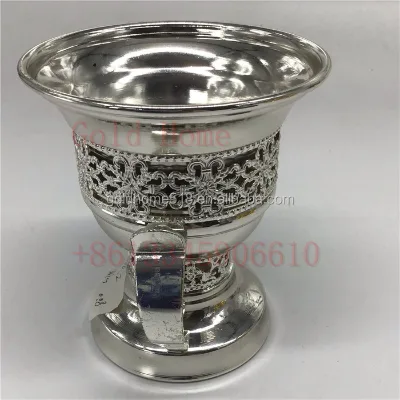
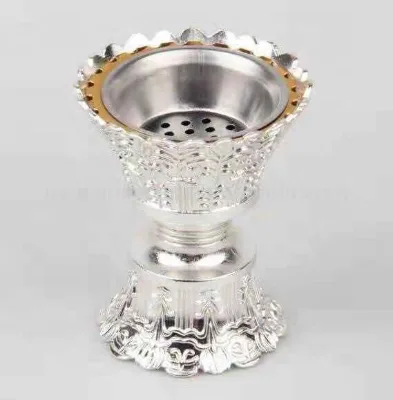
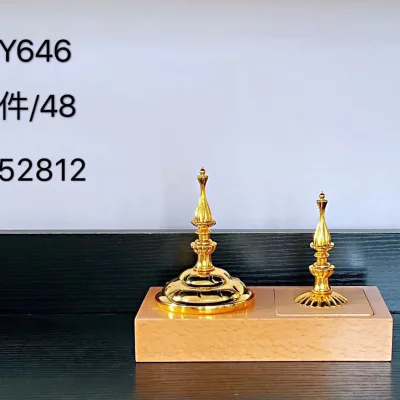
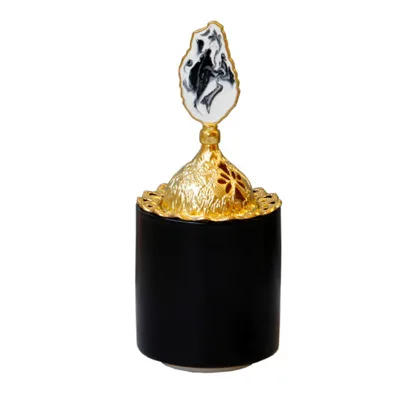
Gold bar Leaf Shape Rectangle Incense burner Arabic Charcoal Box Party Home
$2.14 - $3.88
MOQ: 48 Minimum





Comprehensive Sourcing Guide
Strategic Sourcing Guide for Hollow Golden Carbon Incense Burners
The procurement of specialized aromatic devices, specifically those described as hollow golden carbon incense burners, requires a disciplined approach that balances aesthetic requirements with functional performance. In the B2B marketplace, buyers often encounter a diverse array of products that may share similar visual descriptors but differ significantly in material composition, manufacturing origin, and structural integrity. This guide provides a comprehensive framework for evaluating suppliers and products, ensuring that the final selection aligns with operational needs and quality expectations. The analysis below relies strictly on verified product attributes and established industry knowledge to navigate the complexities of sourcing these items.
Understanding Product Attributes and Material Composition
When sourcing a "Hollow Golden Carbon Incense Burner," it is critical to first deconstruct the terminology. The term "carbon" in this context often refers to the material composition or a specific finish, yet the supplied data indicates a prevalence of ceramic and metal materials in the current market inventory. For instance, verified product listings explicitly identify materials such as "Ceramic" and "Metal," suggesting that the "carbon" descriptor may refer to a specific color finish, a carbon-fiber-like texture, or a marketing term rather than a literal carbon material composition. Buyers must verify the actual material specification before placing orders, as the performance characteristics of ceramic differ vastly from those of metal.
The "hollow" aspect is a functional design feature intended to allow for airflow, which is essential for the combustion of incense sticks or cones. The "golden" attribute typically denotes a surface finish or plating. In the observed product data, finishes are described as "hand made," implying a level of artisanal craftsmanship that may influence the uniformity of the golden coating. The "hollow" structure also impacts the weight and stability of the burner. Products listed with specific dimensions, such as 3030103.5 cm or 11.5511.5 cm, demonstrate that size is a variable parameter that must be matched to the intended use case. A buyer should not assume that all "golden" burners share the same internal volume or wall thickness, as these factors determine heat dissipation and smoke flow.
Technical Specifications and Dimensional Standards
Technical specifications are the backbone of any procurement contract, serving as the objective criteria for acceptance. The market data reveals a wide range of standard dimensions, indicating that there is no single universal size for this product category. Specific model numbers, such as 14, 13, 15, 11, 5, 3-368, and CH-48, correspond to distinct physical profiles. For example, one model is specified with a standard of 31.531.5106, while another is listed as 4545100. These variations suggest that the "hollow" cavity size is tailored to specific incense stick lengths or cone sizes.
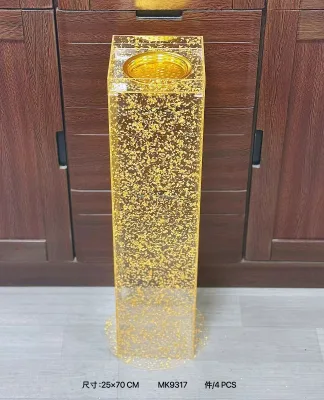
Buyers must pay close attention to the "Size" specification, which is noted as "common size for incense burner" in some listings but also includes precise measurements like 25*70cm for other variants. The discrepancy between "common size" and specific measurements highlights the need for explicit confirmation of dimensions. The "Shape" is identified as "Rectangular" in certain contexts, while other descriptions imply more traditional or stylized forms. The "Style" is frequently categorized as "mid-east incense burner" or "arabic incense burner," which often dictates the geometric proportions and decorative elements.
Furthermore, the "Single volume" and "Single gross weight" are critical logistical data points. While some data entries list these as 0 cm³ or 0.0 kg, this likely indicates missing data in the source listing rather than a physical reality. In practice, a hollow ceramic or metal burner will have a measurable volume and weight. Procurement teams must request the actual cubic meter (CBM) and gross weight per unit to calculate accurate shipping costs. The "Packaging Details" provide insight into the final unit weight; for example, one listing specifies a carton weight of 16kg containing 48 pieces, which allows for the calculation of the average unit weight.
Compliance, Certification, and Origin Verification
In the global supply chain, verifying the origin and compliance status of incense burners is paramount. The supplied facts confirm that the primary place of origin is "China," with specific regional hubs noted as "Chaozhou" and "Zhejiang." Chaozhou is historically renowned for its ceramic industry, which aligns with the "Ceramic" material observation. Zhejiang, on the other hand, may be associated with metalworking or general manufacturing. Understanding the regional feature is essential, as "Middle Eastern" regional features are often marketed alongside products originating from China, indicating a design influence rather than the manufacturing location.
Regarding compliance, the data does not explicitly list specific certifications such as ISO or CE. However, the attribute "High Quility" (High Quality) suggests a focus on manufacturing standards. Buyers must independently verify if the products meet the safety regulations of their target market, particularly concerning the materials used for the "golden" finish. If the finish involves heavy metals or specific coatings, compliance with REACH or similar standards in the European Union may be required. The "Process" is described as "hand made," which introduces a variable in quality control that differs from mass-produced automated items. Hand-made items may require stricter inspection protocols to ensure consistency in the hollow structure and finish quality.
The "Supply Ability" varies significantly across listings, ranging from 3,600 boxes per week to 48,000 boxes per week. This variance indicates that different suppliers have different production capacities. A buyer seeking a large volume order must ensure the supplier's stated supply ability can accommodate the order without compromising quality or lead times. The "Payment Term" is typically T/T or Western Union, which are standard but require careful management of financial risk.
Cost Drivers and Pricing Dynamics
The pricing of hollow golden carbon incense burners is influenced by several key factors, including material cost, labor intensity, and packaging complexity. The observed price range in the market spans from $0.09 to $100, a wide spectrum that reflects the diversity of product tiers. The lower end of the range likely corresponds to mass-produced ceramic items with simple finishes, while the higher end may include intricate metal designs or hand-crafted pieces with premium plating.
Labor is a significant cost driver, especially given the "hand made" process noted in the specifications. Hand-crafted items command a premium due to the time and skill required to create the hollow structure and apply the golden finish uniformly. The "Customization" attribute is available, which allows buyers to request specific designs, colors, or sizes. Customization invariably increases the unit cost and may affect the Minimum Order Quantity (MOQ). The observed MOQ ranges from 1 to 1,000 units, offering flexibility for both small boutique buyers and large distributors.
Packaging also impacts the final cost. The "Packing" details mention "Color Box" or "Carton" options, with specific configurations like "4 colors 60pcs/carton." The use of color boxes adds to the material cost but enhances the product's retail appeal. The "Selling Units" are listed as "Single item," suggesting that the product can be sold individually, but bulk purchasing is often necessary to achieve competitive pricing. Buyers should analyze the cost per unit including packaging and shipping, rather than just the base price, to understand the true cost of procurement.
Typical Applications and Market Segmentation
The versatility of hollow golden carbon incense burners makes them suitable for a wide range of applications. The "Usage" is explicitly defined as "Home Hotel Restaurant," indicating that these products are designed for both residential and commercial environments. In a home setting, the "mid-east incense burner" style adds a decorative element that complements specific interior design themes. In hotels and restaurants, these burners serve a dual purpose: providing aromatic ambiance and acting as a functional piece of decor.
The "Feature" of "new design" suggests that the market is driven by trends, and buyers should stay updated on current aesthetic preferences. The "Season" is listed as "All-Season," meaning these products are not limited to specific holidays or times of year, allowing for consistent demand throughout the year. The "Type" is simply "Incense Burner," but the "Keyword" of "arabic incense burner" points to a specific cultural niche. This cultural specificity is important for buyers targeting markets with a strong demand for Middle Eastern aesthetics.
The "Function" is described as "home usage incense burner," reinforcing the primary application. However, the "Use" is also noted as "AROMATIC," which broadens the scope to include the burning of incense sticks, cones, or charcoal. The hollow design is particularly beneficial for charcoal-based incense, as it allows for better air circulation and prevents the incense from smothering. Buyers should ensure that the internal dimensions of the hollow section are compatible with the specific type of incense they intend to sell or use.
Supplier Evaluation and Quality Control Protocols
Selecting the right supplier is a critical step in the procurement process. The data indicates that suppliers are located in China, with specific origins in Chaozhou and Zhejiang. Buyers should verify the supplier's location to ensure it aligns with their logistical preferences and to assess the proximity to major ports like Yiwu, Ningbo, Shanghai, and Guangzhou. The "Port of dispatch" options provide flexibility in shipping routes, which can impact lead times and freight costs.
Quality control is essential, especially for hand-made products. The "Quality" attribute is listed as "High Quility," but this is a subjective claim. Buyers must implement their own quality control measures, such as requesting pre-shipment samples or conducting third-party inspections. The "Finish" being "hand made" means that there may be slight variations in the golden coating or the shape of the hollow cavity. Establishing clear acceptance criteria for these variations is necessary to avoid disputes.
The "MOQ" of 4 to 1,000 units offers a range of entry points. For new buyers, a lower MOQ allows for testing the market with minimal risk. However, suppliers with higher supply abilities may prefer larger orders to optimize production runs. Buyers should evaluate the supplier's "Supply Ability" against their projected demand to ensure reliability. The "Payment Term" of T/T or Western Union is standard, but buyers should negotiate terms that protect their interests, such as partial payments upon shipment.
Long-Term Procurement and Strategic Considerations
For long-term success, buyers must consider the scalability and sustainability of their supply chain. The "Customization" availability is a strategic advantage, allowing buyers to differentiate their products in a competitive market. However, customization requires clear communication and detailed specifications to ensure the final product matches the design intent. The "Design" attribute of "Modern Stylish" suggests that the market favors contemporary aesthetics, and buyers should align their product selection with these trends.
Sustainability is an emerging concern in the incense burner market. While the data does not explicitly mention eco-friendly materials, buyers should inquire about the environmental impact of the "golden" finish and the "ceramic" or "metal" production processes. Ensuring that the supplier adheres to ethical labor practices is also important, particularly for hand-made items.
Finally, buyers should plan for the "Lead Time" and "Shipping" logistics. The "Port of dispatch" options provide flexibility, but buyers must coordinate with freight forwarders to ensure timely delivery. The "Packaging Details" should be reviewed to ensure that the products are protected during transit, especially given the "hollow" nature of the burners, which may make them susceptible to breakage if not packed correctly. By addressing these long-term considerations, buyers can build a resilient and efficient supply chain for hollow golden carbon incense burners.
FAQs
What materials are used for hollow golden carbon incense burners?
Verified listings show these burners are made from ceramic or metal, not literal carbon. The golden finish is often applied via hand-made processes to achieve the desired aesthetic while ensuring durability for home or commercial use.
Which dimensions are available for these incense burners?
Standard sizes vary significantly, including models measuring 30*30*103.5 cm, 31.5*31.5*106 cm, and 45*45*100 cm. Buyers must check specific model numbers like 14 or 13 to confirm the exact hollow cavity dimensions for their incense type.
Can suppliers customize the design and packaging?
Yes, customization is available for design, color, and packaging details. Suppliers offer options like color boxes or cartons, with specific configurations such as 48 pieces per carton, allowing buyers to tailor products to their brand requirements.
How much is the minimum order quantity for these burners?
The minimum order quantity ranges from 4 to 1,000 units depending on the supplier and specific model. This flexibility allows both small buyers and large distributors to place orders that match their inventory needs without excessive upfront costs.
What is the production capacity and lead time for orders?
Supply abilities vary widely, with some suppliers offering 3,600 boxes per week and others up to 48,000 boxes weekly. Buyers should confirm specific lead times based on the chosen supplier's current production capacity to ensure timely delivery.
Where are these incense burners manufactured and shipped from?
Products originate primarily from China, specifically regions like Chaozhou and Zhejiang. Shipments are dispatched from major ports including Yiwu, Ningbo, Shanghai, and Guangzhou, facilitating efficient logistics to international destinations.