Source Hollow Handle Cheese Knife Set for Catering, Retail, and Events
Explore 30 listings for the Hollow Handle Cheese Knife Set, comparing stainless steel blades, plastic and wood coating handles, and various certifications like FDA and LFGB. Buyers can evaluate models ranging from 13.3cm to 22cm total length with satin or matt polish finishes for professional and home use.
Key considerations
Products List


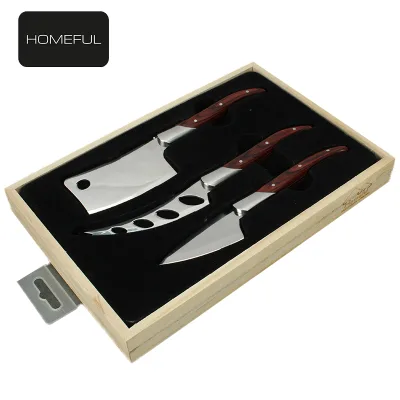
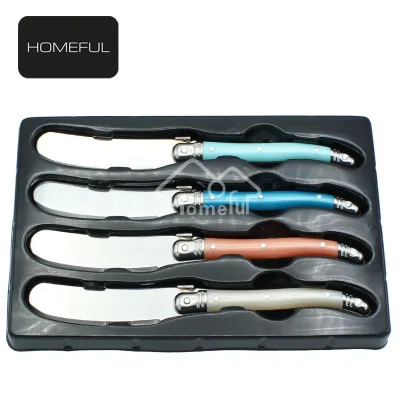
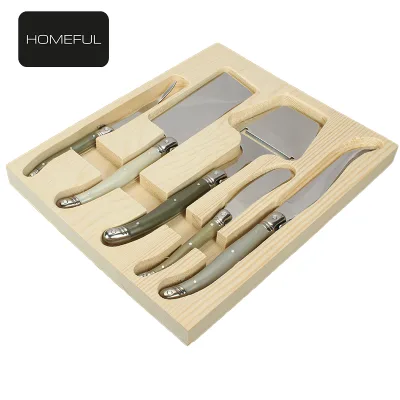
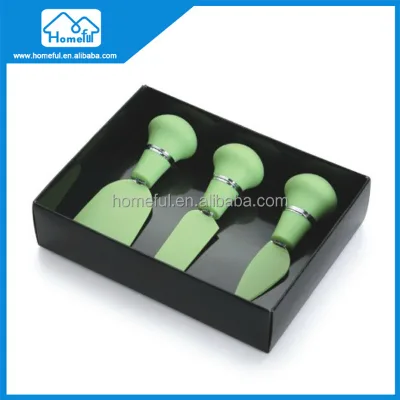
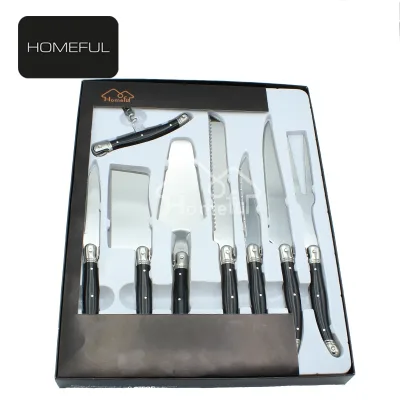

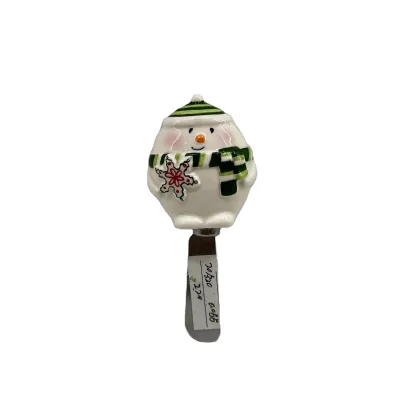
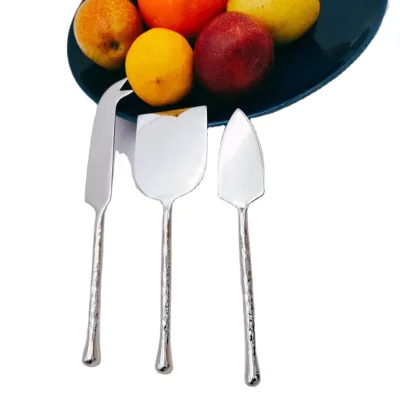


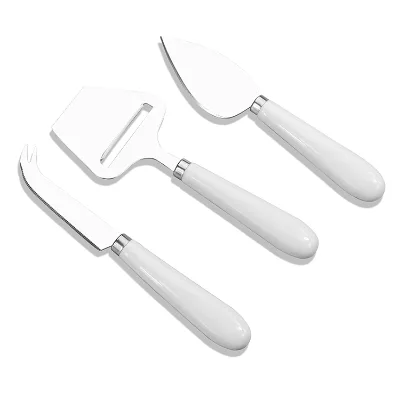
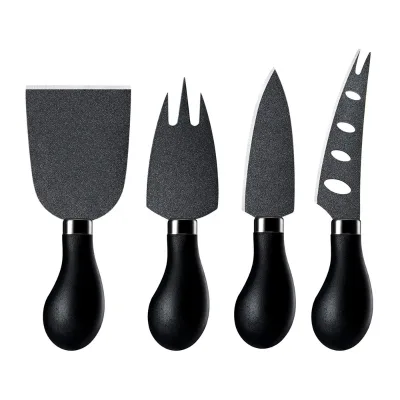
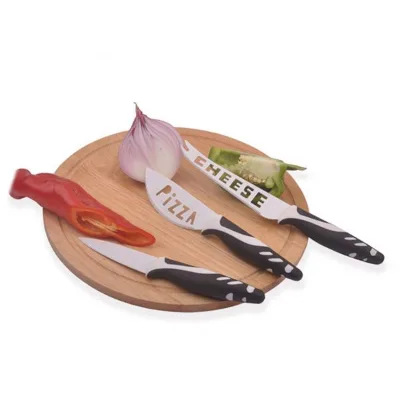
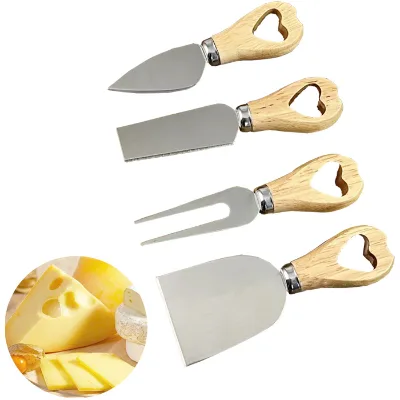
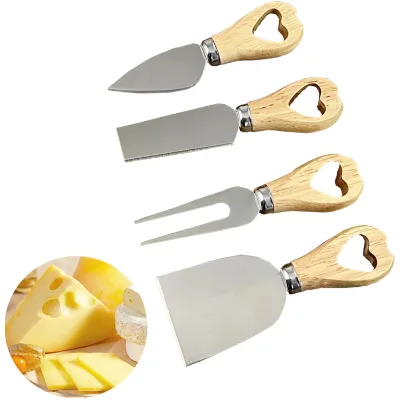

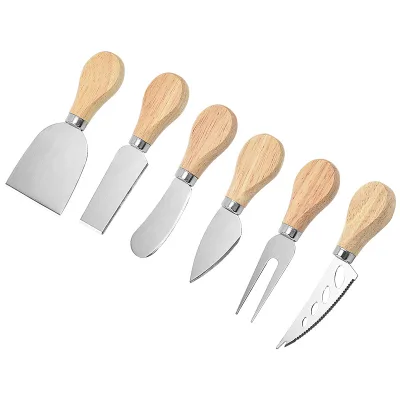
Three-Piece Cheese Knife Set with Cheese Knife Fork Butter Knife Wood Handles
$0.19 - $0.79
MOQ: 3 Minimum



Comprehensive Sourcing Guide
Strategic Sourcing Guide for Hollow Handle Cheese Knife Sets
Understanding Product Specifications and Variants
When initiating a procurement strategy for a Hollow Handle Cheese Knife Set, the buyer must first establish a precise understanding of the technical specifications that define the product category. The market offers a diverse array of configurations, ranging from standard utility models to specialized sets designed for specific culinary tasks. Based on observed market data, the core product attributes include a variety of knife types such as chef knives, bread knives, slicing knives, cleavers, and vegetable knives, though the specific focus for this guide remains on cheese knives. A critical distinction in this category is the handle design; the "hollow handle" specification often implies a specific construction method where the handle interior is empty, potentially to reduce weight or accommodate a specific aesthetic, though buyers must verify the structural integrity of this design against the material composition.
The blade material is a primary determinant of performance and longevity. The most frequently observed material for these sets is stainless steel, with specific grades such as 420 S/S noted in the market. This material choice offers a balance between corrosion resistance and edge retention, which is essential for cutting through various cheese textures without introducing metallic flavors. The blade finish is equally important; market observations indicate finishes ranging from satin polish to matt polish. A satin polish typically provides a smoother surface that may resist food adhesion better, while a matt finish offers a more rustic aesthetic. The physical dimensions of the knives vary significantly, with observed total lengths ranging from approximately 13.3 cm to 22 cm, and blade lengths specifically noted up to 15 inches for certain models.
The handle material presents another critical specification layer. While some models feature plastic handles, others utilize wood coating or metal construction. The hollow handle design often pairs with these materials, but the buyer must confirm the bonding method to ensure the handle does not separate from the blade during use. Additionally, the set composition can vary; some listings describe a "three-piece cheese knife with single steel head," while others refer to "7 piece Kitchen knife sets." The specific model numbers observed, such as CH-0075, CH-0072, KP-0489, and CW-0043, indicate that manufacturers produce distinct SKUs for different market segments. Buyers should not assume that all hollow handle sets share the same dimensions or material grade; instead, they must request detailed spec sheets for each SKU to ensure the product matches the intended application.
Compliance and Certification Verification
In the food contact equipment sector, regulatory compliance is non-negotiable. When sourcing cheese knife sets, particularly those originating from major manufacturing hubs like China, verifying that the product meets international safety standards is paramount. The observed market data indicates that suppliers often claim certifications such as FDA, LFGB, CE/EU, CIQ, and EEC. These certifications are not merely marketing terms but represent adherence to specific regulatory frameworks regarding food safety and material migration.
The FDA certification is critical for products intended for the United States market, ensuring that the materials used in the knife, including the blade, handle, and any packaging, do not leach harmful substances into food. Similarly, LFGB (Lebensmittel- und Futtermittelgesetzbuch) is the German food and feed code, which is often considered more stringent than FDA standards regarding migration limits. The CE/EU marking indicates conformity with health, safety, and environmental protection standards for products sold within the European Economic Area. It is essential for buyers to request valid test reports or certificates of compliance from the supplier rather than relying on a supplier's self-declaration. The presence of these certifications should be verified against the specific model number, as a supplier may hold certifications for one product line but not another.
Furthermore, the attribute "Can Be Used For Food Contact: Yes" is a standard claim that must be backed by documentation. Buyers should verify that the specific hollow handle design does not compromise the food safety of the product. For instance, if the hollow handle is made of plastic, it must be food-grade plastic that meets the relevant migration standards. The certification status should be checked for the specific batch or production run, as manufacturing processes can vary. The presence of certifications like CIQ (China Inspection and Quarantine) and EEC (European Economic Community) further validates the product's eligibility for export to specific regions. However, buyers must remain vigilant, as the mere mention of "CE" in background data does not guarantee compliance for every listed product; the specific certification for the hollow handle model must be confirmed.
Cost Drivers and Pricing Dynamics
The pricing structure for hollow handle cheese knife sets is influenced by a complex interplay of factors, including material costs, manufacturing complexity, and order volume. The observed price range in the market spans from $0.10 to $37.04 USD, a wide disparity that reflects differences in quality, brand positioning, and order quantity. The lower end of this spectrum typically corresponds to basic models with standard stainless steel blades and simple plastic handles, often sold in bulk with minimal packaging. Conversely, the higher price points are associated with premium sets featuring specialized blade finishes, ergonomic hollow handles, and comprehensive packaging solutions.
A significant driver of cost is the Minimum Order Quantity (MOQ). The market data shows an MOQ range from 3 to 3200 units. Suppliers with high MOQs, such as those requiring 600 units or more, often offer lower per-unit costs due to economies of scale. However, buyers with smaller volume requirements may face higher unit prices or may need to negotiate with suppliers who accept smaller orders, often at a premium. The customization of the product, including logo placement and specific handle designs, also adds to the cost. Suppliers offering "Customization: Available" services typically charge additional fees for tooling, mold creation, and the setup of custom production lines.
Packaging is another cost variable. While some products come in a "Single" package or simple "pp bag, blister card," others may require "color box" packaging or custom "Safe Package" solutions to prevent damage during transit. The complexity of the packaging design and the materials used can significantly impact the final landed cost. Additionally, the origin of the product, specifically Guangdong, China, influences logistics costs. Buyers must factor in shipping, duties, and insurance when calculating the total cost of ownership. The "Delivery Time" of 35 days for some models indicates that lead times can be substantial, which may affect inventory planning and working capital requirements.
Typical Applications and Usage Scenarios
Hollow handle cheese knife sets are designed for a variety of applications, ranging from professional culinary environments to domestic use. The observed usage attributes indicate that these products are suitable "for Housewives" and "for Chef," suggesting versatility in both home and commercial kitchens. In a professional setting, such as a restaurant or a cheese shop, the durability and ease of cleaning are paramount. The hollow handle design may offer a lighter weight, reducing hand fatigue during prolonged use, which is beneficial for chefs who slice large quantities of cheese. The specific types of knives included in the set, such as flat cheese knives or cheese knives with teeth, cater to different cheese textures. Flat knives are ideal for soft cheeses, while toothed knives are better suited for hard or crumbly varieties.
For home users, the aesthetic appeal and ease of storage are often more important than heavy-duty durability. The hollow handle design can provide a modern, sleek look that fits contemporary kitchen decor. The "Eco-Friendly" attribute observed in some listings suggests that these products may appeal to environmentally conscious consumers, although the specific eco-friendly claims should be verified. The "Stocked" attribute indicates that some models are readily available for immediate shipment, which is advantageous for buyers needing quick turnover.
The specific model numbers and dimensions observed, such as the 15-inch blade or the 21.3 cm total length, suggest that these sets can be used for specialized tasks like carving or serving large cheese wheels. The "Three-piece cheese knife with single steel head" model is likely designed for versatility, offering a set of knives that can handle multiple cheese types. Buyers should consider the specific needs of their target market when selecting a model. For example, a set with a variety of blade shapes and sizes may be more suitable for a gourmet gift shop, while a single, robust model may be better for a commercial kitchen.
Supplier Evaluation and Selection Criteria
Selecting the right supplier for hollow handle cheese knife sets requires a rigorous evaluation process that goes beyond price comparison. The first step is to verify the supplier's location and origin. The market data indicates that many suppliers are based in Guangdong, China, a region known for its manufacturing capabilities. Buyers should confirm the specific "place of origin" and ensure that the supplier has a physical presence and operational history in that region. The "Brand Name" and "brand name" fields in the data, such as "joyneng" and "Homeful(OEM)," suggest that suppliers may operate under their own brands or offer OEM services. Buyers must determine whether they require a branded product or a white-label solution.
The supplier's ability to handle customization is a key evaluation criterion. The "Customization: Available" attribute indicates that many suppliers are willing to adapt products to meet specific buyer requirements. Buyers should assess the supplier's flexibility in terms of logo placement, handle design, and packaging. The "Sample Time" of 3-5 days is a positive indicator of responsiveness, allowing buyers to evaluate product quality before committing to a large order. However, the "Delivery Time" of 35 days highlights the need for careful planning and inventory management.
Quality control capabilities are another critical factor. Buyers should inquire about the supplier's internal quality assurance processes, including how they test for material integrity, blade sharpness, and handle durability. The "Certification" attributes, such as FDA and LFGB, should be verified through third-party testing reports. Additionally, the "Small Orders: Accepted" attribute suggests that some suppliers are flexible with order sizes, which can be beneficial for new buyers or those testing the market. Buyers should also consider the supplier's reputation and history, looking for reviews or references from other clients.
Quality Control and Inspection Protocols
Implementing a robust quality control (QC) protocol is essential to ensure that the hollow handle cheese knife sets meet the required standards. The first step in QC is the verification of materials. Buyers should request mill certificates for the stainless steel used in the blades to confirm the grade, such as 420 S/S, and ensure it meets the specified corrosion resistance and hardness requirements. The handle material, whether plastic, wood coating, or metal, must also be verified for food safety and structural integrity. The "hollow" nature of the handle requires special attention to ensure that the internal structure does not compromise the knife's strength or create a hygiene risk.
Visual inspection is another critical component of QC. Buyers should check for defects such as scratches, dents, or uneven finishes on the blade. The "Satin Polish" and "Matt Polish" finishes should be consistent across all knives in the set. The handle attachment must be secure, with no gaps or loose fittings. The "Thickness" of the blade, observed as 1.2/1.5mm, should be measured to ensure it meets the design specifications. Functional testing is also necessary to verify that the knives cut effectively and that the handles provide a comfortable grip.
Third-party inspection services can provide an additional layer of assurance. These services can conduct random sampling, functional testing, and packaging verification before the goods are shipped. The "Single gross weight" and "Single volume" attributes should be checked to ensure that the packaging is secure and that the product dimensions match the specifications. The "Packaging" options, such as "pp bag, blister card, color box," should be inspected for durability and compliance with the buyer's requirements.
Long-Term Procurement and Market Considerations
Sourcing hollow handle cheese knife sets is not a one-time transaction but a long-term strategic endeavor. Buyers should consider the scalability of their supply chain and the potential for future growth. The "Customization" and "OEM" capabilities of suppliers allow for product differentiation, which can be a competitive advantage in the market. However, buyers must also be aware of the risks associated with relying on a single supplier. Diversifying the supplier base can mitigate the risk of supply chain disruptions.
The "Eco-Friendly" attribute observed in the market suggests a growing trend towards sustainable products. Buyers should monitor this trend and consider sourcing products that align with environmental standards. The "Stocked" attribute indicates that some models are readily available, which can help buyers manage inventory levels and respond quickly to market demand. However, buyers should also plan for potential lead time variations, as the "Delivery Time" of 35 days can impact inventory planning.
Finally, buyers should maintain open communication with their suppliers to stay informed about market trends, price fluctuations, and regulatory changes. Regular reviews of supplier performance and product quality can help ensure a successful long-term partnership. By focusing on technical specifications, compliance, cost drivers, and quality control, buyers can effectively navigate the complex landscape of Hollow Handle Cheese Knife Set procurement.
FAQs
What certifications do hollow handle cheese knife sets typically have?
These sets often carry FDA, LFGB, CE/EU, CIQ, and EEC certifications to ensure food safety compliance. Buyers must verify that these certifications apply to the specific model number and batch, as standards vary by production run and region.
Which blade materials are used for hollow handle cheese knives?
The blades are primarily made of stainless steel, with specific grades like 420 S/S commonly observed. This material offers corrosion resistance and durability, suitable for cutting various cheese textures without metallic flavor transfer.
Can buyers request customization for logo and packaging?
Yes, customization is available for logos, handle designs, and packaging solutions like color boxes or blister cards. Suppliers may charge additional fees for tooling and setup, with sample times typically ranging from 3 to 5 days.
How does the minimum order quantity affect pricing?
MOQs range from 3 to 3200 units, with higher volumes often securing lower per-unit costs. Suppliers requiring 600 units or more typically offer better pricing due to economies of scale, while smaller orders may cost more.
What is the typical delivery time for these knife sets?
Delivery times can be substantial, with some models requiring 35 days for production and shipment. Buyers should plan inventory accordingly, as lead times vary by supplier capacity and order complexity.
Which handle materials are available for hollow handle designs?
Handle materials include plastic and wood coating, though some designs may use metal. The hollow construction aims to reduce weight, but buyers must confirm the bonding method ensures structural integrity during use.
What specifications define the size of these cheese knives?
Total lengths vary from 13.3 cm to 22 cm, with some models featuring blades up to 15 inches. Specific dimensions depend on the model number, such as CH-0075 or KP-0489, so buyers should request detailed spec sheets.