Source hollow hydraulic three-jaw power chuck for CNC lathes, machining centers, and drilling
Compare 30 hollow hydraulic three-jaw power chuck options from verified suppliers. These units feature advanced alloy construction, through-hole designs, and hydraulic power for CNC lathes, machining centers, and drilling applications.
Key considerations
Products List
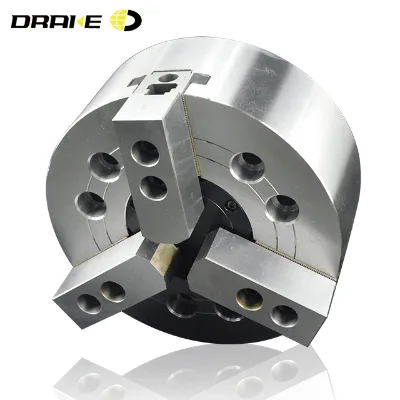
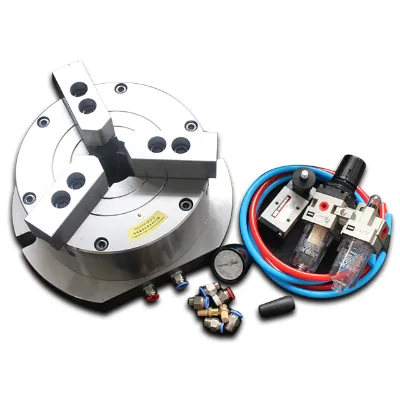
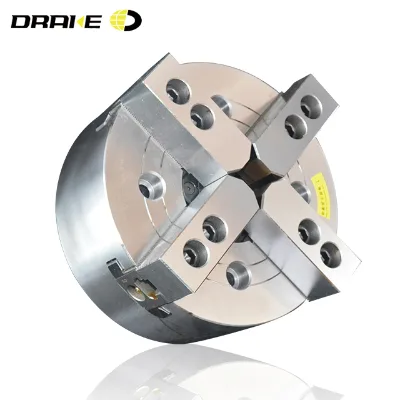
advanced alloy steel material high quality 4-claw hollow hydraulic chuck
$39.52 - $1065.65
MOQ: 1 Minimum
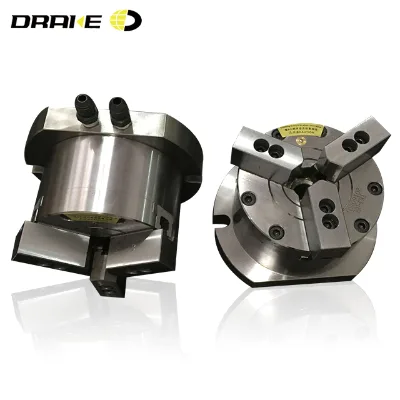
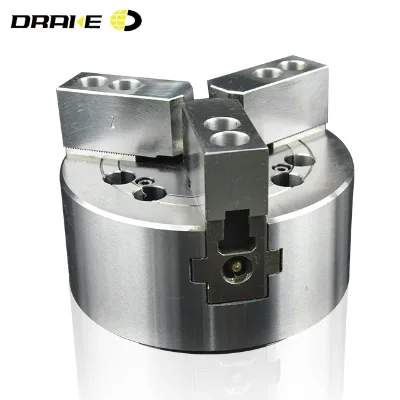
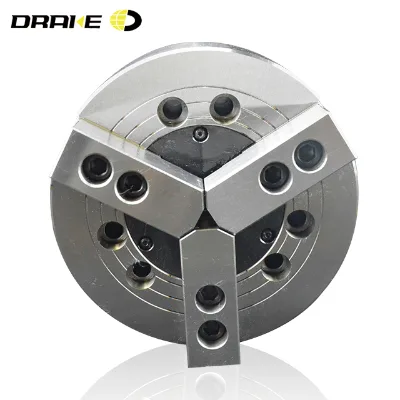


15 Inch 3 Jaw Power Chuck for CNC Lathe, Hydraulic Hollow Lathe Chuck
$235.00 - $9450.00
MOQ: 1 Pieces


12 Inch 3 Jaw Power Chuck for CNC Lathe, Hydraulic Hollow Lathe Chuck
$235.00 - $9450.00
MOQ: 5 Pieces


Hollow Rotary Cylinder 6-Inch 8-Inch 10-Inch Hydraulic Three-Jaw Chuck
$192.00 - $700.00
MOQ: 1 Pieces

Hollow Four-Jaw Hydraulic Chuck 5 Inch 6 Inch 8 Inch 10 Inch Hydraulic Large Hole Chuck
$214.00 - $1059.00
MOQ: 1 Pieces

Hollow Hydraulic Chuck Three-Jaw Steel Chuck 6 Inch 8 Inch 10 Inch 12inch
$187.00 - $927.00
MOQ: 1 Pieces
Comprehensive Sourcing Guide
Hollow Hydraulic Three-Jaw Power Chuck Sourcing Guide
Selecting the right hollow hydraulic three-jaw power chuck requires a careful balance of technical precision, material durability, and commercial reliability. These components are critical for securing workpieces in CNC lathes and hydraulic lathe systems, ensuring consistent clamping force and concentricity during high-speed machining operations. Buyers must navigate a market where specifications vary significantly between models, particularly regarding jaw configuration, stroke length, and maximum pull force. Understanding the specific operational requirements of your machining center is the first step in identifying a chuck that aligns with your production goals.
The procurement process involves verifying that the supplier can provide customized support, such as OEM services, and offering a clear warranty structure. Observed market data indicates a wide range in pricing and minimum order quantities, suggesting that buyers should not rely on a single listing for benchmarking. Instead, a comprehensive evaluation of technical attributes, such as the material composition of the jaws and the structure of the chuck body, is essential. This guide provides a structured approach to evaluating hollow hydraulic three-jaw power chucks, focusing on the key decision points that impact long-term machining efficiency and cost-effectiveness.
Product Scope and Observed Listing Signals
The market for hollow hydraulic three-jaw power chucks presents a diverse array of options, with observed price ranges spanning from approximately $39.52 to $9,450 USD. This significant variance reflects differences in build quality, brand reputation, and specific technical capabilities, such as the inclusion of soft jaws or advanced alloy construction. Buyers should interpret these price points as indicative of the broader market rather than a fixed standard for any single unit. The minimum order quantity (MOQ) typically ranges from 1 to 5 units, allowing for flexible procurement strategies that accommodate both trial orders and bulk industrial purchases.
Product listings frequently highlight specific model numbers, such as the YK3-15" or YS3-10", which denote distinct configurations within the product line. These models often feature a three-jaw design, although some variations may offer two or four-jaw options depending on the specific application needs. The observed listings also emphasize the "through-hole" structure, which is a critical feature for allowing bar feeders to pass material through the chuck spindle. This structural detail is particularly relevant for high-volume production environments where continuous feeding is required to maintain operational efficiency.
Technical Specifications to Verify
When evaluating a hollow hydraulic three-jaw power chuck, the material composition of the jaws and the chuck body is a primary consideration. High-quality units often utilize advanced alloy materials for the hydraulic chuck components, providing enhanced durability and resistance to wear during heavy machining operations. The jaws themselves may be specified as soft jaws, which are ideal for gripping delicate or finished surfaces without causing damage. Buyers should verify the specific alloy grades and heat treatment processes used by the supplier to ensure the chuck can withstand the mechanical stresses of your intended applications.
The mechanical specifications, including jaw stroke and plunger stroke, directly impact the chuck's responsiveness and clamping consistency. Observed data indicates a jaw stroke of approximately 8.8 mm for certain hydraulic power chucks, while other models may feature a plunger stroke of 25 mm. These dimensions determine how quickly the chuck can open and close, influencing cycle times in automated machining centers. Additionally, the gripping range, which may extend from 25 mm to 254 mm, must be compatible with the diameter of the workpieces you plan to machine. Verifying these precise measurements against your production requirements is essential to avoid compatibility issues.
Another critical technical aspect is the maximum pull force and the control method employed by the chuck. Some models boast a maximum pull force of up to 3160 kg, which is necessary for securing large or heavy workpieces during aggressive cutting operations. The control method is typically closed-loop, ensuring precise and reliable clamping force regardless of minor variations in workpiece dimensions. Buyers should also consider the processing precision, which may be specified within a range of 0.05 to 0.06 mm, as this directly affects the accuracy of the final machined parts. Confirming these performance metrics with the supplier ensures that the chuck meets the stringent tolerances of your CNC lathe operations.
Compliance and Safety Documentation
While specific certification statuses can vary by supplier, buyers should prioritize vendors that provide documentation confirming compliance with international quality standards. Observed listings often reference ISO certifications, such as ISO9001:2008 or ISO9001:2000, which indicate a structured approach to quality management in the manufacturing process. Additionally, certifications like CE or RoHS may be relevant depending on the destination market and the materials used in the chuck's construction. Requesting these documents during the sourcing phase helps mitigate risks associated with non-compliant products and ensures that the equipment meets regional safety and environmental regulations.
Warranty and after-sales support are integral components of the compliance and safety framework for industrial machinery. Most observed listings offer a one-year warranty, which provides a baseline level of protection against manufacturing defects. Buyers should clarify the terms of this warranty, including coverage for mechanical failures and the availability of replacement parts. Furthermore, verifying that the supplier offers customized support, such as OEM services, can be crucial for integrating the chuck into existing production lines. A robust warranty and responsive support structure are essential for minimizing downtime and ensuring the long-term reliability of the hydraulic chuck.
Cost Drivers and Commercial Terms
The cost of a hollow hydraulic three-jaw power chuck is influenced by several factors, including the material quality, manufacturing precision, and brand reputation. Advanced alloy construction and high-precision machining processes, such as those achieving 0.05~0.06 mm tolerance, typically command higher prices due to the increased production costs. Buyers should also consider the packaging, which is often specified as a wood box, as this can impact shipping costs and the protection of the chuck during transit. Understanding these cost drivers allows for more accurate budgeting and comparison of quotes from different suppliers.
Commercial terms, including payment methods and delivery schedules, should be clearly defined in the purchase agreement. While specific lead times are not universally standardized, buyers should request estimated production and delivery times to align with their production schedules. The observed MOQ range of 1-5 units suggests that suppliers are flexible, but bulk orders may offer additional cost benefits. It is advisable to negotiate terms that include clear provisions for quality inspections and returns, ensuring that the buyer is protected in the event of non-conforming products. Transparent commercial terms are essential for building a sustainable and reliable supply chain.
Supplier Qualification and Quality Control
Evaluating supplier qualification is a critical step in the sourcing process, particularly for components that directly impact machining accuracy. Buyers should verify the supplier's place of origin, with Jiangsu, China, being a common source for these types of industrial components. This region is known for its manufacturing capabilities, but it is essential to assess the specific factory's quality control processes. Requesting information about the supplier's production capacity, testing procedures, and history of fulfilling similar orders can provide valuable insights into their reliability.
Quality control measures should be explicitly outlined in the procurement agreement. Buyers should inquire about the testing protocols used to verify the chuck's performance, including checks for jaw stroke consistency, clamping force accuracy, and material integrity. The observed processing precision of 0.05~0.06 mm suggests a high level of manufacturing control, but independent verification is recommended. Additionally, suppliers that offer customization options, such as specific jaw configurations or branding, demonstrate a higher level of technical capability and customer focus. Establishing a strong quality control framework with your supplier ensures that every unit delivered meets your exact specifications.
Long-Term Procurement Checks
Long-term procurement success depends on the ability to maintain consistent quality and supply stability over time. Buyers should establish regular review cycles to assess the performance of the hollow hydraulic three-jaw power chucks in their production environment. Monitoring metrics such as jaw wear, clamping consistency, and maintenance frequency can provide early warnings of potential issues. Suppliers that offer ongoing technical support and spare parts availability are preferable, as they enable quick resolution of any operational challenges.
Building a relationship with a supplier that offers OEM support and customized solutions can also enhance long-term procurement flexibility. As your machining requirements evolve, the ability to adapt the chuck specifications to new workpiece geometries or production speeds is invaluable. Regular communication with the supplier regarding market trends, new model releases, and technological advancements can help you stay ahead of industry developments. By prioritizing suppliers who demonstrate a commitment to continuous improvement and customer satisfaction, you can ensure a reliable and efficient supply of hydraulic power chucks for your CNC lathe operations.
FAQs
How does a hollow hydraulic three-jaw power chuck work on a CNC lathe?
It uses hydraulic pressure to move a plunger that converts into radial jaw movement, clamping the workpiece with all three jaws simultaneously. The through-hole structure lets bar stock pass through the spindle center, making it suitable for continuous bar feeding and automated machining on CNC and hydraulic lathes.
What sizes are available for the hollow hydraulic three-jaw power chuck?
Listed sizes include 4, 5, 6, 8, and 10 inches, with model numbers such as YK3-10L and YK3-15 inch in the product range. Choose the size based on your spindle mounting pattern, the gripping range you need, and the maximum bar diameter that must pass through the through-hole.
What is the gripping range and jaw stroke of this hydraulic chuck?
The gripping range of the hydraulic chucks is 25 to 254 mm, and the jaw stroke is 8.8 mm per size increment. The plunger stroke is 25 mm on the hydraulic lathe chuck. Verify these figures against the specific model before ordering, since values vary between the 4-inch and 10-inch variants.
Can I get a two-jaw or four-jaw version instead of three jaws?
Yes, 2-jaw, 3-jaw, and 4-jaw configurations are available, and there are both through-hole and closed-center structures such as model YK4-10 inch. Select the jaw count according to your workpiece shape: three jaws suit round bar, while four jaws handle square or irregular sections better.
What material is used and how much pull force does the chuck deliver?
The oil power chucks are made from advanced alloy steel, and the through-hole hydraulic chucks list a maximum pull force of 3160 kg. This force level supports heavy-duty clamping on CNC lathes, but you should confirm the actual draw-bar capacity of your machine to make full use of the rated pull force.
What warranty and customization options come with these power chucks?
The listed warranty is one year, and customized support with OEM service is available. Customization can cover jaw configuration and model size, though you should agree on drawings, packaging in a wood box, and delivery terms with the supplier before placing the order.
Which applications suit a hollow hydraulic three-jaw power chuck?
It is applied to CNC lathes and hydraulic lathes as a power chuck, with processing precision around 0.05 to 0.06 mm. Typical use cases include metal-cutting machining on machining centers, drillers, and millers where consistent, automated clamping and through-hole bar feeding are required for production runs.
How is the chuck packaged and sold for shipping?
Selling units are single items, and the package is a wood box, which protects the precision chuck body during international transport. Confirm the gross weight and box dimensions for your chosen size, such as the 8-inch or 10-inch model, so freight costs and customs handling can be planned accurately.