Source Horizontal Multistage Booster Pump for Water Supply, Irrigation, and Pressure Boosting
Explore 30 verified listings for the Horizontal Multistage Booster Pump designed for industrial water supply, irrigation systems, and pressure boosting applications. Buyers can compare specifications such as horsepower, material composition, and voltage options to find the right fit for their needs.
Key considerations
Products List


High Pressure RO Booster Pump Multi-Stage Vertical and Horizontal Booster Pump
$100.00 - $200.00
MOQ: 1 Pieces


Multistage Vertical Stainless Steel Centrfugal Pumps Booster Water Pump
$60.00 - $200.00
MOQ: 50 Pieces


Vertical Multistage Centrifugal Stainless Steel Water Supply Booster Pump
$130.00 - $1100.00
MOQ: 1 Pieces
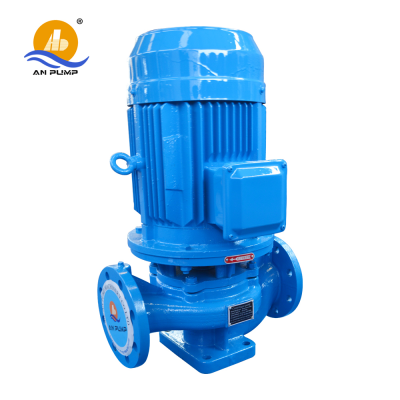

Booster Pump Vertical 50Hz/60Hz Stainless Steel Multistage Centrifugal Pump
$210.00 - $5100.00
MOQ: 1 Pieces


Comprehensive Sourcing Guide
Strategic Sourcing Guide for Horizontal Multistage Booster Pumps
Understanding the Technical Architecture and Configuration
When sourcing a Horizontal Multistage Booster Pump, the primary objective is to identify equipment capable of generating high discharge pressures through a series of impellers arranged along a common shaft. The fundamental architecture relies on the centrifugal pump theory, where kinetic energy is imparted to the fluid and converted into pressure energy. In the specific context of horizontal multistage units, the pump casing is typically designed as a horizontal split pump, allowing for easier maintenance and inspection of internal components without disturbing the piping connections. The mounting height is often configured for suction centrifugal applications, ensuring efficient fluid entry into the first stage impeller.
The structural integrity of these units is frequently defined by the materials used in their construction. A common configuration observed in the market involves a cast iron base and casing, which provides robust support and durability for industrial environments. However, for applications requiring corrosion resistance or handling of purified fluids, stainless steel variants, specifically SS304 or SS316, are available. The shaft material is a critical component; stainless steel 304 is a standard specification to prevent rust and ensure longevity under continuous operation. The impeller design is typically closed, which enhances hydraulic efficiency and pressure generation capabilities.
Power delivery is another critical technical parameter. These pumps are electrically driven, with motor horsepower ratings spanning a wide range from 0.5 HP to 60 HP, depending on the specific model and required flow rate. The voltage specifications are versatile, accommodating 220V, 380V, 410V, 460V, and high-voltage configurations to suit different regional power grids. Frequency options generally include 50Hz and 60Hz, ensuring compatibility with global electrical standards. The starting mechanism is electric, requiring appropriate control systems to manage the initial surge current and ensure smooth acceleration.
Model Variations and Specification Analysis
The market offers several distinct model series, each tailored to specific operational needs. Buyers must carefully distinguish between models such as CDL, Cdlf, Chl, Cdm, and D/DG series. The CDL and Cdlf models often represent multistage vertical or horizontal configurations with specific mounting characteristics. The Chl series may denote a different structural approach, while the Cdm and D/DG series often highlight specific pressure or flow capabilities. For instance, certain models are explicitly categorized as having a maximum head exceeding 150 meters, indicating their suitability for high-pressure boosting applications.
The positioning of the pump shaft is a definitive characteristic for horizontal units. These pumps are designed with a horizontal pump shaft position, distinguishing them from vertical inline or vertical split pumps. This orientation is preferred in many industrial settings where space constraints and piping layout favor a horizontal footprint. The pump casing combined structure is typically horizontal split, facilitating the removal of the rotor assembly for maintenance. The influent type of the impeller is generally single suction, meaning fluid enters from one side of the impeller, which is standard for this class of centrifugal pumps.
Customization is a significant feature available in this category. Buyers can often request customized colors, including blue, yellow, green, red, or other specific shades to match facility safety or identification protocols. The assembly type is frequently labeled as a booster pump or liquid pump, emphasizing its role in increasing system pressure rather than just moving fluid. The working pressure classification is consistently high pressure, making these units ideal for applications requiring significant head generation.
Compliance, Certification, and Material Standards
Verifying compliance and material standards is essential for ensuring the longevity and safety of the purchased equipment. While specific certification bodies like ISO 9001 are often referenced in the broader industry, buyers should verify the actual certification status of the specific supplier rather than assuming it applies to all listed products. The material standards are a primary area of verification. The standard specification list includes cast iron, SS304, and SS316. It is crucial to confirm that the material grade matches the fluid being pumped and the environmental conditions of the installation site.
The sealing mechanism is another critical compliance point. Most horizontal multistage pumps utilize a mechanical seal, which is designed to prevent leakage along the shaft. The quality of the mechanical seal material must be verified against the chemical compatibility of the fluid. Additionally, the connection type is typically flange or threaded, and the buyer must ensure that the flange standards (such as ANSI, DIN, or JIS) match the existing piping system to avoid costly retrofitting.
Origin and manufacturing location play a role in compliance. Products are frequently sourced from Zhejiang, China, or generally from China. While the location itself does not dictate quality, it informs the buyer about the supply chain logistics and potential trade regulations. The production standard often aligns with export requirements, necessitating that the equipment meets international safety and performance benchmarks. Buyers should request documentation proving that the materials used (e.g., the specific grade of stainless steel) meet the stated specifications.
Cost Drivers and Pricing Dynamics
The pricing for horizontal multistage booster pumps is influenced by a complex interplay of factors, resulting in a wide observed range from 1 USD to 50,000 USD. This vast disparity is not indicative of quality alone but rather reflects differences in horsepower, material composition, and customization levels. A unit with a 0.5 HP motor and a cast iron body will be significantly less expensive than a 60 HP unit constructed entirely from SS316 stainless steel with high-voltage capabilities.
Material costs are a primary driver. Cast iron is generally more economical than stainless steel, making the choice of casing and shaft material a direct cost determinant. The horsepower rating is another major factor; higher power motors require more robust components, increasing the overall price. Customization options, such as specific colors or tailored mounting heights, can also add to the base cost.
The Minimum Order Quantity (MOQ) is another consideration, with observed ranges from 1 to 100 units. Purchasing a single unit for a small project will have a different unit cost structure compared to a bulk order of 100 units for a large infrastructure project. Buyers should be aware that while the price range is broad, the specific price for a given configuration must be negotiated based on the exact specifications required. Packaging costs, typically standard export wooden boxes or wooden cases, are also factored into the final landed cost.
Typical Applications and Operational Scope
Horizontal multistage booster pumps are versatile and serve a wide array of industrial applications. Their primary function is to increase water pressure in systems where the source pressure is insufficient. Common applications include water supply systems for high-rise buildings, where the pump must boost pressure to reach upper floors. They are also extensively used in industrial cleaning systems, boiler feed water systems, and reverse osmosis plants where high pressure is required to force water through membranes.
The application of clarified water pumps is a specific use case where these units are employed to move treated water with high pressure requirements. In such scenarios, the material selection becomes critical; stainless steel is often preferred to prevent contamination and ensure water quality. The high-pressure capability of these pumps makes them suitable for fire fighting systems, pressure washing, and irrigation systems that require long-distance water transport.
The versatility of the pump allows it to be used in various industries, including manufacturing, pharmaceuticals, and food processing. The ability to customize the color and the availability of different voltage and frequency options make these pumps adaptable to diverse operational environments. The single suction impeller design is particularly effective for applications requiring steady flow and high head, making it a preferred choice for booster applications where consistent pressure is vital.
Supplier Evaluation and Quality Assurance
Evaluating suppliers for horizontal multistage booster pumps requires a rigorous approach to ensure the product meets technical and quality expectations. Buyers should verify the supplier's ability to provide OEM (Original Equipment Manufacturer) services, as many suppliers accept OEM orders to produce custom-branded or specification-specific units. The availability of customization, including color and specific model configurations, is a strong indicator of a supplier's flexibility and manufacturing capability.
Quality control measures should be a central part of the supplier evaluation. Buyers must inquire about the testing procedures for the mechanical seals, the balance of the rotating assembly, and the integrity of the cast iron or stainless steel components. While specific test results are not universally available in general listings, buyers should request quality assurance documentation for the specific batch of pumps they intend to purchase. The origin of the product, often Zhejiang, China, should be verified to ensure transparency in the supply chain.
The assembly process is another area of focus. The pump should be assembled as a booster pump unit, ready for installation. Buyers should check if the supplier provides comprehensive assembly instructions and if the components are pre-aligned to reduce installation time. The use of standard export wooden box or wooden case packaging is a sign of a supplier that understands the logistics of international shipping and aims to protect the equipment during transit.
Long-Term Procurement and Maintenance Considerations
Long-term procurement success depends on understanding the maintenance requirements and lifecycle of the Horizontal Multistage Booster Pump. The horizontal split pump design offers a significant advantage in maintenance, as the casing can be opened to access the impellers and shaft without dismantling the entire pump from the piping. This feature reduces downtime and maintenance costs over the life of the equipment.
The choice of materials directly impacts the maintenance schedule. Cast iron components may require more frequent inspection for corrosion in aggressive environments, whereas stainless steel components offer greater resistance and potentially longer intervals between maintenance. The mechanical seal is a consumable component that will eventually need replacement; buyers should ensure that spare parts, including seals and impellers, are readily available from the supplier.
Customization options, such as specific colors or voltage configurations, should be considered in the context of long-term operational needs. A pump customized for a specific facility's color code or power grid will ensure seamless integration and easier identification during future maintenance. The ability to accept OEM orders suggests that the supplier can provide long-term support and spare parts, which is crucial for maintaining the operational efficiency of the pump over many years.
Summary of Key Specifications and Comparisons
To assist in the final selection process, the following table summarizes the key specifications observed in the market for horizontal multistage booster pumps. This comparison highlights the variability in models and the critical parameters that buyers must verify.
| Specification Category | Common Observations | Verification Requirement |
|---|---|---|
| Driving Type | Motor | Confirm motor power and efficiency rating |
| Structure | Multistage Pump | Verify number of stages for required head |
| Material | Cast Iron, SS304, SS316 | Match material to fluid compatibility |
| Shaft | S.S.304 | Confirm shaft material grade |
| Seal | Mechanical Seal | Check seal material for chemical resistance |
| Horsepower | 0.5-60 HP | Select based on flow and pressure needs |
| Voltage | 220V-460V/High Voltage | Ensure compatibility with local grid |
| Max Head | >150m (Specific Models) | Verify head curve for application |
| Origin | Zhejiang, China / China | Confirm shipping and compliance |
| Customization | Available (Color, OEM) | Define specific requirements early |
This guide provides a framework for buyers to navigate the complex landscape of Horizontal Multistage Booster Pump procurement. By focusing on technical specifications, material standards, and supplier capabilities, buyers can make informed decisions that ensure reliable performance and long-term value.
FAQs
What materials are used for the pump casing and shaft?
The pump casing is typically made of cast iron or stainless steel, while the shaft is constructed from S.S.304. These materials ensure durability and corrosion resistance for various industrial applications requiring high pressure.
Can I customize the color and horsepower of the pump?
Yes, customization is available for colors like blue, yellow, green, and red, as well as horsepower ranging from 0.5 to 60 HP. Buyers can request specific configurations to match facility safety protocols or operational needs.
Which models are available for high-pressure booster applications?
Available models include CDL, Cdlf, Chl, Cdm, and D/DG series, with some reaching a maximum head exceeding 150 meters. These models are designed as horizontal multistage pumps suitable for demanding high-pressure boosting tasks.
How is the pump shaft positioned in these units?
The pump shaft is positioned horizontally, distinguishing these units from vertical inline designs. This horizontal orientation facilitates easier maintenance and fits standard industrial piping layouts while supporting high-pressure centrifugal operation.
What voltage and frequency options are supported for electric start?
The pumps support voltages of 220V, 380V, 410V, 460V, and high voltage, with frequencies of 50Hz or 60Hz. This versatility ensures compatibility with different regional power grids and electric start requirements for global deployment.
Can suppliers accept OEM orders for these pumps?
Yes, OEM services are acceptable for most suppliers offering these horizontal multistage booster pumps. Buyers can request custom branding or specific model configurations to meet unique project requirements while maintaining standard export packaging.