Source Horizontal Oil Pressing Line for Farms, Shops, and Homes
Explore 30 verified options for a Horizontal Oil Pressing Line suitable for processing palm, soybean, and other seeds. Buyers can compare models like FOTMA and HTDD-04, check voltage specs, and review customization services from Henan, China manufacturers.
Key considerations
Products List


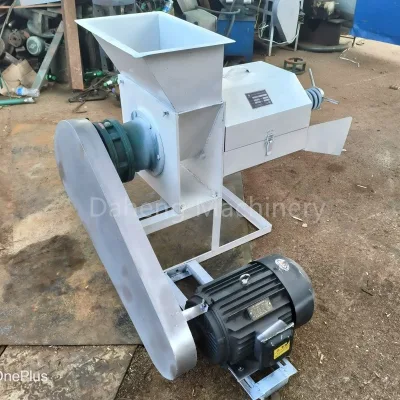


Crude Oil Pressing Machine Peanut Oil Pressing Machine Oil Extractor Machine
$3599.00 - $4599.00
MOQ: 1 Pieces

Oil Press Machine Nfully Automatic High-Yield Oil Extraction Production Line
$3599.00 - $4599.00
MOQ: 1 Pieces

Oil Press Machinery Professional Oil Press Machine Oil Press Machine
$2600.00 - $3800.00
MOQ: 1 Pieces


Comprehensive Sourcing Guide
Strategic Sourcing Guide for Horizontal Oil Pressing Lines
Understanding the Horizontal Configuration in Oil Extraction
When evaluating oil pressing lines, the physical configuration of the machinery is a primary determinant of operational efficiency and facility layout compatibility. The Horizontal Oil Pressing Line represents a specific architectural choice where the pressing mechanism is arranged along a horizontal axis. This design contrasts with vertical configurations, which stack components in an upright orientation. In the current market, buyers observe that horizontal units are often preferred for facilities requiring a lower profile or where floor space constraints dictate a linear arrangement of equipment.
The horizontal structure allows for a more integrated flow of materials, particularly when the line includes multiple stages such as cleaning, cracking, and pressing. This alignment can facilitate gravity-assisted movement between stages, potentially reducing the need for complex conveyor systems that are often required in vertical setups. However, it is critical to note that the market presents a mix of configurations. While some listings explicitly identify a "Horizontal" structure, others in the same category may be described as "Vertical." Buyers must carefully inspect the technical drawings and physical specifications of any potential unit to confirm the orientation, as this choice impacts the foundation requirements, maintenance access, and overall footprint of the production line.
Technical Specifications and Operational Parameters
The technical performance of a Horizontal Oil Pressing Line is defined by a set of interrelated parameters that dictate its throughput, energy consumption, and the quality of the final oil product. Voltage requirements are a fundamental consideration for integration into existing power grids. Market data indicates that units are available with varying voltage specifications, including 380V and 440V configurations. Procurement teams must verify the specific voltage rating of the unit against the local electrical infrastructure to avoid the need for expensive transformers or rewiring.
Power consumption is another critical metric. Specific models in the current inventory list power ratings such as 2.2kw, which suggests a range of energy requirements depending on the scale and automation level of the machine. The raw material compatibility is equally diverse. While some units are optimized for specific seeds like Palm, others are designed for Soybean or are marketed as suitable for "all kinds of oil." This versatility is often a key selling point, but it requires the buyer to confirm the specific crushing and pressing mechanisms required for their intended feedstock.
The extraction efficiency is a primary driver of profitability. Observed data points to oil extraction rates ranging between 20% and 22%, with specific models boasting oil content capabilities of over 24%. These figures represent the theoretical or observed performance of specific units rather than a universal standard for all horizontal lines. Buyers should treat these as benchmarks to compare against supplier claims, ensuring that the machine's design supports high-yield extraction for their specific crop variety. The technology employed can also vary, with some systems utilizing solvent extraction methods integrated into the pressing line, while others rely on mechanical pressing alone. Understanding the distinction between solvent and mechanical processes is essential for determining the final oil purity and the complexity of the downstream refining requirements.
Compliance, Standards, and Certification Verification
In the B2B procurement of industrial machinery, compliance with international and local standards is non-negotiable for safety and operational reliability. The Horizontal Oil Pressing Line market includes units that adhere to specific dimensional standards, such as those with dimensions around 172013161875mm. These measurements are not merely descriptive; they are critical for planning warehouse space, doorways, and loading dock access. Buyers must verify that the listed dimensions match the physical constraints of their facility.
Certification and standardization are often linked to the country of origin and the manufacturing practices of the supplier. A significant portion of the available inventory originates from China, with specific mentions of Henan Province as a manufacturing hub. This region is known for its concentration of agricultural machinery producers. However, the presence of a specific origin does not automatically confer a specific certification status. Buyers must explicitly request documentation regarding safety certifications, such as CE or ISO standards, and verify if the machinery has undergone third-party testing.
The "Machinery Test Report" is a document that should be available for many units, providing evidence of performance under controlled conditions. The existence of such a report is a positive indicator of quality control, but the buyer must review the specific test parameters to ensure they align with the buyer's operational needs. Furthermore, the "prod_standard" field in product listings can refer to either physical dimensions or production capacity ranges (e.g., 100-3000). Clarifying whether a standard refers to size or throughput is vital to avoid misinterpretation of the machine's capabilities.
Cost Drivers and Total Cost of Ownership Analysis
The pricing landscape for horizontal oil pressing lines is characterized by extreme variability. Observed market data reveals a price range spanning from $1 to $6,500,000. This vast disparity is not indicative of a single product category but rather reflects the spectrum from small-scale, manual or semi-automatic units to fully automated, industrial-grade solvent extraction lines. The "New Product 2024" marketing tag suggests that newer models may command a premium due to updated technology or improved efficiency, but this does not guarantee a lower total cost of ownership.
Several factors drive the cost of these machines. The primary driver is the level of automation. Units described as "Automatic" or featuring "Automatic Grade" components typically cost more than manual or semi-automatic counterparts but offer significant labor savings and consistent output quality. The material composition is another cost factor; machines constructed from "Carbon Steel" or other high-grade alloys will be more expensive than those using lighter materials, but they offer greater durability and resistance to corrosion in harsh processing environments.
The packaging and transportation method also influence the final landed cost. Options range from "Wooden Box" and "Fumigated Wooden Tray" to "Standard Export Packing" and "Container, Bulk." The choice of packaging affects the protection of the machinery during transit and the associated shipping fees. Sea freight is the standard transportation method for these heavy industrial goods, and the weight and volume of the unit will directly impact the shipping quote. Buyers should calculate the total cost of ownership by including installation, training, and potential maintenance costs, rather than focusing solely on the initial purchase price.
Typical Applications and Industry Suitability
Horizontal oil pressing lines are versatile tools designed to serve a wide array of industrial and commercial applications. The "Applicable Industries" for these machines include farms, home use, and food shops, indicating a scalability that ranges from small-scale artisanal production to large commercial operations. The "Use" specification often states "all kinds of oil," suggesting that the machine can process various seeds and nuts, provided the correct settings and components are selected.
For farms, the horizontal configuration offers a compact solution for on-site oil production, reducing the need to transport raw materials to distant processing facilities. This can significantly reduce logistics costs and improve the freshness of the final product. In food shops and home use scenarios, the focus shifts to smaller footprint and ease of operation. The "Service" offerings, such as "Install and Training," are particularly valuable for these smaller operators who may lack in-house technical expertise.
The "Key Selling Points" of these machines often highlight their automatic nature, which reduces human error and increases throughput. However, the suitability of a specific horizontal line for a given application depends on the volume requirements. A unit with a capacity of 1800Kg might be ideal for a medium-sized food shop but insufficient for a large-scale industrial plant. Buyers must align the machine's capacity with their projected production volumes to ensure economic viability.
Supplier Evaluation and Quality Assurance Protocols
Selecting the right supplier for a Horizontal Oil Pressing Line requires a rigorous evaluation process that goes beyond the initial product listing. The "Brand Name" and "Model Number" are critical identifiers for tracking the supplier's reputation and the machine's history. Models such as FOTMA, HTDD-04, CMEC-20, and SY-150 represent specific iterations of the technology, each with its own set of performance characteristics. Buyers should research the track record of these specific models to identify any recurring issues or praise.
The "Warranty" period is a key indicator of supplier confidence. A standard warranty of 12 months or 1 year for core components is common in the market. However, buyers should scrutinize the terms of the warranty, including what is covered (e.g., motor, pressing mechanism) and what constitutes a valid claim. The "Core Components," such as the motor, are often the most expensive parts to replace, so a robust warranty on these items is essential.
Quality control should be verified through the "Machinery Test Report" and by requesting references from previous buyers. The "Condition" of the machine, whether "New" or refurbished, must be clearly stated and verified. A "New" product should come with full manufacturer warranties and unused components, while refurbished units may offer cost savings but require a more thorough inspection. The "Customization" availability is another factor; suppliers that offer "Customized" solutions can tailor the machine to specific raw material types or production requirements, adding value to the procurement process.
Long-Term Procurement and Maintenance Considerations
The long-term success of an oil pressing operation depends heavily on the maintenance strategy and the availability of spare parts. The "Equipment Material," such as Carbon Steel, dictates the maintenance schedule and the potential for corrosion or wear. Regular inspection of the pressing mechanism and the motor is necessary to ensure consistent performance and to prevent unexpected downtime.
The "MOQ" (Minimum Order Quantity) of 1 for most units indicates that buyers can start with a single machine, which is beneficial for testing the technology before scaling up. However, buyers should consider the scalability of the system. If the initial unit proves successful, can the supplier provide additional units that integrate seamlessly with the first? The "Transportation Method" of Sea Freight implies that spare parts and replacement units will also need to be shipped internationally, so buyers should establish a reliable logistics partner.
Finally, the "Service" aspect, including installation and training, is crucial for the long-term operation of the machine. A supplier that provides comprehensive training ensures that the operator can maximize the efficiency of the Horizontal Oil Pressing Line and troubleshoot minor issues without external assistance. Buyers should prioritize suppliers who offer ongoing support and have a clear protocol for handling warranty claims and technical inquiries. By focusing on these long-term considerations, buyers can ensure that their investment in a Horizontal Oil Pressing Line yields consistent returns over its operational lifespan.
FAQs
What is the standard voltage for these horizontal oil pressing lines?
The standard voltage is typically 380V, though 440V units are also available. Buyers must verify the specific voltage rating against their local electrical infrastructure to avoid the need for expensive transformers or rewiring before installation.
Can I customize the machine for specific raw materials like palm or soybean?
Yes, customization is available for various raw materials including palm and soybean. Suppliers offer tailored solutions to match specific feedstock types, ensuring the pressing mechanism and settings align with your intended crop variety for optimal extraction.
What is the minimum order quantity for purchasing a Horizontal Oil Pressing Line?
The minimum order quantity is 1 unit for most models in the current inventory. This allows buyers to start with a single machine for testing the technology before scaling up their production capacity or ordering additional units later.
How long is the warranty period for the core components of these machines?
The warranty period is typically 12 months for the main unit and 1 year for core components like the motor. Buyers should scrutinize the terms to ensure coverage includes critical parts and understand what constitutes a valid claim for repairs.
Which packing methods are used for shipping these industrial oil pressing machines?
Packing options include wooden boxes, fumigated wooden trays, and standard export packing for container or bulk shipping. The choice of packaging affects the protection of the machinery during transit and the associated sea freight fees for delivery.
What is the typical oil extraction rate for these horizontal pressing lines?
Observed oil extraction rates range between 20% and 22%, with some models capable of over 24% oil content. These figures represent performance benchmarks for specific units rather than a universal standard, so buyers should verify claims against their specific crop.
Where are these horizontal oil pressing lines typically manufactured and shipped from?
These machines are primarily manufactured in Henan Province, China, and shipped via sea freight. Buyers should expect the origin to be China and verify specific facility details or lead times with the supplier to plan their logistics effectively.