Source Hand Held Rotary Vegetable Spiralizer for Radish, Potato, Cheese
Compare 30 hand held rotary vegetable spiralizer options from verified Chinese suppliers. Buyers can evaluate specifications like blade material, dimensions, and customization availability for radish, potato, and cheese processing needs; compare the available evidence and request quotations based on your requirements.
Key considerations
Products List


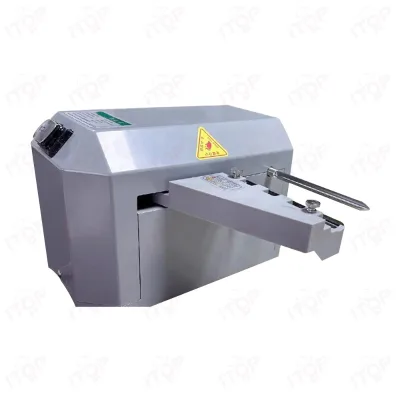


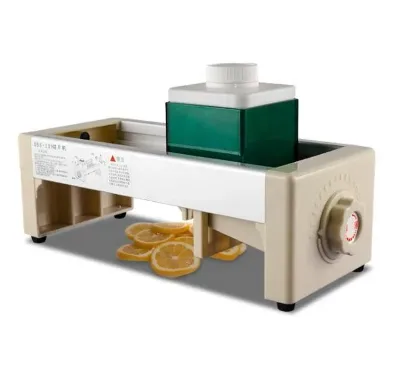


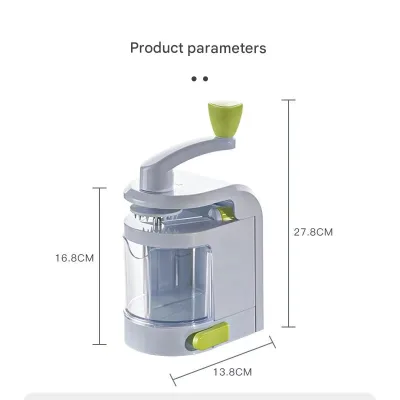

Comprehensive Sourcing Guide
Hand Held Rotary Vegetable Spiralizer Sourcing Guide
Sourcing hand held rotary vegetable spiralizers requires a clear distinction between manual kitchen tools and industrial-grade processing equipment. The market presents a wide spectrum of products, ranging from simple multi-faceted vertical graters designed for home use to robust stainless steel machines intended for commercial food preparation. Buyers must first define their operational scale, as the procurement strategy for a lightweight ABS and stainless steel unit differs significantly from that of a heavy-duty industrial grader. Understanding this distinction prevents misalignment between supplier capabilities and actual business needs, ensuring that the selected tool matches the intended volume and frequency of use.
The observed product landscape includes items labeled as multi-functional graters, rotary slicers, and straight grading machines, often originating from manufacturing hubs in China. These devices typically feature stainless steel blades for durability and food safety, with some models incorporating ABS plastic components for ergonomic handling. Procurement teams should focus on verifying the specific cutting mechanisms, such as shredding, slicing, or mesh cutting, to ensure the equipment meets the precise textural requirements of the final product. This initial categorization is critical for narrowing down supplier lists and evaluating technical compatibility with existing kitchen or production workflows.
Product Scope and Observed Listing Signals
The current market signals indicate a diverse range of product types, including manual rotary graters and automated straight grading machines. Manual units often highlight features like multi-faceted vertical designs and rotary functions, catering to tasks such as grating radishes, potatoes, or cheese. These smaller devices typically weigh between 4.5 kg and 8 kg, with dimensions around 17.5 cm by 12 cm by 24.5 cm, making them suitable for compact storage and manual operation. Buyers should note that these products are frequently marketed with customizable logos and OEM/ODM support, appealing to brands seeking private-label solutions for retail distribution.
In contrast, industrial-grade offerings include straight grading machines and vegetable sorters with higher capacity and specialized functions. These units may feature stainless steel 304 construction, 220V voltage requirements, and significant weights up to 10 kg or more, indicating a focus on durability and continuous operation. Some listings specify slicing thicknesses as precise as 0.8 mm and cutting shapes that include strips or mesh, suggesting advanced control over product output. Procurement teams must carefully review these specifications to distinguish between simple manual tools and complex machinery, as the operational implications and maintenance requirements vary drastically between these two categories.
Technical Specifications to Verify
Verifying technical specifications is paramount to ensuring the selected spiralizer or grater meets operational demands. For manual units, buyers should confirm the blade material, which is often stainless steel, to guarantee corrosion resistance and food safety. The design type, such as multi-faceted vertical or rotary, directly impacts the variety of cuts achievable, including shredding, slicing, and grinding. Additionally, the power rating for electric models, typically around 100W for smaller devices, should be checked against available power infrastructure. Dimensional accuracy is also crucial, as compact units must fit within designated storage or workspace constraints without compromising ergonomic usability.
For industrial applications, core components like motors and voltage compatibility are critical verification points. Buyers must ensure that the machine’s voltage, often 220V or 220V/50HZ, aligns with local electrical standards to prevent operational failures. The weight of the unit, ranging from 4.5 kg for light-duty models to 10 kg for heavier industrial sorters, affects installation stability and mobility. Furthermore, specifications such as slicing thickness and cutting shape capabilities must be validated against production requirements. Confirming these details with suppliers prevents costly mismatches and ensures that the equipment can handle the intended volume and texture of vegetables or fruits efficiently.
Compliance and Safety Documentation
Compliance and safety documentation form the backbone of responsible procurement, particularly for equipment that interacts directly with food products. Buyers should request evidence of material safety, ensuring that stainless steel components meet relevant food-grade standards. For electric models, verifying that the machinery test report is available or understanding why it is not provided is essential for assessing electrical safety. Documentation should also cover warranty terms, with many suppliers offering a one-year warranty, which serves as a baseline indicator of manufacturer confidence in product durability.
Additionally, buyers must ensure that all materials, including ABS plastic and stainless steel blades, are free from harmful substances and suitable for food contact. Video outgoing-inspection services provided by some suppliers offer a valuable layer of verification, allowing buyers to visually confirm the product’s condition before shipment. It is also important to check for any specific certifications required by local regulations, such as CE or RoHS, although these are not explicitly listed in all contexts. Procurement teams should maintain a checklist of required documents to ensure that every purchased unit meets both safety and regulatory standards, minimizing legal and operational risks.
Cost Drivers and Commercial Terms
Cost drivers for hand held rotary vegetable spiralizers include material quality, manufacturing complexity, and customization options. Stainless steel 304 construction and precision-engineered blades typically command higher prices than basic plastic or lower-grade metal alternatives. Customization features, such as logo printing or OEM/ODM services, add to the unit cost but can enhance brand value for retail products. Buyers should also consider the packaging type, whether it is box packing for retail units or wooden cases for industrial machinery, as this impacts shipping costs and product protection during transit.
Commercial terms such as MOQ and lead times significantly influence the total cost of ownership. Observed MOQ ranges vary from 1 to 500 units, allowing flexibility for both small-scale buyers and large distributors. Lead times are not explicitly detailed in all listings, so buyers must negotiate clear delivery schedules to align with inventory needs. Payment terms and shipping responsibilities should be clearly defined to avoid hidden costs. Understanding these commercial variables enables procurement teams to budget accurately and select suppliers who offer the best balance of price, quality, and service reliability for their specific procurement volume.
Supplier Qualification and Quality Control
Supplier qualification is a critical step in mitigating procurement risks, especially when sourcing from international manufacturers. Buyers should verify the supplier’s location, with many products originating from regions like Henan or Guangdong in China, to assess logistical feasibility and supply chain stability. Checking the supplier’s track record in providing video outgoing-inspections and machinery test reports demonstrates their commitment to transparency and quality assurance. Suppliers who offer detailed product specifications and responsive communication are generally more reliable partners for long-term procurement relationships.
Quality control measures should be integrated into the procurement process, starting with clear specification agreements and ending with rigorous inspection protocols. Buyers should request samples to evaluate the build quality, blade sharpness, and ergonomic design before committing to larger orders. For industrial equipment, verifying the core components, such as motor quality, is essential to ensure long-term performance. Establishing a clear quality control framework, including acceptance criteria and rejection protocols, helps maintain product consistency and protects the buyer’s brand reputation from defects or failures in the field.
Long-Term Procurement Checks
Long-term procurement success depends on continuous monitoring of supplier performance and product lifecycle management. Buyers should establish key performance indicators, such as defect rates, delivery punctuality, and after-sales support responsiveness, to evaluate supplier reliability over time. Regular audits of product specifications and compliance documentation ensure that suppliers adhere to agreed-upon standards and regulatory requirements. Maintaining open communication channels with suppliers facilitates quick resolution of issues and fosters a collaborative relationship that can lead to improved product offerings and better pricing terms.
Additionally, buyers should stay informed about market trends and technological advancements in vegetable processing equipment. This includes monitoring changes in material standards, energy efficiency requirements, and consumer preferences for ergonomic design. Periodic reviews of the procurement strategy allow for adjustments based on changing business needs and market conditions. By proactively managing supplier relationships and staying adaptable to industry developments, procurement teams can ensure a steady supply of high-quality hand held rotary vegetable spiralizers that meet both current and future operational demands.
FAQs
What is the voltage requirement for the rotary vegetable grater?
The device operates on 220V power, with some models supporting 220V/50HZ specifications. This standard voltage ensures compatibility with most commercial kitchen outlets in regions using 50Hz frequency. Buyers should verify their local electrical standards before installation to ensure safe and efficient operation of the stainless steel unit.
Can the machine handle both vegetables and fruits?
Yes, the equipment is explicitly designed for vegetable and fruit processing applications. It functions as a multi-functional grater capable of shredding, slicing, and grinding various produce types. The stainless steel blades ensure durability and hygiene when processing items like radishes, potatoes, or cheese, making it versatile for diverse kitchen tasks.
What materials are used in the construction of the slicer?
The main body is constructed from Stainless Steel 304, ensuring corrosion resistance and food safety. Some models also incorporate ABS plastic components for the housing. The blades are made of high-quality stainless steel to maintain sharpness during continuous use. This combination provides durability and ease of cleaning for commercial environments.
What are the dimensions and weight of the unit?
The machine measures approximately 288*160*180 mm, with a net weight of 4.5kg and a gross weight of 8.000 kg. Single package dimensions are 35X25X25 cm. These compact specifications allow for easy placement on countertops while providing sufficient stability during operation. The lightweight design facilitates movement and storage in busy kitchen settings.
Is customization available for the rotary vegetable grater?
Customization is available, including options for customized logos and OEM/ODM services. Buyers can request specific branding or design modifications to suit their business needs. The manufacturer welcomes customized requests, allowing for tailored solutions. This flexibility supports private labeling and specific operational requirements for different market segments and commercial users.
What warranty is provided for the machinery?
The product comes with a 1-year warranty covering core components such as the motor. This warranty ensures support for mechanical failures during the initial year of operation. Buyers should retain proof of purchase to claim warranty services. The warranty reflects the manufacturer's confidence in the durability and performance of the stainless steel construction and internal mechanisms.