Source Horse Tail Bag for Horse Riding, Racing, and Training
Explore 30 listings for the Horse Tail Bag, featuring options in nylon and neoprene with customizable designs. Buyers can compare specifications, pricing, and customization capabilities from verified suppliers in China.
Key considerations
Products List


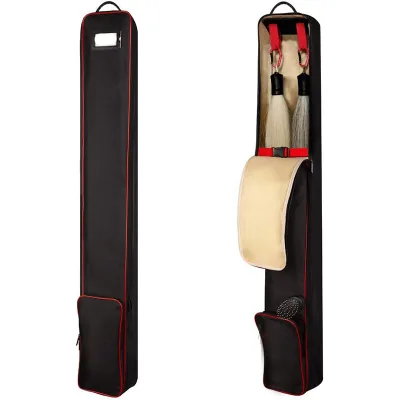
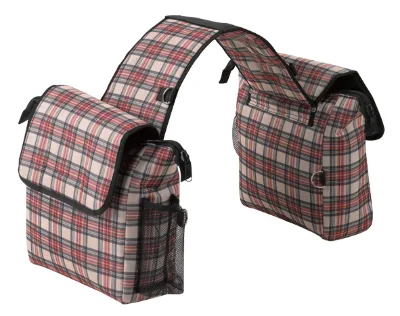
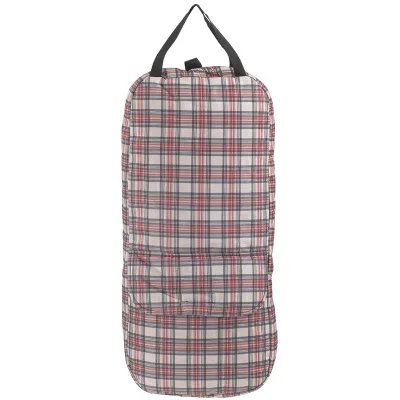
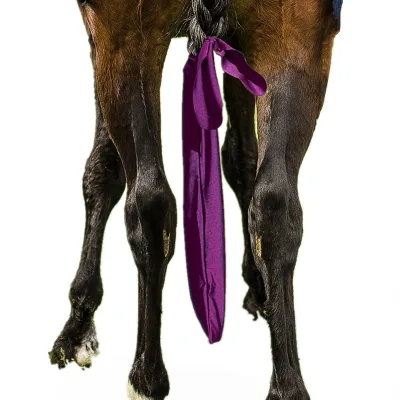


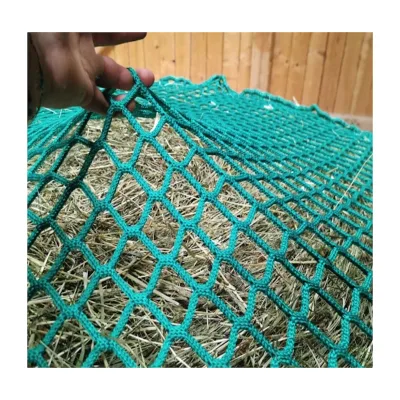
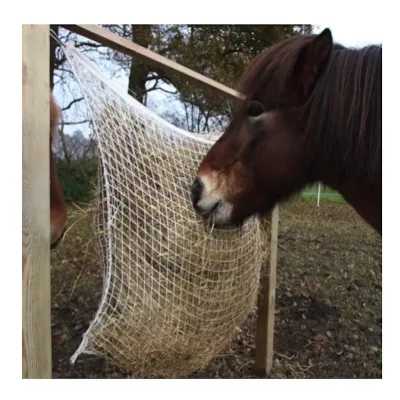
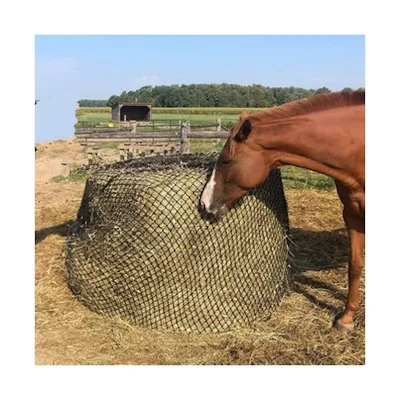
Heavy Duty Go out Slow Feeding Horse Hay Bags Stable Large Bags Convenient Horse Straw Bags
$10.85 - $12.00
MOQ: 200 Pieces

Customize Go out Slow Feeding Horse Hay Bags Stable Large Bags Convenient Horse Straw Bags
$10.85 - $12.00
MOQ: 200 Pieces


Comprehensive Sourcing Guide
Strategic Sourcing Guide for Horse Tail Bags
The global equestrian equipment market continues to evolve, with a specific focus on functional accessories that protect both the animal and the rider. Among these, the Horse Tail Bag has emerged as a critical item for preventing tail damage during travel, training, and competition. Sourcing these products requires a disciplined approach that balances material integrity, customization capabilities, and logistical reliability. This guide provides a comprehensive framework for buyers to navigate the procurement landscape, utilizing observed market data and verified product attributes to make informed decisions.
Technical Specifications and Material Composition
The foundation of a reliable Horse Tail Bag lies in its material composition and structural design. Market observations indicate a diverse range of materials available, with Nylon and Neoprene being the most prominent options cited in current listings. Nylon is frequently selected for its durability and resistance to abrasion, making it suitable for heavy-duty use where the bag may encounter friction against saddle trees or trailer walls. Conversely, Neoprene offers superior flexibility and water resistance, which is essential for protecting the tail from moisture and maintaining the hair's natural oils.
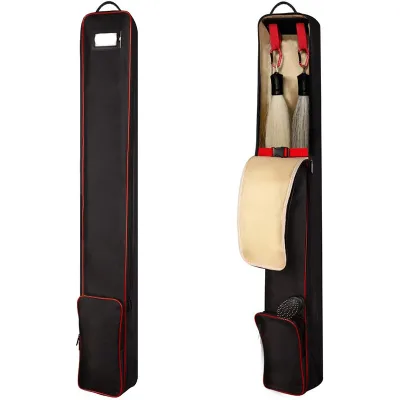
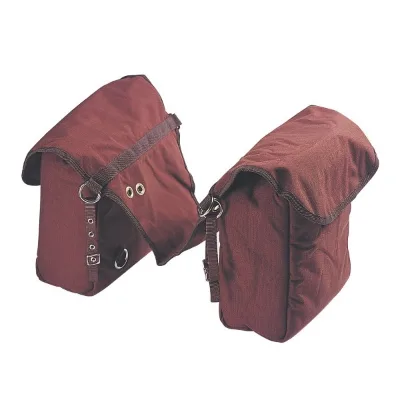
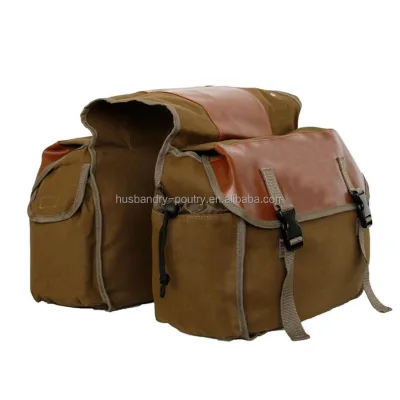
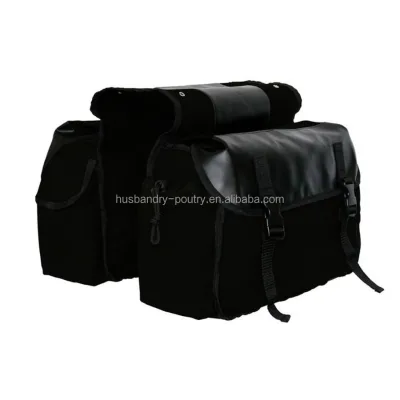
Buyers must carefully evaluate the specific model numbers associated with these materials. For instance, models such as "Tail Bag" and "3 Tube Tail Bag" suggest variations in internal structure, potentially offering different levels of containment or separation for the tail. The "Horse Tail Bag" and "Horse Tail Wrap Horse Equipment" entries highlight that the product serves a dual purpose: containment and protection. Furthermore, the "waterproof horse riding saddle bags" designation indicates that some manufacturers are integrating water-resistant properties directly into the design, a critical feature for outdoor riding conditions.
Dimensional specifications are equally vital. Observed data points to a standard size of 567246, which likely represents the internal or external dimensions in centimeters for a specific model. However, other entries list single package sizes of 45X25X12 cm or 50X40X30 cm, suggesting that the final product dimensions vary significantly based on the intended capacity and the number of tubes or compartments. When sourcing, buyers should request detailed dimension sheets to ensure the bag fits the specific horse's tail thickness and the rider's saddle configuration. The "One Size" standard mentioned in some contexts implies a universal fit, but this should be verified against the specific anatomical requirements of the target market's horses.
Customization and Branding Capabilities
In the B2B equestrian sector, branding and customization are often the primary drivers of procurement decisions. The supply chain for horse tail bags is highly adaptable, with a significant number of suppliers offering "Customized" options and accepting "OEM/ODM" requests. This flexibility allows buyers to create private-label products that align with their brand identity. The attribute "Your Design Full Printed" suggests that the entire surface area of the bag can be utilized for branding, moving beyond simple logo placement to full-surface graphics.
Color customization is another critical factor. While some listings specify a range of "Black, Gray, Red, Blue," others indicate "Various Colors" or "Customization" as a standard offering. This implies that buyers are not limited to a static palette but can request specific color codes to match their marketing materials or team uniforms. The printing methods observed include "Screen" printing, which is suitable for durable, high-volume designs, though the "Welcome Use Different Fabrice" note suggests that fabric selection can also be tailored to specific aesthetic or functional needs.
The "Customized Logo" attribute reinforces the importance of brand visibility. Buyers should verify the minimum order quantities (MOQ) associated with custom branding, as these often differ from standard stock items. While general MOQs in the market range from 6 to 1000 units, specific custom orders may require higher thresholds, such as the observed 300 Pcs or 200 PCS benchmarks. Understanding these thresholds is essential for budgeting and inventory planning, especially for startups or smaller equestrian retailers.
Cost Drivers and Pricing Dynamics
The pricing structure for horse tail bags is influenced by a complex interplay of materials, customization levels, and order volume. The observed price range in the market spans from 2.5 to 24.73 USD, a wide spectrum that reflects the diversity in product quality and features. Lower-priced items typically utilize standard materials like basic Nylon with minimal customization, while higher-priced units often feature premium Neoprene, advanced waterproofing, and full custom branding.
Several key factors drive these costs. First, the material choice is a primary determinant; Neoprene generally commands a higher price point than standard Nylon due to its superior elasticity and water resistance. Second, the complexity of the design, such as the "3 Tube" configuration versus a single tube, adds to the manufacturing cost. Third, customization services, including screen printing and fabric selection, introduce additional labor and setup costs.
Buyers must also consider the packaging requirements. The "Polybag/Carton" and "OPP Bag" options indicate that packaging costs can vary. While a single piece packed in a PE bag is cost-effective, bulk packaging in cartons adds value for shipping and retail presentation but increases the unit cost. Additionally, the "Single gross weight" of 1.000 kg for certain models highlights that weight impacts shipping costs, particularly for international freight. Buyers should calculate the total landed cost, including shipping, duties, and packaging, rather than focusing solely on the unit price.
Compliance, Standards, and Safety Verification
While specific certification standards for horse tail bags are not explicitly detailed in the provided data, buyers must exercise due diligence regarding product safety and compliance. The "prod_standard" field lists "One Size" and "Horse tail wrap Horse Equipment," which are descriptive rather than regulatory. In the equestrian industry, products must meet safety standards to ensure they do not cause harm to the animal or rider.
Buyers should verify that the materials used are non-toxic and free from harmful chemicals, especially since the bags are in direct contact with the horse's skin and hair. The "Waterproof" claim requires verification through independent testing to ensure the product performs as advertised in wet conditions. Furthermore, the "DDP" (Delivered Duty Paid) shipping option mentioned indicates that the supplier handles customs clearance, which simplifies the import process but requires verification of the supplier's ability to comply with the destination country's import regulations.
It is crucial to request documentation regarding the origin of the materials and the manufacturing process. The "prod_origin" data points to locations such as "Dongguan Guangdong China" and "Fujian, China," which are major manufacturing hubs. Buyers should confirm that the factories in these regions adhere to international labor and environmental standards. Although specific certification numbers are not provided in the source data, buyers should ask for proof of compliance with relevant textile and safety standards before finalizing any order.
Supplier Evaluation and Quality Control
Selecting the right supplier is paramount to securing a consistent supply of high-quality horse tail bags. The market data reveals a mix of suppliers offering different capabilities, from "ODM" and "OEM" acceptance to specific "Sample" availability. A robust supplier evaluation process should begin with requesting samples to assess the actual quality of the material, stitching, and functionality. The "Sample: Availble" attribute confirms that many suppliers are willing to provide prototypes, which is a critical step in the vetting process.
Quality control should focus on several key areas. First, inspect the stitching and seams to ensure they are reinforced and capable of withstanding the tension of a horse's tail. Second, verify the accuracy of the dimensions, as discrepancies can lead to fitment issues. Third, check the durability of the printing and logos, ensuring they do not peel or fade after repeated use or washing. The "Single package size" and "Single gross weight" data points can be used to verify that the supplier's packaging is consistent and does not damage the product during transit.
Buyers should also evaluate the supplier's supply chain reliability. The "Supply Ability" of 20000 pieces per month for waterproof horse riding saddle bags indicates that some suppliers have significant production capacity. However, buyers must confirm that this capacity is sustainable and that the supplier can meet delivery deadlines, especially during peak seasons. The "Lead time" is not explicitly provided in the data, so buyers must negotiate and document this clearly in their contracts to avoid delays.
Typical Applications and Market Segmentation
Horse tail bags serve various applications across different segments of the equestrian market. The primary use case is protecting the horse's tail from breakage and dirt during transport. This is particularly important for show horses, where a pristine tail is essential for competition. The "Horse Tail Wrap Horse Equipment" designation suggests that these products are marketed towards professional riders and trainers who require high-performance gear.
Beyond transport, these bags are used during training sessions to keep the tail clean and free from debris. The "Multi-function" attribute implies that some models may offer additional features, such as storage compartments for grooming tools or water bottles, making them versatile for various riding activities. The "Fashionabe" style note indicates that there is also a consumer market for aesthetically pleasing designs, where the bag serves as a fashion accessory as well as a functional tool.
The target audience includes adult riders, as indicated by the "Age Group: Adults" attribute, though some products are also suitable for children, as noted by the "Age Group: Children" entry. This suggests that the market is broad, catering to both professional equestrians and recreational riders. Buyers should tailor their product selection to the specific needs of their target demographic, whether it is high-end competition gear or affordable training accessories.
Long-Term Procurement Considerations
Sourcing horse tail bags is not just a one-time transaction but a long-term partnership that requires strategic planning. Buyers should consider the scalability of their orders and the supplier's ability to grow with their business. The wide range of MOQs, from 6 to 1000 units, offers flexibility for different stages of business growth. However, buyers must balance the need for low initial investment with the desire for lower unit costs at higher volumes.
Sustainability is another emerging consideration. While not explicitly detailed in the data, buyers should inquire about the environmental impact of the materials used, particularly the Nylon and Neoprene. Suppliers who offer eco-friendly alternatives or recycling programs may provide a competitive advantage in an increasingly conscious market. Additionally, the "OEM/ODM" capability allows buyers to innovate and differentiate their products over time, adapting to changing trends in the equestrian industry.
Finally, buyers should establish clear communication channels with their suppliers to ensure consistent quality and timely delivery. Regular audits and feedback loops can help identify and resolve issues before they impact the supply chain. By focusing on these long-term factors, buyers can build a resilient and profitable sourcing strategy for horse tail bags.
FAQs
What materials are commonly used for horse tail bags?
Horse tail bags are primarily constructed from Nylon or Neoprene. Nylon offers durability and abrasion resistance, while Neoprene provides superior flexibility and water resistance for protecting the tail from moisture.
Can buyers request custom designs and logos on these bags?
Yes, customization is available with options for your design full printed or customized logos. Buyers can also select from various colors including black, gray, red, and blue to match their brand identity.
What are the typical minimum order quantities for these products?
Minimum order quantities range from 6 to 1000 units depending on the supplier and customization level. Specific custom orders often require thresholds such as 200 or 300 pieces to initiate production runs.
Where are these horse tail bags typically manufactured?
These products originate from manufacturing hubs in China, specifically Dongguan, Guangdong, and Fujian. Buyers should verify that factories in these regions adhere to international labor and environmental standards.
How are these bags packaged for shipping and retail?
Packaging options include polybags, OPP bags, or cartons depending on the order requirements. Single items are often packed in PE bags, while bulk orders may use cartons for better protection during transit.
Are samples available for quality verification before bulk orders?
Samples are available for buyers to assess material quality and stitching before committing to large orders. This step is crucial for verifying dimensions and ensuring the bag fits the specific horse's tail.
What is the price range for sourcing horse tail bags?
The observed price range spans from 2.5 to 24.73 USD per unit. Costs vary based on material choice, such as Neoprene versus Nylon, and the level of customization or waterproofing features included.